
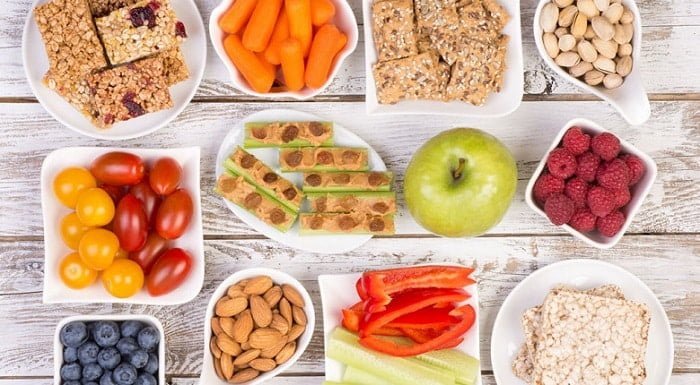
Healthy snacks for diabetics usually work best when they combine protein, fiber, and unsaturated fat, or when they keep carbohydrate modest for your personal plan. The goal is not to find a perfect food that never affects glucose. The goal is to choose portions that satisfy hunger, fit medication timing, and support steadier eating patterns.
Why this matters: snacks can influence blood glucose, overnight readings, appetite, and total daily carbohydrate. A snack should feel planned, not like a small meal that happened by accident.
Key Takeaways
- Balance first: pair carbohydrate with protein, fiber, or healthy fat.
- Labels matter: serving size and total carbohydrate are more useful than sugar claims alone.
- No universal free food: even healthy options need portion awareness.
- Bedtime snacks: they depend on glucose trends, medication type, and hunger.
- Ask for guidance: insulin use, pregnancy, kidney disease, or frequent lows can change snack targets.
What Makes a Snack Diabetes-Friendly?
A diabetes-friendly snack is one that fits your glucose pattern, appetite, medications, and daily food routine. Carbohydrate has the most direct effect on blood glucose, but the whole snack still matters. Fiber, protein, and fat can slow digestion and improve fullness. They do not erase carbohydrate.
Many people do well with a simple pairing approach. For example, fruit with nuts is usually more filling than fruit alone. Whole-grain crackers with cheese may satisfy longer than crackers eaten from the box. Vegetables with hummus add crunch, fiber, and some plant protein.
Some people need snacks between meals. Others do better with balanced meals and fewer grazing moments. People using insulin or medicines that can cause hypoglycemia (low blood sugar) may need more specific snack planning than someone using medicines that rarely cause lows.
The glycemic index can also help, but it should not replace portion awareness. Lower-glycemic foods often raise glucose more gradually than higher-glycemic foods. A large serving can still add enough carbohydrate to matter.
A practical snack formula
- Protein base: eggs, yogurt, tofu, fish, poultry, cheese, or beans.
- Fiber-rich carbohydrate: fruit, whole grains, legumes, or vegetables.
- Healthy fat: nuts, seeds, avocado, or nut butter.
- Lower-carb crunch: cucumbers, peppers, celery, radishes, or leafy greens.
Why it matters: Two snacks with the same carbohydrate amount can feel and affect glucose differently.
20 Balanced Snack Ideas to Mix and Match
This list of healthy snacks for diabetics gives starting points, not fixed prescriptions. Portions, ingredients, and glucose response vary. Use food labels, home glucose data, or a registered dietitian’s advice to adjust choices.
| Snack idea | Why it can fit | Watch the label or portion |
|---|---|---|
| Vegetable sticks with hummus | Vegetables add crunch, while hummus adds fat and plant protein. | Check hummus serving size and sodium. |
| Plain Greek yogurt with berries | Yogurt adds protein, while berries add fiber and sweetness. | Choose unsweetened yogurt when possible. |
| Cheese with cucumber slices | Cheese can make low-carbohydrate vegetables more filling. | Compare sodium and saturated fat. |
| Hard-boiled eggs with vegetables | Eggs provide protein with very little carbohydrate. | Add vegetables for more volume. |
| Apple slices with nut butter | This pairing combines carbohydrate, fat, and some protein. | Choose nut butter without large added sugar. |
| Popcorn with nuts | Air-popped popcorn can be a higher-fiber crunchy option. | Portions grow quickly in large bowls. |
| Edamame | Soybeans provide plant protein and fiber. | Watch salt on packaged versions. |
| Roasted chickpeas | They offer crunch, fiber, and plant protein. | Count them as carbohydrate-containing. |
| Avocado on whole-grain toast | Avocado adds unsaturated fat, while whole grain adds fiber. | Use a smaller toast portion if needed. |
| Tuna or salmon cucumber cups | Fish adds protein without much carbohydrate. | Compare sodium in canned or pouch fish. |
| Tofu cubes with vegetables | Tofu is a flexible plant-protein option. | Use sugary or salty sauces lightly. |
| Nuts with small fruit | Nuts add texture, fat, and some protein. | Measure portions because calories add up. |
| Chia pudding without added sugar | Chia seeds thicken liquid and add fiber. | Check sweeteners and toppings. |
| Plain oatmeal with nuts | Oats provide soluble fiber and a warm texture. | Sweetened packets can be high in sugar. |
| Bean dip with bell peppers | Beans add fiber and plant protein. | Count beans as carbohydrate-containing. |
| Turkey or chicken roll-ups | Lean protein can help when you want a lower-carb snack. | Check sodium in deli meats. |
| Unsweetened smoothie with protein | Yogurt, tofu, or milk can add staying power. | Fruit-heavy smoothies can become meal-sized. |
| Dark chocolate with nuts | A small sweet snack can fit when planned. | Check total carbohydrate, not just sugar. |
| High-fiber crackers with cheese | This can be a practical packaged option. | Compare serving size, fiber, and sodium. |
| Protein shake with vegetables or berries | A shake may help when solid food is inconvenient. | Review added sugar and total carbohydrate. |
For more ideas that focus on everyday food choices, see this deeper resource on Healthy Snacking For Diabetes. If you often use nuts as a snack, this overview of Nuts For Diabetics explains portions and nutrition differences.
Packaged Snacks, Sugar-Free Claims, and Carb Counting
Packaged snacks for diabetics can be convenient, but the front label can mislead. Start with serving size, then check total carbohydrate. Total carbohydrate includes sugars, starches, and fiber, so it gives a broader picture than sugar alone.
If you count carbohydrates, one carb serving often means about 15 g of carbohydrate. Your personal target may differ. A registered dietitian or diabetes educator can help set a range that fits your meals, medicines, activity, and glucose goals.
This calculator can help turn total carbohydrate on a food label into a carb-serving estimate. It is a general math tool and does not set your personal carbohydrate target.
Carb Serving Calculator
Convert total carbohydrate grams into carb choices for meal planning and diabetes education.
These calculations are for education only and do not replace clinical advice, diagnosis, or treatment. Always confirm medical decisions with a qualified healthcare professional.
Sugar-free does not mean carbohydrate-free
Sugar free snacks for diabetics may still contain flour, starches, milk sugars, or sugar alcohols. Some sugar alcohols can cause gas, bloating, or diarrhea, especially in larger amounts. Sugar-free crackers can still act like a starchy snack, so compare total carbohydrate, fiber, and portion size before assuming they are low impact.
What about chips and crackers?
Chips and crackers can fit some eating plans, but they are easy to overeat. Look for single-serve portions, higher-fiber ingredients, and lower sodium when possible. Pairing a small portion with protein, such as cheese, tuna, hummus, or yogurt dip, may make the snack more satisfying than eating the crunchy food alone.
Quick tip: Put packaged snacks in a bowl instead of eating from the bag.
If cheese is a frequent snack for you, compare options using this resource on Cheese Choices For Diabetes. For drinkable options, review Protein Shakes For Diabetics before relying on shakes as snacks.
Snacks That Are Lower Impact on Blood Sugar
No food can be promised to never raise blood sugar. Water, plain tea, and many non-starchy vegetables contain little carbohydrate, but most filling snacks still need portion awareness. Even foods with a healthy reputation can affect glucose when servings get large.
Lower-carbohydrate snacks may be useful when post-meal glucose rises are a concern. Examples include hard-boiled eggs, cheese with vegetables, tuna cucumber cups, tofu with vegetables, plain Greek yogurt, or a measured portion of nuts. These foods are not automatically better for everyone. They may still contain sodium, saturated fat, or calories that matter for heart, kidney, or weight goals.
For snacks with carbohydrate, the pairing often matters. Oatmeal with nuts may be more satisfying than sweetened oatmeal alone. Fruit with cheese may produce a different glucose pattern than a large fruit smoothie. Beans, hummus, roasted chickpeas, and whole grains can add fiber, but they still count as carbohydrate-containing foods.
People with type 2 diabetes often search for low carb snacks for diabetics type 2. That can be reasonable, especially when carbohydrate portions are a known trigger for high readings. Still, low carb does not automatically mean balanced. A snack built mostly around processed meat or salty packaged foods may not support broader health goals.
Late-Night Snacks and Morning Glucose
Late-night snacks for diabetics are not automatically needed. A bedtime snack should match the reason you are eating: hunger, a long gap between meals, or a medication plan that requires food. Food should not be used as a treatment for high glucose unless your care plan specifically says so.
If morning glucose is often high, possible factors include evening food, overnight lows, dawn phenomenon, stress, sleep quality, illness, or medication timing. Your clinician can help interpret the pattern. This is especially important if you use insulin or medicines that can cause hypoglycemia.
Is oatmeal a good bedtime snack for diabetics? It can be for some people, especially when plain oats are portioned and paired with protein or fat, such as nuts or unsweetened yogurt. Sweetened instant oatmeal is different. It may contain added sugar and more carbohydrate than expected.
Lower-carbohydrate bedtime options may include eggs, cheese with vegetables, plain Greek yogurt, tuna cucumber cups, or a small nut portion. These are examples only. The right choice depends on whether you are trying to prevent lows, reduce hunger, or avoid evening grazing.
Personalize Your Snack List Without Making It Complicated
A useful snack list should include foods you like, can access, and can portion consistently. If you prefer Indian-style snacks, for example, you might compare roasted chana, dhokla, chivda, paneer with vegetables, or vegetable chaat. Notice the starch, sweet chutney, fried ingredients, and portion size rather than judging a whole cuisine as good or bad.
Glucose data can help you personalize healthy snacks for diabetics. Some people check before and after a new snack. Others review continuous glucose monitor trends with their care team. Patterns matter more than one reading because sleep, stress, illness, exercise, and missed meals can all change the result.
Special situations can change snack choices. Pregnancy, kidney disease, gastroparesis (delayed stomach emptying), eating disorders, and intense endurance exercise may require individualized nutrition targets. Repeated low readings, repeated high readings, or anxiety around food are also good reasons to ask for help.
Use healthy snacks for diabetics as a flexible framework, not a fixed menu. Start with foods you enjoy, confirm portions with labels, and bring repeated highs or lows to your clinician or registered dietitian. You can also browse the Diabetes Articles collection for related nutrition and diabetes topics.
Authoritative Sources
These sources support general nutrition, carbohydrate-counting, and individualized diabetes care principles used in this article.
- American Diabetes Association nutrition consensus report on eating patterns, carbohydrates, and individualized care.
- Diabetes Canada food and nutrition guidance for meal planning and nutrition basics.
- NIDDK diabetes diet and activity guidance for practical eating and activity considerations.
A snack can be simple and still thoughtful. Pair foods, read labels, and adjust based on your own patterns rather than chasing a perfect diabetes snack.
This content is for informational purposes only and is not a substitute for professional medical advice.


