
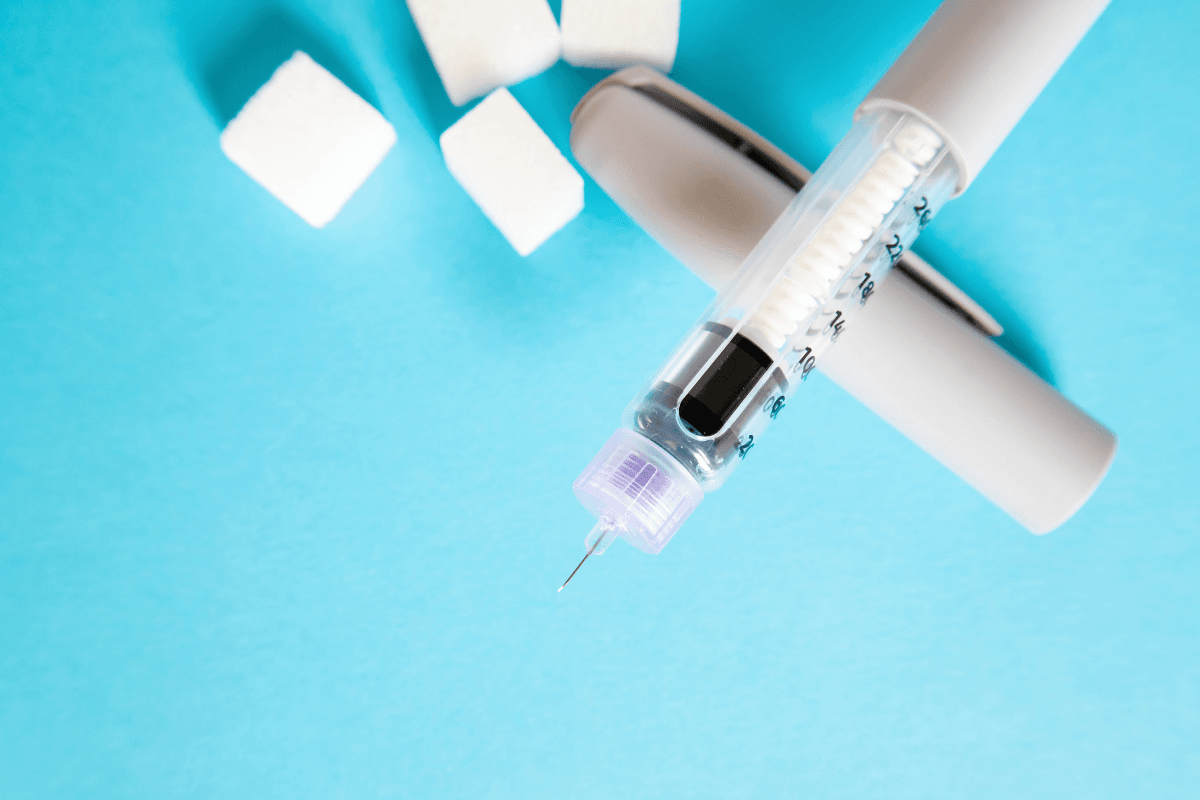
The Basaglar KwikPen is a prefilled insulin pen that contains insulin glargine, a long-acting basal insulin used to help manage blood glucose in people with diabetes. It is not a rapid mealtime insulin. Its main role is steady background insulin coverage, so safe use depends on correct device technique, glucose monitoring, and an individualized dose plan from a prescriber. This matters because small errors with any insulin can cause low blood sugar or missed glucose control.
Key Takeaways
- Basaglar contains insulin glargine, a long-acting basal insulin.
- It is used on a prescribed schedule, not for rapid meal coverage.
- The pen contains U-100 insulin, which means 100 units per mL.
- Common concerns include hypoglycemia, injection-site reactions, and dose confusion.
- Switching between insulin glargine products needs prescriber or pharmacist review.
How the Basaglar KwikPen Fits Into Diabetes Care
Basal insulin provides background insulin coverage between meals and overnight. In people whose bodies do not make enough insulin, or do not use insulin effectively, basal insulin can help reduce high glucose patterns when used as prescribed. To understand the broader role of insulin, you can review What Insulin Does.
The established medicine name is insulin glargine injection. The brand name is Basaglar, and the device name is KwikPen. People may search for a Basaglar generic name, but insulin products do not always follow the same simple generic-substitution rules as many tablets. They are biologic medicines, and brand, biosimilar, and interchangeability categories can differ by jurisdiction.
A Basaglar KwikPen contains 3 mL of U-100 insulin glargine. U-100 means the insulin concentration is 100 units per mL, so one 3 mL pen contains 300 units. This describes the pen contents, not your personal dose. Your prescribed dose depends on your glucose patterns, diagnosis, other medicines, kidney or liver function, meals, activity, and safety history.
Basal insulin is only one part of diabetes care. Some people also use rapid-acting insulin, non-insulin diabetes medicines, nutrition changes, or glucose monitoring devices. For a broader comparison of insulin categories, see Types Of Insulin and Basal Insulin Types.
Dosing Questions to Bring to Your Prescriber
Insulin dose questions are personal because the safe amount varies widely. A dose that is appropriate for one person may be too much or too little for another. This is why questions such as whether 20 units is a lot cannot be answered safely without clinical context.
Why it matters: Dose changes without review can lead to severe lows or ongoing highs.
Your care team may look at fasting glucose, readings before meals, overnight patterns, A1C, hypoglycemia history, and changes in weight or activity. They may also ask about missed doses, alcohol use, recent illness, steroid medicines, pregnancy, kidney disease, or liver disease. These factors can change insulin needs and hypoglycemia risk.
Use the dose and timing instructions given with your prescription. Do not use a basal insulin pen as a quick correction for a meal or sudden high reading unless your clinician specifically instructs you to do so. If readings are repeatedly outside your target range, bring your log, meter, or continuous glucose monitor summary to your prescriber rather than adjusting insulin on your own.
Some people use a written insulin plan. It may include what to do for missed doses, fasting, illness, travel, or repeated low readings. If you do not have a clear plan, ask for one. The plan should explain when to call your clinic and when to seek urgent care.
Pen Technique, Needles, and Storage
Correct pen technique helps reduce dosing errors and injection problems. The Basaglar KwikPen should be used by one person only, even if the needle is changed. Sharing insulin pens can spread infections because blood can enter the device.
Most use instructions follow a similar pattern. Check the label, inspect the insulin, attach a new compatible pen needle, prime or safety-test as instructed, dial the prescribed dose, inject using taught technique, and dispose of the needle safely. The exact steps should come from your prescriber, diabetes educator, pharmacist, or the manufacturer instructions for use.
Pen needles are usually supplied separately from the pen. The right needle length and gauge depend on your device, age, body build, injection site, dexterity, and training. Short needles are common in modern diabetes care, but you should use the size recommended for your prescription and technique. Use a new needle for each injection and remove it after use.
Rotate injection sites within approved body areas. Repeated injections into the same small area can cause lipodystrophy (lumpy or pitted skin), which may affect insulin absorption. If you notice thickened skin, dents, bruising, leakage, or frequent pain, ask a clinician or diabetes educator to review your technique.
Storage rules matter because insulin can be damaged by heat, freezing, or improper handling. Follow the product insert for exact temperatures, in-use limits, and discard instructions. Keep insulin away from direct heat and sunlight, and do not use insulin that looks abnormal. For a deeper overview, see Insulin Storage Temperature.
Many people prefer pens because they are portable and easier to dose than a vial and syringe. Still, pens require training. You can compare device basics in Insulin Pens, especially if you are new to prefilled devices.
Side Effects and Warning Signs
Basaglar KwikPen side effects can range from mild injection-site symptoms to serious low blood sugar. Any insulin can cause hypoglycemia, especially if insulin needs change, meals are delayed, activity increases, alcohol intake changes, or other glucose-lowering medicines are used.
Common effects
Commonly discussed effects include low blood sugar, injection-site redness or itching, skin changes at injection sites, mild swelling, and weight gain. Some symptoms are temporary, but repeated or worsening symptoms should be reviewed. Your clinician may ask about timing, glucose readings, injection locations, and other medicines.
Urgent symptoms
Seek urgent medical help for severe hypoglycemia, seizure, loss of consciousness, severe confusion, trouble breathing, swelling of the face or throat, or signs of a serious allergic reaction. Also seek prompt care if you have repeated lows, repeated vomiting, dehydration, or very high glucose with ketones if you have been told to check for them.
Hypokalemia (low potassium) is a known risk with insulin therapy, especially in medically complex situations. Symptoms can include weakness, heart rhythm changes, or unusual muscle symptoms, but these signs are not specific. Clinicians may monitor potassium in higher-risk settings.
A severe low blood sugar episode can become a medical emergency. For plain-language safety context, review Insulin Shock. This information should not replace your personal hypoglycemia plan.
How Long-Acting Insulins Compare
Basal insulin products can look similar, but they are not always interchangeable. The same molecule, concentration, device, and regulatory category all matter. Your prescriber and pharmacist should review any proposed switch, especially if the device, concentration, or dosing schedule changes.
| Option | What it means | Why review matters |
|---|---|---|
| Basaglar | Insulin glargine U-100 in a prefilled pen. | Device technique and prescription instructions must match. |
| Lantus | Another insulin glargine U-100 product. | It contains the same insulin type but is a distinct product. |
| Toujeo | Insulin glargine U-300. | The concentration differs, so switching needs careful review. |
| Rapid-acting insulin | Mealtime or correction insulin in many care plans. | It serves a different role from basal insulin. |
Basaglar and Lantus are often compared because both contain insulin glargine U-100. They are not the same product, and substitution rules can differ by region, plan, and pharmacy policy. For a focused comparison, see Basaglar Vs Lantus. If you use a Lantus device, Lantus SoloStar Insulin Pen explains that pen format.
Toujeo is also insulin glargine, but it is a more concentrated U-300 product. That concentration difference is clinically important. A person should not switch between U-100 and U-300 insulin glargine products without specific instructions.
Other insulin types may be used for meals or corrections. These products are not substitutes for basal insulin unless a prescriber changes the overall plan. If you use more than one insulin, label checks and storage separation can help prevent mix-ups.
Monitoring, Supplies, and Access Questions
A Basaglar KwikPen prescription raises practical questions about supplies, package contents, and glucose tracking. The pen contains the insulin, but compatible pen needles are commonly handled as a separate supply. Your pharmacy or clinic can confirm whether needles are included, prescribed separately, or supplied under a different benefit.
Package counts can vary by market, carton, and dispensing rules. Instead of assuming how many pens come in a box, check the carton label, product listing, or pharmacy documentation. The amount in each pen is separate from the number of pens in the package.
Glucose monitoring helps your care team judge whether the basal dose plan is working safely. Some readers compare meter values reported in mg/dL with values reported in mmol/L. This converter can help translate units for discussion, but it does not recommend insulin doses.
Blood Glucose Unit Converter
Convert glucose readings between mg/dL and mmol/L without changing the clinical value.
These calculations are for education only and do not replace clinical advice, diagnosis, or treatment. Always confirm medical decisions with a qualified healthcare professional.
Keep records that are easy to review. A simple log may include fasting readings, bedtime readings, symptoms, missed doses, injection site notes, and unusual events such as illness or intense exercise. If you use fingerstick testing, Lancets For Blood Sugar Testing covers selection and safety basics.
Access questions should stay separate from dosing decisions. As a prescription referral platform, CanadianInsulin.com may help confirm required prescription details with prescribers. Dispensing is handled by licensed third-party pharmacies where permitted. Some patients explore cash-pay options depending on eligibility and jurisdiction, but medication changes should remain clinician-led.
If you need item-specific listing information, Basaglar Product Details can help you review the listed product format. The Diabetes Products category can also help you browse related diabetes supplies and medications without using it as medical evidence.
Authoritative Sources
- For official product labeling details, see the DailyMed Basaglar information.
- For biologic substitution context and terminology, review the FDA biosimilars overview.
- For patient-facing medicine information from NIH, see MedlinePlus insulin glargine.
Basal insulin can be effective when the product, device, monitoring plan, and dose instructions are clear. If anything about the pen, needles, dose timing, or side effects is unclear, ask your prescriber, pharmacist, or diabetes educator before changing your routine.
This content is for informational purposes only and is not a substitute for professional medical advice.


