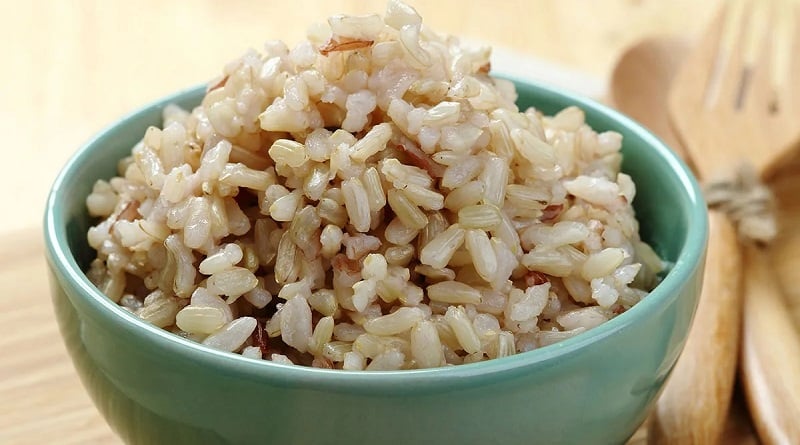
For many people, brown rice and diabetes can fit together, but portion size matters. Brown rice is a whole grain, so it contains more fibre and minerals than white rice. It also still contains carbohydrate, which can raise blood sugar after eating. The useful question is not whether brown rice is allowed. It is how much fits your meal plan, what you eat with it, and how your own glucose readings respond.
This matters because rice is a staple food in many households. Removing it completely may not be realistic or necessary. A better approach is to understand glycemic index, measure portions, and build meals that slow digestion without turning eating into a rigid rulebook.
Key Takeaways
- Brown rice can raise blood sugar because it contains carbohydrate.
- Its fibre may slow digestion, but it does not cancel the carbs.
- Glycemic index varies by rice type, cooking method, and portion.
- Pairing rice with protein, vegetables, and healthy fats can help balance meals.
- People with kidney disease, gastroparesis, or medication-related lows should personalize advice with a clinician or dietitian.
Brown Rice and Diabetes: The Blood Sugar Basics
Brown rice is rice with the bran and germ left mostly intact. Those outer layers give it more fibre, texture, and micronutrients than polished white rice. The same intact structure can slow digestion a little, which may reduce the speed of glucose absorption for some people.
That does not make brown rice a low-carbohydrate food. A serving of cooked rice still contributes meaningful carbohydrate to the meal. After digestion, much of that carbohydrate becomes glucose, the sugar your body uses for energy. In diabetes, the body may not make enough insulin, use insulin well, or both. That is why carbohydrate amount, timing, and meal balance can affect post-meal readings.
The practical issue in brown rice and diabetes is not whether the grain is automatically good or bad. It is whether the portion fits your usual carbohydrate targets and whether the rest of the plate supports steadier digestion. For broader meal planning principles, see Eating Well With Diabetes.
Why it matters: Whole grain does not mean blood-sugar neutral.
What Glycemic Index Really Tells You
The glycemic index, or GI, estimates how quickly a carbohydrate-containing food raises blood glucose compared with a reference food. Low-GI foods are usually 55 or less. Medium-GI foods are 56 to 69. High-GI foods are 70 or higher.
Brown rice glycemic index values are not identical across all varieties. Some brown rice types fall in the medium range, while others can test higher or lower. Grain variety, cooking time, grain stickiness, processing, and whether the rice is eaten alone or with other foods can change the response. For a deeper look at this concept, read Glycemic Index In Diabetes.
GI is useful, but it is incomplete. It does not tell you how many carbohydrates are in your serving. A large portion of a medium-GI food can still produce a large glucose rise. This is why glycemic load, which considers both GI and carbohydrate amount, can sometimes be more practical than GI alone.
Blood sugar response also varies from person to person. Sleep, stress, physical activity, medications, illness, menstrual cycle changes, and the previous meal can all affect readings. If you monitor glucose, compare similar meals under similar conditions rather than judging one reading in isolation.
Brown Rice Versus White Rice: Differences That Matter
Brown rice and white rice come from the same grain. The difference is processing. Brown rice keeps the bran and germ. White rice has those layers removed, which gives it a softer texture and faster cooking time. This processing also removes much of the fibre.
For many people, brown rice may be the more nutrient-dense choice. It offers more fibre and a chewier texture, which may help with fullness. White rice may digest faster, especially when it is soft, sticky, or eaten in a large portion. Still, brown rice is not automatically the best option for every person or every meal.
| Factor | Brown Rice | White Rice |
|---|---|---|
| Grain type | Whole grain with bran and germ | Refined grain with bran and germ removed |
| Fibre | Usually higher | Usually lower |
| Blood sugar effect | Can still raise glucose; response varies | Can raise glucose, often faster for some people |
| Texture and cooking | Chewier and slower to cook | Softer and quicker to cook |
| Best use | Measured portions in mixed meals | Measured portions when tolerated and planned |
Some people ask which rice is good for people with diabetes. There is no universal winner. Brown basmati, parboiled rice, and some long-grain varieties may have a lower glycemic impact than sticky rice for some people, but portion size still matters. If rice is a regular staple, comparing varieties with your own glucose data can be more useful than relying on a single list.
For a broader comparison of rice types, see Rice And Diabetes.
How Much Brown Rice Can Fit in a Meal?
The right amount depends on your diabetes type, medication plan, activity level, glucose targets, kidney health, appetite, and cultural eating pattern. Some people can include a small measured portion comfortably. Others notice large glucose rises even with modest servings. Both experiences can be valid.
A common starting point is to measure cooked rice instead of estimating by eye. Rice expands during cooking, and portions can become larger than expected. If you use carbohydrate counting, check the nutrition label or a reliable food database for the amount of total carbohydrate in your cooked serving. Then compare that number with your meal plan.
The plate method can also help. Many diabetes meal plans use a plate built around non-starchy vegetables, a protein food, and a smaller portion of starch. Brown rice belongs in the starch section, not across the whole plate. This visual approach can work well for people who do not count every gram of carbohydrate.
This calculator can help estimate carbohydrate servings from a food label or meal entry. It is a general math tool, not a personal medical target.
Carb Serving Calculator
Convert total carbohydrate grams into carb choices for meal planning and diabetes education.
These calculations are for education only and do not replace clinical advice, diagnosis, or treatment. Always confirm medical decisions with a qualified healthcare professional.
If you use insulin or a medication that can cause hypoglycemia, do not change carbohydrate intake sharply without guidance. A registered dietitian or diabetes educator can help match rice portions to medication timing, activity, and glucose patterns.
Cooking Brown Rice for Steadier Meals
Cooking method cannot turn rice into a treatment for diabetes. It can, however, make meals more predictable. The goal is to control portions, avoid fast-digesting add-ons, and combine rice with foods that add fibre, protein, and fat.
- Measure before serving: Use the same cup or bowl each time.
- Avoid overcooking: Very soft rice may digest faster for some people.
- Add vegetables: Mix rice with broccoli, peppers, greens, or mushrooms.
- Include protein: Pair with fish, tofu, eggs, beans, poultry, or lean meat.
- Watch sauces: Sweet sauces can add hidden sugars and sodium.
- Use leftovers safely: Refrigerate promptly and reheat thoroughly.
Some people use cooled and reheated rice because cooling can increase resistant starch, a type of starch that resists digestion. The effect is variable and should not be treated as a guaranteed glucose strategy. Food safety still comes first, especially because cooked rice can support bacterial growth if left at room temperature too long.
Healthy brown rice recipes often work best when rice is one part of the meal, not the full meal. Examples include a small brown rice bowl with salmon and leafy greens, a vegetable-heavy stir-fry over measured rice, or a soup with beans, vegetables, and a modest amount of rice. If fruit is part of the same meal, the carbohydrate total still counts. For fruit choices and portions, see Fruits For Diabetes.
Benefits and Drawbacks to Weigh
A balanced view of brown rice and diabetes also includes the downsides. Brown rice can be a useful whole grain, but it is not a free food. The same serving that provides fibre also provides starch. Large portions may raise blood sugar, especially if the meal is low in protein or mostly made of rice.
Potential benefits include more fibre than white rice, a chewier texture that may support fullness, and a less refined grain structure. Brown rice also contains minerals and plant compounds found in the bran. These features can make it a reasonable choice within a varied eating pattern.
Potential disadvantages include carbohydrate load, longer cooking time, and digestive discomfort for some people. Higher-fibre foods can worsen symptoms in certain people with gastroparesis, a condition where the stomach empties slowly. People following kidney-related mineral restrictions may also need individual advice because whole grains can contribute more phosphorus and potassium than refined grains.
Rice can also contain inorganic arsenic from soil and water. This does not mean everyone must avoid rice. It does mean variety matters. Rotating grains such as barley, quinoa, oats, bulgur, or whole-grain pasta can reduce reliance on one staple. Rinsing rice and cooking it in excess water that is drained may reduce some arsenic, although it can also reduce some nutrients.
No single food is the number one enemy of diabetes. Patterns matter more than labels. Repeated large portions of refined starches, sugary drinks, and low-fibre meals can make glucose management harder. Brown rice may help some people replace more refined grains, but it still needs to fit the full meal.
Who Should Personalize Brown Rice Advice?
Some people need more individualized guidance before making brown rice a daily staple. This includes people with frequent low blood sugar, pregnancy, kidney disease, gastroparesis, eating disorder history, significant weight change, or major medication changes. It also includes anyone seeing repeated high readings after rice despite careful portions.
People with prediabetes may also wonder whether brown rice is a better choice than white rice. It can be one useful swap, especially when it replaces a larger refined-grain portion. Still, prediabetes care usually focuses on the whole pattern: portion sizes, physical activity, sleep, weight changes when relevant, and insulin sensitivity. For more context, see Improving Insulin Sensitivity.
If you check glucose at home, your own pattern can guide the conversation. You might compare a measured brown rice meal with a similar meal using another starch. Look at the timing, serving size, protein, vegetables, and activity around the meal. Bring the pattern to your clinician rather than changing medication on your own.
Seek medical advice promptly if you have symptoms of severe high blood sugar, repeated unexplained lows, vomiting, dehydration, confusion, or ketones when you have been told to check for them. Food changes should not replace urgent care when symptoms are concerning.
Practical Ways to Keep Rice in Perspective
Rice is often tied to family meals, comfort foods, and cultural identity. Diabetes nutrition works better when it respects those realities. You do not need a perfect food list. You need repeatable meals that support glucose goals and still feel livable.
Start with the meals you already eat. If rice fills most of the plate, reduce the portion gradually and add vegetables or protein. If you eat rice daily, try alternating brown rice with other whole grains. If brown rice feels too chewy, mix it with white rice while adjusting the total portion. Small changes are easier to maintain than strict rules.
Quick tip: Test one change at a time so patterns are easier to see.
When reviewing nutrition content, focus on claims that match your situation. A food that works well for one person may not work the same way for another. For ongoing education, the Type 2 Diabetes Articles hub groups related topics for browsing.
Authoritative Sources
- American Diabetes Association food and nutrition covers carbohydrate awareness and balanced eating patterns for diabetes.
- Diabetes Canada explains glycemic index categories and how GI can support food choices.
- The U.S. FDA shares arsenic advice for rice and other foods, including exposure-reduction steps.
Brown rice can be part of diabetes meal planning when portions, pairings, and personal glucose response are considered together. Treat it as one carbohydrate choice within the meal, not as a cure or a forbidden food.
This content is for informational purposes only and is not a substitute for professional medical advice.