

Vitamins & Supplements Articles and Resources
Plain-language guides on medications, conditions and everyday care, to read before you talk with your prescriber or pharmacist.
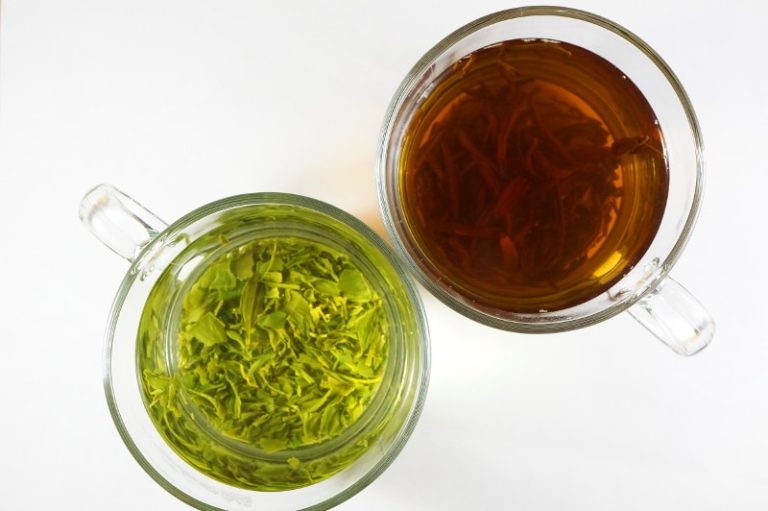
Diabetes and Green Tea: Evidence-Based Guide to Safe Use
Many people ask how Diabetes and Green Tea fit together in daily care. Green tea contains catechins (notably EGCG) and modest caffeine,…
Read more →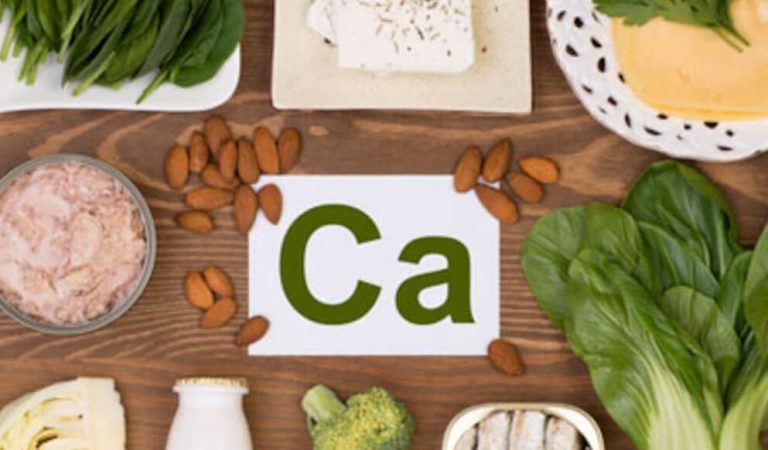
Calcium and Diabetes: Glucose Links, Risks, and Labs
Calcium and Diabetes are connected because calcium helps beta cells release insulin, supports muscle contraction, and contributes to bone and nerve function.…
Read more →
Insulin Plant: Evidence, Benefits, and Safety Questions
The insulin plant is a tropical plant promoted for blood sugar support, but it is not a proven diabetes treatment. Early research…
Read more →
Vitamins for Diabetics: Best Choices for Type 2 Health
Managing type 2 diabetes starts with food, activity, sleep, and medications. Supplements come second. Vitamins for Diabetics can help close gaps when…
Read more →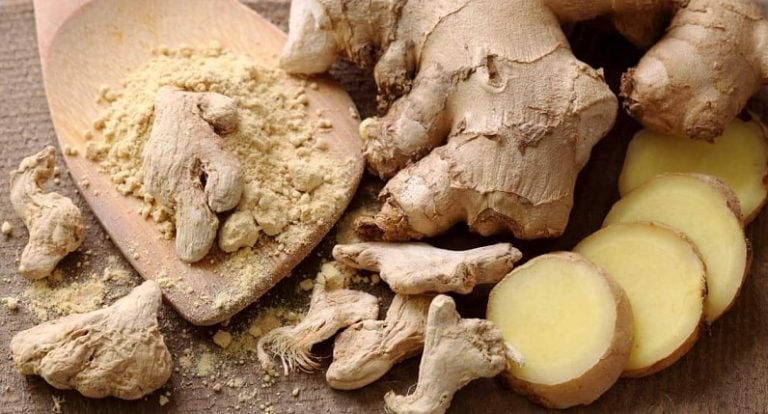
Ginger and Diabetes: Evidence, Safety, and Daily Use
Ginger may have small blood glucose benefits for some people with diabetes, but it should not replace prescribed treatment, nutrition therapy, or…
Read more →
Magnesium and Diabetes: Evidence, Forms, and Safe Intake Guide
Understanding the link between magnesium and diabetes can help you make informed, practical choices. This guide reviews the evidence, compares supplement forms,…
Read more →
Melatonin and Diabetes: Blood Sugar, Safety, and Sleep
Melatonin can be an option for some people with diabetes, but it is not risk-free. The main concern with melatonin and diabetes…
Read more →
CBD Oil and Diabetes: Safety, Blood Sugar, and Interactions
CBD oil and diabetes is an area of active interest, but CBD is not an approved treatment for diabetes or a proven…
Read more →
Coconut Water and Diabetes: Sugar, Potassium, and Safer Choices
Coconut water can fit into some diabetes meal plans, but it is not a sugar-free drink. The key issue with coconut water…
Read more →
Turmeric and Diabetes: Evidence, Dosage, and Safety
Turmeric and diabetes is a fair question, but the short answer is cautious. Turmeric may have anti-inflammatory and antioxidant effects, and some…
Read more →
Best Type of Cinnamon for Diabetes: Ceylon vs. Cassia Guide
Cinnamon is popular for blood sugar control, but evidence is mixed. When people ask about the best type of cinnamon for diabetes,…
Read more →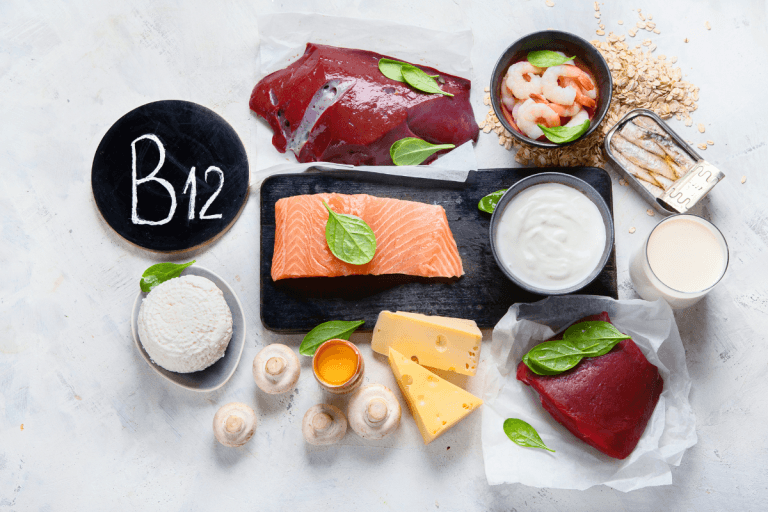
Vitamin B12 and Diabetes: Deficiency Risks and Care Guide
Many adults with diabetes eventually ask how vitamin b12 and diabetes interact. The link matters because low B12 can mimic or worsen…
Read more →These vitamins and supplements articles bring together practical reading on supplement evidence, safety questions, and nutrition-related topics that may matter for adults managing diabetes, weight, or overall wellness. Use this archive to compare article themes, find plain-language explanations, and decide which related condition or product category fits your next question. Some links also point to medication, nutrition, and device pages when they help connect supplement discussions with broader care planning.
How to use vitamins and supplements articles
Start with the question you need answered. A vitamin supplements guide may explain micronutrients (nutrients needed in small amounts), while safety-focused reading may discuss ingredients, interactions, or claims that need closer review. Use vitamins and supplements articles to prepare better questions, not to replace clinical advice.
- For ingredient basics, look for vitamins and minerals information that names the nutrient and its role.
- For marketing claims, look for articles that separate supplement language from prescription medicine discussions.
- For condition overlap, compare the article topic with diabetes, weight, or endocrine resources.
- For product-related questions, check whether the linked page is an article, product list, condition page, or specific item page.
Quick tip: Keep a current list of medicines and supplements when reading safety topics.
What this archive covers
This archive is built around dietary supplements resources, nutritional supplements articles, and related wellness reading. Some topics focus on vitamin and mineral supplement facts. Others explain how supplement claims appear alongside diabetes and weight-management conversations. For example, GLP-1 Supplement Evidence and Safety is useful when comparing supplement claims with regulated medicine discussions.
Glucagon-like peptide-1 (GLP-1) is a hormone involved in blood sugar and appetite signaling. If a title mentions over-the-counter (OTC) products, read it as a claim-checking resource. GLP-1 Over-The-Counter Claims helps frame that topic, while Glucagon-Like Peptide-1 Basics explains the term before you compare related articles.
Compare topics before choosing the next link
Supplement content can look similar at first glance. A daily vitamins information article, a multivitamin guide, and a medication explainer answer different questions. Use the labels, article titles, and destination type to decide whether you need general education, condition-level reading, or product-specific details.
| Question you have | Best place to start | What to compare |
|---|---|---|
| Is this a general supplement topic? | Article titles in this archive | Ingredient, claim type, intended audience, and safety angle |
| Does it relate to blood sugar care? | Diabetes Articles | Condition context, medicine references, and monitoring language |
| Does it relate to weight care? | Weight Management Articles | Nutrition claims, medication mentions, and lifestyle context |
| Am I comparing prescribed medicine classes? | GLP-1 Agonists Product List | Class, form, prescription status, and labelled use |
| Do I need nutrition product details? | Glucerna Nutrition Product | Format, intended use, ingredients, and nutrition label details |
Safety and access notes for supplement-related reading
Supplements can contain vitamins, minerals, botanicals, amino acids, or other dietary ingredients. They may also interact with medicines or affect health conditions. For a neutral reference on vitamin and mineral basics, the NIH Office of Dietary Supplements fact sheets provide ingredient-level education. Use supplements safety information alongside your own medication list and clinician input.
CanadianInsulin.com operates as a prescription referral platform, so linked medication pages sit outside the educational archive. Where a prescription item is involved, prescription details may be confirmed with the prescriber when required. This distinction helps you separate article reading from regulated medication access.
Why it matters: A supplement article and a product page can answer very different questions.
Related diabetes, weight, and endocrine resources
Some supplement questions overlap with chronic condition management. If the article mentions glucose, insulin, or diabetes medicines, Type 2 Diabetes Condition Resources can help you browse condition-aligned product and education pages. If the topic mentions thyroid hormones, metabolism, or endocrine testing, Endocrine and Thyroid Articles may provide a clearer next step.
Use these related pages as navigation, not as proof that a supplement is appropriate for you. A supplement claim may sound relevant to overall wellness, but the right next link depends on your condition, current medicines, allergies, lab results, and care plan.
Keep your browsing organized
Vitamins and supplements articles are most useful when you compare them by purpose. Separate daily wellness reading from condition-specific education. Then note which topics discuss evidence, which focus on safety, and which point toward medication or nutrition product pages.
The vitamins and supplements articles in this archive work best as a reading path, not a treatment plan. Start with the topic closest to your question, compare it with related condition or product pages, and save clinical decisions for a qualified professional.
This content is for informational purposes only and is not a substitute for professional medical advice.
This content is for informational purposes only and is not a substitute for professional medical advice.
Frequently asked questions
About reading the Vitamins & Supplements archive.
Where should I start in this category?
Start with the article title that best matches your question. Safety articles help with ingredient concerns, interaction questions, and claim checking. Broader wellness articles may explain vitamins, minerals, or supplement types. If a topic overlaps with diabetes, weight management, or endocrine care, compare it with the related condition or article categories before moving to product pages.
Can these articles help me choose a supplement?
They can help you understand terms, compare claims, and prepare better questions. They should not be used to select a supplement, dose, or treatment plan on their own. Your age, medical history, lab results, pregnancy status, allergies, and current medicines can change what is appropriate. Discuss supplement use with a qualified healthcare professional.
How are supplement articles different from product pages?
Supplement articles are educational resources. They explain topics, claims, safety issues, or related condition context. Product pages focus on specific items, product categories, or medication details. Some linked medication pages may involve prescription-only products, while supplement articles do not replace a prescription review or individualized medical guidance.
What should I check before using supplement information?
Check the ingredient name, intended audience, safety notes, and whether the article discusses medicines or medical conditions. Look for clear distinctions between general wellness claims and prescription treatment discussions. If you take insulin, diabetes medications, blood pressure medicines, cholesterol medicines, or thyroid medicines, ask a clinician or pharmacist before adding supplements.
Browse by medical condition
Products and reading lists grouped by condition, from A to Z.
All medical conditions →Looking for a medication?
Prices in USD, shown before you pay. Prescription required.
Shop all medications →The contents of CanadianInsulin.com are for informational purposes only and should not be considered medical advice. We do not guarantee the accuracy of the content on CanadianInsulin.com, nor do we assume any responsibility for any actions taken using the information found on our website. Always consult with your family physician or a qualified health care provider about any health or medical concerns.