
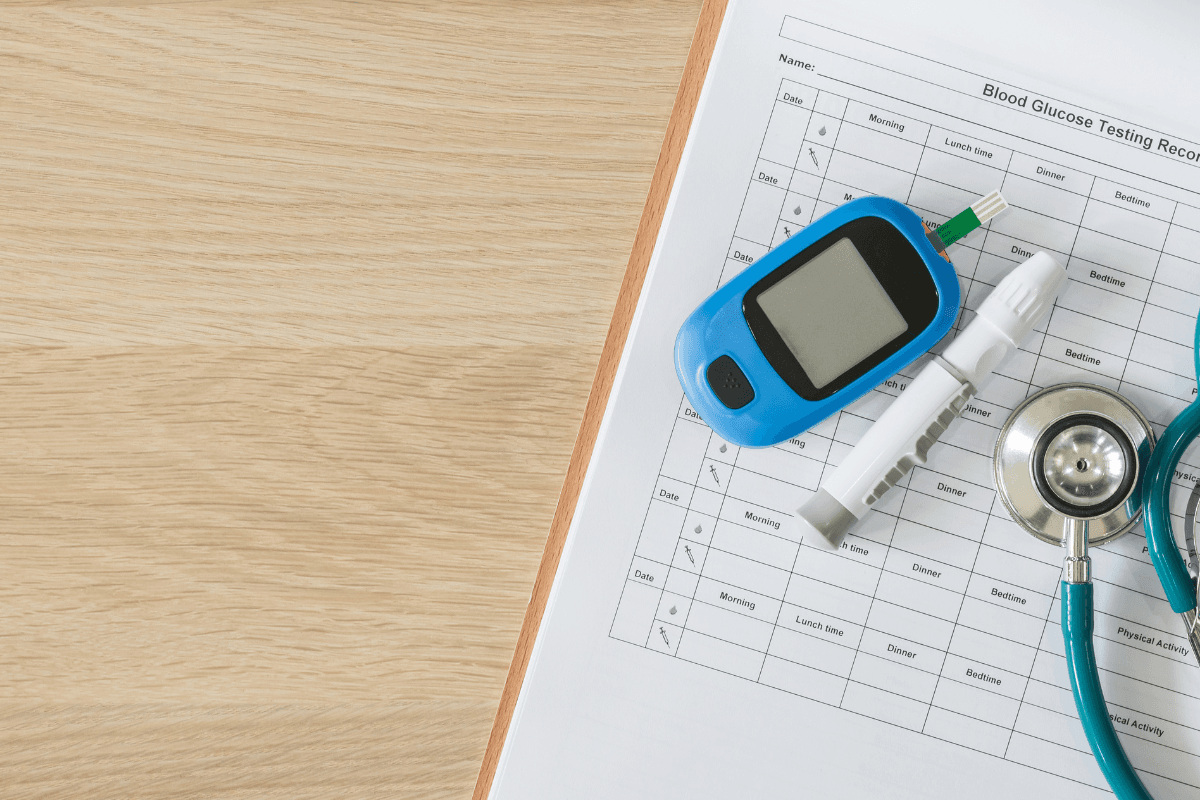
Hypoglycemia means blood glucose is too low, while hyperglycemia means blood glucose is too high. Understanding hypoglycemia vs hyperglycemia matters because each problem can feel different, needs a different response, and can become dangerous when ignored. People living with diabetes may experience either pattern, especially when food, activity, illness, stress, or medication timing changes.
Key Takeaways
- Low blood sugar often comes on quickly and may cause shaking, sweating, hunger, confusion, or weakness.
- High blood sugar often builds more slowly and may cause thirst, frequent urination, fatigue, blurry vision, or nausea.
- The 3 Ps, polyuria, polydipsia, and polyphagia, are classic hyperglycemia symptoms.
- Symptoms alone can mislead you, so glucose checks and your care plan matter.
- Severe lows, ketones, vomiting, chest pain, confusion, or loss of consciousness need urgent help.
Hypoglycemia vs Hyperglycemia in Plain Terms
Blood glucose is the amount of sugar circulating in the bloodstream. Your body uses glucose as a major fuel source, especially for the brain and muscles. Insulin helps move glucose from the blood into cells. Other hormones, meals, activity, illness, and medications can push glucose up or down.
Hypoglycemia is low blood glucose. Many diabetes resources define it as below 70 mg/dL, or 3.9 mmol/L, but your personal action point may differ. It can happen when glucose leaves the bloodstream faster than it is replaced. This is why a low can feel sudden, especially for people using insulin or medications that increase insulin release.
Hyperglycemia is high blood glucose. It usually means glucose is staying in the blood because there is not enough insulin effect, there is more glucose entering the bloodstream, or the body is under stress. High blood sugar may develop over hours or days, but it can still become urgent.
Why it matters: Treating a low as a high, or a high as a low, can delay the right care.
If you are unsure about your usual targets, the Blood Sugar Normal Range Chart can help you review common numbers before discussing them with your clinician.
How Symptoms Differ and Where They Overlap
Symptoms can offer clues, but they do not confirm the number. A side-by-side view of hypoglycemia vs hyperglycemia helps because some signs, such as fatigue, headache, mood change, and trouble concentrating, can occur with either pattern.
| Feature | Low Blood Sugar | High Blood Sugar |
|---|---|---|
| Common onset | Often sudden | Often gradual |
| Typical early signs | Shaking, sweating, hunger, fast heartbeat, anxiety | Thirst, frequent urination, dry mouth, tiredness |
| Brain-related signs | Confusion, dizziness, irritability, blurred vision | Fatigue, blurry vision, trouble focusing |
| Digestive signs | Nausea can occur, especially during a severe low | Nausea, abdominal pain, or vomiting can signal concern |
| Potential emergency signs | Seizure, fainting, inability to swallow, loss of consciousness | Ketones, vomiting, deep breathing, severe dehydration, confusion |
Low blood sugar symptoms often come from adrenaline and the brain sensing limited fuel. Shaking, sweating, hunger, and a racing heartbeat can be early warnings. If glucose keeps falling, confusion, slurred speech, weakness, behavior changes, seizure, or loss of consciousness may follow.
High blood sugar symptoms often reflect the body trying to remove extra glucose through urine. The 3 Ps are polyuria (frequent urination), polydipsia (increased thirst), and polyphagia (increased hunger). Dry mouth, blurry vision, fatigue, slow-healing wounds, and recurrent infections may also occur.
Some people develop fewer warning signs over time. This may happen after repeated lows, long-standing diabetes, nerve changes, or certain medications. If symptoms do not match your meter or continuous glucose monitor, use the number and your care plan rather than guessing.
Blood sugar changes can also affect thinking and mood. For more background, see Blood Sugar and Brain Function.
Common Causes of Low and High Blood Sugar
Low blood sugar usually happens when there is too much insulin effect for the available glucose. This does not always mean too much medication. It can also reflect missed meals, delayed meals, smaller portions, unplanned activity, alcohol, vomiting, or changes in kidney function.
People who use insulin have a higher risk of hypoglycemia than people treated with lifestyle changes alone. Some oral diabetes medicines can also increase the risk of lows. If you have lows during fasting, overnight, or between meals, the causes may need a careful review. The deeper discussion in Fasting Hypoglycemia explains that pattern in more detail.
High blood sugar often happens when insulin effect is not strong enough for the situation. Common contributors include illness, infection, stress hormones, missed medication, steroid medicines, dehydration, larger carbohydrate intake, infusion set problems, or changes in routine. For some people, insulin resistance means the body has trouble using insulin effectively. You can compare that concept with insulin lack in Insulin Resistance vs Insulin Deficiency.
Diabetes type also matters. People with type 1 diabetes can develop ketones more quickly when insulin is missing. People with type 2 diabetes may also develop dangerous high-glucose states, especially during illness or dehydration. The article Type 1 Versus Type 2 Diabetes explains those broader differences.
What To Do When Blood Sugar Feels Low or High
The safest approach to hypoglycemia vs hyperglycemia care starts with checking glucose when you can. Symptoms are useful warnings, but a meter or continuous glucose monitor gives clearer direction. If you cannot check, follow the safety instructions in your diabetes action plan.
When blood sugar may be low
If you suspect a low, use your care plan. Many diabetes plans use fast-acting carbohydrate first, then a repeat glucose check. Public diabetes guidance often describes the 15-15 approach, meaning 15 grams of fast-acting carbohydrate and another check after about 15 minutes. Your clinician may adjust this plan for age, pregnancy, kidney disease, gastroparesis, or other health factors.
Fast-acting carbohydrates usually work better than foods high in fat or protein during an active low. A peanut butter sandwich may help as a later snack if a meal is delayed, but peanut butter can slow carbohydrate absorption. During a severe low, when someone is confused, seizing, unconscious, or unable to swallow, do not give food or drink by mouth. Emergency help and prescribed rescue treatment may be needed.
You may hear different clinic rules, including a 5-2-1 shorthand. That wording is not a universal public standard for hypoglycemia. Ask your care team what any local rule means, when to use it, and how it fits your written action plan.
When blood sugar may be high
If glucose is high, follow your plan for fluids, monitoring, medications, and ketone testing if your clinician has advised it. Do not change prescribed doses without medical guidance. High readings during illness, vomiting, dehydration, pregnancy, or insulin pump problems deserve extra caution.
Ketones can appear when the body does not have enough insulin effect and starts breaking down fat rapidly. Diabetic ketoacidosis, or DKA, is a dangerous acid buildup that needs urgent care. Hyperosmolar hyperglycemic state, or HHS, is another severe high-glucose emergency linked with dehydration and confusion. Seek urgent help for vomiting, deep or labored breathing, fruity-smelling breath, chest pain, severe weakness, confusion, or persistent high readings despite following your plan.
Quick tip: Keep fast carbohydrate, your meter, and emergency contacts easy to find.
Monitoring Makes the Difference Safer
Monitoring helps separate low blood sugar vs high blood sugar when symptoms are unclear. A fingerstick meter measures capillary blood glucose at that moment. A continuous glucose monitor estimates glucose in the fluid under the skin and shows trends. Both can help, but neither replaces a care plan.
The right checking schedule depends on your treatment, glucose patterns, pregnancy status, work demands, activity level, and hypoglycemia risk. People using insulin often need more structured monitoring than people not using insulin. The article How Often Should You Monitor Blood Sugar explains common reasons clinicians recommend different schedules.
Glucose units can also cause confusion. Some countries use mg/dL, while others use mmol/L. This converter helps you compare the same glucose value across units; it does not interpret results or replace clinical advice.
Blood Glucose Unit Converter
Convert glucose readings between mg/dL and mmol/L without changing the clinical value.
These calculations are for education only and do not replace clinical advice, diagnosis, or treatment. Always confirm medical decisions with a qualified healthcare professional.
Write down patterns, not just single numbers. Time of day, meals, activity, illness, alcohol, menstrual cycles, stress, and medication timing can all affect readings. Share repeated lows, frequent highs, or symptoms without clear readings with your diabetes care team.
Which Is More Dangerous?
Neither condition is harmless. Hypoglycemia can become dangerous quickly because the brain depends on a steady glucose supply. Severe lows can cause falls, injuries, seizures, unconsciousness, or, rarely, death. That is why sudden confusion, inability to swallow, or loss of consciousness should be treated as urgent.
Hyperglycemia may feel less dramatic at first, but it can still become serious. Very high glucose, ketones, dehydration, or illness can lead to emergencies such as DKA or HHS. Over time, frequent high glucose can also contribute to diabetes-related complications affecting eyes, kidneys, nerves, blood vessels, and the heart.
The practical answer is context. A severe low may be more immediately dangerous in the next few minutes. Sustained or severe high glucose may be more dangerous over hours, days, or years. The safest goal is not to rank one as always worse, but to recognize both early and respond correctly.
Headache can occur with both low and high glucose. If that is a recurring symptom, Hypoglycemia Headaches may help you understand one possible pattern.
How This Fits Into Diabetes Care
Keeping hypoglycemia vs hyperglycemia in view can make diabetes visits more productive. Bring glucose logs, CGM reports, meal notes, medication timing, activity changes, and symptom details. This helps your clinician identify whether the issue is meal timing, medication effect, illness, insulin resistance, insulin deficiency, or another factor.
Ask your care team to define your personal low and high action points. Also ask when to recheck, when to test ketones, when to call the clinic, and when to seek emergency care. If you drive, operate machinery, exercise intensely, live alone, or care for children, discuss extra safety steps for lows.
Nutrition advice should be individualized. A registered dietitian or diabetes educator can help with carbohydrate consistency, label reading, meal timing, and sick-day planning. This is especially important during pregnancy, kidney disease, gastroparesis, eating disorder recovery, repeated severe lows, or frequent medication-related hypoglycemia.
For broader condition education, the Diabetes Articles hub groups related topics in one browseable place.
Authoritative Sources
- American Diabetes Association guidance on low blood glucose
- American Diabetes Association guidance on high blood glucose
- CDC guidance on diabetes symptoms and warning signs
Hypoglycemia and hyperglycemia require different responses, even when symptoms overlap. Learn your pattern, confirm with monitoring when possible, and keep a written plan for lows, highs, sick days, and emergencies.
This content is for informational purposes only and is not a substitute for professional medical advice.


