

Janumet may cause small weight loss in some people, mainly because it contains metformin, but it is not a weight-loss medicine. Most evidence suggests the sitagliptin part is weight-neutral, while metformin may modestly reduce appetite or support slight weight reduction in some adults with type 2 diabetes. The main goal remains blood glucose control, not body-weight change.
Key Takeaways
- Expected effect: Weight is usually neutral or slightly lower.
- Main contributor: Metformin may reduce appetite in some people.
- Not approved: Janumet is not used as a weight-loss treatment.
- Safety focus: Kidney function and stomach symptoms need monitoring.
- Alternatives differ: GLP-1 and SGLT2 medicines have different weight profiles.
People often ask about weight because diabetes treatment can change appetite, digestion, fluid balance, and glucose loss through urine. Clear expectations help you notice meaningful changes without assuming every weight shift comes from the medication.
Does Janumet Cause Weight Loss in Clinical Use?
Does Janumet cause weight loss in a predictable way? Usually, no. Some people lose a small amount of weight, but many notice little or no change. The combination includes sitagliptin, a dipeptidyl peptidase-4 inhibitor, and metformin, a biguanide. These two medicines affect glucose in different ways, and their combined weight effect is often modest.
Sitagliptin increases incretin hormones, including GLP-1 and GIP. These hormones help the body release insulin after meals when glucose is high. This action is glucose-dependent, so the risk of low blood sugar is generally lower when it is not combined with insulin or sulfonylureas. Sitagliptin itself is usually considered weight-neutral.
Metformin lowers glucose production by the liver and improves insulin sensitivity. It can also cause early fullness, nausea, or lower appetite, especially when treatment starts or the dose changes. Those effects may explain why some people report mild weight loss. For a focused discussion of this component, see Metformin Weight Loss.
Why it matters: Unexpected or rapid weight loss can also reflect uncontrolled diabetes, illness, thyroid disease, medication changes, or reduced food intake.
Why Weight May Change After Starting Therapy
Weight changes after starting Janumet can come from several overlapping causes. The medicine may play a role, but food intake, glucose levels, hydration, and other treatments often matter just as much.
Improved glucose control can change calorie loss
When blood glucose stays very high, some glucose may leave the body through urine. This can contribute to unintentional weight loss before treatment is working well. As glucose control improves, that calorie loss may decrease. For some people, this means weight stabilizes rather than falls.
Stomach effects may reduce intake
Metformin can cause nausea, diarrhea, bloating, or early fullness. These symptoms may reduce food intake for a short period. If symptoms are persistent, severe, or linked with dehydration, they need clinical review. Do not change the dose on your own to manage side effects.
Lifestyle changes often happen at the same time
Many adults start or intensify diabetes medicine while also changing meals, portions, activity, or sleep routines. Those changes can affect weight more than the drug itself. This is why Janumet weight loss reviews can vary widely between individuals.
If you are tracking weight as part of a broader care plan, a simple progress tool can help you record percentage change and compare it with your stated goal. It does not provide medical advice or predict treatment response.
Weight-Loss Progress Calculator
Track percentage body-weight change and progress toward a target weight.
These calculations are for education only and do not replace clinical advice, diagnosis, or treatment. Always confirm medical decisions with a qualified healthcare professional.
Janumet 50/1000, Meals, and Timing Questions
Janumet 50/1000 refers to a tablet strength that combines sitagliptin with a higher metformin amount. The metformin component is often the part most linked with stomach symptoms. That does not mean this strength causes weight loss for everyone, but it can influence tolerability and appetite.
People also ask about the best time to take Janumet 50/1000. In general, sitagliptin/metformin products are taken with food to reduce stomach upset. Exact timing depends on the formulation, prescribed schedule, kidney function, other medicines, and glucose patterns. Extended-release products are often taken with an evening meal when prescribed that way, but your own label and prescriber instructions matter most.
The difference between Janumet 50/500 and 50/1000 is the metformin amount. A higher metformin component may improve glucose lowering for some patients, but it may also increase gastrointestinal effects in others. If you need formulation context, the Janumet XR page can help you identify the extended-release product category without replacing prescriber guidance.
For broader dose and timing education, see Janumet Side Effects. It covers common tolerability issues that can affect daily use.
Side Effects That Can Affect Appetite or Weight
Some side effects can indirectly affect weight by changing appetite, fluid balance, or eating patterns. Common reactions may include diarrhea, nausea, abdominal discomfort, headache, and upper respiratory symptoms. These effects are often more noticeable when therapy begins or when metformin exposure increases.
Hair loss is sometimes searched as a possible side effect, but it is not usually considered a typical effect of sitagliptin/metformin. Hair shedding can have many causes, including thyroid disease, iron deficiency, stress, rapid weight change, illness, or other medicines. A clinician can help assess timing and possible contributors.
Serious symptoms need prompt attention. Seek urgent care for severe or persistent abdominal pain, repeated vomiting, signs of an allergic reaction, trouble breathing, swelling of the face or throat, or symptoms that suggest dehydration. Severe abdominal pain can be important because pancreatitis has been reported rarely with DPP-4 inhibitors.
Metformin carries a rare but serious warning for lactic acidosis, a dangerous buildup of lactic acid in the blood. Risk can rise with significant kidney impairment, severe dehydration, heavy alcohol use, certain acute illnesses, or conditions that reduce oxygen delivery. This is one reason lab monitoring matters.
Kidney Monitoring and Long-Term Safety
Janumet is not automatically “bad for kidneys,” but kidney function strongly affects whether it is appropriate and how it is used. Metformin leaves the body through the kidneys, and sitagliptin dosing also depends on renal function. Clinicians commonly review estimated glomerular filtration rate, or eGFR, before and during therapy.
Kidney monitoring is especially important during acute illness, dehydration, hospitalizations, or before certain imaging procedures that use iodinated contrast. In those situations, clinicians may give temporary instructions based on risk. Follow the plan from your care team rather than making changes independently.
People with type 2 diabetes may also have kidney disease from diabetes itself, high blood pressure, cardiovascular disease, or other conditions. If kidney protection is part of your care plan, your clinician may discuss additional drug classes or monitoring strategies. For condition-level browsing, the Type 2 Diabetes collection groups related education on diabetes care.
How It Compares With Metformin, Januvia, GLP-1, and Other Options
Janumet and metformin are not the same choice. Metformin is one component of Janumet, while sitagliptin adds an incretin-based mechanism. Some people use metformin alone first, then add another medicine if glucose targets are not met. Others may receive combination therapy when clinically appropriate.
Januvia contains sitagliptin without metformin. Because sitagliptin is generally weight-neutral, weight change with Januvia alone may be less noticeable than with a metformin-containing regimen. For more detail on that related question, see Januvia and Weight Loss.
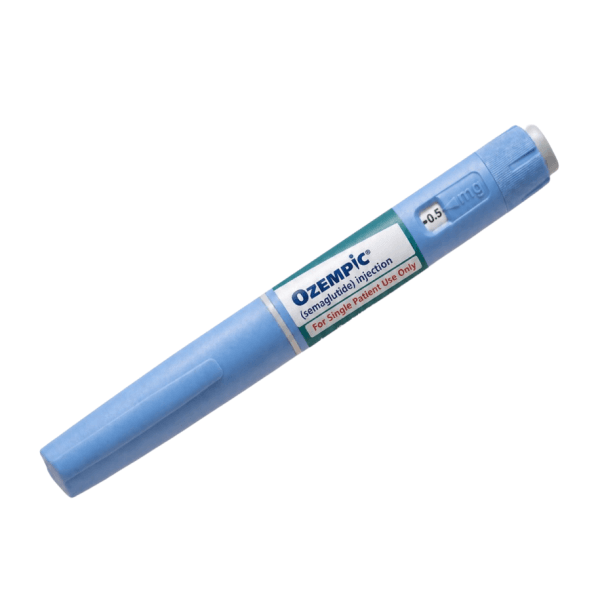
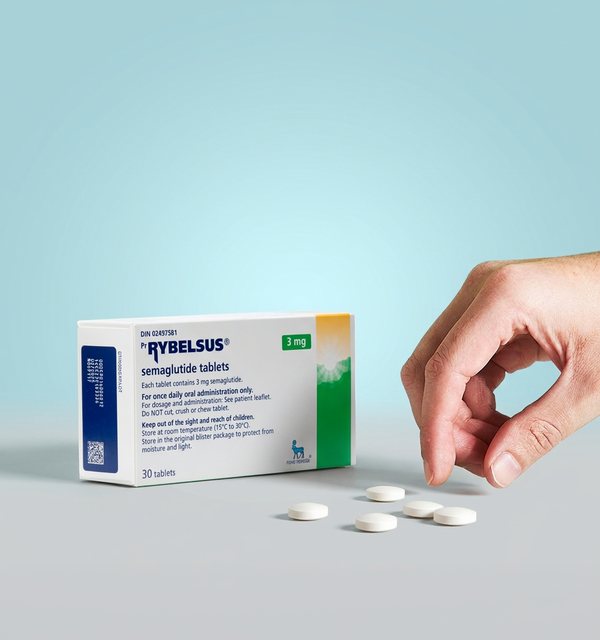
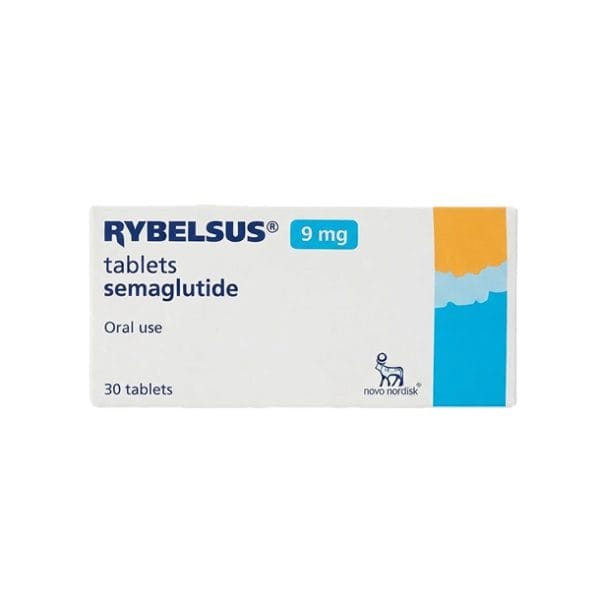
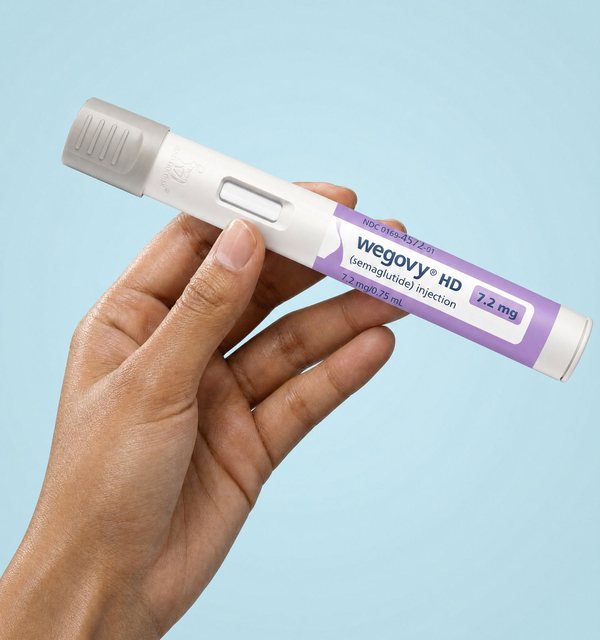
GLP-1 receptor agonists, such as semaglutide products, act differently from DPP-4 inhibitors. They directly stimulate GLP-1 receptors and may have stronger effects on appetite and body weight for some patients. They also have different side effects, costs, routes of use, and eligibility considerations. This does not make one option universally better; it depends on A1C needs, weight goals, heart or kidney history, tolerability, and access.
SGLT2 inhibitors are another class sometimes discussed in type 2 diabetes care. They lower glucose partly by increasing glucose excretion in urine and may affect weight and fluid balance. Combination products also exist. For a broader look at available diabetes medicines, the Diabetes Products category can help readers browse treatment classes.
Zituvimet vs Janumet is another comparison some patients raise because both combine a DPP-4 inhibitor with metformin. The clinically relevant questions are the active ingredients, formulation, dose equivalence, tolerability, insurance coverage, and prescriber preference. Do not substitute one for another without professional review.
Cost, Access, and Cheaper Alternatives
Cost questions are common because combination diabetes medicines can be expensive. Janumet cost without insurance, cost with insurance, and pharmacy cash prices can differ widely. Plan formularies, deductibles, manufacturer programs, generic availability, pharmacy contracts, and location can all change the final amount.
Searches for a “Janumet coupon $5” may lead to offers with specific eligibility rules. These programs can change and may not apply to every patient, pharmacy, or jurisdiction. Treat advertised savings as conditional, not guaranteed.
Cheaper alternatives may include separate sitagliptin and metformin tablets, metformin alone, another DPP-4/metformin combination, or a different diabetes class. The right option depends on glucose goals, kidney function, side effects, cardiovascular or kidney disease, and affordability. If metformin tolerability is the barrier, Metformin product information may help you understand the medicine category before discussing formulation options.
CanadianInsulin.com functions as a prescription referral platform, and prescription details may be confirmed with the prescriber where required. Dispensing and fulfilment are handled by licensed third-party pharmacies where permitted, while some patients explore cash-pay or cross-border options depending on eligibility and jurisdiction.
Practical Questions to Discuss With Your Clinician
Use your next appointment to connect weight changes with glucose patterns and side effects. A short log is often more useful than a general impression.
- Weight pattern: How much changed, and over what period?
- Food intake: Are nausea or fullness reducing meals?
- Glucose trend: Are readings improving, stable, or high?
- Kidney labs: When was eGFR last checked?
- Other medicines: Could insulin, sulfonylureas, steroids, or diuretics contribute?
- Care goals: Is weight management a major treatment priority?
Quick tip: Bring your medication list, glucose readings, and recent weight log to the same visit.
If you are comparing diabetes and weight-management topics, the Weight Management collection can support broader reading. For a closer Janumet-focused article, see Janumet Weight Loss.
Authoritative Sources
Official prescribing information remains the best source for approved uses, warnings, contraindications, and renal precautions. Review the FDA drug database entry for Janumet regulatory information.
The American Diabetes Association publishes annual clinical standards that discuss medication classes, treatment selection, and weight considerations in diabetes care. See the ADA Standards of Care for broader context.
For metformin-specific safety and patient education, MedlinePlus provides a plain-language reference on metformin precautions and side effects.
Recap
Does Janumet cause weight loss? It can be associated with small weight loss in some people, but the effect is usually modest and not the main purpose of treatment. Sitagliptin is generally weight-neutral, while metformin may reduce appetite or cause stomach effects that influence intake.
Track weight changes alongside glucose readings, symptoms, meals, and other medicines. Ask your clinician about kidney monitoring, timing with food, and alternatives if weight management or tolerability is a major concern.
This content is for informational purposes only and is not a substitute for professional medical advice.