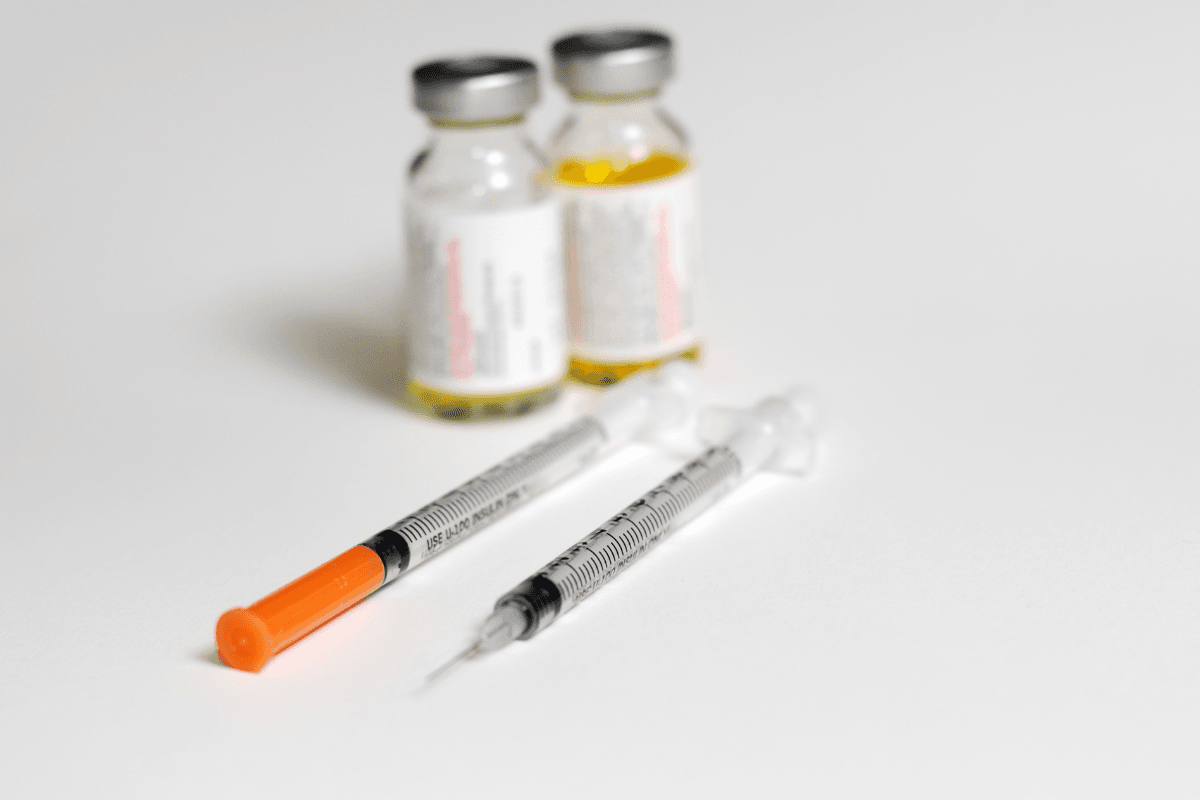
The NovoRapid insulin vial is a rapid-acting insulin aspart product used around meals to help manage after-meal blood glucose rises. It starts working quickly, so timing, food intake, storage, and injection technique all matter. This guide explains what the vial is, how it fits into diabetes care, and which safety points to review with your healthcare professional.
Vials can suit people who use syringes, caregivers who draw doses, or those who keep a vial as part of a backup plan. They also require careful handling. A small technique error can change the dose delivered, so it helps to understand the basics before each injection.
Key Takeaways
- Rapid action: NovoRapid contains insulin aspart, a mealtime insulin.
- Timing matters: doses are usually coordinated with food and glucose readings.
- Vial checks: use only clear, colorless solution without particles.
- Storage protects potency: follow labeled refrigeration and in-use instructions.
- Safety planning: know low blood sugar symptoms and when to seek urgent help.
What the NovoRapid Insulin Vial Is
The NovoRapid insulin vial contains insulin aspart, a rapid-acting insulin analog. In plain language, it is designed to work faster than regular human insulin. It is commonly used with meals, snacks that need coverage, or correction dosing when prescribed as part of a diabetes plan.
A common presentation is a 10 mL vial of U-100 insulin, meaning 100 units per mL. That equals 1,000 units in a 10 mL vial. Always confirm the concentration printed on your vial and use a matching insulin syringe. Using the wrong syringe can cause a serious dosing error.
Insulin aspart does not replace the full background insulin needs of many people. Some people use it with a separate basal insulin, while others use rapid-acting insulin in a pump under clinic direction. Your prescriber determines how it fits with your diabetes type, glucose patterns, meals, and other medicines.
Why it matters: Fast insulin can lower glucose quickly, so missed meals or delayed eating can raise hypoglycemia risk.
If you want broader context on insulin and other diabetes medicines, the Common Diabetes Medications resource explains major treatment classes in plain language.
How Rapid-Acting Insulin Aspart Works Around Meals
Rapid-acting insulin aspart helps move glucose from the bloodstream into cells after food raises blood sugar. Its action profile is meant to overlap with digestion, especially carbohydrate absorption. This is why the NovoRapid vial is usually discussed in relation to meal timing rather than once-daily background coverage.
Many official patient materials describe insulin aspart as starting to work within minutes, with its strongest effect later and a shorter overall duration than longer-acting insulins. Individual response can vary. Injection site, activity, illness, dose size, temperature, and meal composition can all affect glucose readings.
High-fat or very large meals may digest more slowly. Exercise may make insulin work more strongly for hours. Alcohol can increase the risk of low blood sugar, especially when food intake is reduced. These factors do not mean you should change doses on your own. They are reasons to share patterns with your care team.
Some readers compare rapid-acting choices because meal timing can feel different from person to person. For a related mealtime discussion, see Apidra and Mealtime Flexibility.
Meal Timing, Correction Doses, and Glucose Tracking
Mealtime insulin works best when its timing matches both the meal and the glucose trend. Many people are instructed to inject shortly before eating, but the exact timing can differ by person. Appetite uncertainty, delayed meals, gastroparesis (slow stomach emptying), or young children’s eating patterns may require individualized instructions.
A prescribed plan may include two parts: a carbohydrate dose and a correction dose. The carbohydrate part covers planned food. The correction part addresses glucose above the target range. These calculations should come from your clinician or diabetes educator, not from a general article.
Tracking helps make those instructions safer. Record the dose, meal carbohydrates, activity, glucose before eating, and glucose later. Continuous glucose monitor users can also review trend arrows and time in range. If you use both mg/dL and mmol/L values, unit conversion can prevent confusion when reading labels, logs, or clinic notes.
This calculator converts blood glucose values between mg/dL and mmol/L for general record review. It does not recommend insulin doses.
Blood Glucose Unit Converter
Convert glucose readings between mg/dL and mmol/L without changing the clinical value.
These calculations are for education only and do not replace clinical advice, diagnosis, or treatment. Always confirm medical decisions with a qualified healthcare professional.
Avoid “stacking” rapid-acting insulin unless your care team has taught you how to account for active insulin. Stacking means taking repeated correction doses too close together. It can lead to delayed low blood sugar when earlier insulin is still working.
For practical low-glucose planning, What to Do When Blood Sugar Is Low explains common symptoms and immediate safety steps.
How to Prepare and Use a Vial Safely
Safe vial use starts with inspection and clean technique. Wash your hands, check the label, confirm the insulin type, and inspect the solution. The liquid should be clear and colorless. Do not use it if you see cloudiness, clumps, crystals, discoloration, or particles.
Use a new sterile insulin syringe for each injection. Clean the rubber stopper as directed. Draw air into the syringe equal to the prescribed dose, inject the air into the vial, invert the vial, and draw the correct number of units. Check for air bubbles before injecting. If you are unsure how to remove bubbles without changing the dose, ask a pharmacist, nurse, or diabetes educator to demonstrate.
Rotate injection sites to reduce lipodystrophy, which means thickened or pitted fatty tissue under the skin. Common areas include the abdomen, thigh, upper arm, or buttock, depending on your care team’s instructions. Avoid injecting into scarred, bruised, tender, or hardened areas.
Quick tip: Keep a written injection checklist near supplies if more than one caregiver gives doses.
Vials require different steps than pens. If you are comparing formats, Insulin Pen vs Syringe outlines practical differences in handling and dose delivery. For pen technique basics, How to Use Insulin Pen may help you understand format-specific steps.
Storage, Travel, and In-Use Handling
Storage affects insulin potency. Unopened vials are usually kept refrigerated according to the product label. Once a vial is in use, the label may allow room-temperature storage for a limited period within specified temperature limits. Check the official patient leaflet or pharmacy label for the exact instructions that apply to your supply.
Do not freeze insulin. Do not use a vial that has frozen, overheated, or been left in direct sunlight. Heat can be a problem in cars, bags near windows, or pump reservoirs worn close to the body for long periods. If a vial has been exposed to extreme temperatures, ask a pharmacist before using it.
Travel planning should include extra syringes, a backup glucose meter or sensor supplies, fast-acting carbohydrate, and a way to keep insulin within safe temperature ranges. Keep insulin accessible during travel, not packed where temperatures may fluctuate. Security screening rules can vary, so carry prescription documentation when appropriate.
For vial-focused storage accessories and handling ideas, see Insulin Vial Accessories. If you are browsing diabetes supplies more broadly, the Diabetes Product Category lists related product types for comparison.
Side Effects, Interactions, and When to Get Help
The most important safety risk with any rapid-acting insulin is hypoglycemia, or low blood sugar. Symptoms can include shakiness, sweating, hunger, fast heartbeat, headache, blurred vision, mood changes, confusion, or weakness. Severe hypoglycemia can cause seizures, loss of consciousness, or inability to swallow safely.
Injection-site reactions can also occur. These may include redness, itching, swelling, bruising, or discomfort. Repeated injections into the same area can cause lipodystrophy, which may make insulin absorption less predictable. Rotating sites and checking the skin regularly can reduce this risk.
Allergic reactions are less common but can be serious. Seek urgent care for widespread rash, swelling of the face or throat, trouble breathing, fainting, or severe dizziness. Also seek urgent help for severe confusion, loss of consciousness, or low blood sugar that does not improve with your prescribed rescue plan.
Several medicines can change insulin needs. Steroids, some antipsychotics, certain diuretics, and some infection treatments may raise glucose. Alcohol, ACE inhibitors, salicylates, and some other medicines may increase low-glucose risk. This list is not complete. Review all prescription drugs, over-the-counter medicines, supplements, and alcohol use with your healthcare professional.
If low readings happen often, do not simply accept them as normal. Repeated lows can reduce warning symptoms over time. Share glucose logs with your clinician, especially if lows occur overnight, after exercise, after corrections, or when meals are delayed.
Vial, Penfill, Pump, and Alternative Rapid Insulins
The NovoRapid insulin vial is one delivery format, not the only option. Some people prefer vials because they use syringes, need caregiver administration, or keep vials for backup. Others prefer cartridges or prefilled pens because they are easier to carry and may reduce some drawing-up steps.
Penfill cartridges are designed for compatible pen devices, not for use like a standard vial unless a healthcare professional gives specific instructions. Pumps require separate compatibility checks, infusion-set changes, reservoir handling, and backup plans for pump failure. Follow both your clinic’s pump protocol and the device manufacturer’s instructions.
Rapid-acting alternatives include other insulin analogs, such as insulin lispro or insulin glulisine, and faster formulations in some settings. These products are not interchangeable without prescriber direction. Even when two insulins look similar, timing, labeling, device compatibility, and personal response may differ.
For a closely related vial option, the Humalog Vial page can help readers compare product formats. The NovoRapid Cartridge page is useful when discussing vial versus cartridge delivery with a clinician or pharmacist.
CanadianInsulin.com is a prescription referral platform. When a prescription is required, prescription details may need confirmation with the prescriber, while dispensing is handled by licensed third-party pharmacies where permitted.
Questions to Discuss With Your Care Team
Insulin plans work best when they are specific to your meals, schedule, and glucose data. Use the questions below as a discussion prompt, especially if you are starting an insulin aspart vial or changing delivery formats.
- Meal timing: when should the dose be taken relative to food?
- Correction rules: how should active insulin be considered?
- Low-glucose plan: what steps apply for mild and severe lows?
- Storage limits: when should an opened vial be discarded?
- Device backup: what should happen if a pump or pen fails?
- Travel routine: how should insulin be protected from heat or freezing?
People with pregnancy, kidney disease, frequent hypoglycemia, gastroparesis, eating disorders, or major changes in activity should review insulin instructions closely with their care team. These situations can affect glucose response and safety planning.
For broader education and browsing, the Diabetes Articles category collects related learning resources, while the Diabetes Condition hub helps readers navigate diabetes-related options.
Authoritative Sources
For official Canadian patient information, review the NovoRapid consumer information leaflet from the manufacturer.
For professional prescribing details, the UK medicines database provides the NovoRapid vial product characteristics.
For general insulin safety education, the American Diabetes Association explains insulin basics and safe use.
Recap
NovoRapid insulin aspart is a rapid-acting insulin used around meals and corrections when prescribed. The vial format can be flexible, but it requires careful dose drawing, clean technique, site rotation, and proper storage. Know the signs of low blood sugar, keep a plan for urgent situations, and review glucose patterns with your care team before making changes.
This content is for informational purposes only and is not a substitute for professional medical advice.