
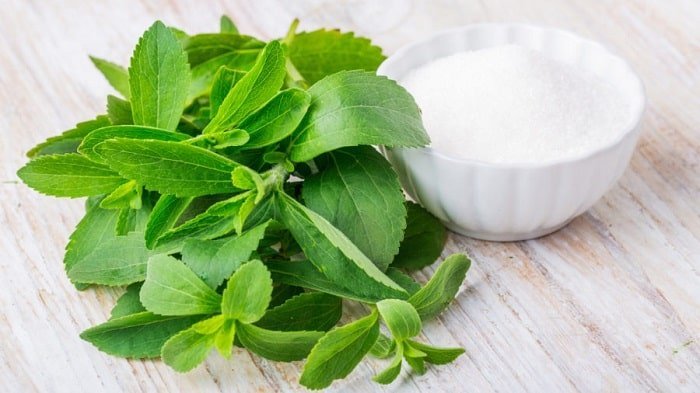
Stevia and diabetes can fit together safely for many people when stevia replaces added sugar rather than being used as a diabetes treatment. Pure, high-purity stevia extracts add sweetness with little to no digestible carbohydrate, so they are not expected to raise blood glucose directly. The important part is the product label. Some stevia packets, drinks, bars, desserts, and baking blends contain fillers or other ingredients that can add carbohydrate or cause digestive symptoms.
Key Takeaways
- Pure stevia usually adds sweetness without meaningful carbohydrate.
- Stevia is not a treatment for high blood sugar or diabetes.
- Packaged products may still contain starches, sugars, or fillers.
- A1C depends on overall glucose patterns, not one sweetener.
- Ask for individual guidance with pregnancy, kidney disease, lows, or medication changes.
How Stevia Fits Into Diabetes Care
Stevia is a non-nutritive sweetener, meaning it provides sweet taste with little or no usable calories in typical amounts. Food products usually use purified steviol glycosides from Stevia rebaudiana leaves. These compounds are much sweeter than table sugar, so only small amounts are needed.
For diabetes nutrition, the main benefit is substitution. If stevia replaces sugar in coffee, tea, yogurt, or a drink, that specific choice may contain less added sugar and fewer digestible carbohydrates. That can make post-meal glucose easier to predict. It does not mean stevia actively lowers glucose after a high reading.
The strongest way to think about stevia and diabetes is as a label-reading issue. A product can advertise stevia on the front while still using maltodextrin, dextrose, cane sugar, fruit juice concentrate, flour, or starch elsewhere. Those ingredients can change total carbohydrate. The nutrition facts panel matters more than the sweetener claim.
High-purity stevia sweeteners are widely permitted in foods in many countries. Whole-leaf stevia and crude extracts are different from purified steviol glycosides, and regulators do not treat every form the same way. If you use supplements or concentrated drops, check the ingredient list and avoid assuming that plant-derived always means risk-free.
Does Stevia Raise Blood Sugar or Insulin?
Pure stevia is not expected to raise blood sugar because it contains little digestible carbohydrate. Blood glucose usually rises after carbohydrate-containing foods are digested into glucose and absorbed. Purified stevia is not sugar, and typical serving amounts are small.
That answer changes when stevia appears inside a food with other carbohydrates. A stevia-sweetened cookie can still raise glucose because flour, starch, milk, fruit, or other ingredients may contribute carbohydrate. Drinks vary too. Unsweetened tea with stevia is different from a smoothie or coffee drink with milk, syrups, and toppings.
A1C, which reflects average glucose over about three months, will not change from stevia alone. It may improve, worsen, or stay the same depending on meals, portions, medicines, activity, sleep, illness, stress, and glucose monitoring patterns. Research has explored stevia blood sugar effects and lipid markers, but the evidence does not support using stevia as a diabetes treatment.
Insulin response is another area where headlines can be confusing. Some small studies look at gut hormones, appetite, or insulin after non-sugar sweeteners. Those signals do not always translate into meaningful glucose changes for one person. If you are comparing sweetener classes, Artificial Sweeteners and Insulin covers that question in more detail.
Stevia also cannot correct low blood sugar. If you have hypoglycemia, use the treatment plan your clinician gave you. Products sweetened only with stevia may not contain enough fast-acting carbohydrate to treat a low.
How to Read Stevia Labels Without Missing Carbs
Label reading is the practical skill that makes stevia safer to use with diabetes. Start with serving size, total carbohydrate, added sugars, and the ingredients list. In diabetes meal planning, total carbohydrate usually matters more for glucose than the sweetener name on the front label.
Stevia’s glycemic index is often listed as zero, but glycemic index mainly applies to foods that contain carbohydrate. A pure stevia extract has little usable carbohydrate. A packaged food sweetened with stevia may still affect glucose because of starch, flour, milk sugar, fruit, or other ingredients.
- Serving size: Check whether your usual portion is larger than listed.
- Total carbohydrate: Use this line for carb counting context.
- Added sugars: Look for sugar that remains despite stevia.
- Bulking agents: Watch for dextrose, maltodextrin, and starches.
- Sugar alcohols: Consider possible gas, bloating, or diarrhea.
Quick tip: Compare products by the amount you actually eat, not the smallest serving printed.
If you are deciding whether a stevia product meaningfully reduces added sugar, compare it with your usual serving. A product can be lower in sugar without being low in total carbohydrate. Broader sweetener context is covered in Artificial Sweeteners and Diabetes.
The calculator below can help estimate carbohydrate servings from total carbohydrate. It is a math aid for label review, not clinical advice.
Carb Serving Calculator
Convert total carbohydrate grams into carb choices for meal planning and diabetes education.
These calculations are for education only and do not replace clinical advice, diagnosis, or treatment. Always confirm medical decisions with a qualified healthcare professional.
This can be useful when a stevia product has multiple carbohydrate sources. It does not decide whether a food fits your personal meal plan.
Safety, Side Effects, and Who Should Be Cautious
High-purity stevia sweeteners are generally treated as acceptable food ingredients by major regulators when used within established limits. That does not make every stevia-containing product ideal for every person. Product form, dose, other ingredients, and personal tolerance still matter.
Some people dislike stevia because of its bitter or licorice-like aftertaste. Others prefer to reduce sweet taste overall, especially if sweet foods make cravings harder to manage. Those concerns are practical, not a sign that stevia is automatically dangerous for diabetes.
Side effects are usually digestive or tolerance-related. Drops and pure powders may be easier for some people to tolerate than foods that combine stevia with sugar alcohols. Blends that contain erythritol, xylitol, sorbitol, or maltitol may cause gas, bloating, loose stools, or stomach discomfort, especially in larger servings.
People who are pregnant, breastfeeding, managing gestational diabetes, or caring for a child with diabetes should ask a clinician or registered dietitian about sweetener use. The same is true if you have chronic kidney disease, gastroparesis (delayed stomach emptying), a history of eating disorders, or repeated unexplained glucose swings.
Why it matters: A sugar-free label can still fit poorly if the full food is high in starch or poorly tolerated.
If you use insulin or a sulfonylurea, replacing a sugary food with a no-carbohydrate sweetener may reduce carbohydrates in that meal or snack. That can matter if your medication plan assumes a certain carbohydrate intake. Do not change diabetes medication doses because of stevia without your prescriber’s guidance.
Stevia Compared With Sugar and Other Sweeteners
Stevia is one option among many sweeteners. The best choice depends on the food, portion, taste preference, digestive tolerance, and reason you are using it. For some people, stevia helps reduce added sugar. For others, smaller portions of regular sugar or less-sweet foods may work better.
Compared with table sugar, honey, or agave, pure stevia contributes little digestible carbohydrate in typical amounts. Sugar, honey, and agave contain carbohydrates that can raise glucose. That does not make them forbidden, but it means portion size and total carbohydrate need attention.
Compared with other high-intensity sweeteners, stevia mainly differs by taste, product form, and the ingredients used around it. If you are comparing common packet sweeteners or diet products, separate reviews of Sucralose and Diabetes and Aspartame and Diabetes may help you compare label issues. For a wider nutrition discussion, Healthiest Sweetener Choices explains why context matters.
No sweetener is universally best for everyone. The practical goal with stevia and diabetes is not to chase a perfect ingredient. It is to reduce added sugar where useful while keeping meals satisfying, balanced, and nutritionally adequate.
Where Stevia Fits in Everyday Eating
Stevia fits best when it supports a pattern you can maintain. That may mean sweetening coffee without sugar, reducing added sugar in oatmeal, or choosing a lower-sugar yogurt. It may also mean choosing less-sweet foods over time if sweet taste keeps cravings high for you.
Example: someone who replaces sweetened iced tea with unsweetened tea and stevia may lower added sugar from that drink. If dinner still contains a large portion of refined starch, the glucose log may show dinner as the bigger issue. The sweetener helped one choice, but it did not determine the whole day.
Packaged snacks, shakes, bars, and desserts need the same full-label review. Protein, fiber, fat, sugar alcohols, and serving size can all influence how filling a product feels and how it fits into a meal pattern. A snack sweetened with stevia can still be low in fiber or high in refined starch.
Readers who want broader condition navigation can browse the Diabetes Articles collection. The Diabetes Condition page is a browseable product-related condition listing, not a substitute for personal nutrition advice.
When to Ask for Individual Guidance
Ask a clinician or registered dietitian when sweetener changes intersect with medications, pregnancy, recurrent lows, kidney disease, gastroparesis, or disordered eating. These situations need individual planning because small dietary changes can affect safety, symptoms, or medication matching.
Repeated high readings also deserve review. Stevia may reduce sugar in one food, but persistent hyperglycemia can reflect illness, medication timing, carbohydrate patterns, stress, sleep, or other factors. Follow your diabetes care plan and ask your care team how to interpret your logs.
Seek urgent care for severe allergic symptoms, confusion, fainting, seizure, or low glucose that does not improve with your treatment plan. Stevia is not an emergency treatment and should not delay appropriate hypoglycemia or hyperglycemia care.
Authoritative Sources
The following sources support the safety and nutrition context used in this article.
- The FDA reviews high-intensity sweeteners, including permitted steviol glycosides in foods.
- The WHO explains non-sugar sweetener guidance, including limits around weight-control claims.
- The ADA consensus report reviews nutrition therapy for adults with diabetes or prediabetes.
Stevia can be a useful sugar substitute for many people with diabetes, but its value depends on the whole product and the whole meal. Choose approved forms, read total carbohydrate, watch tolerance, and use glucose patterns to guide questions for your care team.
This content is for informational purposes only and is not a substitute for professional medical advice.


