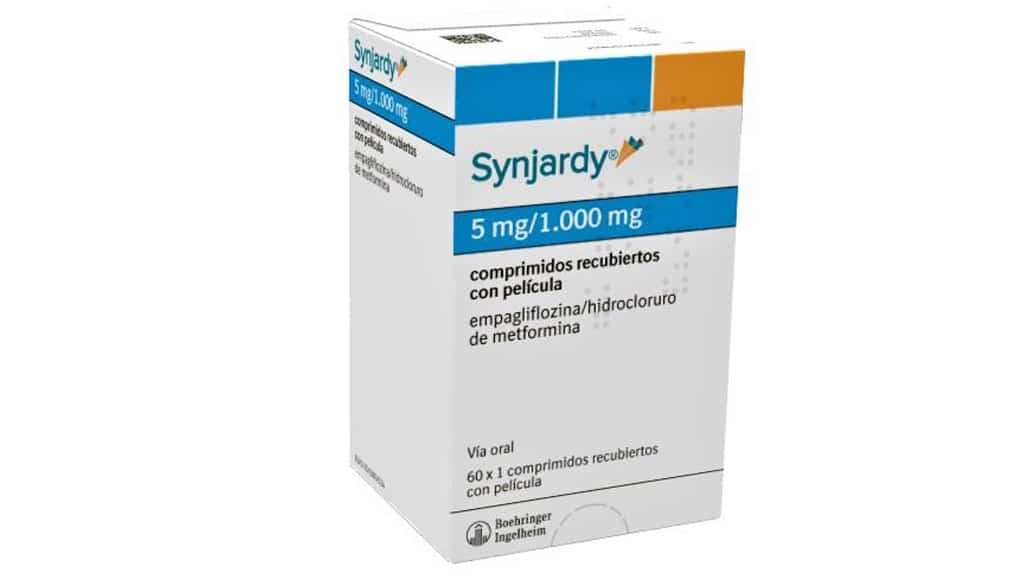
Synjardy uses include helping manage blood sugar in type 2 diabetes when diet, activity, and medication planning require a combined approach. It contains empagliflozin, an SGLT2 inhibitor, and metformin, a biguanide. Because it combines two active ingredients, safe use depends on kidney function, current medicines, hydration, and side effect risks.
This article explains where Synjardy fits in care, how dosing is usually individualized, and which side effects need prompt attention. It is educational only and does not replace the instructions on your prescription label.
Key Takeaways
- Synjardy combines empagliflozin and metformin for type 2 diabetes care.
- Synjardy dosage is individualized, often based on current therapy and kidney function.
- Common side effects can include stomach upset, urinary symptoms, and genital yeast infections.
- Serious warnings include lactic acidosis, ketoacidosis, dehydration, and severe infections.
- Synjardy uses should be reviewed with a clinician when illness, surgery, alcohol use, or pregnancy questions arise.
Synjardy Uses in Type 2 Diabetes Care
Synjardy is used with diet and exercise to improve blood sugar control in people with type 2 diabetes. It is not used to treat type 1 diabetes or diabetic ketoacidosis. Product labeling and age indications can vary by country, so the local label and prescriber instructions matter.
The safest way to think about Synjardy uses is as a combination strategy. One ingredient helps the kidneys remove more glucose through urine. The other reduces glucose production in the liver and improves how the body uses insulin. This can be useful when a single medicine is not enough, or when a clinician wants the benefits of two established diabetes drug classes in one tablet.
For broader context on the condition, the Type 2 Diabetes Hub organizes related resources by condition. If you want class-level background, SGLT2 Inhibitors Explained covers how these medicines work and why safety monitoring matters.
Why it matters: A combination tablet can simplify a regimen, but it also combines two sets of precautions.
How Empagliflozin and Metformin Work Together
Empagliflozin is an SGLT2 inhibitor. SGLT2 is a kidney transporter that normally pulls glucose back into the bloodstream. Blocking it lets more glucose leave the body in urine. This action can also increase urination, which is why hydration and dizziness symptoms matter.
Metformin is a biguanide. It mainly lowers how much glucose the liver releases and helps the body respond better to insulin. Many people know metformin as a first-line type 2 diabetes medicine, but it still has important cautions. Kidney function, stomach tolerance, and rare lactic acidosis risk all matter. You can read more background in this Metformin Comprehensive Guide.
The combination does not mean the medicine is automatically stronger or safer than separate tablets. It means the prescriber has chosen two mechanisms in one product. That choice depends on glucose patterns, other medicines, kidney health, cardiovascular history, cost access, and individual tolerability.
How Synjardy Dosage Is Individualized
Synjardy dosage is not a single universal number. Prescribers usually consider the person’s current empagliflozin or metformin regimen, kidney function, glucose goals, stomach tolerance, and risk of low blood sugar. The starting dose should follow the official product label and the prescriber’s instructions.
Immediate-release Synjardy is generally taken with meals. Synjardy XR is the extended-release form and is generally taken once daily with the morning meal. Extended-release tablets should be swallowed whole unless a pharmacist or prescriber gives label-based instructions. Do not crush, split, or chew an extended-release tablet unless the label specifically allows it.
| Dosing factor | Why it matters |
|---|---|
| Current medicines | Existing metformin, empagliflozin, insulin, or sulfonylurea therapy can affect the plan. |
| Kidney function | Clinicians use eGFR, or estimated kidney filtration rate, to judge safe use. |
| Stomach tolerance | Metformin can cause nausea, diarrhea, or abdominal discomfort, especially during changes. |
| Immediate-release or XR | The formulation affects timing, meal instructions, and how the tablet should be swallowed. |
| Illness or procedures | Vomiting, dehydration, surgery, fasting, or contrast imaging may require medical review. |
If a dose is missed, follow the medication guide or prescriber’s directions rather than doubling up. Medication timing questions are especially important when meals are irregular, alcohol intake changes, or other diabetes medicines increase hypoglycemia risk.
Side Effects: Common Problems and Serious Warnings
Synjardy side effects can come from either active ingredient. Many are manageable, but some need urgent medical review. New, severe, or persistent symptoms deserve attention, especially if they appear with dehydration, infection, breathing changes, or unusual fatigue.
Common side effects may include nausea, diarrhea, stomach discomfort, increased urination, urinary tract symptoms, and genital yeast infections. Stuffy or runny nose and sore throat are also listed in patient medication information. Low blood sugar, or hypoglycemia, is more likely when Synjardy is used with insulin or medicines that increase insulin release.
Genital yeast infections can occur in women and men, though women may notice symptoms such as vaginal itching, discharge, burning, or irritation. Urinary tract infection symptoms may include burning during urination, urgency, pelvic discomfort, fever, or back pain. A deeper article on Synjardy Side Effects explains symptom patterns and practical discussion points.
Serious warnings include metformin-associated lactic acidosis, ketoacidosis, severe urinary tract infection, dehydration with low blood pressure, kidney problems, and rare severe genital or perineal infections. Lactic acidosis means dangerous acid buildup in the blood. Ketoacidosis means acid buildup related to ketones, and it can sometimes occur even when glucose is not extremely high.
- Possible lactic acidosis: unusual sleepiness, weakness, muscle pain, slow breathing, or feeling cold.
- Possible ketoacidosis: nausea, vomiting, abdominal pain, fast breathing, confusion, or fruity breath.
- Possible dehydration: dizziness, fainting, very low fluid intake, or severe vomiting.
- Possible severe infection: fever, worsening pain, swelling, redness, or feeling very unwell.
Metformin’s lactic acidosis warning is rare but important. Risk can rise with significant kidney impairment, heavy alcohol use, dehydration, severe infection, liver problems, or certain medical procedures. This Metformin Lactic Acidosis Risks resource explains the warning in more detail.
Alcohol, Illness, and Other Safety Cautions
Alcohol can complicate Synjardy safety because it may increase dehydration risk and can affect glucose patterns. Heavy or binge drinking is also a concern with metformin because of lactic acidosis risk. People who drink alcohol should discuss safe limits with their clinician, especially if they have kidney, liver, or heart concerns.
Acute illness can change how diabetes medicines behave. Vomiting, diarrhea, fever, poor intake, or dehydration can increase risk from both ingredients. A prescriber may give separate sick-day instructions for diabetes medicines, glucose checks, fluids, and when to seek care. Do not stop or restart prescription medicines based only on general information online.
Surgery, prolonged fasting, and some imaging procedures can also require planning. Tell the healthcare team that you take an empagliflozin and metformin combination before procedures. This helps them consider kidney function, ketoacidosis risk, contrast exposure, and temporary medication instructions when needed.
Pregnancy, breastfeeding, recurrent genital infections, recurrent urinary infections, kidney disease, liver disease, and low blood pressure history all deserve careful review. Older adults may also be more sensitive to dehydration or kidney-related changes. These factors do not always rule out therapy, but they can change monitoring and risk discussions.
Weight, Monitoring, and Daily Use Questions
Some people notice weight changes while taking empagliflozin-containing medicines, but Synjardy is not a weight-loss medication. Weight can shift for many reasons, including glucose control, fluid balance, eating patterns, other medications, and illness. A related discussion on Synjardy Weight Loss explains why this topic needs context.
Monitoring usually includes blood glucose trends, A1C, kidney function, and side effects. Some people may also need vitamin B12 monitoring with long-term metformin use, especially if symptoms of deficiency appear. Home glucose readings should be interpreted with the care plan, not in isolation.
If your records mix mmol/L and mg/dL, a glucose converter can help compare units clearly. It does not interpret results or replace medical guidance.
Blood Glucose Unit Converter
Convert glucose readings between mg/dL and mmol/L without changing the clinical value.
These calculations are for education only and do not replace clinical advice, diagnosis, or treatment. Always confirm medical decisions with a qualified healthcare professional.
Quick tip: Bring glucose logs, symptom notes, and your full medication list to appointments.
Seek urgent care for symptoms of ketoacidosis, lactic acidosis, severe dehydration, severe allergic reaction, or a rapidly worsening infection. For less urgent but persistent side effects, contact the prescribing clinician or pharmacist before changing how you take the medicine.
How Synjardy Compares With Nearby Diabetes Options
Synjardy is not the same as metformin alone. Metformin contains one active ingredient, while Synjardy combines metformin with empagliflozin. That difference can affect benefits, risks, monitoring, and cost access. It can also affect whether a person should continue separate diabetes medicines.
Synjardy is also one of several combination medicines for type 2 diabetes. Some combine metformin with an SGLT2 inhibitor. Others combine metformin with a DPP-4 inhibitor or another class. The best comparison depends on kidney function, heart and kidney history, hypoglycemia risk, side effect tolerance, and treatment goals. This overview of Diabetes Medication Combinations gives useful background.
When comparing options, avoid judging by one feature alone. A medicine that fits one person may not fit another. Practical differences include tablet timing, meal requirements, side effect profile, kidney thresholds, and interaction with insulin or sulfonylureas.
Preparing for a Safe Medication Review
A good medication review focuses on fit, safety, and clear instructions. Before starting or refilling Synjardy, it can help to confirm the exact product name, formulation, tablet directions, and which medicines it replaces or adds to.
- Confirm the formulation: immediate-release or extended-release.
- Review kidney tests: ask how eGFR affects use.
- List all medicines: include insulin, diuretics, and supplements.
- Discuss infection history: mention recurrent urinary or genital infections.
- Ask about sick days: clarify vomiting, fasting, and dehydration plans.
- Check warning symptoms: know when urgent care is needed.
If you are reviewing access details, Synjardy Product Details can help you identify the specific item page. CanadianInsulin.com is a prescription referral platform, not a prescriber. Dispensing, where permitted, is handled by licensed third-party pharmacies.
Authoritative Sources
The following sources support the safety, labeling, and diabetes-care context discussed above.
- DailyMed prescribing information for Synjardy and Synjardy XR
- FDA safety communication on SGLT2 inhibitor warnings
- American Diabetes Association Standards of Care in Diabetes
Synjardy uses, dosing, and side effects are best understood together. The combination can be useful in type 2 diabetes care, but it requires attention to kidney function, hydration, infections, alcohol use, and other medicines.
This content is for informational purposes only and is not a substitute for professional medical advice.