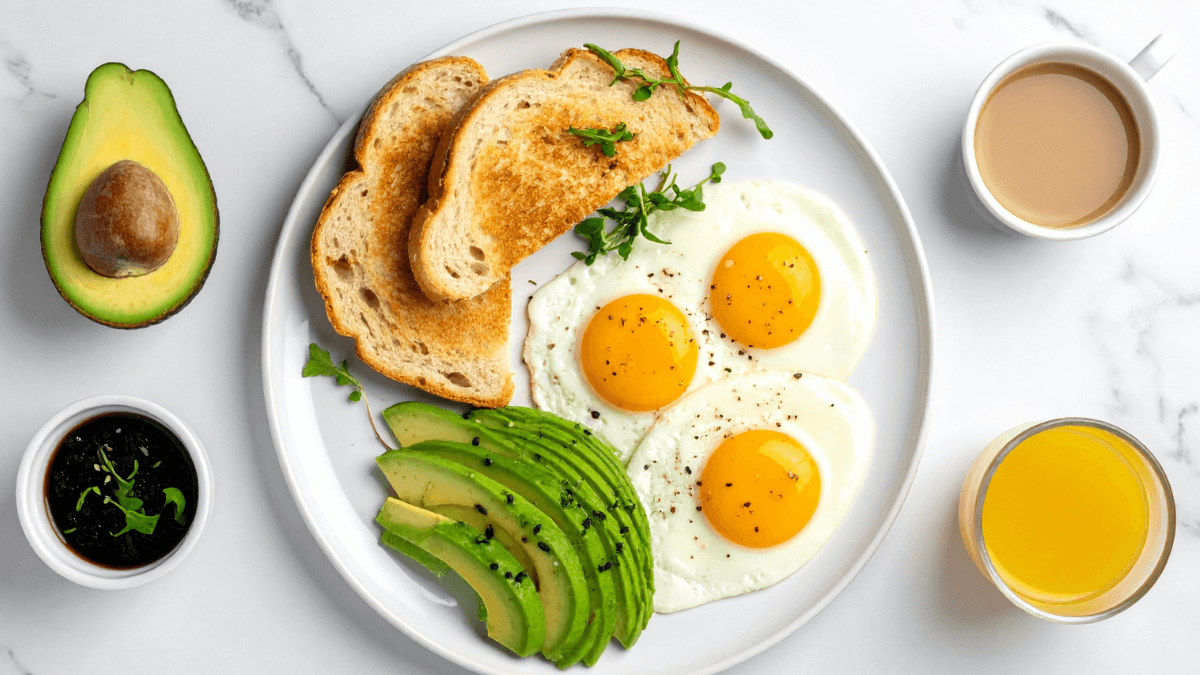
The most useful type 2 diabetes breakfast ideas combine protein, fiber-rich carbohydrates, healthy fats, and portions that match your routine. There is no single best breakfast for every person with type 2 diabetes. Morning glucose can vary with sleep, stress, medicine timing, activity, and what you ate the night before. A practical breakfast should be filling, repeatable, and easy to adjust after you see how your body responds.
Why it matters: Breakfast can shape hunger, energy, and early-day glucose patterns.
Key Takeaways
- Build breakfast around protein, fiber, and measured carbohydrates.
- Use glucose patterns, appetite, medicines, and activity to guide portions.
- Eggs, yogurt, oats, beans, tofu, fruit, and whole grains can all fit.
- Limit sweet drinks, pastries, and large refined-carbohydrate portions.
- Ask a clinician or registered dietitian about repeated highs, lows, or major diet changes.
What Makes Breakfast Work With Type 2 Diabetes?
A diabetes-friendly breakfast usually works best when it slows digestion and avoids a large refined-carbohydrate load by itself. That does not mean breakfast must be very low carb. It means the carbohydrate source matters, the portion matters, and the foods around it matter too.
Protein can make breakfast more satisfying. Fiber-rich carbohydrates, such as oats, beans, berries, and whole-grain bread, often provide more staying power than sugary cereal, juice, or pastries. Unsaturated fats from avocado, nuts, seeds, or olive oil can add satisfaction when portions stay reasonable.
A simple pattern can help: choose one protein, one high-fiber carbohydrate, and one produce or healthy-fat add-on. Then review your response. If you monitor glucose at home, your own readings can show whether a meal needs a smaller portion, more protein, more fiber, or a different carbohydrate source. For a broader look at food choices, see Good Carbs For Diabetics.
Breakfast is also personal. Some people wake up hungry. Others feel better with a smaller meal. Some medicines make meal timing more important. If you use insulin or a medicine that can cause low blood sugar, skipping or delaying breakfast may need specific guidance from your care team.
Simple Breakfast Templates for Different Mornings
The best breakfast is one you can repeat without making mornings harder. Use type 2 diabetes breakfast ideas as flexible templates, not rigid rules. Swap foods based on culture, budget, appetite, and glucose response.
- Egg plate: Eggs with spinach, tomatoes, and one slice of whole-grain toast.
- Greek yogurt bowl: Plain Greek yogurt with berries, chia seeds, and a small oat portion.
- Oatmeal bowl: Rolled or steel-cut oats with cinnamon, nut butter, and berries.
- Bean toast: Whole-grain toast with mashed beans, avocado, salsa, or vegetables.
- Tofu scramble: Tofu with peppers, onions, greens, and a measured fruit or grain side.
- Cottage cheese plate: Cottage cheese with berries, cucumber, nuts, or seeded crackers.
- Breakfast wrap: A small whole-grain tortilla with egg, beans, vegetables, and salsa.
- On-the-go pack: Plain yogurt, nuts, and fruit packed in separate portions.
For more meal examples that follow the same balanced structure, you may find Breakfast Ideas For Diabetics useful. Keep the focus on meal structure rather than a fixed food list.
For Indian vegetarian breakfasts, the same principles still apply. Moong dal chilla, besan chilla, vegetable upma with added protein, or idli with sambar may fit some plans when portions are considered. Pair starchier foods with protein-rich dal, yogurt, tofu, paneer, eggs if eaten, or extra vegetables. The key is not the cuisine. It is the balance of carbohydrate, protein, fiber, and portion size.
If mornings are rushed, keep two fallback meals available. One can be refrigerated, such as plain yogurt with berries. The other can be shelf-stable, such as nuts with a measured whole-grain cracker portion. This reduces the chance of grabbing sweet drinks, pastries, or oversized portions because there is no plan.
Eggs, Yogurt, Oats, and Bread: How to Choose
Common breakfast foods can fit type 2 diabetes when they are prepared and portioned thoughtfully. The same food can affect glucose differently depending on toppings, sides, and serving size.
Eggs and savory plates
Eggs provide protein and can be prepared without added sugar. Boiled, poached, baked, or scrambled eggs with vegetables are simple options. If you cook eggs in a pan, use modest amounts of oil and limit frequent pairings with processed meats. Egg bites can also work as a make-ahead option when they use eggs, vegetables, and a modest protein or cheese choice.
For a simple breakfast for diabetics with eggs, add vegetables and one measured carbohydrate if it fits your plan. Examples include eggs with a small slice of whole-grain toast, an egg-and-bean wrap, or an omelet with berries on the side. Avoid turning the plate into a large serving of potatoes, white toast, and processed meat.
Yogurt and dairy choices
Plain yogurt is often more flexible than flavored yogurt because you control the toppings. Greek yogurt usually has more protein than many regular yogurts, but labels vary. Check total carbohydrate, added sugars, protein, and serving size. For label-reading details, see Best Yogurt For Diabetics.
A yogurt bowl can become high in carbohydrate if it includes sweetened granola, honey, dried fruit, and a large banana together. Try one main carbohydrate source, then add protein or fat from yogurt, nuts, seeds, or nut butter.
Oats, toast, and grains
Oats can be a useful breakfast grain, especially when portions are measured and toppings are not sugar-heavy. Rolled or steel-cut oats are often easier to adapt than instant sweetened packets. Add cinnamon, berries, nuts, or seeds for flavor and texture. For a deeper look at portions and preparation, see Oatmeal And Diabetes.
Bread choices also vary widely. Whole-grain or seeded bread may provide more fiber than white bread, but serving size still matters. If toast is part of breakfast, pair it with eggs, nut butter, avocado, cottage cheese, or beans rather than eating several slices alone. This Best Bread For Diabetics resource explains bread choices in more detail.
Fruit can fit into breakfast, but juice is different from whole fruit. Whole fruit provides chewing, volume, and fiber. Juice can deliver a larger carbohydrate amount quickly. Berries, apples, citrus, and other whole fruits may fit many plans when portioned.
Carbs, Labels, and Glucose Checks
Carbohydrate awareness helps because carbohydrate-containing foods often have the strongest short-term effect on post-meal glucose. This does not make carbohydrates bad. It makes portions, fiber, pairing, and timing important.
Start with the nutrition label when one is available. Check serving size first. Then review total carbohydrate, fiber, added sugars, and protein. A cereal that looks reasonable per small serving may become a high-carbohydrate meal if the bowl is large and milk, fruit, and sweetener are added.
The calculator below can help estimate carbohydrate servings when you know the total carbohydrate and the serving target your care team uses. It is a math aid only, not a personalised meal plan.
Carb Serving Calculator
Convert total carbohydrate grams into carb choices for meal planning and diabetes education.
These calculations are for education only and do not replace clinical advice, diagnosis, or treatment. Always confirm medical decisions with a qualified healthcare professional.
Home glucose checks can also help you compare meals. Some people use fingerstick testing. Others use continuous glucose monitoring. If you test, follow the schedule your clinician recommended. Look for patterns rather than judging one reading in isolation. Sleep, illness, stress, menstrual cycles, medications, and activity can all affect numbers.
Quick tip: Change one breakfast variable at a time so patterns are easier to interpret.
If a usual meal repeatedly leads to higher-than-expected readings, consider what changed. The portion may be larger than assumed. The carbohydrate may be more refined. The meal may be missing protein or fiber. The reading may also reflect overnight glucose changes, not breakfast alone.
If you use test strips or a glucose meter, follow the instructions from the device maker and your care team. Product pages such as OneTouch Verio Test Strips or Contour Next Meter can be useful for identifying item details, but they should not replace clinical guidance on testing frequency or targets.
Breakfast for Weight Goals, Activity, and Medicines
Breakfast can support weight goals when it helps control hunger and reduces unplanned snacking later. It does not need to be restrictive. A filling meal with protein, fiber, and measured carbohydrates is often more sustainable than skipping food and overeating later.
Some readers look for a simple breakfast for diabetics to lose weight. A practical plate might include eggs or tofu, non-starchy vegetables, and one measured carbohydrate. Another option is plain Greek yogurt with berries and seeds. The goal is not to find the lowest-calorie meal possible. The goal is to build a meal that supports your plan, protects nutrition, and keeps hunger manageable.
For weight management, watch calorie-dense extras. Nuts, seeds, avocado, cheese, and oils can be nutritious, but portions add up. Use them intentionally. A small amount may add satisfaction. A large handful of nuts, heavy pour of oil, or oversized cheese portion may change the meal quickly.
Activity also affects breakfast decisions. A short walk after eating may affect glucose differently than a sedentary morning. A workout before breakfast may change appetite and glucose patterns. If you use insulin or medicines that can cause hypoglycemia, ask your care team how activity and meal timing should fit together.
Medicines can change the breakfast conversation. Many metformin prescriptions are taken with food to reduce stomach upset, but directions vary by product and person. Follow your own prescription label. Do not change timing, skip doses, or adjust medicines because of a breakfast plan without medical guidance.
If you use insulin or medicines that increase insulin release, meal timing and carbohydrate consistency may matter more. Repeated low blood sugar, overnight lows, or lows after breakfast should be reviewed with your clinician. This is especially important if you are changing carbohydrate intake, activity, alcohol use, or weight-loss efforts.
Make-Ahead Breakfasts Without Overcomplicating It
Make-ahead breakfasts work best when they reduce decisions, not when they create a second job. Choose two or three repeatable meals for the week and keep the ingredients visible.
- Batch protein: Boil eggs, bake tofu, or portion cottage cheese.
- Prep produce: Wash berries, slice peppers, or portion greens.
- Measure grains: Portion oats, bread, tortillas, or crackers ahead.
- Limit sweet toppings: Keep syrup, sweet granola, and juice occasional.
- Pack backups: Combine nuts, fruit, and yogurt for rushed mornings.
- Plan drinks: Choose water, unsweetened tea, or coffee without sugary add-ins.
High-protein breakfast ideas for diabetics do not need to be complicated. Eggs, tofu, cottage cheese, plain Greek yogurt, beans, fish, or lean poultry can all contribute protein, depending on preferences and dietary needs. If you follow a vegetarian pattern, combine legumes, dairy, tofu, paneer, nuts, seeds, and whole grains in portions that fit your plan.
Coffee can fit many breakfast routines, but sweetened coffee drinks can contain significant carbohydrate. Creamers, syrups, whipped toppings, and large servings change the meal. If coffee affects appetite, sleep, or glucose checks, review the pattern with your care team.
Make-ahead meals should still be adjusted for medical needs. People with kidney disease, pregnancy, gastroparesis, eating disorders, frequent hypoglycemia, or complex medication schedules should ask a clinician or registered dietitian before making major carbohydrate or protein changes.
How to Personalize Type 2 Diabetes Breakfast Ideas
The most useful type 2 diabetes breakfast ideas are flexible. A breakfast can be quick, culturally familiar, budget-conscious, and still balanced. Start with one meal you already like. Add protein if it is missing. Add fiber if the meal feels too refined. Adjust the carbohydrate portion if your readings suggest it is needed.
It may help to compare breakfasts over several similar mornings. Keep the rest of the routine as consistent as possible. Note the meal, portion, medicine timing, activity, and glucose pattern if you monitor at home. This can give your clinician or dietitian better information than a general list of “good” and “bad” foods.
If you want broader condition navigation, the Type 2 Diabetes article category groups related educational topics. The Type 2 Diabetes condition page is a browseable collection for related products and access context, not a substitute for medical advice.
Authoritative Sources
- For broad meal-planning guidance, the American Diabetes Association food and nutrition guidance discusses eating patterns for people living with diabetes.
- For healthy eating basics, the CDC healthy eating with diabetes resource explains practical food planning considerations.
- For diet, activity, and self-management context, the NIDDK healthy living with diabetes guide reviews nutrition and activity considerations.
Use general resources as starting points, then personalize choices with your care team. Breakfast should support your nutrition needs, medication plan, and glucose goals without making mornings harder.
This content is for informational purposes only and is not a substitute for professional medical advice.