
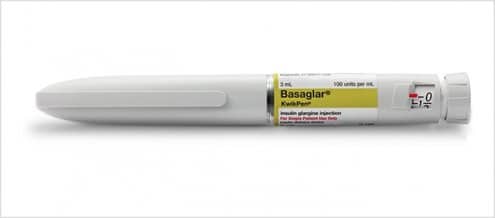
This guide explains how the basaglar kwikpen works, how to use it safely, and what to watch for day to day. It blends clinical details with plain-language steps so you can discuss a practical plan with your healthcare provider.
Key Takeaways
- Steady background insulin: Long-acting insulin glargine helps control fasting glucose.
- Once-daily use: Dose timing can remain consistent each day if prescribed.
- Safe handling matters: Storage, needle choice, and rotation reduce problems.
- Know warning signs: Low blood sugar and site reactions need quick attention.
What Is Basaglar KwikPen?
Basaglar is insulin glargine, a long-acting basal insulin (background insulin) designed to release slowly over 24 hours. The pen device delivers small, precise unit adjustments to support stable fasting glucose. Clinically, insulin glargine helps reduce hepatic glucose output overnight and between meals.
Regulators authorize insulin glargine for type 1 diabetes (with mealtime insulin) and for type 2 diabetes as a standalone basal. Basaglar is a follow-on insulin glargine formulation. It is typically dosed once daily at a consistent time when prescribed. For indications, safety, and device specifics, see the Basaglar prescribing information from the manufacturer and FDA labeling for authoritative detail Basaglar prescribing information and the FDA’s archived label FDA label for insulin glargine.
How It Works and Who Should Use It
Insulin glargine forms microprecipitates after injection into subcutaneous tissue. These dissolve slowly, releasing insulin at a near-constant rate. The flatter profile aims to limit peaks and valleys in background insulin coverage, which can help minimize overnight highs and early-morning rises.
Clinicians commonly prescribe basal insulin for adults with type 2 diabetes who need additional fasting glucose control, and for people with type 1 diabetes alongside rapid-acting doses at meals. For broader therapy context and when basal insulin is introduced in treatment plans, the ADA’s annual guidance offers detail ADA insulin therapy standards. For high-level comparisons among basal options, you can review long-acting alternatives like Biosimilar Insulin to understand where follow-on insulins fit.
Dosing and Administration Basics
Basal insulin dosing is individualized by a clinician based on glucose patterns, hypoglycemia risk, and concurrent therapies. The labeled strength for this pen is basaglar kwikpen 100 unit ml, which means 100 units per milliliter. Typical pens contain 3 mL of solution, allowing dose-by-dose adjustments in single units.
Never mix insulin glargine with other insulins in the same syringe, and do not use it in an insulin pump unless specifically instructed. When dose changes are considered, clinicians often review fasting logs, night-time readings, and hypoglycemia episodes. For background on converting between basal insulins, see this practical overview of Insulin Conversions to understand principles your provider may apply.
Titration and Adjustments
Healthcare providers may adjust basal insulin gradually to reach targets while limiting low blood sugar events. Patterns across several days generally guide decisions, not single readings. Illness, activity changes, and other medications can alter needs; report these changes to your care team promptly.
Document morning and bedtime readings consistently, and note any symptoms of hypoglycemia (low blood sugar), such as shakiness, sweating, or confusion. For device-specific nuances and cartridge-based formats, see this overview of the Basaglar Cartridge, which explains formulation and handling considerations.
Step-by-Step Use of the Pen
A consistent routine supports safer use. Wash hands, inspect the pen, and confirm the right insulin and strength. Attach a new sterile pen needle, prime according to the device instructions, dial the prescribed dose, and inject into subcutaneous tissue (abdomen, thigh, or upper arm) as directed by your clinician.
Rotate sites within the same region to reduce lipodystrophy (fatty tissue changes). Hold the needle in place for the recommended count before removing. If you need a visual walk-through, ask your care team for a manufacturer demo; many patients prefer a guided approach rather than searching for a how to use resources. If you are seeking structured steps, discuss basaglar kwikpen how to use with a diabetes educator and align the technique with your care plan. For safe storage before and after use, review key thresholds in Insulin Storage Temperature so the pen stays within labeled ranges.
Side Effects and Safety Monitoring
The most common risks include hypoglycemia, injection site reactions, and weight changes. Symptoms of low blood sugar include shakiness, sweating, fast heartbeat, and dizziness; severe lows can cause confusion or seizures. Skin reactions may involve redness, itching, or thickening of tissue with repeated injections at the same spot.
Call your healthcare provider if you experience recurrent lows, pervasive site irritation, or signs of allergy such as widespread rash or swelling. Some medicines alter insulin needs, so inform your clinician about all prescriptions and supplements. For practical strategies to minimize problems, see Managing Basaglar Side Effects, which compiles tactics patients and clinicians commonly use. To keep terminology aligned, this section focuses on basaglar side effects as defined in official labeling.
Pen Specs, Units, and Supplies
Each pen typically holds 3 mL at 100 units/mL, giving a total of 300 units. Many packages include five pens per box, though pack sizes can vary by market. Patients often ask how many units in basaglar kwikpen; the answer is 300 units per individual pen, allowing flexible daily dosing under a clinician’s direction.
Pen needles are not usually included with the device. Standard pen needles range from 4 mm to 8 mm; your clinician or pharmacist can help select an appropriate length and gauge. For a brief overview of costs and supply planning, see Basaglar Insulin Price, which outlines variables affecting overall expense. If you need compatible alternatives locally, options such as Humulin N KwikPen and Humalog KwikPen show how pen formats differ by insulin type.
Names, Strength, and Interchangeability
Patients often search for basaglar generic name. The active ingredient is insulin glargine, which is a long-acting analog insulin. Basaglar is the brand name; formulation, device, and support materials distinguish it from other glargine products.
Basaglar is a follow-on to another insulin glargine product and does not carry an FDA “interchangeable” biosimilar designation. Pharmacist-level substitution rules vary by jurisdiction; prescriber direction is typically required. For a practical overview of naming and alternatives, see this guide on Basaglar Generic Name, which explains how brand and nonproprietary names appear on labels.
Comparing Long-Acting Options
Insulin glargine and other basal insulins share a goal: stable 24-hour background coverage. Differences arise in device ergonomics, concentration, and dose limits per injection. In practice, clinicians consider prior response, hypoglycemia history, and patient preference when choosing a basal insulin.
If you are researching alternatives, basaglar vs lantus is a common head-to-head comparison for insulin glargine products; see this detailed breakdown in Basaglar vs Lantus. You can also compare across classes, such as Toujeo DoubleStar Pen for concentrated glargine and Tresiba FlexTouch Pens for ultra-long coverage, to understand how duration and dosing flexibility differ. For another analog option, review Basaglar vs Levemir to see how detemir compares in action profile. If your clinician discusses adjusting therapy, device capacity and format, including options like Lantus SoloStar Pens, may influence day-to-day convenience.
Practical Handling: Storage, Needles, Disposal
Keep unused pens refrigerated within labeled temperature limits. In-use pens can generally be kept at room temperature within packaging guidance, away from heat and direct light. Never freeze insulin, and do not use a pen that has been frozen or overheated. For thresholds and timing, see this concise reference on Insulin Storage Temperature, which outlines acceptable ranges and duration.
Use a new needle for every injection to reduce contamination and tissue trauma. Dispose of used needles in an approved sharps container per local regulations. If you need replacement basal options or cartridges, compare formats like Levemir Penfill Cartridges and Novolin ge NPH Cartridge to understand device compatibility and storage needs.
Cost and Access Considerations
Overall costs vary by dosage, pens per month, and insurance coverage. Co-pays, manufacturer programs, and pharmacy supply chains can also influence total spend. Keep track of how many units you use weekly to estimate when refills are needed. Some patients coordinate renewals around travel or seasonal routines to avoid gaps.
For a deeper look at price drivers—such as formulation, supply availability, and brand-versus-alternative dynamics—see Basaglar Insulin Price. For technique refreshers and daily management tips, this focused article, Basaglar KwikPen Managing, explains practical routines and tracking approaches.
Recap
Insulin glargine pens provide steady background insulin to support fasting control. Strong habits—correct storage, needle choice, site rotation, and record-keeping—help reduce problems. If glucose patterns change, discuss adjustments with your clinician before altering doses. Comparing basal options can clarify features that match your day-to-day needs.
Note: Always confirm the insulin name, strength, and dose before injecting. When in doubt, pause and consult your healthcare team or pharmacist.
This content is for informational purposes only and is not a substitute for professional medical advice.


