
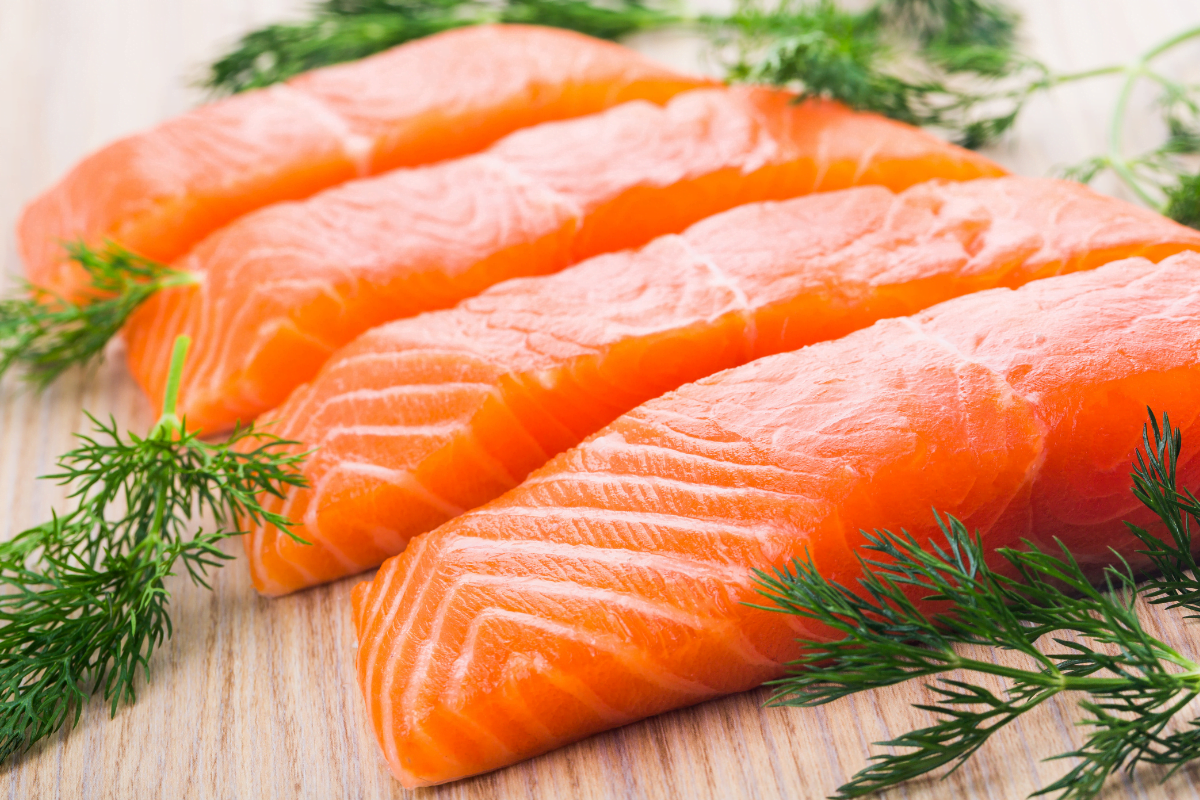
The best fish for diabetes are usually plain, minimally processed seafood choices such as salmon, trout, sardines, tuna, cod, tilapia, catfish, shrimp, and crab. Seafood itself is usually low in carbohydrate, so the bigger issue is often how it is cooked and what comes with it.
This matters because breading, fries, sweet sauces, salty seasoning blends, and oversized portions of rice or potatoes can change a healthy-looking seafood meal. If you are building a broader eating pattern, this article pairs well with a practical Diabetes Diet approach.
Key Takeaways
- Plain fish is low in carbohydrate and can fit many diabetes meal plans.
- Fatty fish offer omega-3 fats, while white fish provides lean protein.
- Fried, breaded, sauced, or high-sodium seafood needs more caution.
- Tuna, shrimp, tilapia, catfish, sardines, and crab can all fit when prepared simply.
- Mercury, kidney disease, pregnancy, gout, and medications can change the best choice.
Choosing the Best Fish for Diabetes
Choosing the best fish for diabetes means looking beyond the species name. A useful seafood choice is usually rich in protein, low in added carbohydrate, modest in sodium, and prepared with unsaturated fats instead of heavy breading or creamy sauces.
Fatty fish such as salmon, trout, sardines, and mackerel contain omega-3 fats, which are often discussed for heart health. White fish such as cod, haddock, tilapia, and catfish are typically leaner. Shellfish such as shrimp and crab can also fit, but sauces and seasoning blends often add sodium or sugar.
| Seafood Choice | Why It Can Fit | Watch For |
|---|---|---|
| Salmon or trout | Rich in protein and omega-3 fats | Sweet glazes and large portions of sauce |
| Sardines | Nutrient-dense and often convenient canned | Higher sodium in many canned versions |
| Tuna | Lean protein and easy meal prep | Mercury exposure, especially with frequent albacore tuna |
| Cod or haddock | Mild, lean, and easy to bake | Often served battered or with fries |
| Tilapia | Low in carbohydrate and widely available | Less omega-3 fat than oily fish |
| Catfish | Can be a lean protein when grilled or baked | Frequently served fried or heavily breaded |
| Shrimp | Low in carbohydrate and quick to cook | Cocktail sauce, breading, and high-sodium boils |
| Crab or lobster | Low-carbohydrate protein choices | Butter dips, salty seasonings, and allergies |
Why it matters: The healthiest seafood choice can become less helpful when the meal is mostly breading, fries, or sweet sauce.
Tuna, Shrimp, and Shellfish Questions
Tuna, shrimp, crab, and seafood boils can fit diabetes meal planning, but details matter. These foods are usually low in carbohydrate, yet preparation can change sodium, saturated fat, mercury exposure, and total meal balance.
Tuna
Tuna can be a reasonable choice for many people with diabetes because it provides protein without adding carbohydrate. Canned light tuna is generally lower in mercury than albacore, but frequent tuna meals still deserve attention. People who are pregnant, planning pregnancy, breastfeeding, or feeding children should follow specific fish guidance from public health authorities.
Tuna with mayonnaise is not automatically off-limits. The main considerations are portion size, the type and amount of mayonnaise, added sugar in relish, and what you eat with it. A tuna sandwich on large white bread behaves very differently from tuna served with vegetables and a measured whole-grain portion.
Shrimp and Crab
Shrimp is usually low in carbohydrate and can work well when grilled, boiled, sautéed, or added to salads. The concerns are more often breading, sweet chili sauce, cocktail sauce, butter-heavy preparations, and very salty seasoning mixes. People with shellfish allergy should avoid it entirely.
Crab can also fit, especially when served simply. Seafood boils need closer review because they often include sausage, butter, potatoes, corn, and high-sodium spice blends. Those additions can matter more for blood pressure and glucose response than the crab or shrimp itself.
Fish Compared With Chicken
Fish and chicken can both be lean protein choices. One is not automatically better for diabetes. Fish adds variety and may provide omega-3 fats, while skinless chicken can be simple and lower in fat. The better meal is usually the one with fewer added refined carbohydrates, less sodium, and a balanced plate.
Seafood That Deserves More Caution
No seafood is automatically bad for every person with diabetes. Still, some choices are harder to fit because they add refined carbohydrate, excess sodium, saturated fat, or food safety risk.
- Fried fish: Breading adds carbohydrate and frying adds fat.
- Fish and chips: Fries and batter can dominate the meal.
- Fried shrimp: Small pieces often carry a lot of coating.
- Sweet sauces: Glazes, teriyaki, and sweet chili can add sugar.
- Smoked fish: Many products are high in sodium.
- High-mercury fish: Shark, swordfish, king mackerel, marlin, orange roughy, bigeye tuna, and tilefish need special caution.
Frying fish in olive oil does not make fried fish equivalent to baked or grilled fish. Olive oil can be a useful unsaturated fat, but high-heat frying still adds calories and the breading still adds carbohydrate. If you enjoy fried fish, smaller portions and less frequent meals may be easier to fit than making it a routine choice.
Cooking Seafood in a Diabetes-Friendly Way
Cooking method often matters more than the fish itself. The best fish for diabetes can still become a high-carbohydrate meal if it is battered, served with fries, or coated in sweet sauce.
Grilling, baking, broiling, steaming, poaching, and air-frying with minimal coating are usually easier ways to keep seafood simple. Lemon, garlic, pepper, paprika, dill, parsley, and vinegar-based marinades can add flavor without relying on sugar-heavy sauces.
- Pat fish dry: It browns better without extra coating.
- Use herbs first: Flavor can come before salt.
- Measure sauces: Small amounts can still add sugar.
- Choose light coatings: Try crushed nuts or whole-grain crumbs sparingly.
- Cook thoroughly: Fish should reach 145°F or 63°C.
- Store safely: Keep seafood cold and avoid cross-contamination.
Quick tip: Build the plate first, then decide whether sauce or starch still fits.
Most seafood has little carbohydrate. The count usually comes from rice, potatoes, tortillas, breading, glaze, or sweet sauce. The calculator below can help estimate carb servings in the whole meal; it does not provide personalized nutrition advice.
Carb Serving Calculator
Convert total carbohydrate grams into carb choices for meal planning and diabetes education.
These calculations are for education only and do not replace clinical advice, diagnosis, or treatment. Always confirm medical decisions with a qualified healthcare professional.
Building the Meal Around Fish
A balanced seafood meal usually includes protein, non-starchy vegetables, and a planned carbohydrate portion. This approach can help reduce surprises compared with treating fish as the only part that matters.
For packaged sauces, frozen breaded fish, canned seafood, and seasoning blends, label reading is important. The guide to Food Labels With Diabetes can help you compare total carbohydrate, sodium, serving size, and added sugars.
- Choose one starch: Rice, potato, bread, or corn, not all.
- Add vegetables: Greens, peppers, zucchini, broccoli, or salad.
- Plan the fat: Use measured oil, avocado, nuts, or sauce.
- Check the coating: Breading can count like a starch.
- Review patterns: Glucose readings can show your personal response.
Carbohydrate quality can also matter. Pairing fish with beans, lentils, vegetables, or a modest whole-grain serving may feel different than pairing it with fries or white bread. For more context, see this overview of the Glycemic Index in Diabetes.
If you want more meal examples, a broader Food For Diabetics resource can help you compare proteins, carbohydrates, fats, and snack choices without treating one food as a cure.
Special Situations That Change Seafood Advice
Some people need more individualized seafood guidance. Diabetes can overlap with pregnancy, kidney disease, gout, heart disease, high blood pressure, or medicines that increase hypoglycemia risk.
- Pregnancy: Avoid high-mercury fish and undercooked seafood; follow pregnancy-specific guidance.
- Kidney disease: Protein, sodium, potassium, and phosphorus targets may differ.
- High blood pressure: Smoked, canned, and seasoned seafood can raise sodium intake.
- Gout: Sardines, anchovies, mussels, and some shellfish may trigger symptoms in some people.
- Medication-related lows: Large carbohydrate cuts may affect people using insulin or sulfonylureas.
If gout is part of your health picture, the relationship between Gout and Diabetes can help explain why seafood choices may need extra care. If your glucose runs low after meal changes, do not adjust medication on your own; discuss the pattern with your clinician or diabetes care team.
No seafood, supplement, or traditional remedy should replace prescribed diabetes treatment. Food choices can support a care plan, but they do not substitute for monitoring, medicines when needed, or follow-up. For a wider view of care options, review this Diabetes Treatment overview.
How Often Should People With Diabetes Eat Fish?
People with diabetes can eat fish regularly, but daily fish is not necessary for everyone. When people ask about the best fish for diabetes, the better question is often how to rotate seafood safely within an overall meal plan.
A practical pattern includes variety. Rotate oily fish, white fish, and shellfish if you enjoy them and tolerate them. Avoid making tuna, smoked fish, or high-sodium seafood your everyday default. If you eat fish often, choose lower-mercury options more frequently and keep higher-mercury fish off the routine menu.
Your best frequency also depends on your budget, culture, allergies, kidney function, pregnancy status, cardiovascular risk, and glucose patterns. A registered dietitian or diabetes educator can help translate general guidance into meals that fit your usual foods.
Authoritative Sources
- For diabetes plate planning and carbohydrate context, see the American Diabetes Association eating guidance.
- For mercury categories and pregnancy-specific fish advice, review the FDA and EPA fish guidance.
- For home seafood storage and cooking safety, use the FDA seafood safety guidance.
Seafood can be a useful protein choice when the whole meal is planned with care. For more diabetes nutrition topics, you can browse the Diabetes Category for related educational resources.
This content is for informational purposes only and is not a substitute for professional medical advice.


