
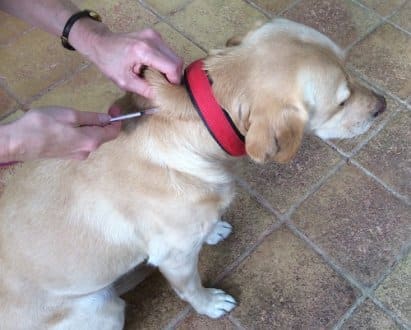
Managing canine diabetes starts with clear principles around humulin n insulin for dogs dosage. This overview explains dosing concepts, monitoring basics, and safe ways to interpret charts or calculators while working with your veterinarian.
Key Takeaways
- Weight guides help, but clinical response drives dosing changes.
- Glucose curves and nadir checks inform safe adjustments.
- Watch for hypoglycemia signs and have a response plan.
- Insulin type, diet, and timing must stay consistent.
What NPH Insulin Means in Dogs
Humulin N and Novolin N are NPH (intermediate-acting) human insulins used in dogs under veterinary guidance. They typically provide coverage across a workday, though onset, peak, and duration vary among dogs. Food timing, injection site, stress, and concurrent disease can shift the effect considerably. That variability is why monitoring and measured adjustments matter.
Owners often ask about humulin n insulin peak time, because it guides curve timing and meal planning. Most dogs reach a peak several hours after injection, but the exact nadir needs confirmation with your own pet’s curve. For background on intermediate-acting pharmacology, see Merck Veterinary Manual, which outlines how NPH generally behaves in dogs. For a refresher on peaks and onsets, this concise explainer on Novolin N Peak provides timing context for curve planning.
humulin n insulin for dogs dosage
Veterinary guidelines often cite weight-based starting ranges for NPH in dogs, then adjust to effect. Those ranges frame initial expectations but never replace glucose data and clinical signs. After a stable diet and routine are set, your veterinarian may stage a curve to identify nadir and duration before changing the dose. The goal is reasonable control without hypoglycemia, not a single “perfect” number every hour.
Published guidance and teaching references describe pragmatic, weight-informed starts, then emphasize follow-up curves and careful titration. For evidence-based principles on canine insulin selection and monitoring, see the AAHA diabetes guidelines. For a structured overview of first-line choices and setup, this stepwise primer, Canine Diabetes Treatment, illustrates how clinicians stage early weeks of care.
Starting Dose Considerations
Clinicians commonly factor body weight, body condition, concurrent disease, and diet when selecting an initial dose. They also check for medications that alter glucose responses, such as steroids, which may increase insulin needs. An initial plan is only a starting point. Early rechecks, home logs of appetite and water intake, and objective glucose data together inform whether to hold, increase, or occasionally decrease.
Real-world plans remain individualized. Large-breed dogs, geriatric dogs, or dogs with pancreatitis may behave differently from textbook curves. Your veterinarian may prefer an in-clinic curve first, then transition to home curves once technique and timing are consistent. As you learn the routine, these practical fundamentals in Insulin for Dogs can help you recognize patterns and report them clearly.
Charts and Calculators: How to Use With Caution
Owners often look for a dog insulin dosage chart to get oriented. Charts can show how weight ranges relate to typical starting points, but they cannot account for your dog’s unique response. Treat any printed table as educational, not prescriptive. The best use of charts is to frame a conversation about realistic starting ranges and expected follow-up testing.
Similarly, a dog insulin calculator may estimate a starting dose by weight or condition, but validation still depends on glucose curves and clinical signs. For safe setup and avoidance of common pitfalls, see Pet Insulin Dosage, which explains how to prevent overdoses and underdoses. For broader context on insulin types you may encounter, the overview Intermediate-Acting Insulin explains how NPH sits among other options.
Adjustments and Monitoring
Once you have a baseline curve, adjusting insulin dose in dogs should follow a structured plan with your veterinarian. Consistent feeding, injection timing, and meter technique help avoid misleading results. If you change food or feeding time, repeat a curve before modifying the dose. Avoid chasing single, isolated readings; focus on trends and the nadir.
Glucose curves, fructosamine testing, and symptom logs work together to assess control. High morning thirst or daytime lethargy can suggest timing mismatches or insufficient duration. If readings drop rapidly or nadirs sit too low, your vet may revise the dose or timing. For a broader understanding of canine diabetes care steps, the tutorial Insulin Landscape Guide maps the journey from diagnosis to maintenance.
Home Monitoring Basics
Home curves can reduce stress hyperglycemia and give more representative data. Use a consistent glucometer and log every reading with meal and dose times. Agree on a plan for what constitutes low, borderline, and acceptable ranges for your dog, and document how to respond. Keep a small carbohydrate source available for suspected mild hypoglycemia, and contact your vet for guidance if readings fall outside the agreed safe range. Recheck technique periodically, including meter calibration and sampling method.
Safety and Maximum Doses
Teams sometimes ask about a maximum insulin dose for dogs, but there is no single ceiling that fits every dog. Dose requirements reflect weight, insulin sensitivity, diet, and concurrent illness. If needs climb steadily, your veterinarian may investigate underlying issues like infection, obesity, or steroid exposure. Rather than targeting an arbitrary maximum, clinicians focus on whether curves show adequate duration and safe nadirs.
Hypoglycemia remains the most urgent risk. Know the behavioral signs, such as weakness or disorientation, and have a clear response plan. For symptom recognition and triage, this primer on Diabetes Dog Signs explains red flags and next steps. For pathophysiology and monitoring considerations, see the canine section in the Merck Veterinary Manual, which discusses why insulin needs can fluctuate.
Comparing Insulins and Use Cases
Humulin N Vs Novolin N typically reflects brand differences rather than fundamental pharmacology; both are NPH formulations. Selection often depends on availability and veterinary familiarity. Some dogs respond better to one brand than another, which reinforces the value of individualized curves. When duration repeatedly falls short or nadirs are difficult to control, a clinician may consider a different class.
Long-acting analogs such as glargine (insulin glargine) or protamine zinc insulin are alternative strategies in specific cases. Clinicians weigh curve shape, household routine, and comorbidities before changing. For neutral comparisons, see Vetsulin Vs Novolin for pros and cons of common veterinary choices. For a catalog-style overview of options and properties, Insulin Products Guide summarizes how different preparations behave.
Side Effects and Handling
Owners sometimes search for novolin n for dogs side effects. Most effects reflect dose-response and glucose variability: hypoglycemia, polyuria, polydipsia, or weight changes. Injection-site issues such as lipodystrophy or bruising can occur with poor rotation or technique. If your dog shows neurologic signs or vomiting, treat this as urgent and contact your veterinarian immediately.
Handling and technique influence safety. Use the correct U-100 syringes and rotate sites to avoid tissue changes. For needle selection and technique tips, see BD Ultra-Fine II Syringes, which lists size options suitable for small and large dogs. For storage guidance and related products, the curated Diabetes Products page can help you review compatible supplies.
Where to Find Supplies and Learning Resources
People often ask where to buy novolin n for dogs when prescriptions are set. Your veterinarian’s dispensing policy and local availability will guide options. For product details and specifications, see Humulin N Vials and compare with Novolin GE NPH Vials. If pens are preferred by your care team, review cartridge formats via Novolin N Penfill.
Some dogs may transition to veterinary-specific insulins based on curve performance and clinician judgment. For those scenarios, compare options such as ProZinc Vial and Caninsulin Vial alongside your curve data. If a longer-acting analog is considered, see device and formulation notes in Lantus Cartridges to understand handling differences.
Recap
NPH insulins can help stabilize canine diabetes when used with consistent feeding and careful monitoring. Weight-based starts are helpful, but glucose curves and clinical signs guide the real decisions. Keep routines steady, document observations, and partner closely with your veterinary team to adjust safely over time.
Note: Always bring your meter and logs to appointments so dose discussions reflect real data.
This content is for informational purposes only and is not a substitute for professional medical advice.


