
Many people with type 1 diabetes now live into older adulthood, especially with consistent insulin access, glucose monitoring, and prevention-focused care. Type 1 diabetes life expectancy is still influenced by complications, cardiovascular risk, kidney health, severe hypoglycemia, and access to treatment. The most useful answer is not one fixed age. It is a risk profile that can change over time.
Population studies show improvement across recent decades. Older studies often reflect past treatment eras, while newer data include continuous glucose monitoring, insulin analogs, statins, kidney protection, and more structured screening. This guide explains how to read those numbers, which factors matter most, and how to discuss your outlook with a clinician.
Key Takeaways
- Outlook has improved: Modern insulin and monitoring have changed survival patterns.
- No number fits all: Age at diagnosis, complications, and care access matter.
- Cardiovascular risk is central: Blood pressure, lipids, kidneys, and smoking strongly affect outcomes.
- Calculators have limits: They estimate population risk, not personal destiny.
- Insulin remains essential: Type 1 diabetes cannot be safely managed without insulin.
What Type 1 Diabetes Life Expectancy Means Today
Type 1 diabetes life expectancy refers to the average years lived by groups of people with type 1 diabetes, not a prediction for one person. Researchers usually compare people with type 1 diabetes with people of similar age and sex who do not have diabetes. The gap has narrowed in many settings, but it has not disappeared.
The main reason is cumulative risk. High glucose over many years can affect blood vessels, nerves, kidneys, eyes, and the heart. Severe low blood sugar can also be dangerous. However, modern care can reduce these risks by improving glucose stability and detecting complications earlier.
When people ask, “How old do people with type 1 diabetes live?” the honest answer is that many live long lives, including into their 70s, 80s, and beyond. The average varies by country, study period, diagnosis age, and access to care. A person diagnosed today may not match historical averages because treatment tools keep changing.
Why it matters: The most helpful number is the one that points to modifiable risks.
Diagnosis timing also matters. A child diagnosed at a young age has more years of exposure to glucose variability, while a person with late onset autoimmune diabetes may have a different risk profile. Classification can be complex in adults. If diagnosis is uncertain, this overview of Type 1 Versus Type 2 Diabetes explains key differences in symptoms, causes, and care.
Why Published Estimates Differ
Published estimates differ because researchers study different groups, eras, and health systems. Some studies include people diagnosed before continuous glucose monitoring was common. Others include newer cohorts with better blood pressure treatment, lipid management, and kidney screening.
Age also changes the interpretation. Remaining life expectancy at age 20 is not the same as remaining life expectancy at age 60. A person who has reached older adulthood without major complications has already passed through earlier risk periods, so their future outlook may differ from an estimate at diagnosis.
Sex-based estimates can also vary. Some registries report different patterns for life expectancy type 1 diabetes male groups compared with female groups. These differences can reflect cardiovascular disease, kidney disease, smoking, social factors, and healthcare access. They should not be read as fixed outcomes for all men or women.
Average life expectancy type 1 diabetes figures may also be affected by coding problems. Misclassification between type 1 diabetes, type 2 diabetes, and latent autoimmune diabetes in adults can distort results. For a plain-language primer on autoimmune diabetes, see Is Type 1 Diabetes Autoimmune.
How to read a study number
Look for the country, years studied, diagnosis age, and whether the study reports life expectancy lost or remaining years lived. Check whether the study includes modern devices and current cardiovascular prevention. A number from a pre-CGM era may still be useful, but it may not reflect current care.
The Biggest Drivers of Long-Term Risk
The strongest drivers of long-term outlook are glucose exposure, kidney health, cardiovascular risk, severe hypoglycemia, and smoking status. These factors interact. For example, kidney disease can raise cardiovascular risk, and repeated severe hypoglycemia can influence treatment targets.
Glycemic control still matters, but it is not only about A1C. Time in range from a continuous glucose monitor shows how often glucose stays within a target range set by the care team. It can also reveal overnight lows, post-meal spikes, and day-to-day variability. For more background, this resource on Continuous Glucose Monitoring explains how CGMs fit into diabetes care.
The calculator below can help compare glucose units when reading lab reports or device summaries. It is a general conversion aid and does not interpret results or replace clinical guidance.
Blood Glucose Unit Converter
Convert glucose readings between mg/dL and mmol/L without changing the clinical value.
These calculations are for education only and do not replace clinical advice, diagnosis, or treatment. Always confirm medical decisions with a qualified healthcare professional.
Kidney markers are also important. Clinicians often track estimated glomerular filtration rate, or eGFR, and urine albumin-to-creatinine ratio, or UACR. These tests can detect early kidney strain before symptoms appear. Early treatment may slow progression, depending on the cause and the person’s overall health.
Cardiovascular disease is a leading cause of death in type 1 diabetes. Risk reduction usually involves blood pressure management, cholesterol review, smoking cessation support, physical activity planning, and individualized glucose targets. These decisions should be made with a clinician, especially if pregnancy, kidney disease, eating disorders, or repeated severe lows are present.
- Glucose patterns: A1C, time in range, and severe lows.
- Blood pressure: Consistent readings, not one isolated value.
- Lipids: LDL cholesterol and broader heart risk.
- Kidney health: eGFR and urine albumin testing.
- Smoking exposure: Current use and lifetime pack-years.
Insulin Access, Safety, and the “Without Insulin” Question
Type 1 diabetes requires insulin because the pancreas makes little or no insulin. Without insulin, glucose rises and the body can enter diabetic ketoacidosis, or DKA, a dangerous state involving dehydration, acid buildup, and ketones. This can become life-threatening quickly.
People sometimes search for type 1 diabetes life expectancy without insulin because they want to understand emergency risk. The practical answer is that insulin interruption is urgent, not a long-term survival strategy. If insulin is unavailable, spoiled, missed, or not working as expected, seek urgent medical help rather than waiting for symptoms to worsen.
Warning signs of possible DKA can include nausea, vomiting, abdominal pain, rapid breathing, fruity-smelling breath, confusion, intense thirst, and high glucose with ketones. These symptoms need prompt medical assessment. People using insulin pumps also need a backup plan because delivery interruption can raise glucose quickly.
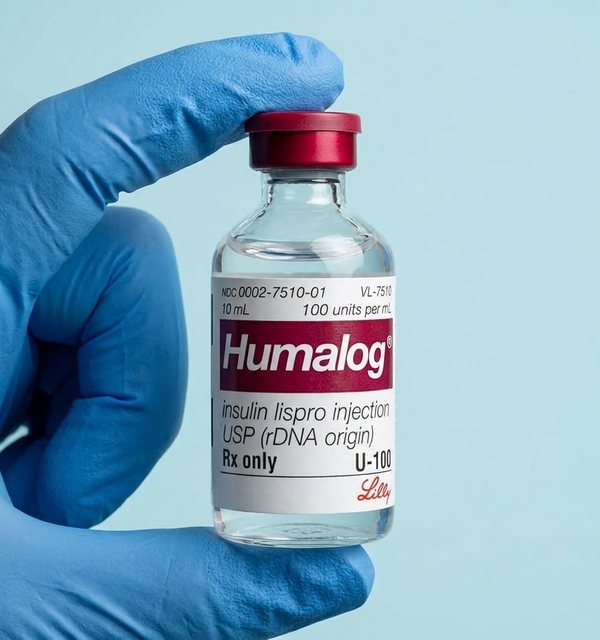
Some readers review supplies and formulations to understand their care plan. For browsing insulin-related listings and diabetes supplies, the Diabetes Products collection can provide navigation context. Product choices, substitutions, and dosing should always be handled through a prescribing clinician.
CanadianInsulin.com operates as a prescription referral platform, and prescription details may be confirmed with the prescriber when required. Dispensing and fulfilment are handled by licensed third-party pharmacies where permitted.
Can Calculators Predict Life Expectancy?
A type 1 diabetes life expectancy calculator can estimate risk for groups with similar inputs, but it cannot predict one person’s lifespan. The result depends on the model, the population used to build it, and the quality of the data entered.
More useful tools include clinical inputs such as age, sex, A1C, blood pressure, cholesterol, kidney function, smoking status, and cardiovascular history. A basic free life expectancy calculator that uses only age and sex may be too broad for type 1 diabetes. It may ignore the very factors that most change risk.
Even a life expectancy calculator based on medical history has limits. It cannot know future technology, future complications, changes in access to care, or lifestyle changes that happen after the estimate. It also may not account well for pregnancy, eating disorders, recurrent severe hypoglycemia, or kidney disease.
Quick tip: Treat calculator output as a discussion starter, not a verdict.
Questions to ask before trusting an estimate
- Data source: Which country and years were used?
- Inputs included: Does it include kidney and heart risk?
- Population fit: Does it apply to type 1 diabetes?
- Uncertainty shown: Does it give ranges or confidence intervals?
- Clinical use: Does it advise medical review?
If a calculator result worries you, bring it to your next appointment. Ask which factors are changeable and which screenings are due. A clinician can help translate broad risk into practical next steps.
Life Stages That Change the Conversation
Life expectancy is not discussed the same way at every age. Childhood, adolescence, pregnancy, midlife, and older adulthood each bring different risks and priorities. The goal is to keep care realistic and safe for the current stage of life.
In childhood and adolescence, family support, school planning, and hypoglycemia prevention matter. Puberty can increase insulin resistance and glucose variability. Young adults may face transition gaps when moving from pediatric to adult care, which can affect screening and follow-up.
Pregnancy requires preconception planning when possible. Glucose targets, folic acid, thyroid status, kidney health, eye screening, and medication safety should be reviewed before conception. People who are pregnant or planning pregnancy should not adjust insulin or other medications without medical guidance.
In older adulthood, priorities may shift. Avoiding severe hypoglycemia can become more important, especially with frailty, cognitive changes, kidney impairment, or heart disease. Targets may be individualized to balance safety, independence, and complication prevention.
For a broader condition overview, the Type 1 Diabetes Symptoms resource covers signs, causes, and treatment concepts. The Type 1 Diabetes topic collection also groups related educational pages for deeper reading.
How Type 1 and Type 2 Diabetes Outlooks Differ
Type 1 and type 2 diabetes can both affect life expectancy, but they differ in cause, treatment patterns, and typical age of onset. Type 1 diabetes is autoimmune and requires insulin. Type 2 diabetes is usually linked to insulin resistance, although many people eventually need medications or insulin.
Type 2 diabetes life expectancy estimates often focus on weight, blood pressure, cholesterol, kidney function, and glucose control. Those factors also matter in type 1 diabetes, but insulin deficiency and hypoglycemia risk add different safety concerns. The two conditions should not be combined when interpreting studies.
Abbreviations can add confusion. T1D usually means type 1 diabetes, and T2D usually means type 2 diabetes. If you want a terminology refresher, see What T2D and T1D Mean.
Long Survivors and What Their Stories Can Teach
The longest someone has lived with type 1 diabetes is difficult to verify across countries and registries. Some people have lived with type 1 diabetes for more than 70 or 80 years, especially since insulin became available in the 1920s. These stories are encouraging, but they are not formulas.
Long survival usually reflects many overlapping factors. These may include insulin access, glucose monitoring, family or social support, early complication detection, cardiovascular prevention, and individual biology. Some factors are modifiable, while others are not.
Historical context is important. Before insulin, type 1 diabetes was usually fatal. Today, the focus is different: preventing complications, treating risks earlier, and supporting people through decades of care. That progress helps explain why type 1 diabetes life expectancy 2025 discussions should not rely only on older statistics.
Authoritative Sources
For current clinical standards, review the ADA Standards of Care in Diabetes. These standards cover individualized targets, cardiovascular risk management, screening, and technology use.
For a plain-language government overview, the NIDDK type 1 diabetes resource explains causes, symptoms, insulin needs, and monitoring basics.
For long-term cohort context, see the JUBILE cohort publication, which discusses quality of life among people living many decades with type 1 diabetes.
Recap
No single statistic can define an individual future. Type 1 diabetes life expectancy depends on treatment access, glucose patterns, kidney health, cardiovascular risk, severe hypoglycemia, smoking, and timely screening. The most useful approach is to identify which risks can be measured and reduced.
Use population estimates carefully. Ask what era, country, and patient group the data represent. If you use a calculator, bring the result to a clinician and focus on actionable items. For general diabetes education across conditions, the Diabetes article collection and Type 1 Diabetes Listings can help with navigation.
This content is for informational purposes only and is not a substitute for professional medical advice.