

Early recognition and consistent care improve outcomes for dogs with metabolic disease. This guide explains how diabetes affects dogs, how veterinarians diagnose it, and which daily routines help stability. It also outlines diet choices, potential costs, and realistic long-term expectations.
Key Takeaways
- Early signs include thirst, urination, and weight loss.
- Diagnosis relies on glucose tests and urinalysis.
- Daily insulin, diet, and monitoring guide control.
- Complications need prompt veterinary assessment.
Understanding Diabetes in Dogs
At its core, diabetes disrupts how the body uses glucose for energy. In dogs, most cases resemble insulin-deficient diabetes, where the pancreas underproduces insulin, leading to high blood sugar. The condition can progress quietly, so owners often notice thirst and frequent urination first. Without treatment, persistent hyperglycemia can trigger infections, weight loss, and weakness.
Veterinary organizations emphasize structured, individualized plans for stabilization and routine follow-up. For a concise practice overview, see the AAHA guidelines, which outline diagnostic criteria, insulin options, and care goals. Historical context also informs therapy; for background on hormone discovery and clinical use, see Insulin Discovery for how modern insulins evolved over time.
Diabetes in Dogs
Diabetes in dogs involves chronic hyperglycemia that can harm multiple organs over time. Recognizing the problem early helps prevent complications and may make stabilization smoother. Your veterinarian will tailor a plan, but owners play a crucial role in consistent feeding, insulin timing, and home monitoring. Routine patterns reduce glucose swings and improve quality of life.
Early Signs and Clinical Presentation
The most consistent early clues are increased thirst, increased urination, and unexpected weight loss despite a normal or increased appetite. Some dogs become lethargic, develop cloudy eyes (cataracts), or show recurrent skin and urinary infections. These changes may develop over weeks, and owners sometimes attribute them to aging, delaying care.
Track appetite, water intake, and body weight weekly to spot trends. Note any house-soiling, accidents overnight, or new incontinence. These observations help your veterinarian assess diabetes in dogs symptoms and set early targets for treatment. If vomiting, dehydration, or labored breathing appears, seek urgent evaluation, as these can indicate complications.
Causes, Risk Factors, and Prevention
Multiple factors contribute to canine diabetes. Pancreatic damage from inflammation, autoimmune processes, or chronic endocrine stress can impair insulin production. Intact females may experience hormone-driven insulin resistance during diestrus. Obesity, chronic steroid therapy, and concurrent endocrine disorders further raise risk. Some breeds show higher prevalence, suggesting genetic influences in susceptibility.
Weight control, measured feeding, and timely spay of non-breeding females can reduce risk in predisposed dogs. Regular screening also helps detect what causes diabetes in dogs within your pet’s broader health context. Vaccinations, dental care, and infection control protect overall metabolic health. Your veterinarian can review medications that influence glucose and recommend alternatives when appropriate.
Diagnosis and Home Monitoring
Diagnosis rests on compatible signs plus laboratory confirmation. A fasting blood glucose test and urinalysis that shows glucose or ketones support the diagnosis. Persistent elevations over multiple checks, alongside clinical signs, strengthen the case. Veterinarians may also measure fructosamine to reflect average glucose over the prior two to three weeks.
Once diagnosed, discuss home glucose checks and symptom tracking. Your veterinarian will explain meter selection, sampling technique, and when to act. Understanding how to test for diabetes in dogs supports safer dose adjustments and earlier detection of problems. Differentials matter too; for contrast with water-balance disease that mimics polyuria, see Diabetes Insipidus in Dogs for distinctions and testing pathways.
For diagnostic criteria and complication recognition, the Merck Veterinary Manual provides practical clinical thresholds and definitions. If your dog shows vomiting or listlessness during high readings, review Diabetic Ketoacidosis in Dogs for red flags and why hospitalization may be needed.
Treatment Options and Daily Care
Most dogs need lifelong insulin therapy along with feeding and exercise routines. Your veterinarian will choose a formulation and starting dose, then refine it through curves and exams. Consistent timing of meals, injections, and activity helps flatten glucose variability. Owners should maintain records of doses, food intake, thirst, urination, and energy levels.
Discuss how to treat diabetes in dogs with your veterinarian, including how diet composition supports insulin action. For product overviews that explain veterinary formulations, see Insulin for Dogs for common options and action profiles. You can also review insulin types widely used in practice; for brand background and handling notes, see Lantus for Dogs for long-acting characteristics useful in some cases.
Note: Only a veterinarian should initiate or adjust insulin. For information about a protamine zinc insulin commonly prescribed in dogs, review ProZinc Vial to understand formulation specifics and packaging details. Regulatory summaries on veterinary-use insulins are available through the FDA Center for Veterinary Medicine for approved product listings and safety communications.
Nutrition and Feeding Plans
Diet anchors glycemic control. Your veterinarian may recommend measured meals with consistent calories and macronutrients. Fiber-enriched, moderate-carbohydrate diets can smooth post-meal glucose spikes in some dogs. Protein quality supports lean mass, and controlled fat helps weight management. Always make changes gradually to avoid gastrointestinal upset and confounding glucose curves.
Many commercial options exist for diabetic dog food, but suitability depends on your dog’s weight, pancreatitis risk, and preferences. Your care team may suggest prescription or well-formulated non-prescription diets and clear guidance on treats. For examples of insulin-centered care alongside diet, see Managing Pet Diabetes for how feeding routines align with injections. If you are comparing supplies that support daily care, browse Diabetes Products for an overview of commonly used categories.
Costs, Access, and Practical Planning
Managing diabetes entails recurring expenses for veterinary visits, insulin, syringes, meters, and diet. Budgeting prevents care interruptions that destabilize glucose control. Ask about generic or alternative supplies, safe storage, and how to avoid waste. Keeping a simple ledger for prescriptions and rechecks helps anticipate monthly needs.
Your total diabetes in dogs treatment cost varies by location, insulin type, monitoring frequency, and comorbidities. For a breakdown of typical line items and ways owners streamline expenses, see Cost of Dog Diabetes for practical planning considerations. Discuss insurance coverage and reimbursement processes with your veterinarian’s office to clarify documentation requirements.
Complications, Emergencies, and When to Seek Help
Complications may occur despite good care. Cataracts can develop quickly and impair vision; surgical removal may restore function in suitable candidates. Recurrent urinary infections often accompany glucosuria and need culture-guided therapy. Pancreatitis, hypertension, and neurologic weakness are additional concerns that may appear during the disease course.
Ketoacidosis presents with vomiting, dehydration, fruity breath, and lethargy and needs urgent care. Hypoglycemia can occur with excess insulin, reduced intake, or increased exercise; signs include tremors, disorientation, and seizures. Keep a source of oral sugar on hand and call your veterinarian if signs appear. For a structured overview of emergency indicators and stabilization steps, the Merck Veterinary Manual outlines triage priorities and monitoring targets.
Life Expectancy and Long-Term Outlook
With attentive management, many dogs live for years with good quality of life. Consistency in feeding, insulin timing, and monitoring reduces complications and hospitalizations. Regular rechecks allow dose refinement as weight, activity, or other conditions change. Owners who keep thorough logs often catch issues earlier and adjust plans with their veterinarian.
Discuss realistic diabetes in dogs life expectancy during routine visits. Age, concurrent disease, cataracts, and pancreatitis risk influence outcomes more than the diagnosis alone. When quality of life declines despite treatment, your veterinarian can guide supportive measures and compassionate decisions based on comfort, mobility, and daily joy.
Related Topics and Further Resources
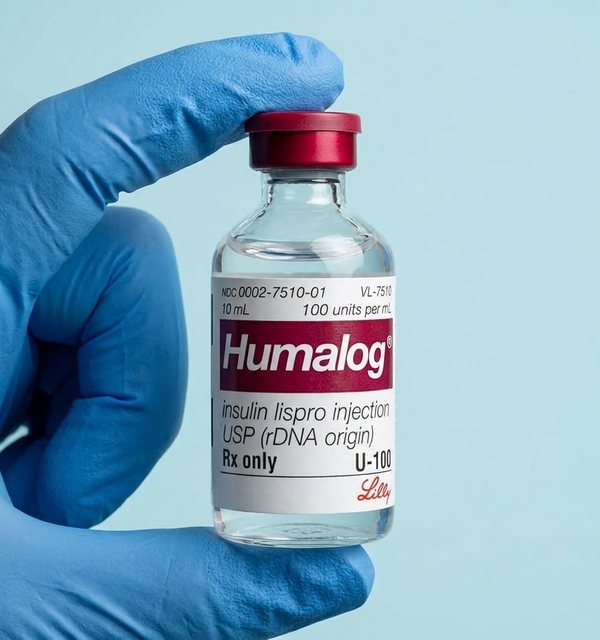
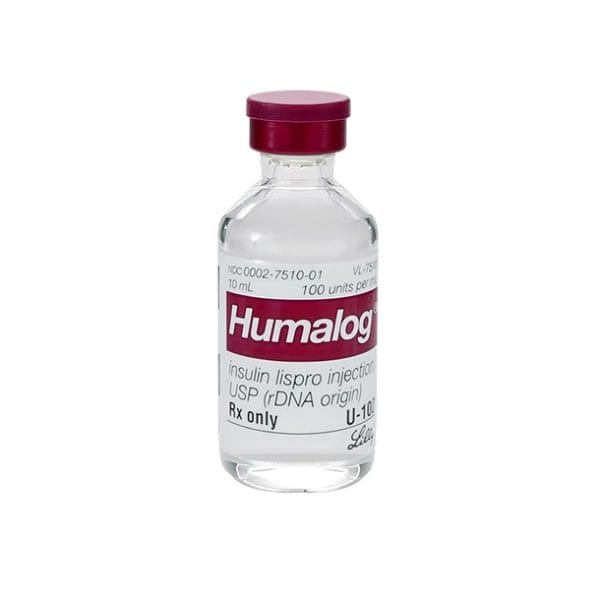
Understanding insulin pharmacology and device handling can strengthen your daily routine. For short-acting analogs used in select cases, see Humalog for Dogs for clinical context and timing considerations. For intermediate-acting human insulin sometimes used in dogs, review Humulin N Dosing for veterinary use considerations. These resources explain how formulations differ and why curves matter.
A final point is medication supply awareness and packaging. If your dog uses a protamine zinc formulation, you can consult ProZinc Vial for presentation and vial specifications referenced in many treatment plans. If you want a broader editorial view, our Diabetes Articles archive summarizes related conditions and stepwise care across canine and feline patients.
Tip: Build a simple care calendar that tracks injections, meals, walks, and rechecks. Share it at appointments so the veterinary team can spot patterns quickly and adjust the plan safely.
This content is for informational purposes only and is not a substitute for professional medical advice.