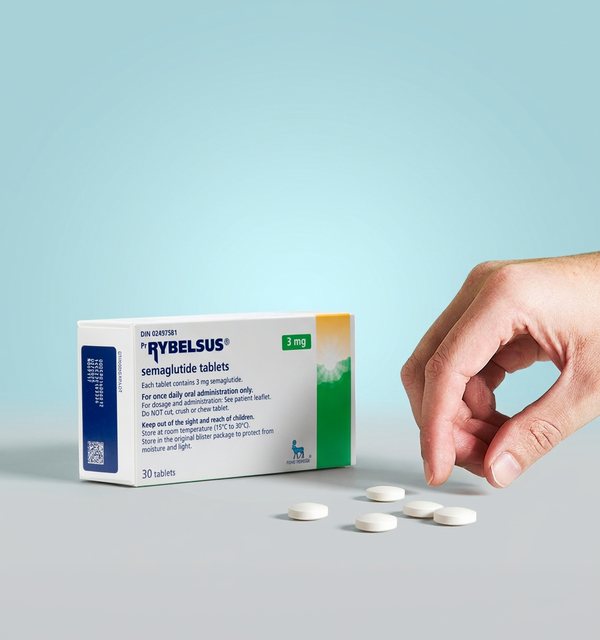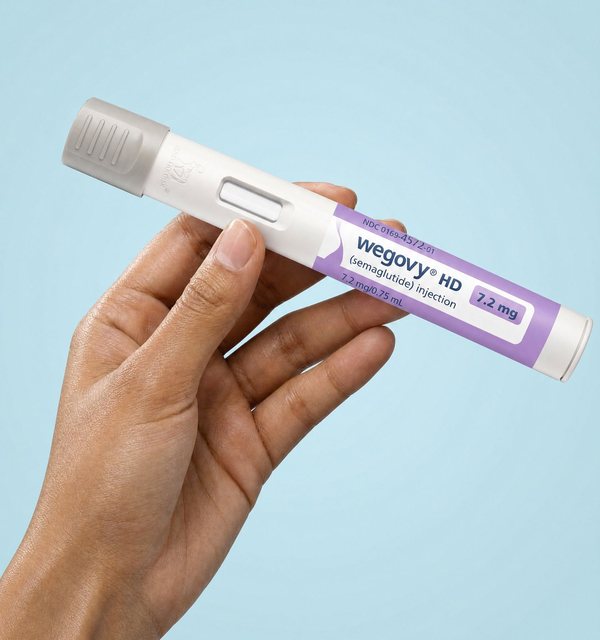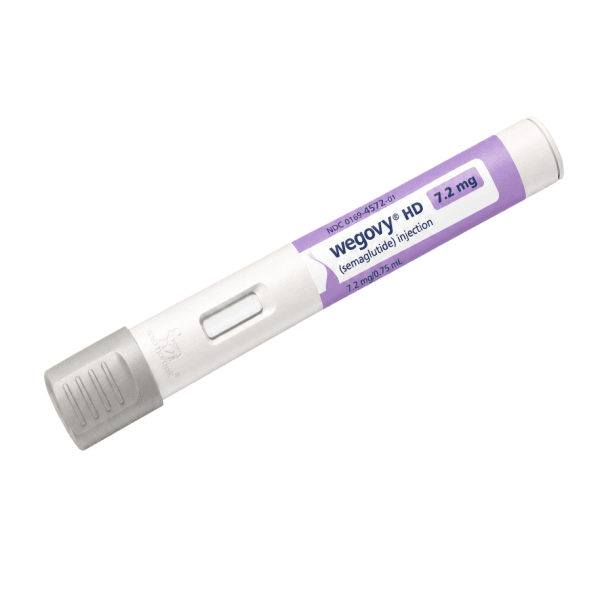


Saxenda vs Wegovy is mainly a comparison between daily liraglutide and weekly semaglutide. Both are GLP-1 receptor agonists used with lifestyle measures for chronic weight management, but they differ in dosing schedule, active ingredient, tolerability patterns, and how easily they may fit into daily life. The better choice depends on your medical history, treatment goals, side effect tolerance, access, and prescriber guidance.
Why this matters: these medicines can affect appetite, digestion, glucose-related care, and other medications. A clear comparison helps you ask better questions before starting, stopping, or switching therapy.
Key Takeaways
- Same drug class: Both activate GLP-1 pathways that influence appetite and fullness.
- Different routines: Saxenda is injected daily; Wegovy is injected weekly.
- Side effects overlap: Nausea, vomiting, diarrhea, and constipation are common early issues.
- Switching needs planning: Avoid self-directed overlap or dose changes.
- Alternatives vary: Ozempic, Zepbound, and other options have different labels and mechanisms.
How These Weight-Loss Injections Compare
Saxenda and Wegovy work in related ways, but they are not interchangeable products. Saxenda contains liraglutide, while Wegovy contains semaglutide. Both mimic GLP-1, a gut hormone that helps regulate appetite and satiety. In plain language, they may help some people feel full sooner and reduce hunger signals.
The most practical difference is injection frequency. Saxenda is a once-daily injection. Wegovy is a once-weekly injection. For some people, daily dosing builds a consistent routine. Others prefer a weekly schedule because it reduces the number of injections and may be easier to remember.
Clinical studies have shown meaningful weight reduction with both medicines when used alongside nutrition, physical activity, and behavioural support. Some published comparisons suggest semaglutide may produce greater average weight loss than liraglutide in studied populations, but individual results vary. Tolerability, adherence, access, and medical risks can matter as much as average trial outcomes.
For a deeper molecule-level comparison, see Liraglutide vs Semaglutide. For product navigation, the site also lists Saxenda 6 mg/mL and Wegovy pages with product-specific context.
Dosing, Routine, and Adherence Factors
Saxenda vs Wegovy dosing often becomes the first real-world decision point. A daily injection may suit someone who already follows a daily medication routine. A weekly injection may suit someone who wants fewer injection days. Neither schedule is automatically better for every person.
Both medicines use gradual dose escalation. This means the dose is increased over time to help the body adjust. Prescribers may adjust timing or reassess therapy if side effects become difficult. Do not change the schedule, double doses, or combine products unless your clinician specifically instructs you.
Storage, injection technique, and sharps disposal also affect safe use. Many people benefit from a medication log that tracks injection day, symptoms, appetite changes, and missed doses. This record can help your care team decide whether symptoms are expected, persistent, or concerning.
Quick tip: Keep injection reminders separate from meal tracking to avoid missed weekly doses.
If you are comparing the wider category, Best GLP-1 for Weight Loss offers broader context on related medicines and how they differ.
Side Effects, Warnings, and When to Seek Care
The most common side effects involve the stomach and intestines. Nausea, vomiting, diarrhea, constipation, stomach discomfort, and reduced appetite may occur, especially during dose increases. Wegovy side effects and Saxenda side effects often overlap because both medicines act on GLP-1 receptors.
Some symptoms can be managed with clinician-approved strategies such as smaller meals, hydration, avoiding very greasy foods, and slower eating. However, persistent vomiting, inability to keep fluids down, or symptoms that interfere with daily function should be reviewed promptly. People using diabetes medicines, especially insulin or sulfonylureas, should ask about low blood sugar risk and monitoring.
Serious risks are less common but important. GLP-1 receptor agonists have warnings related to pancreatitis (inflammation of the pancreas), gallbladder problems, kidney injury in the setting of dehydration, and possible thyroid C-cell tumour risk based on animal data. These medicines are generally not used in people with certain personal or family histories involving medullary thyroid carcinoma or multiple endocrine neoplasia syndrome type 2, as described in product labeling.
Seek urgent medical evaluation for severe or persistent abdominal pain, especially if it spreads to the back or occurs with vomiting. Also seek care for signs of dehydration, yellowing of the skin or eyes, severe allergic reaction, or symptoms of very low blood sugar if you use glucose-lowering therapy.
Effectiveness: What the Evidence Can and Cannot Tell You
Evidence can compare average outcomes, but it cannot predict your exact response. Trials evaluate groups of participants under structured conditions. In daily life, results may differ because of diet pattern, activity level, sleep, other conditions, access, side effects, and persistence with therapy.
When people ask whether Wegovy is more effective than Saxenda, they usually mean average weight loss in studies. Semaglutide has shown larger average reductions than liraglutide in some clinical research. Still, a person who cannot tolerate a medicine or cannot access it consistently may not benefit from that average advantage.
It is also useful to define success before starting. Some people focus only on scale weight. Others need to consider waist circumference, blood pressure, glucose markers, mobility, sleep apnea symptoms, or medication burden. Your clinician can help select safe, relevant markers.
A calculator can help with general planning around weight-change goals. It does not determine eligibility, safety, or which medication is appropriate.
Weight Loss Timeline Calculator
Estimate a simple timeline from current weight, goal weight, and average daily calorie deficit.
These calculations are for education only and do not replace clinical advice, diagnosis, or treatment. Always confirm medical decisions with a qualified healthcare professional.
The tool estimates a general timeline from a target amount and planned weekly change. Use it only as a planning aid, not as medical advice.
Switching From One Therapy to Another
Switching from Saxenda to Wegovy should be supervised because both medicines affect similar pathways. Overlap can increase gastrointestinal side effects. A prescriber may consider your current dose, recent symptoms, time since the last injection, diabetes medications, and whether you had any previous intolerance.
Searches for a Saxenda to Wegovy conversion chart are common, but a chart cannot replace clinical judgment. These products have different active ingredients, dose schedules, and titration plans. A conversion that seems simple on paper may be unsafe for someone with dehydration, severe nausea, gallbladder symptoms, or glucose-lowering therapy.
The same caution applies when switching from Saxenda to Zepbound or from Wegovy to another incretin-based medicine. Zepbound contains tirzepatide, which acts on both GIP and GLP-1 receptors. That makes it different from liraglutide and semaglutide, even though some side effects overlap.
Questions to Ask Before Switching
- Reason for change: side effects, access, response, or convenience.
- Recent symptoms: nausea, vomiting, abdominal pain, or dehydration.
- Current medicines: diabetes drugs, blood pressure medicines, and GI therapies.
- Monitoring plan: weight, glucose, symptoms, and follow-up timing.
- Start plan: whether a washout period or lower starting approach is needed.
For related comparisons, see Saxenda vs Ozempic and Wegovy Weight Loss.
How Ozempic, Zepbound, and Mounjaro Fit In
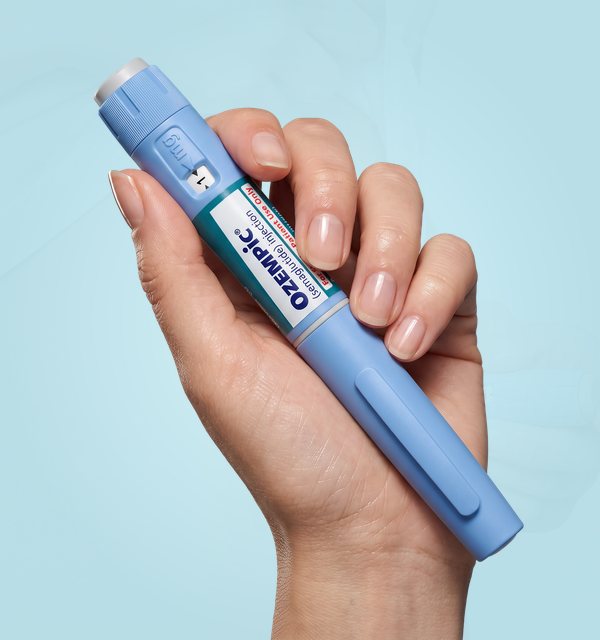
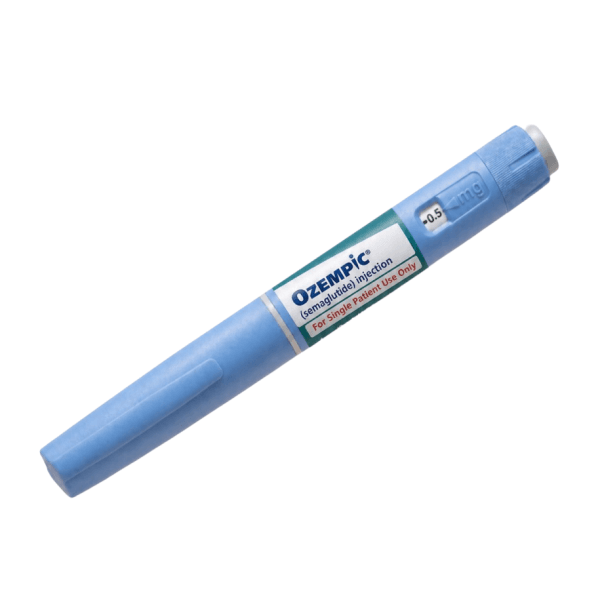
Ozempic, Zepbound, and Mounjaro often appear in the same discussions, but labels and intended uses differ. Ozempic also contains semaglutide, but it is labeled for type 2 diabetes care and cardiovascular risk reduction in certain adults, not as the same product as Wegovy. Wegovy uses semaglutide under a chronic weight management label.
Wegovy vs Ozempic decisions should therefore start with the reason for treatment. A person with type 2 diabetes may have different priorities than someone seeking chronic weight management without diabetes. Device formats, dose targets, insurance rules, and monitoring needs may also differ.
Wegovy vs Zepbound is a different comparison. Zepbound contains tirzepatide, a dual GIP/GLP-1 receptor agonist. Discussions often focus on appetite response, gastrointestinal tolerability, access, and cardiometabolic markers. It is not simply a stronger version of semaglutide; it is a different molecule with a different receptor profile.
Mounjaro also contains tirzepatide but is labeled for type 2 diabetes. Because brand labels and clinical goals differ, Saxenda vs Wegovy vs Zepbound or Saxenda vs Wegovy vs Mounjaro comparisons should be handled carefully. Your clinician can help separate weight-management labeling from diabetes-focused treatment decisions.
For product context only, you can review Ozempic Semaglutide Pens, Zepbound, and Mounjaro KwikPen. These pages should not replace official labels or medical review.
Cost, Coverage, and Access Considerations
Saxenda vs Wegovy price comparisons are difficult because final cost depends on location, coverage, eligibility, supply, and pharmacy arrangements. Plans may treat weight-management medicines differently from diabetes medicines. Prior authorization, documentation of body mass index, weight-related conditions, or previous therapy attempts may affect coverage.
Cash-pay options may also vary. Some patients explore cross-border fulfilment depending on jurisdiction and eligibility, but access rules are not the same for every medication or patient. CanadianInsulin.com is a prescription referral platform; where required, prescription details may be confirmed with the prescriber, while dispensing is handled by licensed third-party pharmacies where permitted.
When comparing access, avoid focusing only on the listed product cost. Consider injection frequency, refill cadence, follow-up visits, monitoring needs, and the risk of interrupted therapy. A lower apparent cost may not help if the medicine is unavailable, poorly tolerated, or not appropriate for your health history.
For broader navigation, the Weight Management Articles collection includes related educational topics. The Weight Management Products category can help readers browse relevant product pages without replacing clinician guidance.
Making the Comparison With Your Clinician
The best Saxenda vs Wegovy discussion starts with your health profile. Bring a current medication list, past weight-management treatments, side effect history, diabetes status, pregnancy plans, gallbladder history, and any previous pancreatitis evaluation. These details can change the risk-benefit conversation.
Be clear about what matters most to you. Some people prioritize fewer injections. Others prioritize a familiar daily routine, lower nausea risk, or continuity with a medicine they already tolerate. A clinician can help weigh these preferences against contraindications, warnings, and monitoring needs.
It is also reasonable to discuss stopping rules. People may stop Wegovy, Saxenda, or related medicines because of side effects, cost, supply disruption, inadequate response, pregnancy planning, or a new medical concern. Stopping or restarting should be planned, especially if you also use glucose-lowering therapy.
Authoritative Sources
For official semaglutide labeling, review the Wegovy prescribing information. It describes approved uses, dosing framework, contraindications, warnings, and adverse reactions.
For liraglutide labeling, review the FDA Saxenda prescribing information. It outlines labeled indications, safety warnings, and clinical trial details.
For regulator-level obesity medicine information, the FDA semaglutide safety information provides patient and provider updates on semaglutide-containing products.
Recap
Saxenda and Wegovy share a GLP-1-based approach, but they differ in active ingredient and injection schedule. Wegovy is weekly semaglutide, while Saxenda is daily liraglutide. Average study results, side effects, routine fit, access, and medical history all matter.
If you are deciding between these medicines, prepare specific questions rather than choosing from reviews alone. Ask about risks, alternatives, switching plans, monitoring, and what symptoms should prompt urgent care. A structured conversation is safer than relying on a conversion chart or social media comparison.
This content is for informational purposes only and is not a substitute for professional medical advice.