
Please note: a valid prescription is required for all prescription medication.
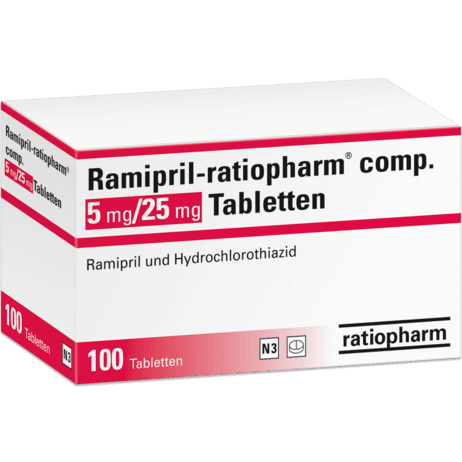
Ramipril HCTZ
Buy Ramipril HCTZ Online


Ramipril HCTZ is a combination blood pressure medicine containing ramipril and hydrochlorothiazide. You can buy Ramipril HCTZ online, view the current price for the quantity shown, and choose the strength that matches your clinician’s directions. Because each tablet contains two active ingredients, both numbers on the strength line matter.
Ramipril is an ACE inhibitor, a medicine that helps relax blood vessels. Hydrochlorothiazide is a thiazide diuretic, often called a water pill, that helps the body remove extra salt and water. The combination is used for hypertension when a clinician decides that both ingredients are appropriate in one tablet.
Ramipril HCTZ Price and Strength Selection
The Ramipril HCTZ price should be read together with the tablet strength and quantity. A 5 mg/12.5 mg tablet is different from a 10 mg/25 mg tablet because the amount of both ramipril and hydrochlorothiazide changes. Start with the strength on your medication directions, then look at the tablet count and checkout total.
The Ramipril HCTZ cost may change when the quantity changes. Check whether the amount shown is the total number of tablets, not an estimate of treatment days. Your directions determine how many days a bottle or package will last.
People paying without insurance often focus on the cash-pay total, strength, and quantity together. Do not use another strength as a substitute unless your clinician has specifically changed the directions. With fixed-dose combination tablets, changing one number also changes the other ingredient ratio.
Quick tip: Match the strength first, then compare quantity and total cost.
How to Order Ramipril HCTZ Online
To order Ramipril HCTZ online, choose the tablet strength that matches your directions and review the quantity before checkout. If account or order information needs clarification, we may help review the details submitted with the order. Keep your medication label nearby so the active ingredients, strength, and tablet count can be matched carefully.
The ordering step is mainly a strength-matching decision. Ramipril hydrochlorothiazide tablets use two numbers because each tablet contains both medicines. The first number usually refers to ramipril, and the second number refers to hydrochlorothiazide.
For customers using US delivery from Canada, address and contact details should be accurate before the order is submitted. Delivery information shown during checkout should be reviewed against the destination address and the quantity being ordered.
- Choose strength: Match both active ingredient amounts.
- Review quantity: Confirm the tablet count before checkout.
- Check the name: Look for ramipril and hydrochlorothiazide together.
- Confirm address: Use accurate delivery and contact information.
What Ramipril Hydrochlorothiazide Treats
Ramipril hydrochlorothiazide is used to treat high blood pressure, also called hypertension. Lowering blood pressure can reduce strain on the heart and blood vessels over time. The medicine is generally used when a combination approach is appropriate, rather than as the first choice for every person with elevated blood pressure.
Ramipril helps block angiotensin-converting enzyme, which can reduce blood vessel tightening. Hydrochlorothiazide increases urine output and supports salt and water removal. Together, the ingredients may help control blood pressure through two different mechanisms.
Hypertension care often includes more than medication. Diet, physical activity, reduced sodium intake, weight management, home blood pressure tracking, and follow-up lab work may all be part of a treatment plan. The Hypertension section groups related condition information for people managing blood pressure concerns.
People with diabetes, kidney disease, heart disease, gout, or a history of dizziness with blood pressure medicines should make sure those factors are discussed during care. This combination can affect kidney function, electrolytes, uric acid, and blood sugar in some people.
Tablet Strengths and Label Details
Ramipril HCTZ tablets are fixed-dose combination tablets. The strength line shows two active ingredient amounts, and both must match the medication directions. A tablet with the same ramipril amount can still contain a different hydrochlorothiazide amount.
Common strength patterns people may see include 2.5 mg/12.5 mg, 5 mg/12.5 mg, 5 mg/25 mg, 10 mg/12.5 mg, and 10 mg/25 mg tablets. Choose only the strength shown during ordering that matches your medication directions. Do not identify the correct medicine by tablet appearance alone, because generic tablets can differ in shape, colour, or markings.
| Strength wording | What to verify |
|---|---|
| Ramipril 2.5 mg/Hydrochlorothiazide 12.5 mg | Confirm the lower ramipril amount and the 12.5 mg diuretic component. |
| Ramipril HCTZ 5 mg/12.5 mg | Make sure both numbers match the medication directions. |
| Ramipril hydrochlorothiazide 5 mg/25 mg | Check that hydrochlorothiazide is 25 mg, not 12.5 mg. |
| Ramipril HCTZ 10 mg/12.5 mg | Confirm the higher ramipril amount with the lower diuretic amount. |
| Ramipril hydrochlorothiazide 10 mg/25 mg | Review both active ingredient amounts before choosing the strength. |
Why it matters: Fixed-dose tablets cannot adjust one ingredient without changing the other.
If a manufacturer or package field appears during ordering, look at that information after the strength has been matched. The active ingredient amounts are more important than colour or tablet shape when identifying the correct medicine.
Doses, Timing, and Practical Use
Ramipril HCTZ doses are individualized. Follow the directions given by your clinician and do not split, double, or change tablets based on price, tablet count, or another person’s dose. If the strength or quantity does not match your medication record, clarify the difference before using the medicine.
Many people take blood pressure medicines on a regular schedule. Hydrochlorothiazide may increase urination, especially after a dose, so timing can matter for daily routines. Ramipril can affect kidney function and potassium levels, which is why lab monitoring may be recommended.
Ask your clinician what blood pressure range you are aiming for and when readings should be reported. Home readings are often more useful when taken consistently, recorded accurately, and shared at follow-up visits. Sudden dizziness, fainting, or symptoms of dehydration should be discussed promptly.
- Strength line: Match ramipril and hydrochlorothiazide amounts.
- Timing notes: Follow the schedule on your medication directions.
- Tablet count: Plan refills before your supply runs low.
- Blood pressure: Track readings as instructed.
- Lab work: Know when kidney and electrolyte tests are due.
Storage, Handling, and Travel
Store Ramipril HCTZ tablets at room temperature, away from excess heat, moisture, and direct light. Keep the container closed when not in use. Bathrooms, car interiors, and windowsills can expose tablets to humidity or temperature changes.
Keep tablets in the original labelled container when possible. Do not combine different strengths in one bottle, because fixed-dose combinations can be difficult to tell apart later. If a tablet looks damaged, unusually discoloured, or different from expected, ask a pharmacist or clinician before taking it.
For travel, pack enough tablets for the trip and keep the labelled container accessible. The medicine is not normally handled like refrigerated products, but any storage directions supplied with the order should take priority. Avoid leaving tablets in checked luggage for extended periods if temperature control is uncertain.
- Home storage: Choose a dry, secure location.
- Moisture control: Close the container after each use.
- Travel planning: Keep the label readable.
- Strength safety: Store different strengths separately.
Side Effects, Warnings, and Monitoring
Ramipril HCTZ side effects can include dizziness, lightheadedness, headache, tiredness, stomach upset, increased urination, and sensitivity to sunlight. A dry cough can occur with ACE inhibitors such as ramipril. Some effects may improve as the body adjusts, but persistent or troublesome symptoms should be discussed with a clinician.
Serious reactions need urgent attention. Seek emergency help for swelling of the face, lips, tongue, or throat; trouble breathing; fainting; chest pain; severe weakness; very little urination; severe skin reactions; or signs of a serious allergic reaction. ACE inhibitor-related swelling is called angioedema and can become dangerous quickly.
This medicine should not be used during pregnancy because ACE inhibitors can harm an unborn baby. Contact a clinician promptly if pregnancy occurs or is planned. Breastfeeding, kidney disease, liver disease, gout, diabetes, lupus, electrolyte problems, dehydration risk, and prior reactions to sulfonamide-derived medicines should also be reviewed during care.
Hydrochlorothiazide can affect sodium, potassium, uric acid, and blood sugar. Ramipril can affect kidney function and potassium. Monitoring may include blood pressure readings, kidney function tests, potassium, sodium, and other electrolyte checks.
- Dizziness: Use caution when standing quickly.
- Swelling: Treat face, lip, tongue, or throat swelling as urgent.
- Pregnancy: Ask about safer alternatives before use.
- Dehydration: Report vomiting, diarrhea, or poor fluid intake.
- Sun sensitivity: Use protection if photosensitivity occurs.
Interactions and Medicines to Review
Several medicines and supplements can interact with ramipril hydrochlorothiazide. Potassium supplements, potassium-containing salt substitutes, potassium-sparing diuretics, other ACE inhibitors, angiotensin receptor blockers, and aliskiren may increase safety concerns for some people. Regular use of nonsteroidal anti-inflammatory drugs, often called NSAIDs, can affect kidney function and blood pressure response.
Lithium, digoxin, diabetes medicines, corticosteroids, certain cholesterol binders, and other diuretics may also need review. Alcohol can increase dizziness or lightheadedness. Do not stop or start another medicine based only on general product information; use the interaction list to prepare questions for a clinician or pharmacist.
People managing both diabetes and high blood pressure may need closer glucose and kidney monitoring when therapy changes. The article on managing diabetes and hypertension explains why blood pressure changes can matter for people also tracking blood sugar.
- Potassium products: Ask before using supplements or salt substitutes.
- Pain relievers: Mention frequent NSAID use.
- Diabetes treatment: Review glucose monitoring plans.
- Lab schedule: Know when follow-up tests are expected.
How This Combination Compares With Separate Tablets
Some treatment plans use a fixed-dose combination tablet. Others use separate ramipril and hydrochlorothiazide tablets so each ingredient can be adjusted independently. The right approach depends on the blood pressure plan, lab results, tolerability, and whether one ingredient needs a different amount.
The practical advantage of a combination tablet is simplicity. One tablet can reduce the number of separate medicines in a routine. The trade-off is flexibility, because changing the combination strength changes both ingredients together.
If your clinician has discussed separate medicines, compare the active ingredients carefully with cardiovascular medicines rather than assuming all blood pressure tablets can be swapped. The cardiovascular articles section also provides broader reading on heart and blood pressure topics.
Brand and generic names can also create confusion. Ramipril hydrochlorothiazide may appear under active ingredient wording, a manufacturer-specific name, or HCTZ abbreviation. Match the active ingredients and strength line, not the name format alone.
When to Contact a Clinician
Contact a clinician if blood pressure readings are much higher or lower than expected, if dizziness affects daily activity, or if new swelling, rash, cough, fainting, dehydration, or reduced urination occurs. Changes in appetite, severe weakness, muscle cramps, or unusual heartbeat sensations may also need assessment because electrolyte changes can occur.
Before surgery, dental procedures, or new medicine starts, tell the healthcare team that you take ramipril hydrochlorothiazide. Temporary changes may be considered in some clinical situations, especially when dehydration, kidney function changes, or blood pressure instability is a concern.
Do not use this medicine as a substitute for emergency care during chest pain, stroke symptoms, severe shortness of breath, or sudden neurological symptoms. Blood pressure treatment is preventive and ongoing, but urgent symptoms need immediate medical assessment.
Authoritative Sources
The following sources support the medication-use and safety information summarized above.
- Health Canada consumer information lists ingredients, labelled use, and patient warnings for ramipril and hydrochlorothiazide.
- MyHealth Alberta medication information summarizes common precautions, interactions, side effects, and monitoring considerations.
- MSKCC patient education provides plain-language safety information for ramipril and hydrochlorothiazide.
This content is for informational purposes only and is not a substitute for professional medical advice.
Blood Pressure Average Calculator
Average home blood pressure readings and show a simple screening range.
Average BP
-
entered readings only
Range
-
screening category
These calculations are for education only and do not replace clinical advice, diagnosis, or treatment. Always confirm medical decisions with a qualified healthcare professional.
Mean Arterial Pressure Calculator
Calculate estimated mean arterial pressure from systolic and diastolic blood pressure.
MAP
-
DBP + one-third pulse pressure
These calculations are for education only and do not replace clinical advice, diagnosis, or treatment. Always confirm medical decisions with a qualified healthcare professional.
Pulse Pressure Calculator
Calculate pulse pressure from systolic and diastolic blood pressure.
Pulse pressure
-
SBP - DBP
These calculations are for education only and do not replace clinical advice, diagnosis, or treatment. Always confirm medical decisions with a qualified healthcare professional.
eGFR Calculator
Estimate kidney filtration using the 2021 CKD-EPI creatinine equation.
eGFR
-
mL/min/1.73 m2
G category
-
requires clinical context
These calculations are for education only and do not replace clinical advice, diagnosis, or treatment. Always confirm medical decisions with a qualified healthcare professional.
Creatinine Clearance Calculator
Estimate creatinine clearance using the Cockcroft-Gault equation.
CrCl
-
mL/min estimate
These calculations are for education only and do not replace clinical advice, diagnosis, or treatment. Always confirm medical decisions with a qualified healthcare professional.
Express Shipping - from $29.99
Shipping with this method takes 3-5 days
Prices:
- Dry-Packed Products $29.99
- Cold-Packed Products $39.99
Standard Shipping - $19.99
Shipping with this method takes 5-10 days
Prices:
- Dry-Packed Products $19.99
- Not available for Cold-Packed products
What is Ramipril HCTZ used for?
Ramipril HCTZ is used to treat high blood pressure. It combines ramipril, an ACE inhibitor, with hydrochlorothiazide, a thiazide diuretic, when a clinician decides both ingredients are appropriate.
How should I compare Ramipril HCTZ strengths?
Compare both numbers on the strength line. The first usually refers to ramipril and the second to hydrochlorothiazide, so 5 mg/12.5 mg is not the same as 5 mg/25 mg.
What side effects can Ramipril HCTZ cause?
Common side effects may include dizziness, lightheadedness, headache, tiredness, stomach upset, increased urination, cough, and sun sensitivity. Seek urgent help for swelling of the face, lips, tongue, or throat, trouble breathing, fainting, or very little urination.
Can Ramipril HCTZ interact with other medicines?
Yes. Potassium supplements, salt substitutes with potassium, NSAIDs, lithium, diabetes medicines, other blood pressure medicines, and some diuretics may need review. Ask a clinician or pharmacist before adding new medicines or supplements.
How should Ramipril HCTZ tablets be stored?
Store the tablets at room temperature away from excess moisture, heat, and direct light. Keep them in the original labelled container when possible and do not mix different strengths in one bottle.
Rewards Program
Earn points on birthdays, product orders, reviews, friend referrals, and more! Enjoy your medication at unparalleled discounts while reaping rewards for every step you take with us.
You can read more about rewards here.
POINT VALUE
How to earn points
- 1Create an account and start earning.
- 2Earn points every time you shop or perform certain actions.
- 3Redeem points for exclusive discounts.
You Might Also Like
Select options
This product has multiple variants. The options may be chosen on the product page
Select options
This product has multiple variants. The options may be chosen on the product page
Select options
This product has multiple variants. The options may be chosen on the product page
Select options
This product has multiple variants. The options may be chosen on the product page