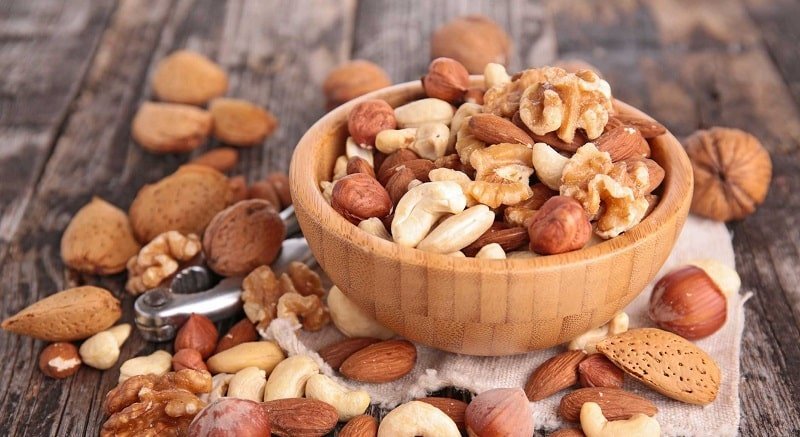
The best nuts for many people with diabetes are unsalted almonds, walnuts, pistachios, peanuts, pecans, hazelnuts, and macadamias, eaten in measured portions. The more useful question is not only what are the best nuts for diabetics, but how they fit your meal pattern, carbohydrate targets, sodium limit, and weight goals. Most nuts are low in digestible carbohydrate and rich in unsaturated fats, fiber, and plant protein. That mix can help slow digestion and make meals more filling.
Key Takeaways
- Best everyday choices: almonds, walnuts, peanuts, pistachios, pecans, hazelnuts, and macadamias.
- Portion size matters: one ounce is the usual serving, about a small handful.
- Label checks help: choose raw or dry-roasted nuts with little or no added salt.
- Limit sweet coatings: avoid candied, honey-roasted, chocolate-covered, and dessert-style mixes.
- Pair with carbs: nuts can soften glucose spikes when eaten with fruit, oats, or whole grains.
Best Nuts for Diabetics: A Practical Ranking
No single nut lowers blood sugar by itself. Still, some choices fit diabetes meal planning especially well because they combine low carbohydrate, fiber, minerals, and heart-healthy fats. This matters because diabetes management often includes blood glucose, cholesterol, blood pressure, and body weight goals.
For everyday use, almonds, walnuts, peanuts, pistachios, pecans, hazelnuts, and macadamia nuts are strong options. Cashews can also fit, but they contain more carbohydrate per ounce than many other nuts. Brazil nuts are low in carbohydrate too, but they are very rich in selenium, so most people keep portions small and avoid making them the main daily nut.
If you want a simple starting point, rotate three or four types during the week. Use almonds or peanuts for snacks, walnuts on yogurt or salads, and pistachios when you want an in-shell option that slows eating. Pecans, hazelnuts, and macadamias work well as lower-carbohydrate toppings, especially when portions are measured.
For more focused reading on individual nuts, see the deeper pages on Walnuts and Diabetes, Cashews and Diabetes, and Peanut Butter Diabetes.
How Nuts Affect Blood Sugar
Nuts usually have a modest effect on postprandial glucose, meaning blood sugar after eating. They contain little available carbohydrate compared with crackers, sweets, chips, or many granola bars. Their fat, fiber, and protein also slow stomach emptying and carbohydrate absorption when eaten as part of a meal.
That does not make nuts a treatment for high glucose. They are a food choice within a larger plan. Blood sugar response still depends on the full meal, portion size, medications, activity, sleep, illness, and individual digestion. Some people see different responses even with the same food, especially if they use insulin or medicines that can cause hypoglycemia (low blood sugar).
Many readers ask whether one nut is the best nut to lower blood sugar. A more accurate answer is that nuts can reduce the glycemic impact of a mixed meal when they replace refined snacks or are paired with carbohydrate foods. For example, apple slices with peanut butter may raise glucose more gradually than apple juice. Oatmeal with chopped almonds may feel more filling than plain sweetened cereal.
Why it matters: Nuts work best when they replace less balanced snacks, not when they are added on top of usual calories.
Portion Sizes: How Many Nuts Per Day?
Most adults use one ounce, or about 28 to 30 g, as a standard serving of nuts. That is roughly a small handful. Depending on your calorie needs and care plan, one serving daily may be enough. Some people can include two smaller servings, especially if nuts replace chips, pastries, or other refined snacks.
Approximate one-ounce portions include 23 almonds, 14 walnut halves, 49 pistachios, 18 cashews, 19 pecan halves, 21 hazelnuts, or 10 to 12 macadamia nuts. These counts vary by nut size, so a food scale gives the most reliable estimate. If you are trying to lose weight, measure portions before eating. Nut calories add up quickly when eaten from the bag.
People often ask how many almonds, walnuts, pistachios, or cashews a person with diabetes can eat per day. In many meal plans, one ounce is the practical answer. If you choose cashews, consider measuring them more carefully because they have more carbohydrate than walnuts, pecans, or macadamias. If you track carbohydrate servings, count the full label value unless your clinician or dietitian has taught you another method.
The calculator below can help estimate carbohydrate servings from packaged snacks or nut mixes. It divides total carbohydrate by a chosen serving target, which may help with general meal tracking. It does not replace individualized nutrition advice.
Carb Serving Calculator
Convert total carbohydrate grams into carb choices for meal planning and diabetes education.
These calculations are for education only and do not replace clinical advice, diagnosis, or treatment. Always confirm medical decisions with a qualified healthcare professional.
Quick tip: Pre-portion nuts into small containers to reduce grazing and improve consistency.
Almonds, Walnuts, Pistachios, Peanuts, and Cashews
Almonds
Almonds are a practical choice because they provide fiber, magnesium, vitamin E, and plant protein. Many people find them filling in small portions. If you are asking whether almond is good for diabetes, the answer is that unsweetened almonds can fit well when portioned and paired sensibly.
Use sliced almonds on oatmeal, chopped almonds on salads, or almond butter on whole-grain toast with a protein source. Choose products without sugar, chocolate, yogurt coating, or syrup glazes. For structured snack ideas beyond nuts, the page on Healthy Snacks for Diabetics offers additional options.
Walnuts
Walnuts are low in carbohydrate and contain alpha-linolenic acid, a plant-based omega-3 fat. They work especially well as a topping because their flavor is strong. A small amount can add crunch and richness without needing a large serving.
For type 2 diabetes meal planning, walnuts often fit in yogurt bowls, salads, roasted vegetables, or oatmeal. Use them chopped if portion control is difficult. This spreads the texture through the meal and makes a smaller amount feel more satisfying.
Pistachios
Pistachios provide fiber, protein, potassium, and unsaturated fats. Their shells can slow eating, which may help with portion awareness. One ounce is often listed as about 49 kernels, but the exact count changes by product.
Pistachios contain more carbohydrate than pecans or macadamias, though still less than many snack foods. Choose unsalted or lightly salted versions. Avoid sweet chili, honey, chocolate, and dessert-coated varieties when added sugar appears on the label.
Peanuts and Peanut Butter
Peanuts are legumes, not tree nuts, but they behave like nuts in meal planning. They contain protein, fat, and fiber with a low glycemic impact when unsweetened. Dry-roasted, unsalted peanuts are usually the simplest choice.
Peanut butter can fit too, but labels matter. Look for peanut butter made with peanuts, with or without salt. Sweetened spreads, chocolate blends, and products with hydrogenated oils are less useful choices. For more detail, review Peanut Butter Diabetes.
Cashews
Cashews are not off-limits, but they deserve more attention to portion size. They contain more carbohydrate per ounce than almonds, walnuts, pecans, or macadamias. A measured one-ounce serving can still fit many diabetes meal plans.
Do cashews raise blood sugar? They can contribute to a rise if the portion is large or if they are eaten with other carbohydrate foods. Plain cashews usually have a lower glycemic impact than cookies or candy, but they are not carbohydrate-free. Choose dry-roasted or raw cashews without sugar glazes.
Pecans, Hazelnuts, Macadamias, and Seeds
Pecans, hazelnuts, and macadamia nuts are lower in carbohydrate and rich in unsaturated fats. They are easy to overeat because they are calorie-dense, so use them as toppings or measured snacks. Two tablespoons of chopped nuts can improve texture without becoming the main calorie source.
Seeds can serve a similar role. Pumpkin seeds, sunflower seeds, chia seeds, and flaxseed add minerals, fiber, and crunch. Choose unsalted versions when possible. Seeds are useful for people who cannot eat tree nuts, though allergies can still occur.
Which Nuts Should Diabetics Avoid?
People with diabetes should usually limit nuts with added sugars, candy coatings, heavy salt, or dessert-style ingredients. The nut itself is rarely the problem. The coating, portion size, and snack mix can change a balanced food into a high-calorie, high-sugar choice.
Watch for terms such as candied, praline, honey-roasted, chocolate-covered, yogurt-covered, maple, caramel, and sweet heat. These products can contain added sugars that raise total carbohydrate. Also check sodium. Salted nuts can fit in some meal plans, but frequent high-sodium snacks may work against blood pressure goals.
Trail mix needs extra care. Many mixes combine nuts with raisins, sweetened dried cranberries, chocolate chips, pretzels, or cereal pieces. Can diabetics eat nuts and raisins? Some can, but raisins are concentrated carbohydrate. A small amount may fit a planned meal, while a large handful can raise glucose quickly. If you enjoy trail mix, build your own with mostly unsalted nuts, a small amount of dried fruit, and no candy.
For broader snack-label strategies, see Healthy Snacking for Diabetes. You can also browse the Diabetes Articles collection for related nutrition topics.
How to Add Nuts to Meals Without Overdoing It
Nuts work best when they support a balanced meal. Add them to foods that already contain fiber, protein, and moderate carbohydrates. This approach is usually better than eating a large bowl of nuts alone while distracted.
At breakfast, add chopped almonds or walnuts to plain Greek yogurt, oats, or a lower-sugar cereal. At lunch, use pistachios or pecans on salads instead of croutons. At dinner, sprinkle cashews over a vegetable stir-fry, or add macadamias to roasted green beans. For snacks, pair a measured nut portion with fruit, raw vegetables, or a small serving of whole grains.
If you use insulin or medicines that can cause low blood sugar, ask your clinician how nuts fit into your hypoglycemia plan. Nuts digest slowly and are not a fast treatment for low glucose. Glucose tablets, juice, or another rapid carbohydrate may be recommended for lows, depending on your care plan.
People with kidney disease, gastroparesis (delayed stomach emptying), swallowing problems, food allergies, pregnancy-related diabetes, or a history of eating disorders should get individualized advice. A registered dietitian can help match portions with carbohydrate goals, appetite, digestion, and medication timing.
Authoritative Sources
Major diabetes organizations emphasize overall eating patterns rather than single superfoods. The American Diabetes Association explains that diabetes nutrition should focus on nutrient-dense foods, portion awareness, and individualized goals; see its food and nutrition guidance.
For heart health, the American Heart Association describes unsaturated fats as preferred replacements for saturated fats in many eating patterns; review its dietary fats guidance. This supports choosing plain nuts in place of many fried or refined snack foods.
For nutrition labels, the U.S. Food and Drug Administration explains how to read serving size, added sugars, sodium, and total carbohydrate; see the Nutrition Facts label guide.
Recap
So, what are the best nuts for diabetics in practical terms? Choose plain almonds, walnuts, peanuts, pistachios, pecans, hazelnuts, or macadamias most often. Use cashews in measured portions, especially if you count carbohydrates closely. Keep servings near one ounce unless your clinician or dietitian recommends another target.
Avoid turning nuts into a sugar source through candy coatings, sweet trail mixes, or dessert flavors. Pair measured portions with high-fiber carbohydrates or protein-rich foods when possible. If glucose readings, weight goals, kidney function, digestion, or medication-related lows are concerns, ask your care team for a plan that fits your situation. For condition-specific browsing, the Diabetes collection can help you navigate related pages.
This content is for informational purposes only and is not a substitute for professional medical advice.