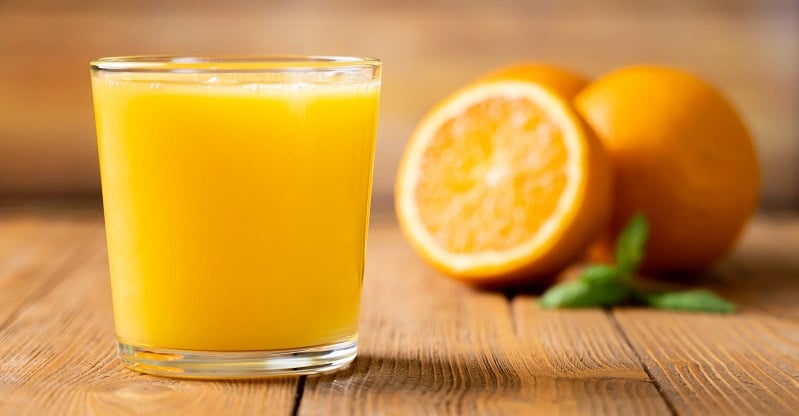
Orange Juice and Diabetes can fit together in limited situations, but orange juice is not the best everyday drink for glucose control. It contains fast-absorbing carbohydrate with little fiber, so it can raise blood glucose quickly, especially when taken alone or in a large glass. Its clearest role is as a measured fast-acting carbohydrate for low blood sugar, not as a routine breakfast beverage.
Why this matters: liquid sugars are easy to underestimate. A small serving may fit some meal plans, while a large pour can add more carbohydrate than expected. Your own meter or continuous glucose monitor is the best way to see how your body responds.
Key Takeaways
- Fast absorption: orange juice can raise glucose quickly.
- Portion size matters: small measured servings are safer.
- Low blood sugar use: juice can help treat hypoglycemia.
- Daily habit caution: whole fruit is usually steadier.
- Label check: choose 100% juice if used.
How Orange Juice Affects Blood Sugar
Orange juice raises blood sugar because it delivers carbohydrate in liquid form. The fruit’s natural sugars are no longer packaged with the same amount of intact fiber found in a whole orange. That matters because fiber slows digestion and can soften the post-meal glucose rise.
A typical glass may contain several orange equivalents, but it does not provide the same fullness. This makes overpouring common. Fresh orange juice can still raise blood sugar because the issue is not only added sugar. The natural carbohydrate load matters, whether the juice is fresh, bottled, pulp-free, or made from concentrate.
People often ask whether orange juice is good for diabetes. A better question is when, how much, and why. If the goal is hydration, water, unsweetened tea, coffee, or sparkling water with citrus are usually better choices. If the goal is vitamin C, a whole orange often provides a steadier option because it contains fiber and requires chewing.
For a fruit-based comparison, see Oranges and Diabetes. It explains why whole citrus usually behaves differently from juice in a diabetes meal plan.
How Quickly Will Orange Juice Raise Blood Sugar?
Orange juice can start raising blood glucose within minutes, with a noticeable change often appearing within about 10 to 20 minutes. The exact response varies by person, meal timing, medication, insulin sensitivity, activity, and the amount consumed.
Juice taken on an empty stomach usually acts faster than juice taken with a mixed meal. Protein, fat, and fiber slow gastric emptying, which means glucose enters the bloodstream more gradually. This does not remove the carbohydrate. It only changes the speed of absorption.
Glycemic index and glycemic load can help frame the response. Glycemic index describes how quickly a carbohydrate-containing food can raise glucose compared with a reference food. Glycemic load also considers the amount of carbohydrate eaten. For practical planning, glycemic load is often more useful because serving size changes the result.
If you track carbohydrate servings, a calculator can help compare juice portions against your usual meal target. It does not replace advice from your clinician or registered dietitian, but it can make label math clearer.
Carb Serving Calculator
Convert total carbohydrate grams into carb choices for meal planning and diabetes education.
These calculations are for education only and do not replace clinical advice, diagnosis, or treatment. Always confirm medical decisions with a qualified healthcare professional.
For more background on glycemic index and meal planning, read Glycemic Index in Diabetes.
When Orange Juice May Be Appropriate
Orange juice is most useful when you need a fast-acting carbohydrate for low blood sugar. Hypoglycemia means blood glucose has fallen below a safe range for you. Symptoms may include shakiness, sweating, hunger, confusion, weakness, or a racing heartbeat.
Many diabetes care plans use measured fast-acting carbohydrate for mild to moderate lows. Orange juice can work for this purpose because it is liquid and absorbed quickly. The key is measurement. Large or repeated unmeasured servings can overshoot the correction and cause a high reading afterward.
If you use insulin or medicines that can cause hypoglycemia, ask your care team how much fast-acting carbohydrate you should keep available. Some people need a specific plan based on their medication, age, pregnancy status, kidney disease, activity level, or history of severe lows.
Quick tip: Keep a small measured juice box for lows, not for routine sipping.
Severe hypoglycemia can become an emergency. If a person cannot swallow safely, is unconscious, has a seizure, or does not improve as expected, emergency care is needed. Friends and family should know whether glucagon is part of the person’s prescribed rescue plan.
Breakfast, Daily Intake, and Portion Decisions
A person with diabetes can sometimes drink orange juice for breakfast, but the serving should be planned. Juice plus cereal, toast, sweetened yogurt, or pastries can create a high carbohydrate meal. That combination may cause a larger post-breakfast rise than expected.
If you choose juice at breakfast, keep it small and pair it with foods that slow absorption. Examples include eggs, plain Greek yogurt, nuts, high-fiber toast, or another protein-rich option. Avoid treating juice as a free beverage. Count it as part of the meal’s carbohydrate load.
Daily orange juice is harder to fit for many people. A daily habit adds frequent liquid sugar exposure and may displace drinks that do not raise glucose. Some people can include small amounts within a structured plan, but others may see repeated spikes. Your pattern matters more than a general rule.
Whole fruit is usually a better routine choice than juice. The fiber, chewing time, and smaller natural portion can make glucose changes more manageable. If you want to compare fruit choices by glucose impact, Low GI Fruits offers useful context. For broader planning, Fruits for Diabetics to Avoid discusses portions and higher-sugar fruit choices without labeling any single fruit as universally forbidden.
What About Eating Oranges at Night?
Whole oranges may fit better at night than juice because they contain fiber. Still, timing matters if you struggle with overnight highs or lows. Check your readings and discuss repeated patterns with your care team, especially if medication timing may be involved.
Choosing Juice More Safely
No orange juice is sugar-free unless it is not truly orange juice. If you use it, choose 100% juice and avoid juice drinks, punches, cocktails, or blends with added sugars. These products can contain extra sweeteners while still using fruit images on the label.
Use the Nutrition Facts panel rather than front-label claims. Compare total carbohydrate per serving, serving size, and added sugars. A bottle may contain more than one serving. Pulp may add texture, but it does not restore the fiber level of a whole orange.
- Measure first: pour 4 ounces instead of guessing.
- Count carbohydrates: include juice in the meal total.
- Pair strategically: add protein or fiber-rich food.
- Avoid grazing: do not sip juice for hours.
- Retest patterns: compare readings after different portions.
For a broader carbohydrate framework, How Much Sugar Can a Diabetic Have explains why total carbohydrate, added sugar, and meal context all matter.
Orange Juice Compared With Other Drinks
Most fruit juices share the same core issue: they contain liquid carbohydrate with little fiber. Apple juice, grape juice, pineapple juice, and mixed fruit blends can all raise glucose quickly. Switching fruit juice types does not automatically solve the problem.
Vegetable juice can be lower in sugar, but labels still matter. Some tomato or vegetable blends contain added sodium, which may not fit a blood pressure or kidney-health plan. Look for lower-sodium versions if vegetable juice is part of your routine, and avoid blends that add fruit juice for sweetness.
Low-sugar juices for people with diabetes are usually not special medical products. They are beverages with less total carbohydrate, no added sugars, or smaller serving sizes. Unsweetened drinks remain the simplest routine options. Water, unsweetened tea, coffee without sugary add-ins, and sparkling water with citrus slices are common choices.
If you are looking for more diabetes nutrition reading, the Diabetes Articles collection can help you compare food, glucose, and medication topics. The Diabetes condition page is a browseable condition-related collection, not a substitute for clinical advice.
Blood Pressure, Potassium, and Medication Context
Orange juice contains potassium, a mineral involved in normal blood pressure regulation. That does not make it a blood pressure treatment. The sugar load, total diet, sodium intake, kidney function, body weight, and medications all affect the overall picture.
People with kidney disease or potassium restrictions should not increase potassium-rich foods or drinks without medical guidance. This is especially important if you take medicines that can raise potassium levels. A registered dietitian can help balance glucose goals with kidney and heart-health needs.
Grapefruit juice is different from orange juice because it can interact with several medications. Plain orange juice is not known for the same broad interaction pattern, but medication questions should be checked with a pharmacist or prescriber. Bring your usual drinks into that conversation, including supplements and fortified products.
When to Get Personalized Guidance
Ask for individualized advice if juice causes repeated highs, if you have frequent lows, or if you are unsure how to count liquid carbohydrates. This is especially important during pregnancy, after medication changes, with kidney disease, with gastroparesis (delayed stomach emptying), or with a history of severe hypoglycemia.
A clinician or registered dietitian can help set carbohydrate targets and review glucose patterns. They may also help you decide whether juice belongs only in a low-blood-sugar kit or can fit occasionally with meals.
CanadianInsulin.com provides educational information alongside prescription referral services. Where required, prescription details may be confirmed with the prescriber, while dispensing is handled by licensed third-party pharmacies where permitted.
Authoritative Sources
For hypoglycemia treatment principles, review the American Diabetes Association hypoglycemia guidance.
For carbohydrate counting and diabetes meal planning basics, see the CDC carbohydrate counting resource.
For nutrient details on orange juice, use the USDA FoodData Central database and search the specific product or juice type.
Recap
Orange Juice and Diabetes requires careful portion control because juice is a fast-acting liquid carbohydrate. It can help treat low blood sugar when measured, but it is usually less suitable as an everyday drink. Whole oranges, unsweetened beverages, and lower-sugar vegetable options often fit routine diabetes planning better.
If you include juice, choose 100% juice, measure the serving, count the carbohydrate, and check your glucose response. Repeated highs or lows deserve a care-team review rather than more trial and error.
This content is for informational purposes only and is not a substitute for professional medical advice.