
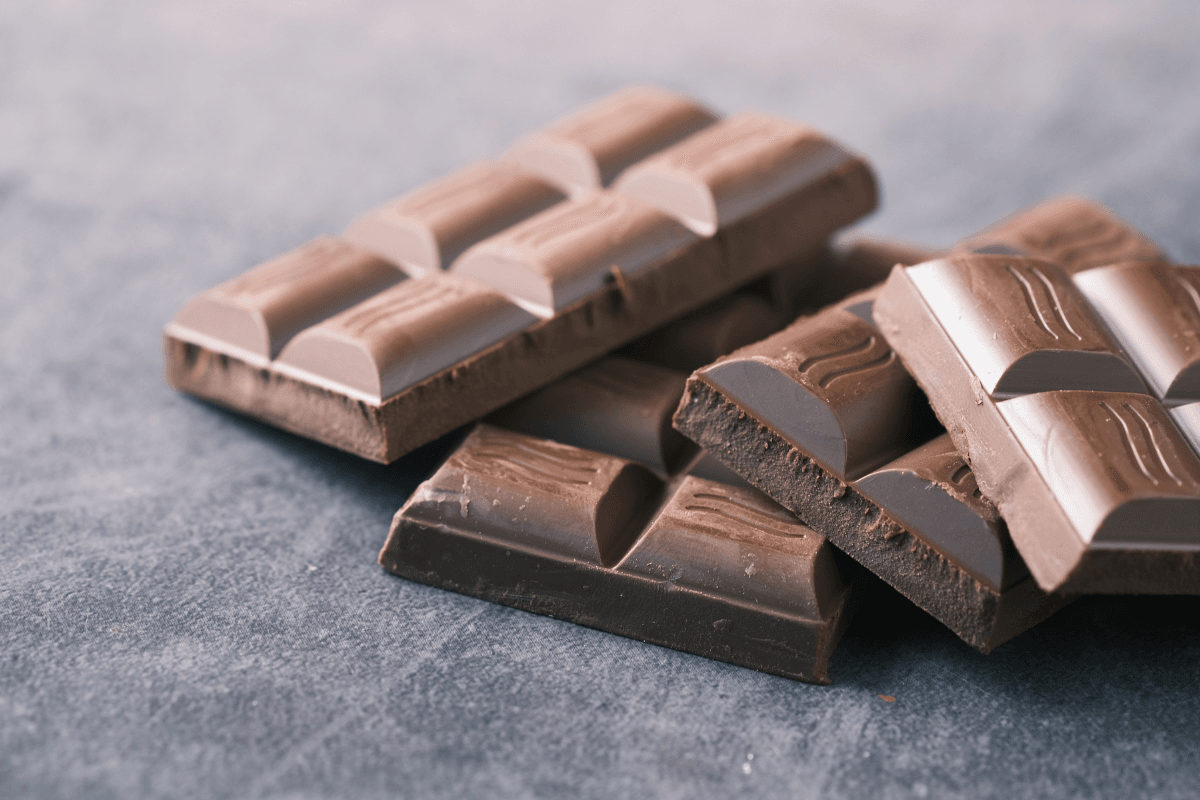
Many people ask how dark chocolate fits into diabetes care. Framed correctly, it can be an occasional treat. This article explains dark chocolate and diabetes with clear guidance on cocoa content, portions, and glycemic impact. We translate research into practical choices you can apply today.
Key Takeaways
- Portion control matters most, even with high-cocoa bars.
- Higher cocoa means less sugar, but taste and tolerance vary.
- Added sugar, milk, and fillings raise glucose faster.
- Use chocolate carefully for lows; glucose tabs work better.
How Dark Chocolate and Diabetes Interact
Dark chocolate is cocoa solids plus cocoa butter, often with sugar. More cocoa usually means less sugar per gram. Polyphenols (flavanols) in cocoa may support vascular function, but effects on blood glucose are modest. Quality, portion size, and add-ins drive glycemic response more than any single nutrient.
Carbohydrate is the main driver of post-meal glucose. Most standard dark bars include 20–30 g carbs per 40 g serving, depending on cocoa percent and fillings. Fat from cocoa butter can slow gastric emptying, leading to a delayed rise. That delay can fool timing around insulin or activity. For a broader context on diet and diabetes topics, see Diabetes for curated articles and practical explainers.
Independent nutrition reviews summarize potential cardiovascular benefits of cocoa flavanols. For an evidence overview on chocolate and health, see the Harvard nutrition review, which discusses composition and cardiometabolic context.
Cocoa Percentage, Portions, and Practical Choices
Higher cocoa means less room for sugar. A 70% bar often contains fewer sugars than a 55% bar of equal weight. However, serving size remains critical. A sensible treat portion is about 15–20 g (roughly 1–2 squares), eaten with or after a meal to blunt spikes. This is why label reading and weighing or pre-portioning can help.
People often ask what percentage of dark chocolate is good for diabetics. In practice, many find 70–85% balances taste and lower sugar. Some enjoy 90% cocoa, which is very low in sugar but more bitter. Start with a small portion and track your two-hour post-meal reading to personalize your threshold. If you need alternative snack ideas that travel well, explore Healthy Snacks for Diabetics for fiber-rich options to stabilize energy.
Glycemic Response: Sugar, Milk, and Add-Ins
Sweeteners, milk solids, nougat, caramel, and dried fruit push sugars upward. Nuts add fat and fiber, which can slow absorption but add calories. Practical question: does dark chocolate raise blood sugar? Yes, it can, mainly from its carbohydrate content, though fat may delay the peak. Timing and portion size determine the magnitude of change.
Milk chocolate contains more sugar and milk powder than high-cocoa bars, so it tends to produce higher spikes. If you are curious about dairy’s broader role in glucose management, see Diabetes-Friendly Dairy for carb content and selection pointers. For comparisons specific to dairy and chocolate drinks, the overview in Chocolate Milk and Diabetes explains why sweetness and protein shift post-meal readings.
When intake overshoots, hyperglycemia can occur. For a neutral refresher on symptoms and physiology, the Sugar High Guide outlines signs and monitoring tactics. Consider pairing small portions with meals rich in protein and non-starchy vegetables to temper glucose excursions.
Using Chocolate Wisely in Hypoglycemia
Chocolate is not ideal for rapid correction of lows. Its fat slows absorption, so it may not raise glucose quickly enough during symptomatic hypoglycemia. When you need immediate treatment, quick carbohydrates like glucose tablets or juice work better. Authoritative guidance emphasizes fast-acting carbs first, followed by a check and a snack if needed.
For step-by-step instructions on treating low blood sugar, the ADA hypoglycemia guidance explains the 15-15 approach. If you are unsure what to eat when blood sugar is low, prioritize 15 g of fast-acting carbs, then recheck in 15 minutes, and repeat if necessary. For in-depth strategies and patterns, see Manage Hypoglycemia for timing, prevention, and follow-up tips. To understand how hypoglycemia differs from high readings, Hypoglycemia vs. Diabetes provides a clear contrast of mechanisms and symptoms.
Choosing Products and Label Literacy
Start by checking serving size, total carbohydrates, added sugars, and fiber. Aim for short ingredient lists where the first item is cocoa mass or cocoa liquor. Watch for fillings and crispy inclusions, which boost sugar content per bite. Keep portions small, and consider pre-wrapping single servings to avoid mindless eating.
Some people prefer sugar-free options sweetened with sugar alcohols or stevia. Breathable options exist from several brands; always test your response. Those sensitive to sugar alcohols may experience gastrointestinal effects. If you choose lindt sugar free chocolate, review net carbs and consider a very small trial portion with monitoring. For nutrition shakes used alongside occasional treats, see Glucerna for products formulated to support blood sugar control.
Sugar-Free and High-Cocoa Options
High-cocoa bars (70–90%) usually contain less sugar per gram, but they taste more bitter. Many people acclimate by stepping up gradually from 60% to 70% and beyond. Sugar-free dark chocolate for diabetics can reduce added sugars, yet total carbs and calories still count. Check labels for fiber content, which modestly blunts absorption. When evaluating routine medications alongside dietary changes, the overview in Diabetes Medications Overview helps frame how nutrition choices interact with pharmacotherapy targets.
Type 2 Diabetes, Cardiometabolic Health, and Chocolate
Cocoa flavanols may support endothelial function, yet chocolate remains an energy-dense confection. The key is moderation. People often ask, is dark chocolate good for diabetes type 2. A small portion of high-cocoa chocolate can fit into some meal plans, but it does not replace vegetables, legumes, or whole grains for cardiometabolic benefit.
For individuals on SGLT2 inhibitors or GLP-1 therapies, diet still carries weight in reaching A1C goals. If you want background on SGLT2s in context, see Farxiga Dapagliflozin for molecule and class information. Keep treats occasional, track post-meal readings, and prioritize nutrient-dense foods first. For broader nutrition planning, browse Diabetes Products to see medical nutrition items that may support personalized goals.
Related Foods, Timing, and Meal Context
Timing influences post-meal glucose. Eating a small piece of dark chocolate after a protein-rich meal may temper spikes compared with eating it alone. Simple sugars and refined starches are the primary drivers of rapid rises. If you need to know what foods raise blood sugar quickly, think fruit juice, regular soda, candies, and white bread—these act faster than high-fat chocolate.
Not every snack needs to be sweet. Savory, high-fiber options can stabilize energy between meals. For ideas that complement or replace confectionery, the guide to Healthy Snacks for Diabetics offers portable, lower-glycemic alternatives. If you’re adjusting treats after a spike, see Sugar Detox Basics for a measured look at short-term restriction versus sustainable habit change.
Recap
High-cocoa dark chocolate can fit into a diabetes meal plan when portions stay small and labels are read carefully. Choose higher cocoa, watch added sugars, and pair treats with balanced meals. Monitor personal responses and keep hypoglycemia treatment separate from dessert choices.
Note: Track two-hour post-meal readings after trying a new chocolate to learn your personal threshold.
This content is for informational purposes only and is not a substitute for professional medical advice.


