
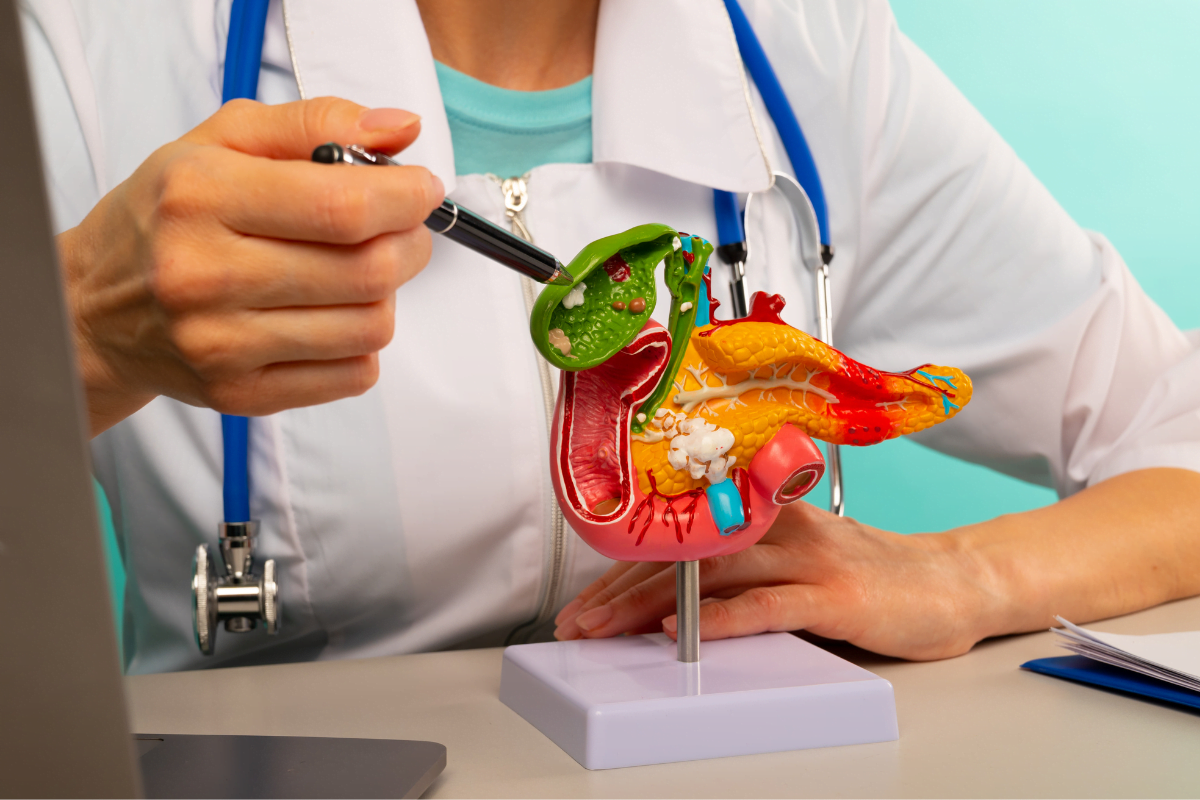
Many people ask how Wegovy and gallbladder complications connect during weight loss. Evidence suggests a small but real risk, especially with rapid weight changes. This article explains mechanisms, symptoms, and practical risk reduction, so you can monitor confidently and act promptly when needed.
Key Takeaways
- Risk exists but is modest: gallstones and cholecystitis can occur.
- Weight loss is a driver: rapid loss increases biliary stasis risk.
- Know red flags: right‑upper‑quadrant pain, fever, persistent vomiting.
- Mitigate proactively: gradual weight loss, hydration, balanced fat intake.
- Monitor smartly: symptom checks first, labs if clinically indicated.
Wegovy and gallbladder: What the Evidence Shows
Semaglutide is a GLP‑1 receptor agonist used for chronic weight management. Clinical trials reported higher rates of gallbladder events, such as cholelithiasis (gallstones) and cholecystitis (gallbladder inflammation), compared with placebo. Much of this risk appears related to the physiology of weight loss, which can slow gallbladder emptying and concentrate bile. The official prescribing information notes gallbladder disease as a potential adverse reaction, emphasizing clinical monitoring when symptoms arise. For safety context from the source label, see the FDA’s prescribing information.
In major obesity trials, investigators documented events consistent with gallstones during intensive weight reduction. Absolute rates were generally low, but the signal remained consistent. A peer‑reviewed summary of the STEP program provides event estimates and context for clinicians and patients making risk–benefit decisions; see this STEP trial analysis for published outcomes. Because weight change itself is a contributor, people using lifestyle‑only interventions may face similar risks during rapid loss.
For a broader overview of GI adverse effects during therapy, you can review Side Effects of Wegovy for a curated summary, which complements the gallbladder focus here; see Side Effects of Wegovy for additional context.
What Puts the Gallbladder at Risk on GLP-1 Therapy
Gallbladder function depends on coordinated emptying after meals. During energy restriction and rapid weight loss, bile can become supersaturated with cholesterol. Slower gallbladder emptying then promotes sludge formation, which can harden into stones. GLP‑1 agents may modestly reduce cholecystokinin‑mediated gallbladder contraction after eating, compounding the effect of caloric deficit. In practice, the largest risks cluster in people losing weight quickly, especially with older age, a prior gallstone history, or higher triglycerides.
If you experience new right‑upper‑quadrant discomfort or prolonged nausea while on semaglutide, clinicians often consider gallbladder issues wegovy among the differentials. However, not every stomach upset reflects biliary disease. Other causes include routine gastrointestinal intolerance, dehydration, or unrelated infections. A balanced assessment weighs symptom pattern, exam findings, and the pace of weight change. For topic overviews on GI concerns related to these medicines, see the Gastrointestinal article hub for related discussions and updates.
Symptoms to Watch and When to Seek Care
Classic biliary symptoms include sudden right‑upper‑quadrant or epigastric pain that may radiate to the back or right shoulder. Pain often follows a fatty meal and can last hours. Associated signs include fever, chills, persistent vomiting, clay‑colored stools, dark urine, or yellowing of the eyes. Severe or worsening symptoms warrant prompt medical evaluation, particularly if there is tenderness over the gallbladder or abnormal vital signs.
Patients sometimes ask, what are the worst side effects of wegovy during treatment. Life‑threatening events are rare, but gallbladder infection and pancreatitis need urgent care. If symptoms suggest biliary disease, clinicians may order lab tests (liver enzymes, bilirubin) and an ultrasound. For weight‑management context that intersects with symptom patterns during loss, see Wegovy Weight Loss for how dosing and lifestyle changes interplay.
Reducing Risk: Practical Steps During Treatment
Risk reduction emphasizes gradual, sustainable weight loss with sufficient hydration and balanced fat intake. Extremely low‑calorie diets can raise lithogenic bile levels; modest caloric deficits are safer for the biliary system. Include healthy fats in small portions to stimulate regular gallbladder emptying. Prioritize fiber, lean proteins, and complex carbohydrates. Maintain daily activity to support GI motility and metabolic health. These steps also help limit nausea, reflux, and constipation during dose escalation.
If you wonder how can i reduce the side effects of wegovy, structured titration and meal timing are key. Eat smaller, more frequent meals; avoid large, high‑fat feasts. Sip fluids regularly. Pause escalation if GI symptoms are troublesome, then advance only after improvement per your clinician’s plan. For practical nutrition strategies that align with GLP‑1 use, see Diet and Weight Loss for food pattern ideas that minimize intolerance. You can also browse the Weight Management hub for longitudinal guidance.
Tip: Keep a symptom diary noting meal composition, timing, and weekly weight change. Patterns often reveal triggers you can modify quickly.
Alcohol, Other Drugs, and Special Populations
Alcohol can aggravate nausea, vomiting, and gastritis while on GLP‑1 therapy. It also complicates the assessment of abdominal pain. Because dehydration worsens biliary stasis, moderation and careful hydration matter. If you are tracking potential wegovy side effects with alcohol, plan alcohol‑free weeks during dose increases. People with prior pancreatitis, high triglycerides, or liver disease should discuss safer thresholds and monitoring plans with their clinician.
Some groups face distinct considerations. Estrogen exposure, pregnancy, and the postpartum period raise baseline gallstone risk. Women also more commonly report nausea and constipation on GLP‑1s, which can obscure early biliary symptoms. People taking fibrates or rapid‑loss regimens may increase gallstone risk further. For perspectives on alcohol’s impact in a related GLP‑1, see Zepbound and Alcohol where overlapping principles for GI tolerance are reviewed. Cardio‑metabolic considerations are covered in Wegovy and Your Heart to contextualize systemic risks.
Comparing Agents: Semaglutide vs Alternatives
People often compare GLP‑1 options when biliary risks are on the table. Head‑to‑head data are limited, and differences may relate more to the amount and speed of weight loss than any single molecule. Still, patient preferences, dose forms, and titration schedules can influence GI tolerance and meal patterns. A balanced comparison can help set expectations and monitoring plans for your situation.
If you are evaluating wegovy vs ozempic, remember that both contain semaglutide but differ in indicated doses and labels. Oral semaglutide is an alternative for some, while other incretin medicines may suit different goals. For broader comparisons and decision frameworks, see Wegovy vs Zepbound and Wegovy vs Mounjaro to review mechanisms and GI profiles. Product pages such as Rybelsus Semaglutide Pills and Saxenda Injection can help you compare formulations and dosing logistics.
Stopping or Pausing Treatment: Gallbladder Outcomes
Stopping a GLP‑1 does not instantly resolve every GI or biliary concern. If stones have formed, symptoms can persist until the underlying issue is treated. Some patients notice that pain flares decrease as weight stabilizes, while others require imaging or surgical evaluation. A careful history of symptom timing versus dose changes helps clarify the likely cause.
Understanding what happens when you stop taking wegovy can guide expectations. Nausea and appetite effects usually fade over days to weeks, but gallstone symptoms depend on anatomical changes. Because rapid weight regain also stresses the biliary system, steady nutrition and activity are important during transitions. For weight‑change planning after medication adjustments, see Ozempic Rebound to explore strategies that support maintenance.
Monitoring Plan and Clinical Follow-Up
Routine monitoring focuses on symptom surveillance rather than blanket testing. Ask about biliary‑type pain at each visit, especially during dose escalation or periods of rapid loss. Physical exam and basic labs are reserved for concerning patterns. Ultrasound remains the first‑line imaging test if gallbladder disease is suspected. Education on red flags and when to seek urgent care is essential for safety.
People often worry about wegovy long-term side effects that might quietly develop. For gallbladder specifically, most issues declare themselves with symptoms you can recognize early. Longitudinal follow‑up should also track weight trajectory, hydration, and meal composition, which influence biliary physiology. For patients and clinicians planning a broader therapy pathway, product references like Wegovy and class comparisons such as Tirzepatide vs Semaglutide offer dosing and mechanism details that inform monitoring. To explore device and pill options across categories, browse Weight Management Products with attention to administration preferences.
When to Escalate Care and Use Imaging
Seek urgent evaluation for severe, localized right‑upper‑quadrant pain with fever, jaundice, or persistent vomiting. In the clinic, an ultrasound can detect stones, sludge, or gallbladder wall thickening. If labs show elevated bilirubin or liver enzymes, clinicians may assess for bile duct obstruction. Early imaging reduces complications and guides timely referral to surgical teams when needed. For background on gallstone formation and complications linked to weight change, the NIDDK provides a concise overview; see this gallstones resource for patient‑friendly explanations.
Recap
Gallbladder events with GLP‑1 therapy are uncommon but important to recognize early. Rapid weight loss drives much of the risk, and smart dietary and hydration habits help. Track symptoms, escalate care when red flags appear, and tailor monitoring to your personal risk factors. With informed oversight, most people navigate therapy safely and effectively.
This content is for informational purposes only and is not a substitute for professional medical advice.


