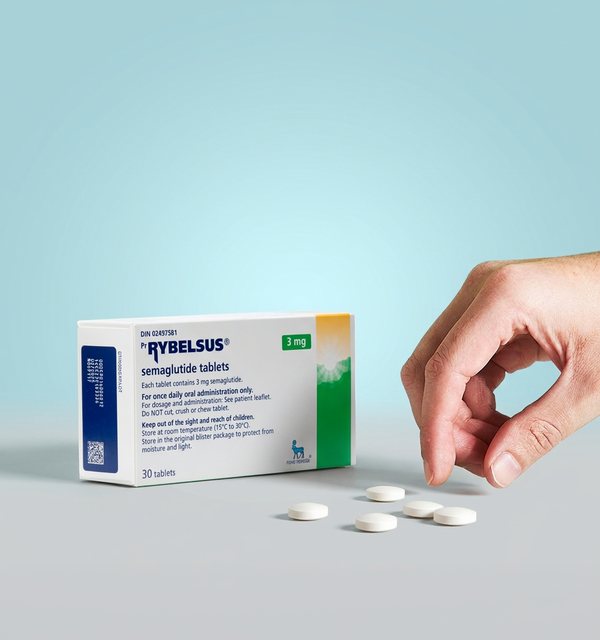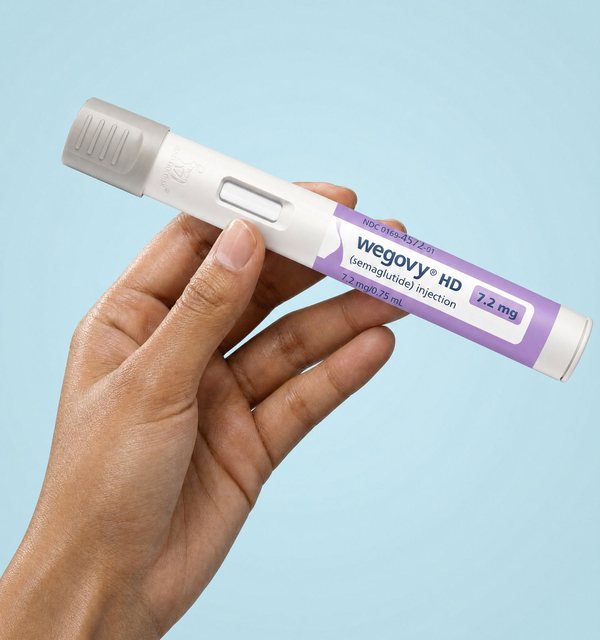


Yes, can Wegovy cause heartburn is a reasonable concern. Wegovy (semaglutide) can slow stomach emptying, which may leave food and acid in the stomach longer. That can increase pressure, burping, sour regurgitation, and burning behind the breastbone in some people. Most symptoms are mild, but persistent reflux, repeated vomiting, chest pain, or severe abdominal pain should be assessed promptly.
Key Takeaways
- Delayed emptying: Semaglutide can slow stomach transit and aggravate reflux.
- Pattern matters: Symptoms often appear after starting or increasing a dose.
- Most cases: Smaller meals, timing changes, and acid control may help.
- Red flags: Chest pain, dehydration, black stools, or severe abdominal pain need care.
- Do not self-adjust: Discuss ongoing symptoms before changing your prescription plan.
Why Wegovy Can Trigger Heartburn
Wegovy may cause reflux symptoms because it changes how quickly the stomach moves food forward. Semaglutide is a GLP-1 receptor agonist. This medicine supports weight management partly by reducing appetite and slowing gastric emptying (the movement of food from the stomach into the small intestine).
That slower transit can be useful for fullness, but it can also create discomfort. A fuller stomach may stretch more after meals. It may also increase pressure near the lower esophageal sphincter, the valve-like muscle between the stomach and esophagus. When acid or stomach contents move upward, people may feel heartburn, sour taste, burping, or throat irritation.
Heartburn is not always listed as the most common complaint. Nausea, vomiting, diarrhea, constipation, and abdominal pain tend to be more prominent gastrointestinal effects. Still, reflux and indigestion can occur, especially when meals are large, high in fat, eaten late, or followed by lying down.
Why it matters: Reflux can look simple, but some symptoms overlap with urgent conditions.
For related digestive side effects, see Gastrointestinal Side Effects of Wegovy. The Gastrointestinal Articles collection also groups broader digestive topics.
Symptoms That Suggest Reflux or Indigestion
Heartburn usually feels like burning or warmth behind the breastbone. It may rise toward the throat after meals. Some people notice a sour or bitter taste, frequent burping, chest pressure, hoarseness, or a cough that worsens at night.
Indigestion can feel slightly different. It may cause upper abdominal fullness, bloating, early satiety, nausea, or discomfort under the ribs. These symptoms can overlap with reflux, delayed stomach emptying, gallbladder disease, or other digestive problems. A symptom log can help separate patterns from isolated events.
Track simple details for one to two weeks if symptoms are mild. Note meal size, fatty foods, spicy foods, alcohol, carbonated drinks, dose timing, and whether symptoms appear after lying down. Also record vomiting, diarrhea, constipation, and hydration status. This information can help your clinician decide whether reflux care is enough or whether another issue needs evaluation.
Some people also report Wegovy nausea and diarrhea alongside reflux. That cluster may reflect medication-related gastrointestinal sensitivity, but it can also increase dehydration risk. If vomiting or diarrhea persists, do not wait for severe thirst or dizziness before asking for advice.
When Heartburn Is a Warning Sign
Most mild heartburn is not an emergency, but some symptoms need prompt evaluation. Seek urgent care for chest pain, pressure spreading to the arm or jaw, shortness of breath, fainting, or sweating. These symptoms may not be reflux.
Digestive red flags also matter. Repeated vomiting, vomiting blood, black or tar-like stools, severe abdominal pain, fever, dehydration, or trouble swallowing should be assessed. Vomiting green fluid or material that looks like coffee grounds is also concerning.
Wegovy labeling includes warnings for serious problems such as pancreatitis, gallbladder disease, kidney injury related to fluid loss, and severe gastrointestinal reactions. These are not the usual explanation for simple heartburn, but they are important if symptoms are intense, persistent, or paired with severe pain.
If you are worried about gallbladder symptoms, Wegovy and Gallbladder Health explains why right upper abdominal pain deserves attention. For pancreatic warning signs, see Can Wegovy Cause Pancreatitis.
How to Reduce Heartburn While Using Semaglutide
Simple behavior changes often reduce reflux burden. Eat smaller meals and slow your pace. Avoid lying down for at least two to three hours after dinner. Large evening meals are a common trigger because they combine stomach fullness with a flat body position.
High-fat foods can worsen symptoms because they delay stomach emptying further. Tomato sauces, citrus, chocolate, peppermint, coffee, spicy foods, carbonated drinks, and alcohol can also aggravate reflux in some people. Not everyone reacts to the same foods, so broad restriction is not always necessary.
- Meal size: Choose smaller portions more often.
- Meal timing: Finish dinner earlier when possible.
- Body position: Stay upright after eating.
- Night symptoms: Raise the head of the bed.
- Clothing pressure: Avoid tight waistbands after meals.
- Trigger testing: Change one factor at a time.
Quick tip: If symptoms flare after a dose increase, keep meals especially small for several days.
Over-the-counter antacids may help occasional symptoms. H2 blockers and proton pump inhibitors reduce acid more strongly, but frequent use should be discussed with a clinician, especially if symptoms continue beyond short-term relief. Acid control may reduce burning, but it does not fix severe delayed emptying or repeated vomiting.
Some readers ask how to stop feeling sick on Wegovy without losing progress. The safest answer is not to skip or change doses on your own. Instead, discuss timing, dose escalation, hydration, meal patterns, and symptom severity with the prescriber. For related nausea and bowel symptoms, Can Wegovy Cause Diarrhea and Does Wegovy Cause Constipation cover common patterns.
Timing: When Symptoms Start and How Long They Last
Reflux, nausea, and fullness often appear early in treatment or after dose escalation. Some people notice Wegovy day 1 side effects, while others feel fine until a higher step. The pattern varies because meal size, baseline reflux, alcohol use, other medicines, and individual gut motility all play a role.
Many gastrointestinal side effects lessen as the body adapts. However, symptoms that persist, worsen, or interfere with fluids and nutrition deserve review. Heartburn that occurs most days, wakes you from sleep, causes swallowing trouble, or requires continuous self-treatment should not be ignored.
People often ask how long nausea lasts with Wegovy or how long Wegovy side effects last. There is no single answer. Some episodes are brief, while others recur around dose increases. If symptoms appear before every injection or worsen after each step, ask your prescriber whether the treatment schedule needs reassessment.
For product context, the Wegovy page summarizes the medication listing. Broader weight-management resources are grouped in the Weight Management Articles collection.
Alcohol, Meals, and Other Triggers
Alcohol can worsen reflux, nausea, and dehydration in some people using semaglutide. It may relax the lower esophageal sphincter and irritate the stomach lining. It can also make late-night eating more likely, which increases reflux risk.
There is no best alcohol to drink on Wegovy for avoiding side effects. If you choose to drink, keep intake modest, avoid drinking close to bedtime, and notice whether symptoms worsen after specific drinks. Carbonation, high-sugar mixers, and larger portions can be harder to tolerate for some people.
Other medicines and supplements can also affect symptoms. Iron tablets, potassium, some pain relievers, and certain antibiotics may irritate the stomach or esophagus. Do not stop prescribed medicines without advice, but mention them if reflux becomes frequent.
Long-Term Safety Questions Beyond Heartburn
Can Wegovy cause heartburn is usually a tolerability question, but many readers also worry about long-term side effects. Label warnings include pancreatitis, gallbladder problems, kidney injury from dehydration, serious allergic reactions, and a boxed warning about thyroid C-cell tumors based on rodent findings. Wegovy should not be used by people with a personal or family history of medullary thyroid carcinoma or MEN 2.
Searches about Wegovy side effects cancer or whether anyone got thyroid cancer from Ozempic often reflect understandable anxiety. Anecdotes cannot prove cause and effect. The most reliable source for current contraindications and warnings is the official prescribing information, reviewed with a clinician who knows your history.
Hair shedding can occur during rapid weight loss from many causes, including major diet changes and medication-assisted weight reduction. This is often telogen effluvium, a temporary shift in the hair-growth cycle. Adequate protein and micronutrient intake matter, but persistent hair loss should be evaluated for iron deficiency, thyroid disease, stress, or other causes.
Some readers search for Wegovy side effects in females. The main adverse effects are similar across adults, but menstrual symptoms, pregnancy planning, iron supplementation, and nausea sensitivity may affect how symptoms feel. Wegovy is not recommended during pregnancy, and pregnancy plans should be discussed before treatment decisions.
When to Discuss Switching or Reassessing Treatment
Reflux alone does not automatically mean a person needs a different weight-management medicine. The decision depends on severity, duration, red flags, response to practical changes, and overall benefit-risk balance. Avoid using online Wegovy reviews as the main basis for changing therapy because experiences vary widely.
Bring specific details to your prescriber. Describe when symptoms began, whether they followed a dose increase, how often they occur, what helps, and whether vomiting, dehydration, constipation, diarrhea, or abdominal pain is present. This is more useful than saying only that the medicine is causing heartburn.
Some people compare GLP-1 medicines with other weight-management options. Alternatives may have different mechanisms and side-effect profiles, but none are side-effect free. If comparing options, keep the discussion focused on your medical history, contraindications, goals, and tolerability rather than brand popularity.
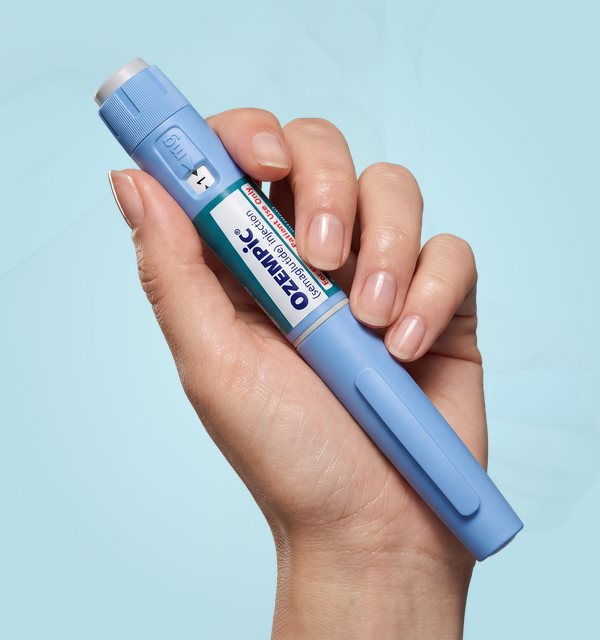
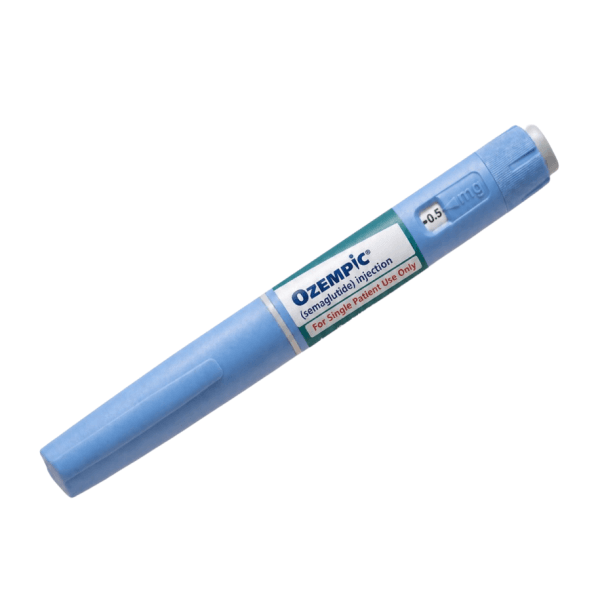
Related listings include Ozempic Semaglutide Pens, Zepbound, Saxenda, and Mounjaro KwikPen. These links are for medication context, not a recommendation to switch.
CanadianInsulin.com is a prescription referral platform, and prescription details may be confirmed with the prescriber when required. Dispensing and fulfilment are handled by licensed third-party pharmacies where permitted.
Authoritative Sources
The official Wegovy prescribing information lists adverse reactions, contraindications, boxed warnings, and safety precautions. It is the key source for label-backed medication risks.
The FDA also provides consumer drug safety context through its drugs information resources, including updates and medication safety communications.
For general reflux background, the NIDDK explains symptoms and care pathways in its GERD in adults resource.
Recap
Wegovy can contribute to heartburn because semaglutide slows stomach emptying and can increase reflux after meals. Smaller portions, earlier meals, upright posture, trigger tracking, and short-term acid control may help mild symptoms. Severe pain, repeated vomiting, dehydration, chest pain, black stools, or trouble swallowing needs prompt medical attention.
Can Wegovy cause heartburn should be discussed in context, especially if symptoms began after a dose change or occur with other digestive side effects. Keep notes, avoid self-adjusting the prescription plan, and review persistent symptoms with your healthcare professional.
This content is for informational purposes only and is not a substitute for professional medical advice.