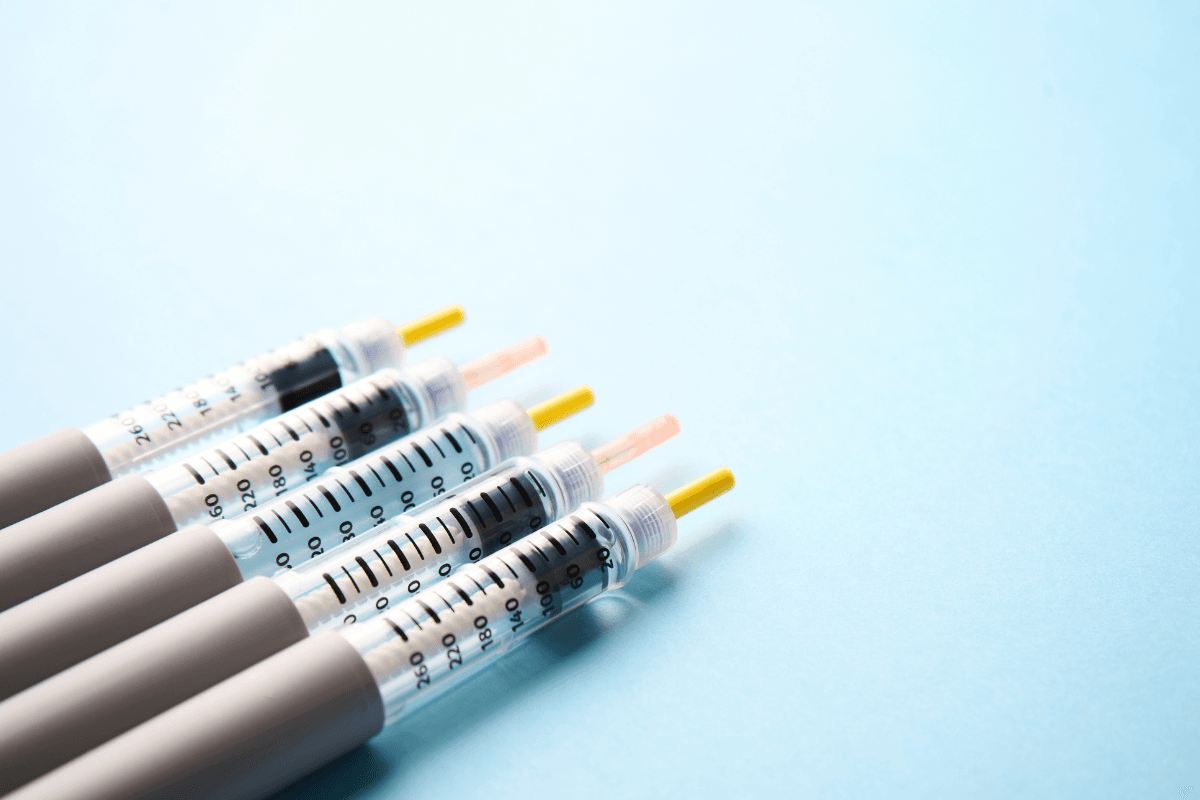
People often compare Tirzepatide vs Semaglutide when choosing a weekly weight management injection. Both target appetite regulation and glycemic control, yet they differ in receptor activity, titration steps, and tolerability. This overview highlights what matters for real-world use, including dosing schedules, adverse effects, and switching considerations.
Key Takeaways
- Dual vs single action: tirzepatide targets GIP and GLP-1; semaglutide targets GLP-1 only.
- Dose escalation reduces side effects; titration schedules differ across products.
- Evidence suggests larger average weight reductions with tirzepatide in some trials.
- Switching requires clinical oversight; no one-to-one dose conversion applies.
- Coverage, tolerability, and goals often determine the most practical choice.
Tirzepatide vs Semaglutide: Core Similarities and Differences
Both medicines are once-weekly injections used for chronic weight management and type 2 diabetes care. Semaglutide is a GLP-1 receptor agonist (incretin mimetic), while tirzepatide is a dual GIP/GLP-1 receptor agonist. These pathways influence satiety, gastric emptying, and insulin secretion, which can help reduce calorie intake and improve glycemic measures.
Formulations vary by brand and indication. Semaglutide is available as Wegovy for weight management and Ozempic for diabetes; tirzepatide is offered as Zepbound for weight management and Mounjaro for diabetes. For a mechanism-focused comparison of related agents, see Wegovy vs Mounjaro for context on receptor activity. For ongoing coverage of obesity pharmacotherapy, the Weight Management Articles hub aggregates updates and comparisons.
How They Work: Dual Agonist vs GLP-1
Tirzepatide activates two incretin receptors (GIP and GLP-1). This dual mechanism may enhance appetite suppression and metabolic effects across several pathways. Semaglutide activates GLP-1 receptors, which also reduces appetite and slows gastric emptying. These pharmacologic differences can translate to variations in tolerability and weight outcomes, depending on individual response.
Both agents are part of comprehensive care that includes nutrition, activity, and sleep support. Clinicians also consider comorbidities such as diabetes, sleep apnea, or cardiovascular risk when selecting an agent. For broader background on how these medicines fit modern care, see Diet With GLP-1 Medications for practical lifestyle integration tips.
Dosing and Titration for Weight Management
Labels recommend gradual titration to improve tolerance, especially with gastrointestinal effects. The starting dose, escalation steps, and target maintenance dose differ by product. Your prescriber typically evaluates prior exposure to GLP-1/GIP medicines, recent side effects, and overall goals before setting a schedule. This section summarizes labeled starting approaches and why slow steps matter.
Many readers ask about tirzepatide dosage for weight loss. Below is a high-level, label-based comparison. Dose decisions remain individualized; do not adjust without clinical guidance. For labeled titration steps, see Zepbound and Wegovy product pages for brand-specific details.
| Medicine (brand) | Typical Starting Dose | Escalation Steps | Usual Maintenance Range |
|---|---|---|---|
| Tirzepatide (Zepbound) | 2.5 mg once weekly | Increase in 2.5 mg steps at 4-week intervals | 5 mg to 15 mg weekly |
| Semaglutide (Wegovy) | 0.25 mg once weekly | Increase in 0.25–0.5 mg steps at 4-week intervals | Up to 2.4 mg weekly |
Tip: These medicines are dosed in milligrams, not insulin “units.” Pen devices vary by brand and strength. For device differences and storage practices, see Zepbound Storage for storage thresholds and handling tips.
For authoritative dosing information, consult the official labeling: current Wegovy prescribing information and the tirzepatide label outline indications, titration, and warnings. Labels also describe how to handle missed doses and when to pause escalation.
Efficacy Evidence in Clinical Trials
Head-to-head and indirect evidence suggests tirzepatide may produce greater average weight reduction for some patients compared with semaglutide at common maintenance doses. Differences likely relate to dual-receptor activity, gastrointestinal tolerability, and dosing achieved during escalation. Individual results vary with adherence, lifestyle changes, and comorbid conditions.
Recent randomized data in people with obesity provide comparative insights. For context on magnitude and safety parameters, see the NEJM trial in obesity, which reports weight outcomes and tolerability patterns. Some readers also compare tirzepatide vs ozempic in diabetes-focused settings, where glycemic targets and cardiovascular considerations influence choice. For additional cardiometabolic context, see Mounjaro Heart Benefits discussing outcomes beyond weight.
Side Effects and Safety Profiles
Both medicines can cause gastrointestinal symptoms, including nausea, vomiting, diarrhea, constipation, and abdominal discomfort. These effects are usually dose-related and may improve with slower escalation. Rare but serious risks include pancreatitis, gallbladder events, and possible dehydration with significant GI losses. Each label carries a boxed warning about thyroid C-cell tumors, based on rodent data; these agents are contraindicated in those with certain thyroid cancer histories.
Individual tolerability differs. Some people report food aversions, early satiety, or fatigue. Others note constipation that responds to hydration, fiber, or temporary dose pauses directed by a clinician. For alcohol-related considerations and appetite effects while using tirzepatide, see Zepbound and Alcohol for practical interaction notes. To understand common patterns, many seek tirzepatide vs semaglutide side effects summaries that compare rates, but real-world experiences vary widely.
Warnings and Contraindications
These medicines are not for people with a personal or family history of medullary thyroid carcinoma or with multiple endocrine neoplasia syndrome type 2. Caution applies in those with pancreatitis history, severe gastrointestinal disease, or advanced diabetic retinopathy. Labels outline when to stop treatment and seek urgent care, such as persistent severe abdominal pain or signs of pancreatitis. For official guidance on risks and contraindications, review the current tirzepatide label and semaglutide labeling published by regulators.
Switching Between Agents
People sometimes consider switching from semaglutide to tirzepatide due to side effects, plateaus, or access issues. Switching requires individualized clinical oversight. Weekly schedules often guide the timing of the first dose after a switch, but your prescriber may adjust based on recent symptoms, glycemic control, and the last effective dose.
After switching, careful titration helps manage gastrointestinal symptoms. Document recent side effects, hydration status, and dietary triggers. If appetite suppression is too strong or too weak, clinicians can pause or adjust the next step. For practical lifestyle supports that complement medication changes, see Increase Weight Loss on Wegovy to adapt behavior strategies during titration.
Why Dose Conversions Are Not One-to-One
There is no standardized semaglutide to tirzepatide dose conversion. Differences in receptor activity, pen strengths, and GI tolerability mean doses are not directly interchangeable. Clinicians usually step back when changing molecules, then re-escalate based on tolerance and goals. This approach prioritizes safety while finding the lowest effective maintenance dose.
If you changed formulations or delivery devices, confirm the strength printed on the new pen. Patients sometimes assume “units,” but these products use milligrams and brand-specific increments. When oral options are considered during access gaps, review Rybelsus Tablets for how oral semaglutide differs in absorption and dosing practicality.
Can You Use Both Together?
Using tirzepatide with semaglutide together is generally not recommended. Overlapping incretin effects can amplify GI symptoms without clear added benefit. Stacking agents also complicates attribution when side effects appear, making troubleshooting and dose adjustments harder.
When people ask about tirzepatide side effects while combining therapies, clinicians usually prefer monotherapy with careful titration. If weight loss stalls, reassess lifestyle inputs, sleep, and comorbidities rather than stacking injections. For guidance on maintaining results after dose changes, see Ozempic Rebound for strategies to prevent regain.
Practical Considerations: Cost, Access, and Fit
Coverage, pharmacy access, and prior authorization policies shape real-world choices. Some plans favor one brand or require step therapy. These factors often influence decisions as much as tolerability and clinical profile. Discuss out-of-pocket exposure and refill logistics up front to avoid treatment gaps.
People also compare tirzepatide vs semaglutide cost when insurance changes. Brand and indication determine formulary placement. For diabetes-specific device considerations and pen formats, see Ozempic Pens to understand device handling differences. If your focus is weight management, browse the Weight Management Products category to see which medicines are grouped for that indication.
Alternatives and Related Comparisons
Other options may fit specific profiles. Liraglutide is a daily GLP-1 with different tolerability and escalation. Combination regimens are under study, and new once-weekly agents are in development. To see how older GLP-1 agents compare, review Mounjaro vs Saxenda Facts for dosing contrasts and practical trade-offs.
Some readers research which is better semaglutide or tirzepatide for individual goals, but the best option depends on health history and response. For broader context across GLP-1 comparisons, see Saxenda vs Ozempic and the emerging Retatrutide vs Semaglutide landscape. For health-system trends and access, GLP-1 Weight Loss Drugs discusses uptake and policies.
Recap
These injections share weekly dosing and appetite-focused mechanisms, yet they differ in receptor targets, titration steps, and tolerability. Evidence suggests tirzepatide may deliver greater average weight reductions for some people, while semaglutide remains a strong, well-studied option. The most practical choice aligns with medical history, side-effect tolerance, and access.
Work with a clinician to set a safe titration plan, monitor GI effects, and reassess goals periodically. If switching, avoid one-to-one conversion assumptions and step carefully. Sustained results usually come from combining pharmacotherapy with nutrition, activity, and sleep strategies.
Note: Official labels provide the most current safety and dosing guidance. Review regulator-approved documents and consult your care team when making changes.
This content is for informational purposes only and is not a substitute for professional medical advice.