
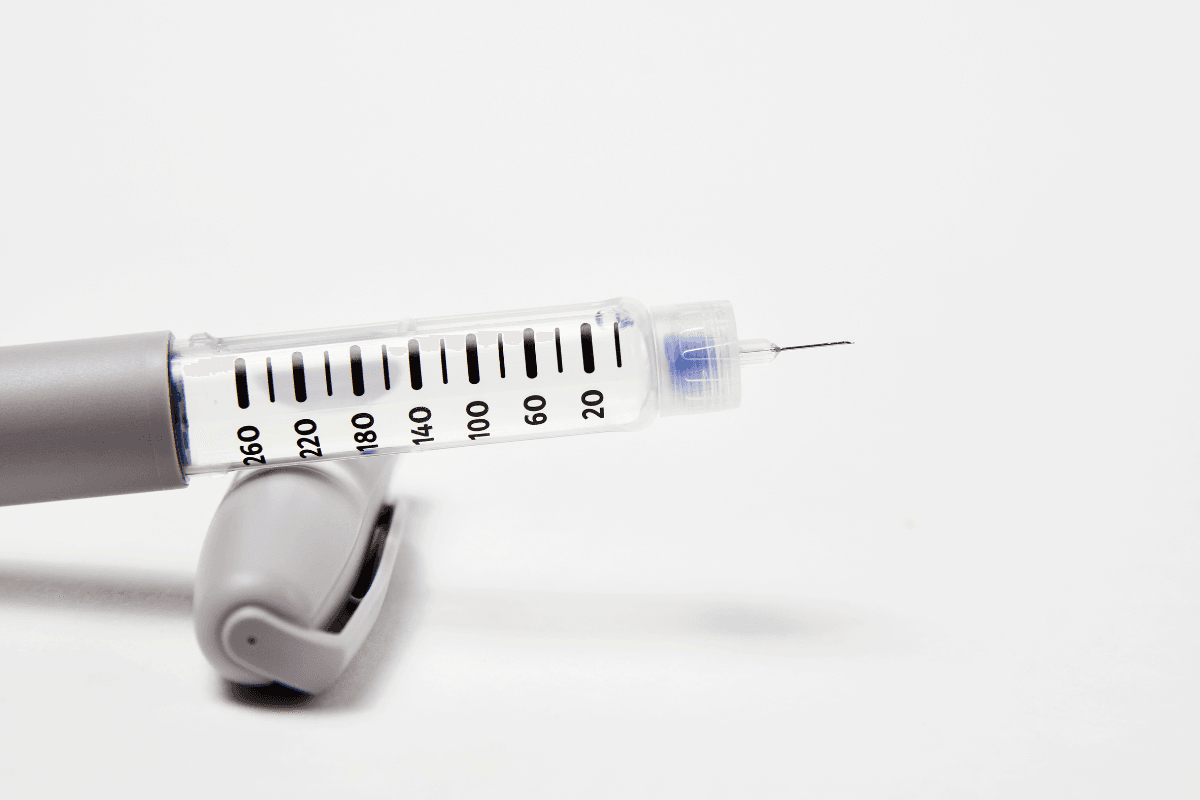
Toujeo insulin is a long-acting basal insulin made with insulin glargine U-300. It is designed to provide steady background insulin between meals and overnight, helping support fasting glucose control in people with diabetes who need basal coverage. It is not a mealtime insulin, and it is not used to quickly correct high blood sugar.
Because Toujeo is concentrated, each unit contains less liquid volume than some other glargine products. That concentration affects the pen and injection volume, but the dose is still prescribed in insulin units. Understanding that distinction can prevent dosing confusion.
Key Takeaways
- Insulin type: Toujeo is long-acting insulin glargine U-300.
- Main role: It provides basal, or background, insulin coverage.
- Pen use: Doses are dialed in units, not milliliters.
- Safety focus: Hypoglycemia is the most important risk to recognize.
- Next step: Review timing, missed-dose instructions, and titration with your clinician.
What Kind of Insulin Is Toujeo?
Toujeo is a concentrated form of insulin glargine, a long-acting insulin analog. The U-300 label means it contains 300 units of insulin per mL. By comparison, many older glargine products are U-100, or 100 units per mL. The higher concentration allows the same number of units to be delivered in a smaller liquid volume.
This matters because insulin units are not the same as milliliters. Your pen is designed to account for the concentration. You dial the prescribed number of units on the device rather than converting the dose yourself. Do not transfer Toujeo from a pen into a syringe, and do not use it in an insulin pump unless your prescriber gives product-specific instructions that match the official labeling.
As a basal insulin, Toujeo insulin works slowly after injection under the skin. It helps replace background insulin needs throughout the day. People with type 1 diabetes usually need basal insulin plus rapid-acting mealtime insulin. Some people with type 2 diabetes use basal insulin alone or with other glucose-lowering medicines, depending on their care plan.
For a broader view of basal options and how they differ by onset, peak, and duration, see Long-Acting Insulin Names. For class-level context on background insulin use, Basal Insulin Types explains common categories without focusing on one brand.
How Toujeo Insulin Works in the Body
Toujeo insulin lowers blood glucose by helping glucose move from the bloodstream into insulin-sensitive tissues. It also reduces glucose production by the liver. Those effects are basic insulin actions, but the formulation changes how the medicine is absorbed after injection.
After a subcutaneous injection, insulin glargine forms a depot in the fatty tissue under the skin. Insulin then leaves that depot gradually. This slow release helps create a smoother basal profile than shorter-acting insulin. It is meant to support day-to-day background needs, not to cover carbohydrates from a meal.
Why it matters: Basal insulin timing and meal insulin timing are different safety conversations.
Long-acting insulin can reduce fasting glucose when the dose and timing fit the person’s needs. However, insulin requirements can change with illness, kidney function, weight changes, activity, eating patterns, pregnancy, steroid use, and other medicines. Your care team may use glucose logs, continuous glucose monitor data, A1C results, or time-in-range patterns to decide whether a regimen still fits.
Uses, Timing, and Practical Decision Points
Toujeo insulin is used to improve glycemic control in people with diabetes who need basal insulin. The exact role depends on diabetes type, current glucose patterns, other medicines, and the risk of low blood sugar. It may be part of a larger plan that includes nutrition, activity, glucose monitoring, and other treatments.
Many people ask about the best time of day to take it. The safest answer is to follow the schedule given by the prescriber and the product instructions. Long-acting insulin is commonly taken once daily, but timing should be consistent. A regular routine helps reduce missed doses and makes glucose patterns easier to interpret.
If a dose is missed, avoid guessing or doubling up unless your clinician has already provided a specific plan. Basal insulin can keep working for many hours, so extra dosing may increase the risk of prolonged hypoglycemia. Ask your diabetes team what to do for missed doses before it happens, especially if your schedule changes often.
Several decision points often come up during follow-up visits:
- Fasting readings: whether morning glucose is stable or drifting.
- Nocturnal lows: whether overnight hypoglycemia is occurring.
- Injection routine: whether doses happen at a consistent time.
- Other medicines: whether new drugs affect glucose levels.
- Daily activity: whether exercise patterns have changed.
For dose-adjustment concepts to discuss with your prescriber, Toujeo Dosage Guide covers starting frameworks and titration language. It should not replace individualized instructions.
Using the Toujeo SoloStar Pen Safely
The Toujeo SoloStar pen is a prefilled insulin pen designed for the U-300 formulation. It lets users dial a dose in units. This design helps reduce the need for manual concentration conversions, but it does not remove the need for careful technique.
For beginners, insulin pen technique should be taught in person when possible. Common steps include washing hands, checking the label, attaching a new needle, priming as directed, dialing the dose, injecting under the skin, holding the needle in place for the recommended count, and removing the needle safely. Always follow the specific instructions supplied with your pen.
Rotate injection sites within the same general body region, such as the abdomen or thigh, if your clinician has approved those sites. Rotation helps reduce lipohypertrophy, which means fatty thickening under the skin from repeated injections. Lumpy or scarred areas can affect absorption and make glucose patterns harder to predict.
Use a new needle for each injection. Reusing needles can make injections more painful and may affect dose delivery. After injecting, place used needles in a puncture-resistant sharps container. Do not share pens, even if the needle is changed, because bloodborne infections can spread through shared injection devices.
Some patients who use higher daily basal doses may be prescribed a larger-capacity device. For product navigation, see the Toujeo DoubleStar Prefilled Pen. Product pages can help identify formats, but prescribing and device selection should remain clinician-led.
Side Effects and When to Seek Help
The most important Toujeo insulin side effect is hypoglycemia, or low blood sugar. Symptoms may include shakiness, sweating, hunger, headache, fast heartbeat, blurred vision, confusion, or unusual tiredness. Severe hypoglycemia can cause seizure, loss of consciousness, or the need for emergency help.
Carry a source of fast-acting carbohydrate if your clinician has advised it. People at risk for severe lows may also be prescribed glucagon. Ask your care team to review your low-glucose plan with family, friends, or caregivers if they may need to help during an emergency.
Other possible effects include injection-site reactions, itching, rash, swelling, or changes in the skin where injections are repeated. Some people report nausea or other stomach symptoms. Diarrhea is not usually the main concern with basal insulin, but any persistent or severe symptom should be reviewed by a healthcare professional.
Weight gain can occur with insulin therapy. One reason is that better glucose control may reduce calorie loss through urine. Another is defensive eating after lows. If weight change becomes a concern, ask whether meal timing, hypoglycemia prevention, activity, or other medicines should be reviewed. Do not reduce insulin on your own to manage weight.
Get urgent care for severe low blood sugar, fainting, seizure, trouble breathing, swelling of the face or throat, or signs of a serious allergic reaction. Contact your clinician promptly for repeated lows, unexplained high readings, illness with poor intake, or uncertainty after a missed or extra dose.
Storage, Handling, and Travel Basics
Proper storage helps protect insulin potency. Unopened pens are usually refrigerated according to the product label. In-use pens are generally kept at room temperature for a limited period, away from direct heat and light. Do not freeze insulin, and do not use a pen that has been frozen.
Check the appearance before use. Toujeo should not be used if it looks cloudy, colored, or contains particles. Keep pens away from extreme temperatures, including parked cars, window ledges, and luggage areas that may overheat or freeze during travel.
Quick tip: Keep a written list of insulin names and concentrations when traveling.
Travel adds practical risks, including time-zone changes, disrupted meals, and delayed access to supplies. Ask your care team how to handle timing changes before long trips. Carry extra needles, glucose monitoring supplies, and documentation if recommended. Storage rules still apply while away from home.
How Toujeo Compares With Other Basal Insulins
Toujeo and Lantus both contain insulin glargine, but they are not the same product. Toujeo is U-300 insulin glargine, while Lantus is U-100 insulin glargine. The concentration and absorption profile differ, so they should not be switched unit-for-unit without prescriber guidance.
That difference is the key answer to what separates Toujeo from Lantus. They share the same insulin molecule family, but the formulation changes the injection volume and release pattern. Your clinician may consider fasting glucose trends, hypoglycemia history, dose needs, insurance or access factors, and device preference when comparing options.
Other basal insulins include insulin degludec, detemir in some markets, and biosimilar insulin glargine products. Each has its own device, concentration, labeled instructions, and coverage considerations. For a focused comparison of two long-acting molecules, see Insulin Degludec vs Insulin Glargine. For glargine timing context, Lantus Onset and Duration may help explain why products within the same family can still differ.
If you are browsing product formats, relevant examples include Lantus SoloStar Pens and Basaglar Insulin. Product availability, prescription requirements, and suitability depend on the prescribing plan and local rules. CanadianInsulin.com functions as a prescription referral platform, and dispensing is handled by licensed third-party pharmacies where permitted.
Monitoring Questions to Bring to Your Care Team
Long-term basal insulin use works best when monitoring is structured. Random readings can be useful, but patterns are usually more informative. Bring glucose logs, CGM summaries, missed-dose notes, exercise changes, and hypoglycemia episodes to appointments.
Ask practical questions before changing routines. These questions can help guide a safer discussion:
- Timing: What daily dosing window should I follow?
- Missed doses: What should I do if I forget?
- Low glucose: When should I call for help?
- Travel: How should I adjust across time zones?
- Supplies: Which pen, needles, and backup plan do I need?
- Patterns: Which readings matter most for adjustment decisions?
People with kidney disease, pregnancy, frequent lows, changing appetite, or major activity changes may need closer review. Those situations can alter insulin needs and raise the risk of unexpected glucose swings. The safest plan is individualized and documented before problems arise.
Authoritative Sources
For official labeling, review the Toujeo prescribing information from Sanofi. It includes approved uses, warnings, administration instructions, and storage details.
The FDA label provides regulator-hosted prescribing information for insulin glargine U-300 injection, including administration cautions and safety language.
The American Diabetes Association publishes annual Standards of Care in Diabetes, which summarize evidence-based principles for insulin use and diabetes management.
Toujeo insulin can be an important basal option when it fits a person’s diabetes plan, glucose patterns, and safety needs. The key is to treat it as a long-acting background insulin, use the pen correctly, store it properly, and keep clear instructions for missed doses, lows, and travel.
This content is for informational purposes only and is not a substitute for professional medical advice.


