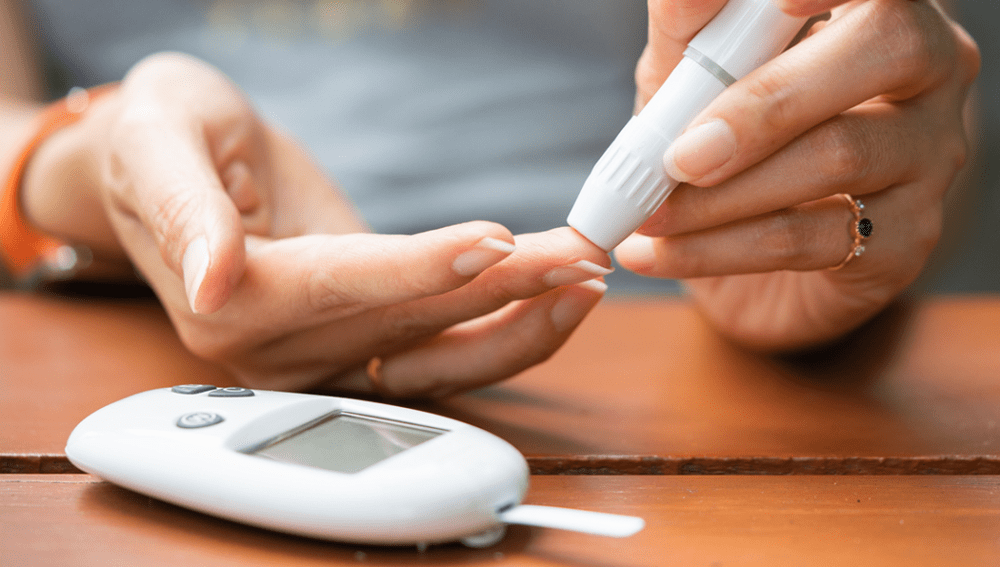
Home glucose checks help you act early and stay safer. Below, you will learn how to check sugar level at home, understand target ranges, and choose the right tools. We also cover timing, common errors, and when alternative methods fit.
Key Takeaways
- Simple steps reduce fingerstick errors and wasted strips.
- Know fasting and post‑meal targets before interpreting numbers.
- CGMs add trend data but still need calibration rules.
- Phones display data; they do not measure glucose alone.
- Document readings with context to guide clinical decisions.
How to Check Sugar Level at Home: Step-by-Step
Start with clean, warm hands. Soap and water remove residue that can falsely raise readings. Dry thoroughly; moisture dilutes the sample and disrupts test chemistry. Prepare the meter, insert a strip, and confirm the code or lot is recognized if your device requires it.
Use a fresh sterile lancet each time. Lance the side of a fingertip, not the pad, to reduce pain and callus buildup. Wipe the first drop if your care team has advised, then gently milk from base to tip to form a hanging drop. Touch the strip edge to the drop; avoid smearing across the top. Wait for the countdown and record the result with context: date, time, fasting or post‑meal, activity, and any symptoms.
Dispose of sharps safely in an approved container. Rotate fingers and vary depth to protect skin. If readings are unexpected, wash again and repeat with a new strip. When two values disagree widely, check your meter’s control solution before assuming a health change.
What You Need to Test at Home
A compact kit keeps testing reliable and routine. Key items include a meter, sterile lancets, test strips, alcohol wipes or soap and water, and a logbook or phone app for notes. A lancing device with adjustable depth helps fine‑tune comfort and adequate sample size.
Choose a Contour Next EZ Meter for step simplicity tips if you want fewer steps between strip insertion and sampling. If you prefer a different form factor, compare the Freestyle Freedom Lite Meter for feature overview and portability. A dependable Diabetes Products category page outlines typical supplies you may discuss with your pharmacist or clinician for continuity of care.
Many people use a glucose monitor because it is small, accurate, and affordable. Keep strips sealed until use and store them in their original vial. Heat, humidity, or expired strips can cause errors, so check dates regularly and close caps promptly.
Understanding Target Ranges and Charts
Interpreting results requires context. Targets vary by age, comorbidities, pregnancy, and individual care plans. Clinicians often individualize fasting and post‑meal goals to balance safety and long‑term outcomes. A normal blood sugar levels chart can help frame discussions, but your provider’s guidance comes first.
In general adult care, fasting and pre‑meal values often sit lower than post‑meal values. Two hours after eating, many plans allow a higher peak. Older adults or those with hypoglycemia risk may have wider targets for safety. Use the table below for educational context, then confirm your personal range with your care team.
| Timing | Typical Adult Target | Notes |
|---|---|---|
| Fasting / Pre‑meal | 80–130 mg/dL (4.4–7.2 mmol/L) | Individualize for age and comorbidities. |
| 2 hours post‑meal | Under 180 mg/dL (10.0 mmol/L) | Some plans aim lower; confirm with clinician. |
| Bedtime | Varies; often near pre‑meal range | Adjust for snacks, insulin, and hypoglycemia risk. |
For broader clinical context on glucose monitoring and targets, see the NIDDK guidance, which reviews meter use and interpretation. To understand how professional guidelines tailor targets across ages and conditions, review Diabetes Canada targets for an overview of common ranges.
Target Ranges by Age
Children, adults, and seniors often use similar timing for checks but may not share the same ranges. For example, normal blood sugar levels for adults might not fit someone who has cognitive changes or a high fall risk. In those cases, clinicians may widen targets to reduce low‑glucose episodes. Middle‑aged adults may use tighter post‑meal goals if hypoglycemia is less frequent.
Discuss age‑specific concerns like meal timing, kidney function, and medication burden. For individuals in their fifties or sixties, considering a blood sugar level age 50 to 60 context can help balance daily function with long‑term risk. If aging is part of your planning, see Geriatric Diabetes Tips for practical strategies around routine, diet, and monitoring.
When to Test and What Patterns Mean
Testing before breakfast offers a stable baseline and shows overnight trends. Many people also test two hours after meals to assess their body’s response to carbohydrates and medications. If readings swing, add pre‑meal and bedtime checks for a few days to clarify patterns.
The best time to check blood sugar after eating is typically two hours post‑meal. People with type 2 diabetes who use metformin may also benefit from periodic pre‑meal checks to personalize dosing schedules with their clinicians. If mornings are consistently high, consider the best time to check blood sugar in the morning alongside sleep, snacks, and evening activity.
When medications change, collect extra data for several days. If you are starting or adjusting therapy, this can support safer titration discussions. For an overview of treatment classes and mechanisms, see our Diabetes Medications Overview to place patterns in context.
Continuous Monitoring and Phone-Linked Options
Continuous glucose monitoring devices can display near‑real‑time data and trend arrows. A sensor sits under the skin and transmits readings to a reader or phone. Many people call it a glucose monitor patch or refer to wearing a glucose monitor on arm when describing placement.
CGMs reduce fingersticks for many users, though confirmatory checks may still be recommended in some situations. To understand regulatory considerations and safe use basics, review the FDA overview of CGMs before choosing a system. Smartphone apps can display CGM or meter data via Bluetooth; however, a phone alone cannot measure glucose without approved hardware.
Some meters sync to apps, making logs searchable and shareable with your care team. If you prefer educational roundups during awareness events, see World Diabetes Day 2025 for broader technology and prevention themes. Community resources can help you sustain consistent monitoring habits over time.
Natural Support and Non‑Meter Methods
Diet, sleep, and activity strongly influence daily readings. Fibre‑rich meals, consistent carbohydrates, and regular movement can smooth peaks. For nutrition planning geared toward insulin resistance, explore our Best Diet for Insulin Resistance guide, which explains meal composition and practical swaps.
Many ask how to check blood sugar at home naturally, or even how to check sugar level in urine at home. Urine glucose strips can indicate very high glucose but do not show current blood levels. They lag behind blood changes and cannot detect hypoglycemia. If you need screening without a meter briefly, discuss options with a clinician, but how to check sugar level at home without machine will not provide accurate blood readings.
Apps that claim optical scans or camera‑only readings are not validated for clinical use. Approved systems require sensors or compatible meters. If you prefer structured education resources that blend lifestyle and device skills, browse Diabetes Education Week Tools for downloadable checklists and action steps.
Troubleshooting, Hygiene, and Safety
Common errors include contaminated hands, insufficient sample, expired strips, and meter temperature limits. If an error code appears, repeat the test with clean, dry hands and a new strip. Control solution testing verifies that strips and meter chemistry are functioning within range. If values remain inconsistent, replace the meter per manufacturer guidance.
Protect fingertips by rotating sites and adjusting lancet depth. Keep a sharps container for used lancets and needles. Although focused on injections, our primer BD Needles Explained covers safe handling concepts that also apply to lancet disposal and needle hygiene. Schedule routine eye, kidney, and foot checks; see Diabetic Eye Disease Month for screening reminders tied to annual campaigns.
Tip: If a reading does not match symptoms, retest after washing. Treat symptoms of severe low glucose first if you cannot test safely.
Supplies, Storage, and Recordkeeping
Keep your kit in a cool, dry place and avoid car gloveboxes or steamy bathrooms. Log readings with notes about meals, activity, illness, and medications. Patterns tell more than single numbers. If hypoglycemia is a recurring risk, carry fast carbohydrates and discuss emergency tools with your care team.
For emergency preparedness education, review Dextrose labeling details to understand how fast sugars are used. Many caregivers also learn about Glucagon Injection Kit With Diluent for severe lows at home, as part of a household plan. Intranasal options like Baqsimi Nasal Powder may be discussed with clinicians for needle‑free rescue.
Pair device data with education. Our library of Diabetes Articles is organized for quick refreshers on monitoring, diet, and safety topics. If nutrition shakes are part of your regimen, product pages such as Glucerna can be reviewed to understand macronutrient profiles and intended use.
Finally, learn how to use glucose meter and test strips per the manufacturer’s insert. Different systems have unique sample sizes, coding rules, and strip handling steps. If you are a visual learner, bookmark instruction sheets and save serial numbers to your log for support calls.
Note: If you see repeated values below 70 mg/dL (3.9 mmol/L) or above plan targets with symptoms, contact a healthcare professional promptly.
For ongoing awareness and community engagement, see World Diabetes Day 2025 highlights, which connect monitoring habits to broader prevention efforts.
This content is for informational purposes only and is not a substitute for professional medical advice.