

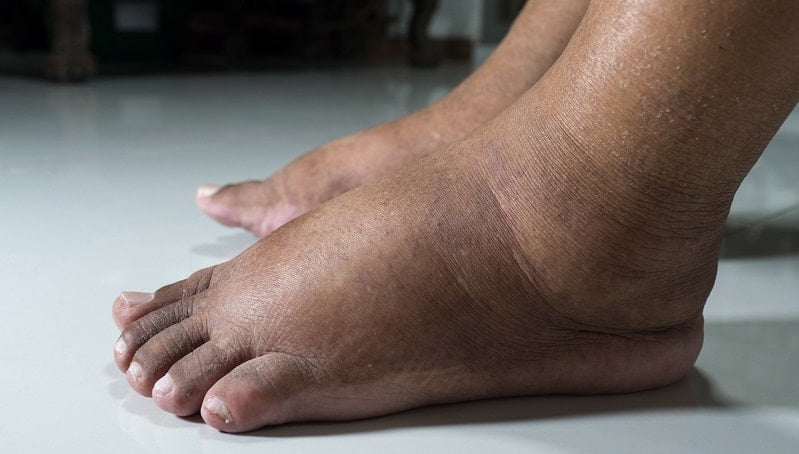
Diabetes swollen feet usually means fluid is building up in the feet, ankles, or lower legs. This is called peripheral edema. It can happen because diabetes affects blood vessels, nerves, kidney function, heart health, skin healing, and sometimes medication tolerance. When swelling becomes severe, fluid may leak through fragile skin. People often call this “weeping legs.”
Swelling is common, but it should not be ignored. Tight skin can crack, neuropathy (nerve damage) can hide pain, and small wounds can become infected before they feel serious. The safest approach is to look for warning signs, protect the skin, and ask a clinician to check the cause when swelling is new, worsening, one-sided, painful, or associated with redness.
Key Takeaways
- Swelling has many causes: Circulation, kidneys, heart function, veins, lymph flow, and medications may all contribute.
- Weeping skin needs care: Fluid leakage can damage the skin barrier and raise infection risk.
- Red flags matter: Sudden one-sided swelling, spreading redness, fever, chest pain, or shortness of breath needs urgent review.
- Home steps can help: Elevation, movement, skin care, sodium awareness, and approved compression may reduce fluid buildup.
- Treatment depends on cause: Diuretics, wound care, compression, or medication changes should be guided by a clinician.
Why Diabetes Can Make Feet and Ankles Swell
Diabetes can contribute to foot swelling by affecting circulation, nerves, kidneys, and healing. High glucose over time may damage small blood vessels and nerves. This can reduce normal fluid movement in the lower legs and make injuries harder to detect.
Fluid normally returns from the legs through veins and lymph vessels. If those systems slow down, fluid collects in tissues. Gravity makes this more noticeable in the feet and ankles, especially after long sitting, standing, heat exposure, or a salty meal.
Kidney disease can also play a role. Damaged kidneys may have trouble balancing salt, water, and proteins in the blood. Heart disease can cause similar swelling because the body may retain fluid when circulation is under strain. These causes are not always obvious at home, so repeated swelling deserves medical evaluation.
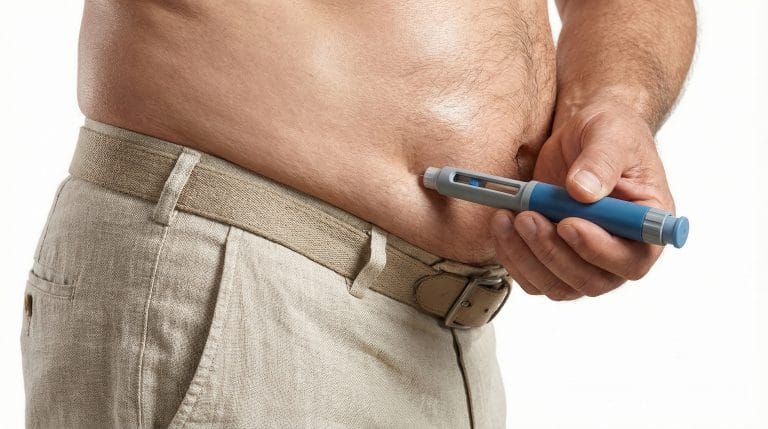
Medication effects are another factor. Some blood pressure medicines, diabetes medicines, anti-inflammatory drugs, and hormone therapies may worsen edema in certain people. Insulin initiation or major dose changes can sometimes coincide with fluid shifts. Do not stop prescribed medicine on your own, but bring the timing of swelling to your prescriber.
For deeper context on diabetes-related skin breakdown, see Diabetic Foot Ulcers. If heart or kidney risks are part of your care plan, SGLT2 Inhibitors explains how this medication class is discussed in diabetes, heart, and kidney care.
Signs of Diabetes Swollen Feet and Weeping Legs
The main sign is visible puffiness in the feet, ankles, or lower legs. Shoes may feel tight. Socks may leave deeper marks. Skin may look shiny, stretched, or darker than usual.
Pitting edema is another common clue. If you press a finger into the swollen area for several seconds, a dent may remain. Some people also feel heaviness, stiffness, reduced ankle movement, or aching after standing.
Weeping legs happen when fluid seeps through stretched or damaged skin. The fluid may look clear, pale yellow, or slightly sticky. It can soak socks or dressings. This is not just a nuisance. Wet skin breaks down more easily, and bacteria or fungi may enter through small cracks.
Watch closely for diabetes leg swelling and redness. Redness, warmth, tenderness, pus, odor, fever, chills, or a rapidly enlarging wound can suggest infection. Fungal infection between the toes can also weaken the skin barrier. For related skin patterns, see Diabetes And Fungal Infections.
Why it matters: Neuropathy can reduce pain signals, so a serious wound may feel mild.
When Swollen Feet Are Dangerous
Swollen feet can be dangerous when they point to infection, a blood clot, heart strain, kidney problems, or severe skin breakdown. Seek urgent care if swelling appears suddenly in one leg, especially with calf pain, redness, warmth, or tenderness.
Shortness of breath, chest pain, coughing blood, fainting, or a racing heartbeat are emergency symptoms. They may signal a clot or heart-related problem. Do not wait to see if those symptoms improve.
Prompt medical care is also important for spreading redness, fever, black or blue skin changes, new numbness, severe pain, pus, foul odor, or a wound that is getting larger. People with diabetes can develop deep infection, ulceration, or tissue damage even when early symptoms seem limited.
Less urgent, but still important, signs include swelling that persists for several days, returns often, worsens by evening, or happens with rapid weight gain. These patterns can help clinicians decide whether to check veins, kidney function, heart function, medications, or footwear pressure.
How Clinicians Evaluate Diabetic Leg Swelling
A clinician usually starts by comparing both legs and checking the skin, pulses, sensation, temperature, and location of swelling. They may look between the toes, under the foot, around the heel, and near the ankles for cracks, fungal changes, blisters, ulcers, or pressure marks.
Your history matters. Be ready to describe when swelling started, whether it affects one or both legs, what improves it, and whether it follows new medicine, travel, injury, higher salt intake, or reduced activity. Mention numbness, wounds, drainage, fever, shortness of breath, or recent blood glucose changes.
Tests depend on the situation. Blood work may check kidney function, electrolytes, albumin, thyroid function, and markers of inflammation. Urine testing may look for protein. Ultrasound may check for a clot or venous reflux. An ankle-brachial index may be used before compression if poor arterial circulation is suspected.
Medication review is a key part of diabetes edema treatment. Your clinician may consider whether swelling began after a calcium channel blocker, anti-inflammatory medicine, thiazolidinedione, steroid, or other drug. They may also review diabetes medicines in the context of kidney and heart health. For more cardiovascular context, see Diabetes Heart Connection.
Home Care: How to Reduce Swelling in Feet Safely
Home care aims to reduce fluid pooling while protecting the skin. It should not replace medical evaluation when swelling is new, severe, painful, or linked with red flags.
Elevation and movement
Elevate your legs above heart level when you can. Short sessions several times a day may be easier than one long session. Gentle ankle pumps, toe curls, and short walks can activate the calf muscle pump, which helps move fluid back toward the body.
Avoid sitting with legs dependent for long periods. If you work at a desk or travel, pause for movement when possible. Do not massage a swollen, painful calf if a clot is possible.
Skin protection
Inspect feet daily, including the soles and between toes. Use a mirror or ask for help if vision or mobility makes checking difficult. Moisturize dry intact skin, but keep the spaces between toes dry. Choose well-fitting shoes and seamless socks to reduce rubbing.
If legs are weeping, keep the area clean and covered with a non-adherent dressing. Change wet dressings as directed and avoid harsh antiseptics unless recommended. Weeping skin, blisters, or open wounds should be assessed, especially if drainage increases or redness spreads.
Compression with caution
Compression socks or wraps may help some people with venous swelling. They can be unsafe when arterial blood flow is poor, when there is severe infection, or when they are applied incorrectly. Ask a clinician whether compression is appropriate before starting, especially if you have pain, numbness, weak pulses, or a history of vascular disease.
Quick tip: If compression is approved, avoid rolled edges because they can create pressure bands.
Food, Fluids, and “Fast” Swelling Relief
No drink reliably removes swelling quickly, and “detox” diuretics can be risky. Water is usually the best daily fluid unless your clinician has restricted fluids for heart, kidney, or liver disease.
People often ask what to drink to reduce swelling in feet. The better question is whether salt, fluid balance, medicines, kidney function, or heart function is driving the swelling. Unsweetened drinks can support hydration, but they do not treat serious edema on their own. Avoid starting herbal diuretics, high-potassium drinks, or electrolyte products without advice if you take diuretics, blood pressure medicines, or kidney-related medicines.
Sodium can worsen water retention in diabetes type 2 and other conditions. Check labels on canned soups, deli meats, frozen meals, sauces, snack foods, and restaurant meals. A registered dietitian can help adjust sodium and carbohydrate intake without making meals too restrictive.
Protein also matters when skin is healing. Low protein levels can worsen fluid shifts and slow wound repair. If you have kidney disease, do not sharply increase protein without professional guidance. Nutrition goals can differ based on kidney function, medications, weight goals, and glucose patterns.
Medical Treatment Options
Diabetic leg swelling treatment depends on the cause. A clinician may recommend wound care, compression therapy, medication adjustment, infection treatment, vein evaluation, heart care, kidney care, or a combination of these steps.
If infection is suspected, antibiotics or wound debridement may be needed. If a clot is suspected, urgent imaging and treatment decisions are required. If swelling relates to heart, kidney, or liver disease, treatment focuses on the underlying condition and safe fluid management.
Diuretics are sometimes used for edema, but they are not suitable for every cause of swelling. They can affect electrolytes, kidney function, blood pressure, and hydration. For general medication context, Furosemide, Hydrochlorothiazide, and Spironolactone are examples of diuretic product pages that describe commonly used classes. Use them as background, not as a reason to self-treat swelling.
Some diabetes medicines are also chosen with heart or kidney factors in mind. For related background, SGLT2 Heart Failure Care discusses how this drug class is being considered in certain cardiovascular settings. Individual treatment decisions still depend on diagnosis, kidney function, other medicines, and clinical risks.
Prevention and Daily Monitoring
Preventing complications starts with routine foot checks and early reporting. Look for new swelling, redness, blisters, cuts, drainage, nail changes, calluses, or color changes. Compare both feet and ankles because one-sided swelling can have different causes than swelling on both sides.
Track patterns. Note your weight, swelling location, blood glucose trends, blood pressure, activity level, salt-heavy meals, and medication changes. This information can help your clinician identify triggers and decide whether further testing is needed.
Footwear matters. Shoes that are too tight can create pressure points on swollen feet. Avoid walking barefoot, including indoors, if sensation is reduced. Trim nails straight across when possible, and ask for podiatry support if nails are thick, vision is limited, or you have a history of ulcers.
For broader diabetes education and related topics, the Diabetes Articles collection can help you explore connected issues. The Diabetes Condition page is a browsing hub for diabetes-related product categories and listings.
Authoritative Sources
For daily foot-care recommendations, review the CDC diabetes foot care guidance. It explains inspection, skin care, and when to call a health professional.
For a plain-language overview of edema and common causes, see the MedlinePlus edema health topic. It covers fluid buildup and when swelling may need evaluation.
For diabetes foot complications and prevention, the American Diabetes Association foot complications resource provides patient-focused prevention guidance.
Recap
Diabetes swollen feet can come from circulation problems, nerve damage, kidney disease, heart strain, venous disease, skin injury, or medication effects. Mild swelling after long standing may improve with elevation and movement, but repeated or worsening swelling should be checked.
Seek urgent care for sudden one-sided swelling, calf pain, spreading redness, fever, shortness of breath, chest pain, drainage, or rapidly changing skin. Protecting the skin and identifying the cause early can reduce the risk of ulcers, infection, and mobility problems.
This content is for informational purposes only and is not a substitute for professional medical advice.