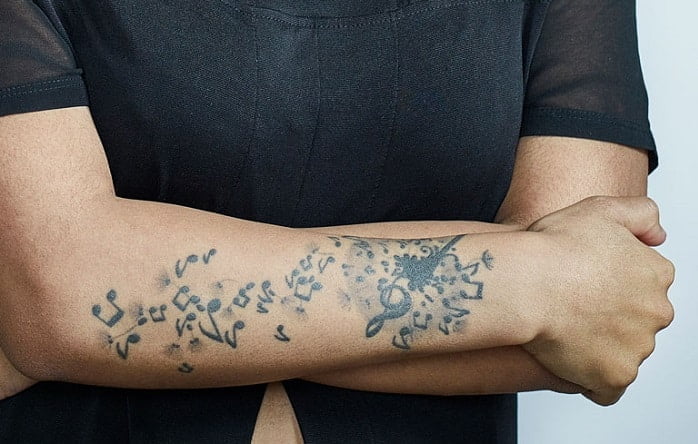
Considering diabetes and tattoos raises smart questions about safety and healing. Most adults with stable blood glucose can pursue body art, but risk varies by control, circulation, and skin health. This guide explains risks, studio standards, placement choices, and aftercare. It balances clinical detail with practical steps you can use today.
We outline how diabetes complications like neuropathy (nerve damage) and peripheral arterial disease (poor circulation) affect skin recovery. You will also see design and placement ideas, plus what to discuss with your clinician. Where relevant, we include medical-organization guidance and helpful internal resources.
Key Takeaways
- Risk varies by control: better glucose, safer healing.
- Choose studios with strong, documented hygiene practices.
- Avoid areas with poor circulation or frequent injections.
- Follow meticulous aftercare; act quickly on infection signs.
Diabetes and Tattoos: What Risks Matter Most
Diabetes may change how your skin heals, especially with high glucose, reduced blood flow, or neuropathy. Elevated glucose can impair white blood cell function and slow wound repair. Neuropathy can mask pain, and vascular disease can reduce oxygen delivery to the skin. Together, these factors may increase scarring, delayed healing, or infection risk.
Regulatory and medical groups caution about hygiene and pigments. For a concise consumer overview, the FDA outlines tattoo ink concerns and safety basics in its public guidance Tattoo inks: what you need to know. For skin complication context related to blood sugar, the CDC summarizes common issues and prevention steps in its page on diabetes-related skin problems Diabetes and your skin. The American Diabetes Association also offers body art considerations, including piercing hygiene and timing, in its practical piece on tattoos and piercings ADA guidance on body art.
Tip: If you have frequent infections, foot ulcers, or severe vascular disease, postpone new tattoos. Discuss timing with your clinician before scheduling.
Pre-Tattoo Checklist: Glucose, Meds, and Skin Health
Preparation reduces risk. Aim for steady glucose and consistent self-care in the weeks before your appointment. Review your recent hemoglobin A1c (three‑month average) and daily patterns. Share your diabetes history, medications, and devices with the artist so they avoid injection and sensor sites. Ask your clinician about timing if you have recent illness, antibiotics, or wound problems.
People often ask, can you get a tattoo with type 2 diabetes. The safest path includes stable control, healthy surrounding skin, and a licensed studio that follows strict infection‑prevention standards. For broader self‑management basics across nutrition, activity, and monitoring, see the Diabetes category for foundational topics that support safer healing.
Do a skin check at the planned site. Postpone if you notice rashes, eczema, cracked skin, or an unhealed nick. If you are exploring care basics around skin conditions that affect healing, the Dermatology section collects primers to help you recognize issues early.
Choosing Placement and Design With Diabetes
Placement matters for blood flow and trauma. Calves, shins, or feet may heal more slowly in people with vascular disease or neuropathy. Ask directly about your lower‑limb circulation, especially if you have a history of ulcers or slow healing. With that in mind, can diabetics get tattoos on their legs. Many can, but clinicians often steer people with foot problems away from areas that have poor sensation or past wounds.
Protect injection and sensor real estate. Avoid common insulin injection zones and current or recent CGM or pump sites to prevent irritation, scarring, or signal issues. Choose designs that fit the skin’s natural lines and tension to reduce distortion as you move. If diabetes eye or nerve complications are a concern, this awareness piece, Diabetic Eye Disease Month Protect Your Vision Today, explains why microvascular health matters across tissues.
In-Studio Precautions and Hygiene Standards
Choose a licensed artist and a studio with visible sanitation protocols. Look for sealed, single‑use needles, machine barriers, and hospital‑grade disinfectants. The artist should wash hands, don new gloves, and open sterile packs in front of you. Ask how they sterilize reusable components, record lot numbers for inks, and manage cross‑contamination.
Early signs of diabetes tattoo infection include increasing redness after day two, warmth, pus, spreading streaks, or fevers. Report concerns to a clinician promptly. For background on skin condition management topics that overlap with aftercare, see Dermatology for skin‑care thresholds and warning signs. Fungal overgrowth occasionally complicates healing; for medication profiles used in fungal skin infections, see Ketoconazole and Fluconazole for reference details.
Note: Pigment reactions are uncommon but possible. Keep records of ink brands and colors in case you ever need patch testing or dermatology follow‑up.
Aftercare and Healing: What to Expect
Healing starts with a covered, clean dressing and gentle washing. Use lukewarm water and fragrance‑free cleansers. Pat dry and apply a thin layer of the artist‑recommended ointment. Avoid submerging the area, heavy sweat, sun exposure, or tight clothing. Aim for steady glucose, hydration, and sleep, which together support immune function during recovery.
People ask about diabetes tattoo healing because timing can vary. Expect a longer course if glucose runs high or if circulation is reduced. Watch for increased pain, expanding redness, or drainage. Seek timely care if symptoms escalate. If weight management is part of your long‑term plan, improved metabolic health may support skin recovery; for current pharmacologic approaches, see How GLP-1 Weight Loss Drugs Are Lowering Obesity Rates for context on systemic benefits.
Routine wellness planning also helps. Education initiatives can reinforce daily routines that make skin outcomes better; for community resources and checklists, review National Diabetes Education Week Tools For Better Care and build a plan tailored to your needs.
Medications, Devices, and Interactions
No common diabetes medicines are known to react with pigments, but immune status and bleeding risk still matter. Some antibiotics, steroids, or anticoagulants may affect timing. Discuss any immunosuppressants (immune‑weakening medicines) or recent medication changes with your clinician. People often ask about metformin and tattoos; there is no specific pigment interaction, but overall glucose stability remains important to healing.
Plan around devices. Keep distance from insulin pump cannulas and CGM sensors to avoid adhesive conflicts, site irritation, and signal issues. If you use topical immune‑modulating creams for dermatitis, timing also matters; for a drug profile example, see Tacrolimus HGC for mechanism and cautions relevant to skin immunity. For cardiometabolic therapies that may improve systemic risk, review Mounjaro Heart Benefits That Go Beyond Weight Loss as background on broader outcomes.
Symbolic and Practical Designs
Some people choose a medical ID tattoo for quick communication during emergencies. Clear text near the wrist can alert responders to insulin use or devices. Others prefer a subtle icon or phrase. If you want a recognizable marker, the type 1 diabetes symbol is often adapted into personal designs while retaining medical clarity.
Balance meaning, readability, and future skin changes. Small wrist motifs, bands, or geometric lines usually age well. For creative planning, explore design themes for both type 1 and type 2 without crowding sensor real estate. Awareness posts such as World Diabetes Day 2025 Take Action For Awareness can inspire symbolism, color choices, and messaging that fit your goals.
Piercings and Other Body Modifications
Piercings create a puncture that needs clean technique and diligent care, similar to tattoos. Studios should use single‑use needles and sterilized jewelry. Healing can be slower in cartilage or areas with lower blood flow. Ask about jewelry materials if you have a history of nickel sensitivity or dermatitis. Good glucose control and daily hygiene help reduce irritation and infection risk.
People also ask, can diabetics get piercings. Many can, particularly with stable control and careful aftercare. Avoid sites with prior ulcers or slow‑to‑heal scars. If you develop redness, tenderness, or discharge, seek evaluation early. For background on topical treatments sometimes used around irritated skin, see Ketoderm for antifungal information, and check the Diabetes Products category for device‑care items that support healthy skin maintenance.
Recap
Most people with diabetes can safely get body art by planning ahead. Choose a licensed studio, pick well‑perfused skin, and follow careful aftercare. Keep glucose stable during healing and act quickly on warning signs.
Use this guide to focus conversations with your clinician and your artist. With shared planning and clean technique, tattoos and piercings can be expressive while staying as safe as possible.
This content is for informational purposes only and is not a substitute for professional medical advice.