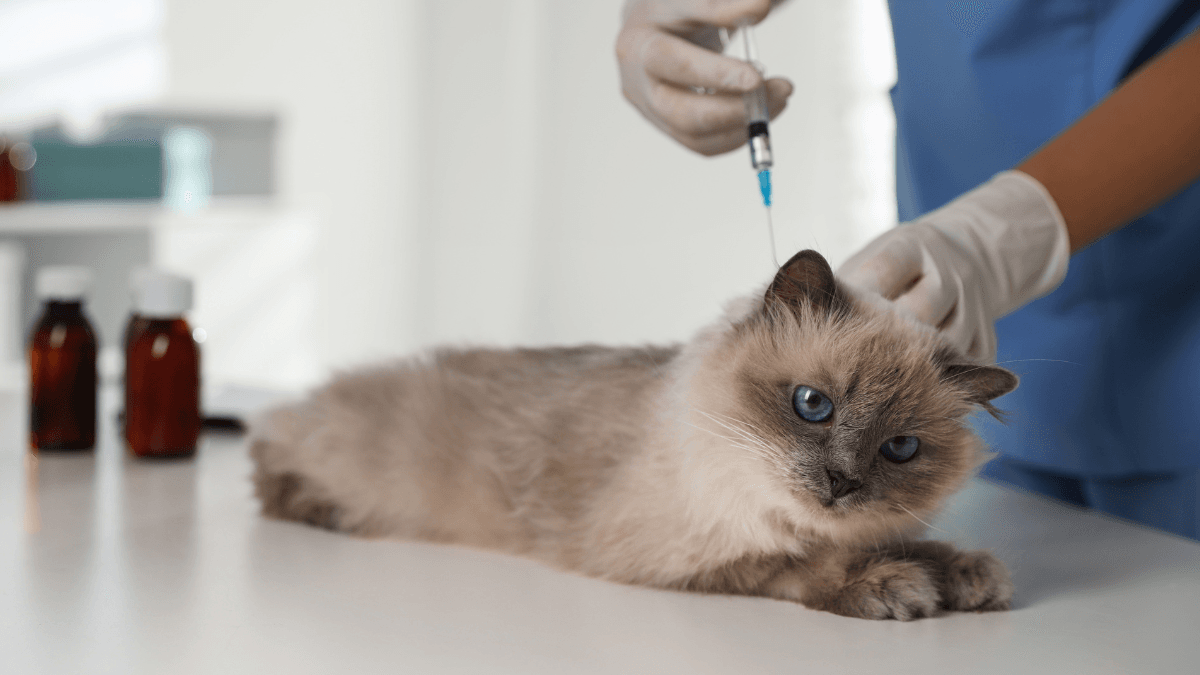
Insulin is the main treatment for many cats with diabetes mellitus, but the right product, dose, and schedule vary by cat. In practice, insulin for cats means a long-term plan that combines the right insulin type, regular meals, careful home injections, and follow-up glucose review. This matters because a dose that is safe for one cat can be too much or too little for another, and errors can lead to hypoglycemia (low blood sugar) or poor diabetes control. The safest approach is to learn the broad categories of insulin, understand how dosing decisions are made, and know which warning signs need a fast call to your veterinarian.
Key Takeaways
- Several insulin types are used in cats, and no single product fits every case.
- A cat’s dose is individualized, so a number alone does not tell you if it is too high.
- Consistent feeding, timing, syringe matching, and record keeping improve safety.
- Low blood sugar is the most urgent insulin-related risk for most owners to recognize.
- Missed doses and dose changes should be handled with veterinary guidance, not guesswork.
CanadianInsulin.com operates as a prescription referral platform.
How Insulin for Cats Is Chosen
Veterinarians choose insulin based on the cat’s diabetes pattern, daily routine, diet, body size, and monitoring plan. The goal is not just to lower glucose for a few hours. It is to create a repeatable schedule that keeps the cat feeling better and reduces swings between high and low blood sugar.
There are several types of insulin used in cats. Common examples include glargine, often known by the brand Lantus, protamine zinc insulin, sold as ProZinc, and porcine lente insulin, sold as Vetsulin or Caninsulin in some markets. These products differ in how long they tend to last, how predictable they are from cat to cat, and what syringe or device matches them. That is why feline diabetes insulin therapy is rarely a one-size-fits-all decision.
Common insulin categories
| Insulin type | Common examples | What owners should know |
|---|---|---|
| Long-acting analog | Glargine, such as Lantus | Often used in cats when a steadier effect is desired. Syringe or pen compatibility matters. |
| Protamine zinc insulin | PZI, such as Prozinc Vial | A veterinary insulin option. Follow the specific handling and syringe instructions for the product dispensed. |
| Porcine lente insulin | Vetsulin or Caninsulin Vial | A veterinary insulin that may fit some cats. Timing and response can differ from other products. |
Owners often ask whether Lantus or Vetsulin is better. There is no universal winner. Some cats respond well to longer-acting formulations, while others do well on veterinary insulin products. The better choice depends on glucose patterns, food intake, home routine, and how the cat responds over time. A veterinarian may also consider which presentation is most practical, including products such as Caninsulin Cartridges.
The best insulin is often the one that can be used correctly every day and monitored safely. A product that fits the owner’s schedule, the cat’s appetite pattern, and the clinic’s follow-up plan may be safer than a theoretically ideal option that is used inconsistently. This is one reason veterinarians revisit the plan after they see real-world data.
Dosing Basics: Why a Number Alone Is Not Enough
A dose only makes sense in context. There is no reliable average insulin dose for cats that applies across breeds, sizes, body condition, diet plans, and insulin types. That is why a search like cat insulin dosage chart can mislead owners. A chart cannot tell you whether a cat ate normally, lost weight, vomited, is taking steroids, or is entering remission.
This also answers a common question: is 2.5 units a lot for a cat? Sometimes yes, sometimes no. For a newly diagnosed small cat, that number may be more than an initial conservative plan. For a larger cat with established monitoring data, it may be reasonable. The number by itself is not enough to judge safety.
When a veterinarian sets up a cat’s insulin protocol, they usually look at several factors at once:
- Body weight and condition
- Insulin formulation and concentration
- Meal timing and appetite consistency
- Other illnesses or medicines
- Home glucose results and clinical signs
Most cats receive insulin on a steady daily schedule, often twice a day, but the exact frequency depends on the product and the veterinary plan. In practical terms, a protocol usually includes the chosen insulin, the starting dose, meal timing, when to check glucose, when to recheck at the clinic, and what to do after a missed dose or low reading. Dose changes are usually made gradually, after trends are reviewed, not after one unusual number.
Dose decisions also depend on the insulin’s concentration and delivery device. Even if two numbers look the same, 1 unit drawn with the wrong syringe can represent the wrong amount of drug. Owners should keep the insulin box, syringe type, and written instructions together to reduce mix-ups.
Prescription details may be confirmed with the prescribing veterinarian when needed.
Giving Insulin at Home Without Avoidable Errors
Safe home use depends more on consistency than speed. Most cat insulin injections are given as a subcutaneous (under-the-skin) shot, using a small needle and a predictable routine. Your veterinarian or veterinary nurse should demonstrate the technique, then watch you repeat it until the steps feel familiar.
Handling rules differ by product. Some insulin should be mixed gently, while others should not be shaken. Storage instructions also vary. Many products need refrigeration before first use, but the label and the dispensing instructions should guide you. If the insulin looks clumped, frosted, discolored, or different from its usual appearance, pause and confirm that it is still appropriate to use.
Injection sites are usually rotated within the loose skin area your veterinary team recommends. Rotating sites may help you notice lumps, scabs, or tenderness before they become a habit. If injections are painful or insulin leaks back onto the fur, ask for a technique review rather than assuming the cat is simply difficult.
Feeding, timing, and supplies
Many cats do best when meals and injections happen on a stable schedule. Confirm whether your veterinarian wants the dose given with food, after the cat starts eating, or using another routine tied to the prescribed product. If the cat refuses food, vomits, or seems ill, do not assume the usual dose is still safe.
- Same times daily: keep the interval as even as possible.
- Correct syringe match: use only the device matched to the insulin concentration.
- Gentle handling: follow label directions for rolling or mixing.
- Under the skin: do not inject into muscle unless told to do so.
- Sharps disposal: place used needles in a secure container.
- Written log: record meals, doses, and unusual behavior.
Quick tip: Keep one notebook or phone log for food intake, insulin, water intake, and low-sugar symptoms.
One of the most important safety points is syringe compatibility. Some insulin products use different concentrations, and the matching syringe matters. Do not swap between U-40 and U-100 syringes unless your veterinary team has given you a specific conversion plan. That single mistake can cause a major dosing error.
Safety Problems That Need Quick Attention
The most urgent insulin-related risk for most owners is hypoglycemia (low blood sugar). It can happen if a cat gets too much insulin, eats less than expected, vomits after a dose, has an unusual activity burst, or absorbs the dose differently on a given day. Even a well-controlled cat can have a low episode.
Warning signs can start subtly. A cat may seem extra hungry, restless, weak, sleepy, or unsteady. More serious signs include trembling, ataxia (loss of coordination), collapse, seizures, or being hard to wake. If those signs appear, follow the emergency instructions your veterinarian gave you and seek urgent veterinary care.
Not every problem means the dose is too high. Ongoing thirst, frequent urination, weight loss, a poor coat, or returning litter-box accidents can point to hyperglycemia (high blood sugar) or poor overall control. Occasional injection-site irritation can happen, but repeated pain, swelling, or leakage deserves review.
Missed doses and dose changes
If you miss a dose, or you are not sure whether a dose was already given, do not guess and do not double the next dose. An extra dose usually creates more immediate danger than a delayed or missed dose. Contact your veterinary clinic or after-hours service for instructions tied to that insulin product and the timing involved.
Online advice about when to adjust a cat insulin dose is especially risky because it often strips away the details that matter most. Cats may need dose changes after weight loss, diet changes, steroid treatment, infection, dental disease, or better home monitoring, but those changes should follow a veterinary review of trends, not a single home number.
A cat that suddenly becomes drowsy, wobbly, or unresponsive after insulin should be treated as an emergency. Keep your clinic’s daytime and after-hours numbers in one place, and make sure everyone in the home knows where they are.
Why it matters: Low blood sugar can worsen quickly, so every household should have a written emergency plan.
Monitoring and the Possibility of Remission
The dose is only one part of care. Monitoring tells the veterinarian whether the insulin is lasting long enough, whether glucose is dropping too low, and whether the cat’s daily signs are improving. Good monitoring often combines home observations with clinic data.
Useful information includes appetite, water intake, urination, body weight, energy level, and blood glucose results. Some cats have at-home spot checks or full glucose curves. Others may have fructosamine testing, which reflects average glucose control over the prior few weeks. A clinic may also suggest other lab work if something no longer fits the expected pattern.
Cats can also show stress hyperglycemia, a temporary rise in blood sugar linked to anxiety, especially during clinic visits. That is one reason home logs are so helpful. A single high clinic number does not always mean the dose is wrong.
Insulin for cats can sometimes lead to diabetic remission, meaning the cat no longer needs insulin for a period of time. This is possible in some cases, especially when diabetes is recognized early and control becomes stable, but it is never guaranteed. Remission also does not mean the cat is cured forever. A cat that appears to need less insulin still needs veterinary follow-up before any dose is reduced or stopped.
Where permitted, dispensing and fulfilment are handled by licensed third-party pharmacies.
Questions to Bring to Your Veterinary Recheck
The best recheck questions are the ones that make home decisions safer. If you are starting insulin or reviewing a recent change, bring your log and ask for clear written instructions instead of relying on memory alone.
- Which insulin and which syringe or device match this prescription?
- What should I do if my cat eats much less than usual?
- Which symptoms suggest low blood sugar, and which suggest poor control?
- When do you want home glucose data, a curve, or fructosamine testing?
- When should I call before changing a dose?
- What storage, mixing, and discard rules apply to this exact product?
Written recheck instructions matter because insulin plans have several moving parts. Knowing exactly when to call can prevent both under-treatment and emergency lows.
If you want broader reading, browse the site’s Pet Health section and the Pet Health Hub for related topics. Some owners explore cash-pay options when eligibility rules allow.
Authoritative Sources
- For guideline-based insulin selection and monitoring, see the AAHA diabetes management guidance.
- For owner-focused background on feline diabetes, review the Cornell Feline Health Center overview.
- For a broader veterinary review, read the NIH article on insulin treatment in dogs and cats.
Learning the basics of insulin for cats helps owners focus on the details that matter most: the right product, the right syringe, consistent meals, careful monitoring, and fast action when something changes.
This content is for informational purposes only and is not a substitute for professional medical advice.