
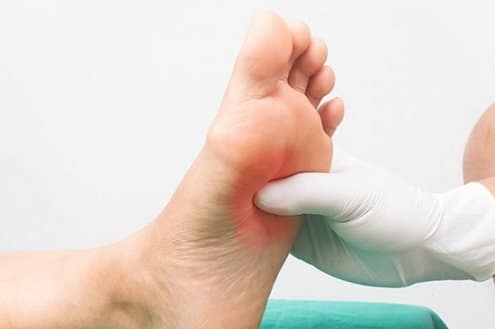
Early, structured diabetic neuropathy treatment can reduce pain, protect feet, and prevent complications. This guide explains diagnosis steps, testing methods, and practical care options to support safer day‑to‑day decisions.
Key Takeaways
- Screening matters: routine foot checks reduce ulcer risk.
- Combination care: glucose control plus symptom relief helps.
- Targeted drugs: first‑line agents can ease nerve pain.
- Daily self‑care: foot care and activity protect function.
- Watch changes: new or worsening symptoms need review.
What Is Diabetic Neuropathy?
Diabetic neuropathy refers to nerve injury caused by chronic hyperglycemia (high blood sugar). It commonly affects the feet and legs first, then may move upward. Peripheral symptoms include numbness, tingling, burning, and loss of protective sensation. Autonomic involvement can change sweating, digestion, or heart rate. Recognizing diabetic neuropathy symptoms early helps prevent falls, infections, and ulcers.
Four main patterns appear in practice: distal symmetric polyneuropathy, autonomic neuropathy, focal mononeuropathies, and proximal (radiculoplexus) neuropathies. Each type behaves differently, so descriptions of pain or weakness guide next steps. For a broader condition overview and progression patterns, see Diabetic Neuropathy for foundational context. A concise NINDS overview explains mechanisms and common manifestations in plain language.
Signs, Testing, and Diagnosis
Clinicians base diabetic neuropathy diagnosis on symptoms, exam findings, and exclusion of other causes. A focused neurological exam assesses vibration, pinprick, temperature, and light touch. Foot inspection checks skin integrity, deformities, and shoes. Blood work may rule out vitamin deficiencies, thyroid disease, or renal problems that can mimic neuropathic pain.
Primary care teams should screen sensory loss at least annually. This usually includes monofilament testing, vibration tuning-fork testing, and reflex checks. When patterns are atypical or severe, nerve conduction studies and electromyography can clarify extent. For symptom onset tied to glycemic swings, targeted A1C review supports risk stratification. For symptom awareness and screening context, see Early Type 2 Signs to connect symptoms and screening triggers. The ADA Standards of Care provide updated guidance on screening intervals and foot care.
Foot Exams and Nerve Tests
Routine foot checks detect skin breakdown before it becomes an ulcer. Clinicians often use a 10‑g monofilament to test protective sensation at multiple plantar sites. Tuning‑fork vibration at the great toe and ankle reveals early large‑fiber loss. Where pain is prominent but exam seems normal, quantitative sensory testing and nerve conduction studies can uncover small‑fiber involvement. Imaging is rarely required unless focal weakness, spinal symptoms, or red flags appear. Documenting shoe wear, callus patterns, and gait adds practical prevention data.
Evidence-Based Options for Diabetic Neuropathy Treatment
Effective care combines glucose optimization, pain control, and foot‑protection strategies. Tightening A1C targets safely may slow progression and reduce flares for some patients. Parallel symptom control improves sleep, balance, and activity tolerance. Education about footwear, daily inspection, and skin care protects against ulcers and infections.
Care plans should be individualized. Factors include comorbid kidney or liver disease, depression, fall risk, and occupational demands. Nonpharmacologic measures such as exercise therapy, weight management, smoking cessation, and cognitive‑behavioral strategies can enhance medication response. For a broader set of related topics, browse Diabetes Articles to situate neuropathy management within overall diabetes care.
Medications and Topicals
Several first‑line agents reduce neuropathic pain with different mechanisms. Options include serotonin‑norepinephrine reuptake inhibitors, gabapentinoids, and certain tricyclics. Pregabalin has specific approval in many regions; discussing Lyrica can clarify available strengths and indications. Duloxetine is a common alternative; see Duloxetine for product details and common formulations. Gabapentin remains widely used; visit Gabapentin for formulation considerations and practical notes.
Topical options include lidocaine patches and capsaicin cream, which may target focal foot pain with fewer systemic effects. For some patients, combination therapy provides additive benefit while balancing side effects. When oral agents are poorly tolerated, carefully selected tapentadol formulations may be considered in specialist settings. To compare choices within a broader set of neurological therapies, see Neurology Products for an overview of related treatments. Always align any change with current comorbidities and safety profiles. Indication details are summarized in FDA labeling for pregabalin, which provides official use information.
Patients often ask about pregabalin for diabetic neuropathy and how it differs from other agents. The choice depends on pain quality, sleep disruption, fall risk, and kidney function. Shared decision-making can balance benefits, side effects, and daily goals.
Home and Self-Care Strategies
Structured routines make prevention practical. Daily foot inspection, moisturization (not between toes), and protective socks reduce skin injury. Trim nails straight across and avoid barefoot walking. Replace worn footwear and consider orthotics if calluses, deformities, or balance issues develop. For finger‑stick supplies that support glucose monitoring routines, see OneTouch UltraSoft Lancets as an example of lancet options.
Regular activity can improve balance and mood while supporting glucose control. Moderate aerobic exercise plus light resistance work is a practical baseline. If you use pens, pumps, or sensors, this Diabetes Tech Guide outlines device features that may support stable control. Many people look for diabetic neuropathy treatment at home to supplement clinic care. Build habits slowly and track comfort changes weekly. For broader lifestyle strategies that complement neuropathy care, see Living With Diabetes for day‑to‑day planning ideas.
Tip: Schedule shoe and skin checks with your glucose review. Pairing tasks improves consistency and prevents missed steps.
New and Emerging Therapies
Research continues into nerve‑targeted approaches, including novel sodium‑channel blockers, growth‑factor modulation, and regenerative techniques. Small‑fiber repair and inflammation control are active areas. Clinical trials assess combination strategies pairing established agents with new endpoints for function and sleep. When considering any new treatment for diabetic neuropathy, discuss eligibility, goals, and monitoring needs with your clinician.
Adjunctive devices, such as vibrating insoles or noninvasive neuromodulation, are being studied for gait stability and pain relief. Nutrient‑based therapies and metabolic modulators remain under investigation, with mixed evidence to date. As evidence grows, guideline committees update recommendations and safety cautions. Review emerging data cautiously and prioritize therapies with reproducible outcomes.
Safety, Risks, and When to Seek Care
Report new numbness, sudden weakness, or foot wounds promptly. These signs raise infection, fall, and hospitalization risk. Rapidly spreading redness, drainage, or fever warrants urgent evaluation. People sometimes ask, is early diabetic neuropathy reversible; partial improvement may occur with risk‑factor control and targeted therapy, but outcomes vary.
Neuropathy itself is rarely the direct cause of death, yet it increases complication risk through ulcers, infections, and falls. Sleep disruption, mood changes, and reduced activity can also impact overall health. If pain control is poor or side effects limit function, revisit options and goals. Align plans with kidney function, polypharmacy risks, and fall prevention strategies. For related complication context, see Signs of Uncontrolled Diabetes to understand broader risk patterns.
Recap
Neuropathy care works best when it is systematic. Confirm the pattern, screen feet regularly, and adjust glucose safely. Use medications thoughtfully, with attention to sleep, balance, and kidney function. Build simple routines at home to protect the skin and maintain mobility.
Monitor changes and escalate concerns early. As evidence evolves, treatment menus will expand, but fundamentals remain steady: safe glycemic control, foot protection, and individualized pain strategies.
This content is for informational purposes only and is not a substitute for professional medical advice.


