

Medicare usually covers diabetes supply categories, not one preferred brand. If you are asking what brand of diabetic supplies are covered by Medicare, the practical answer is that brand access depends on the benefit used, the supplier, your prescription, and medical necessity documentation.
That distinction matters because a covered item can still be unavailable from a specific pharmacy or durable medical equipment supplier. A meter, strip, sensor, pump, or lancet device may meet Medicare rules, but your supplier may stock only certain compatible systems.
Key Takeaways
- Brand rules vary: Medicare generally covers categories, not endorsed brands.
- Part B differs: It usually covers meters, strips, lancets, CGMs, and pumps.
- Part D differs: It usually covers injected insulin and many diabetes medicines.
- Documentation matters: Prescriptions, notes, and supplier enrollment affect approval.
- Compatibility matters: Meters, strips, sensors, and pump supplies must match.
How Medicare Looks at Brands and Diabetes Supplies
Medicare coverage starts with the type of supply, not the logo on the box. Commonly used brands may include Accu-Chek, OneTouch, Contour, FreeStyle Libre, Dexcom, Medtronic, and others, depending on the item and billing route. Medicare does not publish a simple universal list that says every beneficiary can get the same brand everywhere.
Instead, coverage usually depends on three questions. First, is the item in a Medicare-covered supply category? Second, does your prescription support the device and quantity requested? Third, does the supplier participate in Medicare and carry that brand or a compatible alternative?
This is why two people with similar prescriptions may receive different meters or test strip brands. One supplier may stock a OneTouch Verio Flex Meter, while another may carry a different Medicare-approved glucose meter. The key is whether the supplied system fits the prescription and includes matching strips.
Why it matters: Brand substitution can create errors if strips, meters, sensors, or apps do not match.
Part B Supplies: Meters, Strips, CGMs, Pumps, and Lancets
Medicare Part B is the main benefit for many home diabetes testing supplies. It commonly covers blood glucose meters, test strips, lancets, lancet devices, control solution, continuous glucose monitors, and durable insulin pumps when coverage criteria are met.
Part B is also where many readers run into the brand question. For example, what brand of diabetic supplies are covered by Medicare may depend on whether your pharmacy bills the item as a Part B supply or whether a durable medical equipment supplier handles it. Both routes can be valid, but the inventory and paperwork may differ.
For standard finger-stick testing, Part B may cover a meter and related supplies when your clinician prescribes them for diabetes monitoring. If you need a refresher on home testing steps, this plain-language resource on Checking Sugar Level at Home explains the basic workflow.
Part B coverage for glucose monitors also includes some continuous glucose monitors (CGMs), when the person meets Medicare criteria. Coverage rules can consider insulin use, documented problematic hypoglycemia, and the need for ongoing training or follow-up. Your clinician’s notes should match the reason the device is requested.
What About Test Strip Quantities?
Medicare sets routine quantity limits for test strips and lancets, but medical necessity can support higher amounts. Historically, people who do not use insulin may receive up to 100 test strips and lancets every three months. People who use insulin may receive up to 300 test strips and lancets every three months.
That works out to about 33 strips per month for non-insulin users and about 100 strips per month for insulin users as a common baseline. If your clinician documents a need to test more often, the supplier may request extra support before dispensing higher quantities.
If you use a finger-stick meter, keep the exact model name available. Some supplies, such as Accu-Chek Aviva Test Strips or Contour Next Test Strips, are designed for specific meter systems. A covered strip still needs to be compatible with your device.
Part D Supplies and Diabetes Medicines
Medicare Part D usually covers prescription drugs rather than durable testing equipment. This can include many non-pump insulins, oral diabetes medicines, and some pharmacy-dispensed items, depending on the plan’s formulary.
People often ask what diabetic supplies are covered by Medicare Part D because the line between pharmacy items and equipment can feel confusing. In general, Part D is more likely to apply to drugs used by injection or mouth. Part B is more likely to apply to durable equipment and supplies used with that equipment.
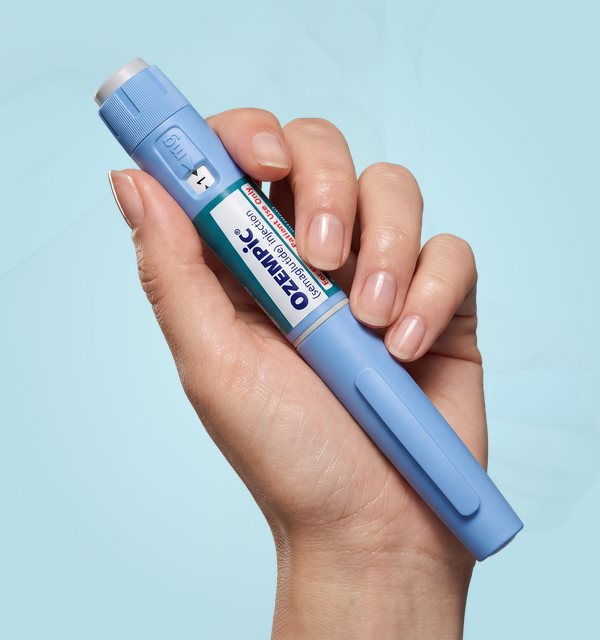
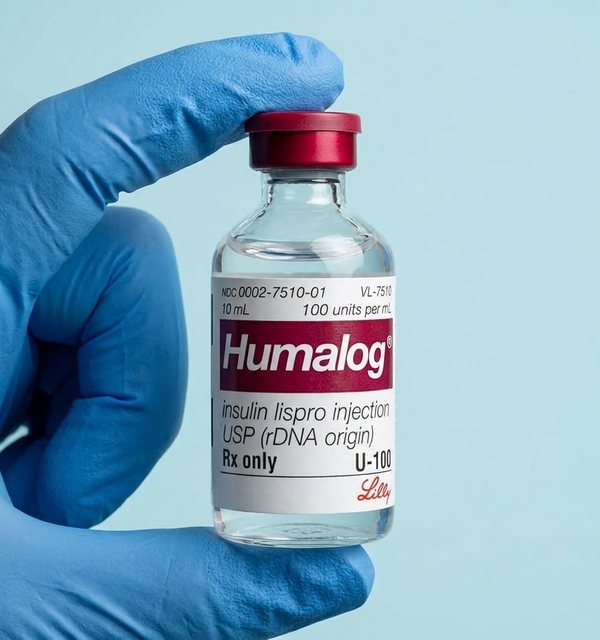
Insulin is a common example. Insulin used in an external durable insulin pump is typically billed through Part B. Insulin used by pen, vial, or cartridge for injection is usually handled through Part D. Your plan can also require formulary checks, prior authorization, or preferred product use.
If you are comparing medication categories, the Diabetes Product Category can help you browse diabetes-related products by type. Treat that as a navigation aid, not a substitute for Medicare plan rules or a prescriber’s advice.
CGMs and Insulin Pumps: When Brand Choice Is Limited
Medicare can cover CGMs for people with type 1 or type 2 diabetes when the coverage criteria are met. For type 2 diabetes, eligibility may involve insulin use or documented problematic hypoglycemia, depending on the person’s clinical record and current Medicare policy.
So, does Medicare cover CGM for type 2 diabetes? Yes, it can, but coverage is not automatic for every person with type 2 diabetes. The prescription, visit documentation, device training, and supplier billing route all matter. Some CGMs may run through DME suppliers, while some plan arrangements may involve pharmacy channels.
Insulin pumps can also be covered when medically necessary and when the device meets Medicare’s durable equipment rules. People with type 2 diabetes may qualify in some situations, but approval depends on clinical criteria and documentation. Pump supplies, infusion sets, reservoirs, and related items must also match the pump system.
Before switching technology, ask which brand the supplier carries, whether the device connects with your phone or receiver, and how replacement sensors or pump supplies are billed. You can also review general meter skills in How to Use a Glucometer if you still need backup finger-stick testing.
Quick tip: Keep your device box, sensor name, and app screenshots for prescription accuracy.
How to Get Medicare to Pay for Diabetic Supplies
The simplest path is to start with a current prescription and a Medicare-enrolled supplier. Even when a supply category is covered, missing paperwork can delay payment or lead to a denial.
Ask your clinician to include the diagnosis, item name, testing frequency, and any reason a specific brand is needed. If you need more than standard quantities, the record should explain why. For CGMs or pumps, notes should support the coverage criteria and show ongoing clinical follow-up.
Then confirm that the supplier accepts Medicare assignment. This means the supplier agrees to Medicare’s approved amount for covered items. If the supplier does not accept assignment, your out-of-pocket cost may differ. Mail-order diabetic suppliers approved by Medicare may be convenient, but you still need to confirm enrollment, assignment, stock, and brand compatibility.
For lancing supplies, exact device names also help. If you use a separate lancet device, this explanation of What Is a Lancing Device can help you identify the parts and terms used in prescriptions.
Practical Questions to Ask Before Ordering
- Supplier status: Are you enrolled with Medicare and accepting assignment?
- Billing route: Will this go through Part B, Part D, or my plan?
- Brand match: Which meters, strips, sensors, or pump supplies do you stock?
- Prescription details: Do you need testing frequency or clinical notes?
- Replacement rules: When can a meter, receiver, or pump part be replaced?
- Compatibility check: Will these strips or sensors work with my current device?
Replacing a Meter or Choosing a Compatible System
Medicare may cover a replacement glucose meter when replacement is reasonable and supported. Common reasons include loss, damage beyond repair, malfunction, or reaching the reasonable useful lifetime of the device. The supplier may ask for documentation before replacing equipment.
When choosing a meter, focus on usability and supply access. Consider display size, sample size, strip handling, memory features, and whether you can reliably get matching strips. A meter with good features is not helpful if the covered strips are hard to obtain through your supplier.
People searching what brand of glucose meter is covered by Medicare often expect a single answer. In practice, Medicare-approved glucose meters vary by supplier and plan arrangement. You may see options such as OneTouch, Contour, Accu-Chek, or other systems, but availability is not guaranteed from every source.
If you want to compare device concepts before speaking with your prescriber, you can review What Is Accu-Chek for background on one common meter family. For exact coverage, rely on your supplier and Medicare plan documents.
A1C Testing, Home Readings, and Safety Context
Medicare may cover laboratory testing, including hemoglobin A1C, when ordered and medically necessary. A1C reflects average glucose over roughly the past two to three months, while home meter or CGM readings show day-to-day patterns.
Stable diabetes control is often monitored with A1C testing about twice per year, while therapy changes or unstable readings may lead clinicians to check more often. The right timing depends on the person’s treatment plan, risk factors, and clinical judgment.
The calculator below can help convert A1C and estimated average glucose for general understanding. It does not determine Medicare eligibility or replace clinical interpretation.
HbA1c & eAG Calculator
Convert between HbA1c percentage and estimated average glucose using the ADAG relationship.
These calculations are for education only and do not replace clinical advice, diagnosis, or treatment. Always confirm medical decisions with a qualified healthcare professional.
Readers sometimes also ask about normal blood sugar levels for older adults. Targets can vary with age, medications, kidney disease, heart disease, hypoglycemia risk, and overall health. A clinician or diabetes care team should individualize targets, especially for people who have repeated lows, severe highs, pregnancy, kidney disease, gastroparesis, or medication-related hypoglycemia.
If a low blood sugar event occurs, many diabetes education resources discuss the “15-minute rule,” which generally refers to rechecking after treating mild hypoglycemia with fast-acting carbohydrate. People with severe symptoms, confusion, fainting, seizures, or inability to swallow need urgent help rather than home management.
What Medicare Usually Does Not Cover
Medicare does not cover every diabetes-related item or service. Coverage depends on benefit rules, medical necessity, supplier status, and plan design. Some items may be excluded, limited, or covered only under specific circumstances.
Common examples include non-medical convenience items, supplies bought from non-enrolled suppliers, and devices or quantities that lack required documentation. Some over-the-counter items may not be covered unless they fit a defined benefit category and billing route. Routine personal supplies that are not medically necessary under Medicare rules may also be excluded.
Brand preference alone usually is not enough. If a particular brand is clinically necessary, your prescriber should explain why. Reasons might include accessibility features, compatibility with another device, documented errors with a previous system, or a need for specific alarm functions. Medicare and the supplier may still require review.
Authoritative Sources
For official coverage categories, review Medicare’s booklet on diabetes supplies, services, and prevention programs. It summarizes how Part B and Part D apply to common diabetes needs.
Clinicians and suppliers may also use CMS education materials on Medicare coverage of diabetes supplies. These materials describe covered supply categories and billing considerations.
For patient-focused insurance context, the American Diabetes Association explains Medicare and diabetes coverage, including common supplies and services.
Recap
Medicare diabetic supplies are covered by category first, then shaped by prescriptions, supplier participation, plan rules, and medical necessity. That is why what brand of diabetic supplies are covered by Medicare can differ between pharmacies, DME suppliers, and plan arrangements.
Part B usually covers meters, strips, lancets, CGMs, and durable insulin pumps when criteria are met. Part D usually covers many diabetes drugs and non-pump insulin. To reduce delays, keep prescriptions current, confirm the billing route, and verify that every strip, sensor, or pump supply matches your device.
This content is for informational purposes only and is not a substitute for professional medical advice.