
Semglee and Lantus are both insulin glargine 100 units/mL products, so Semglee vs Lantus dosing is often similar in day-to-day use. The important difference is not usually the insulin unit itself. It is how the products are labelled, substituted, dispensed, taught, and monitored after a switch.
Both medicines are long-acting basal insulins. They help provide background insulin coverage between meals and overnight. They are not interchangeable with rapid-acting mealtime insulin, and they should not be mixed up with concentrated glargine products. Any change between basal insulins should be reviewed with a healthcare professional, especially if you have frequent low blood sugar, kidney disease, pregnancy, changing meal patterns, or recent illness.
Key Takeaways
- Same insulin class: Semglee and Lantus are insulin glargine 100 units/mL.
- Dosing may align: many switches use comparable daily units, with monitoring.
- Substitution rules vary: U.S. interchangeability still depends on state law and prescribing details.
- Safety is similar: hypoglycemia remains the main insulin-class risk.
- Device details matter: pen technique, vial use, and storage can affect real-world dosing.
Where Semglee and Lantus Overlap
Semglee and Lantus work in the same basal insulin category. Both contain insulin glargine 100 units/mL, a long-acting insulin analog designed to release slowly after injection under the skin. This steady background effect helps manage fasting glucose and between-meal glucose patterns.
In treatment plans, basal insulin has a different role from prandial insulin (mealtime insulin). Basal insulin supports background needs. Mealtime insulin, when prescribed, covers carbohydrate-related rises after meals. For a broader class overview, see Basal Insulin Types.
Semglee’s nonproprietary name is insulin glargine-yfgn. The suffix helps identify a specific biologic product. It does not mean the insulin works like a short-acting product or that it can be swapped with every insulin glargine product without review.
Why it matters: Similar active ingredients do not remove the need for careful monitoring after a product change.
Semglee vs Lantus Dosing in Practice
Semglee vs Lantus dosing usually focuses on whether a person can move between products using the same number of insulin units. In many clinical situations, a prescriber may consider a comparable unit amount when switching between insulin glargine 100 units/mL products. However, the final plan depends on your glucose history, hypoglycemia risk, injection schedule, other medications, and the reason for switching.
No article can tell you how many units of Semglee or Lantus to take. Basal insulin dosing is individualized. Clinicians commonly look at fasting glucose trends, overnight lows, recent dose changes, diet consistency, exercise, kidney function, and illness. They may also consider whether you use rapid-acting insulin or non-insulin diabetes medicines.
People often ask whether Semglee dosing is the same as Lantus. The safest short answer is: it may be similar, but it should not be treated as automatic for every person. Even small differences in device use, injection timing, missed doses, or storage can change glucose readings.
What clinicians usually review before a switch
- Current daily units: the existing basal insulin amount.
- Timing pattern: morning, evening, or split schedule.
- Low-glucose history: recent symptoms or measured lows.
- Fasting readings: several days of morning values.
- Device confidence: pen, vial, syringe, and needle technique.
- Other therapies: mealtime insulin or non-insulin medications.
If you track glucose in different units, a simple converter can help you compare records from different clinics or devices. It does not recommend insulin doses or replace clinical guidance.
Blood Glucose Unit Converter
Convert glucose readings between mg/dL and mmol/L without changing the clinical value.
These calculations are for education only and do not replace clinical advice, diagnosis, or treatment. Always confirm medical decisions with a qualified healthcare professional.
Can Semglee Be Substituted for Lantus?
In the United States, Semglee has been recognized as an interchangeable biosimilar to Lantus. This means it met additional regulatory standards for substitution under U.S. law. Pharmacist substitution can still depend on state rules, the prescription wording, and pharmacy policy.
Interchangeable does not mean “identical in every practical detail.” It means the product met regulatory criteria for expected clinical similarity and substitution. Your prescriber may still want to know if a pharmacy changes your basal insulin, especially if you are at higher risk for hypoglycemia or have recently adjusted your dose.
The question “can I substitute Semglee for Lantus?” has two layers. The regulatory answer may allow substitution in some settings. The clinical answer depends on the person using insulin. If your pen, vial, label, or pharmacy receipt looks different, confirm the product name, concentration, and instructions before injecting.
For background on how biosimilar insulin products are evaluated, see Biosimilar Insulin. If you are comparing another insulin glargine product, Basaglar vs Lantus explains a related comparison in the same general class.
Key Differences Beyond the Unit Number
The main Semglee vs Lantus differences often involve naming, device familiarity, coverage, and substitution policy rather than the insulin concentration. Both are glargine 100 units/mL products, but the experience can feel different when the packaging, pen, pharmacy label, or education materials change.
Brand and generic naming
Lantus is a reference insulin glargine product. Semglee is insulin glargine-yfgn. The suffix helps distinguish the biologic product in records, prescribing systems, and safety reporting. It is useful to keep both the brand name and the generic name in your medication list.
Device and format differences
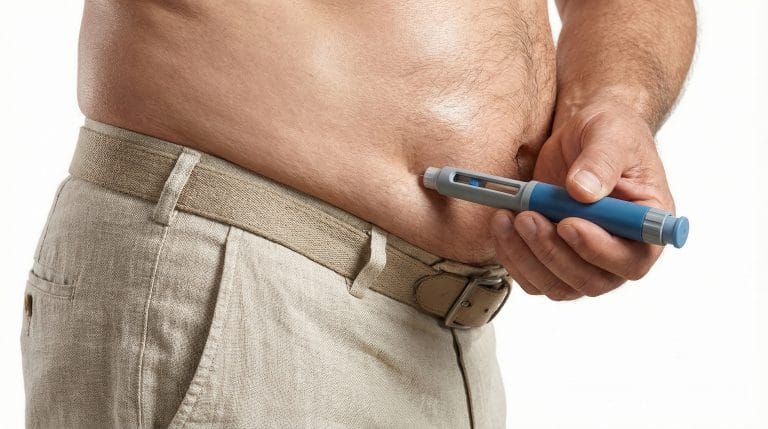
Both products may be encountered as pens or vials, depending on market and availability. A pen can simplify dose dialing for many people. A vial may be used with insulin syringes and requires careful measurement. If you move between products, review priming steps, dose windows, expiration after first use, and needle compatibility.
Some readers search for Semglee vs Lantus SoloStar because Lantus SoloStar is a widely recognized pen format. The product name on the pen matters. So does the concentration printed on the label. For device-specific context, see Lantus SoloStar Pens or Lantus Vial.
Coverage and access
Insurance plans and formularies may prefer one insulin glargine product over another. Some people also compare cash-pay options, sometimes without insurance, depending on eligibility and jurisdiction. CanadianInsulin.com operates as a prescription referral platform; where required, prescription details may be confirmed with the prescriber, and dispensing is handled by licensed third-party pharmacies where permitted.
Conversion and Switching: What to Watch
A Semglee vs Lantus conversion should be handled as a monitored medication transition, not just a brand-name change. Many switches may appear straightforward because both products are insulin glargine 100 units/mL. Still, glucose can shift after any basal insulin change.
Your care team may ask you to watch fasting glucose more closely for several days. They may also ask about nighttime symptoms, morning headaches, sweating, shakiness, unusual hunger, or confusion. These can be signs of hypoglycemia, although some people have few warning symptoms.
Do not change your basal insulin dose based only on a single reading unless your clinician has given you a specific plan. Patterns are usually more useful than one isolated number. If you use a continuous glucose monitor, time-in-range and overnight trends can help guide clinical discussions.
Quick tip: Keep the old and new insulin packages available during the switch discussion.
When switching from Semglee to Lantus, the same principles apply. Confirm the exact product, concentration, injection time, delivery device, and starting dose instruction. If the reason for switching is repeated low blood sugar or high fasting glucose, your clinician may take a more cautious approach.
Side Effects and Safety Concerns
Semglee vs Lantus side effects are generally expected to resemble insulin glargine class effects. Low blood sugar is the most important common risk. Injection-site reactions, mild swelling, weight change, and allergic reactions can also occur. Serious allergy is uncommon but needs urgent attention.
Hypoglycemia can cause shakiness, sweating, fast heartbeat, confusion, dizziness, hunger, or weakness. Severe low blood sugar can lead to seizure, loss of consciousness, or inability to self-treat. Seek urgent medical help for severe symptoms, repeated lows, or low readings that do not respond to your usual treatment plan.
Some situations increase hypoglycemia risk. These include missed meals, increased activity, alcohol use, kidney problems, medication changes, dosing errors, and taking the wrong insulin type. A basal insulin pen can look similar to other injectable products, so storage separation can reduce mix-ups.
People sometimes ask whether Semglee is used for weight loss. It is not a weight-loss medicine. Insulin can affect body weight because it changes how the body uses and stores glucose. Weight changes should be discussed in the context of nutrition, glucose control, activity, and the full medication plan.
For a fuller discussion of glargine-related adverse effects and precautions, see Lantus Side Effects. For broader condition navigation, the Diabetes collection lists related diabetes resources and products.
How These Products Compare With Other Basal Insulins
Semglee and Lantus are only two options within long-acting insulin therapy. Other basal insulins can differ in concentration, duration, dosing flexibility, and device design. These differences matter because basal insulin routines depend heavily on consistency and correct administration.
For example, insulin glargine 300 units/mL is not the same concentration as glargine 100 units/mL. Insulin degludec and insulin detemir also have different pharmacologic profiles. A switch across insulin types may require more careful review than a switch between two glargine 100 units/mL products.
People comparing long-acting choices often look at onset, peak, and duration. Those terms can help explain why one insulin may fit a schedule better than another. For a class-level comparison, see Long-Acting Insulin Names.
The best product is not simply the one with the longest duration or the most familiar name. The better fit depends on glucose patterns, low-glucose risk, device comfort, coverage, and the ability to follow instructions consistently.
Questions to Ask Before Changing Products
A short question list can make a switch safer and less confusing. Bring your glucose log, current insulin label, and device name when you speak with your clinician or pharmacist.
- Product identity: which brand and generic name should appear?
- Concentration check: is it insulin glargine 100 units/mL?
- Starting instruction: should the unit amount change?
- Timing plan: should the injection time stay the same?
- Monitoring plan: which readings should be tracked?
- Low-glucose plan: when should urgent help be sought?
- Device review: do priming or needle steps differ?
- Storage rules: when should an in-use pen or vial be discarded?
These questions are especially important if you recently had severe hypoglycemia, changed kidney function, started a new diabetes medicine, became pregnant, or changed your meal schedule. They also help if a pharmacy substitution occurs without much warning.
Authoritative Sources
For official context on biosimilars and interchangeability, review the FDA’s overview of biosimilar and interchangeable biologics.
For label-level Lantus safety and dosing language, consult the current Lantus prescribing information.
For patient-oriented insulin glargine safety information, MedlinePlus provides an insulin glargine medicine overview.
Bottom Line
Semglee vs Lantus dosing is often discussed because both products contain insulin glargine 100 units/mL. The practical decision is broader than the unit number. Substitution rules, device use, glucose monitoring, hypoglycemia history, and coverage all matter.
If a switch is planned or occurs at the pharmacy, confirm the product name, concentration, dose instructions, and monitoring plan. Keep your care team informed about unexpected glucose changes, repeated lows, or confusion about the device.
This content is for informational purposes only and is not a substitute for professional medical advice.