

Many people ask how long can you take Ozempic to maintain benefits. The answer depends on your goals, response, side effects, and clinical monitoring. This guide clarifies dosing phases, timelines, and when to reassess therapy. It also explains differences between diabetes management and weight-focused use.
Key Takeaways
- Duration depends on goals, response, and tolerability.
- Maintenance dosing aims to stabilize outcomes over months.
- Reassess therapy at set milestones and with labs.
- Pause or adjust if adverse effects outweigh benefits.
How Long Can You Take Ozempic
Semaglutide (a GLP-1 receptor agonist) is approved for glycemic control in adults with type 2 diabetes. The U.S. label does not specify a maximum treatment duration. Clinicians often continue therapy long term when benefits persist and side effects remain manageable. Regular monitoring supports safe, sustained use.
For weight-related goals, semaglutide may assist appetite control and weight maintenance when supervised. However, product indications differ by brand. Ozempic is indicated for diabetes, whereas 2.4 mg semaglutide under another brand is indicated for chronic weight management. For official dosing and risk details, see the Ozempic prescribing information (Ozempic prescribing information).
Dosing Phases: Titration, Targets, and Maintenance
Therapy usually follows three phases: titration, target, and maintenance. Titration starts low to improve tolerability, then steps up in 4-week intervals if needed. The target phase aims for the lowest dose that meets goals. Maintenance focuses on steady outcomes and minimal adverse effects over time.
In practice, your prescriber tailors the schedule to your response, side effects, and comorbidities. They may define a semaglutide maintenance dose for weight loss when weight is the primary goal. Ongoing follow-up helps confirm that the current dose remains appropriate as habits, labs, and symptoms change.
What maintenance looks like in real-world care
Maintenance often begins after several months, once a stable dose controls glucose or supports weight stability. You and your clinician set concrete metrics, such as fasting glucose ranges, A1C targets, or waist measurements. You also review side effects, hydration, and nutrition. Some people hold at the same dose for extended periods; others adjust up or down based on labs and symptoms. When questions arise about indication-specific dosing and titration sequences, the FDA-approved label offers structured guidance (Ozempic prescribing information).
Results Timeline: Weeks, 3 Months, and Beyond
Early response varies. Some notice appetite changes within weeks, while others need more time. A structured check-in schedule helps track progress across 4, 6, and 12 weeks. Many teams reassess gastrointestinal tolerance, fasting glucose trends, and adherence during this period. For additional structure, see the 6-Week Ozempic Plan guide in our resource library; it outlines milestones and tracking prompts for early phases (6-Week Ozempic Plan).
By month three, clinicians often review cumulative outcomes and sustainability. This is when discussions about ozempic 3 months results become most practical. If goals are not being met, they may refine diet, activity, or dosing. If progress is strong but side effects persist, a temporary dose hold or slower titration may help.
Long-Term Safety, Monitoring, and When to Pause
Long-term use requires routine safety checks. Clinicians monitor renal function, glycemia, and nutritional status. They also screen for uncommon risks, including pancreatitis symptoms and gallbladder issues. For individuals focused on body weight, it is reasonable to ask about long-term effects of ozempic for weight loss, including gastrointestinal tolerance and body composition trends. Report new or worsening symptoms promptly.
Evidence-based follow-up plans may include A1C every 3–6 months, renal function as indicated, and vitamin status when intake is marginal. If you develop persistent intolerance, consider a dose reduction or medication pause. For consensus guidance on monitoring and therapy adjustments in type 2 diabetes, see the ADA Standards of Care (ADA Standards of Care). For sleep-related concerns during treatment, this briefing explains practical steps to improve rest (Ozempic and Insomnia).
Diabetes Versus Weight Management Goals
Duration decisions differ by indication. Clinicians often continue semaglutide long term for glycemic control if benefits persist and risks remain acceptable. This framing helps answer how long can you take ozempic for type 2 diabetes in day-to-day care. For weight management, a dedicated brand of semaglutide is approved for chronic use at 2.4 mg weekly; this distinction informs dose targets and monitoring.
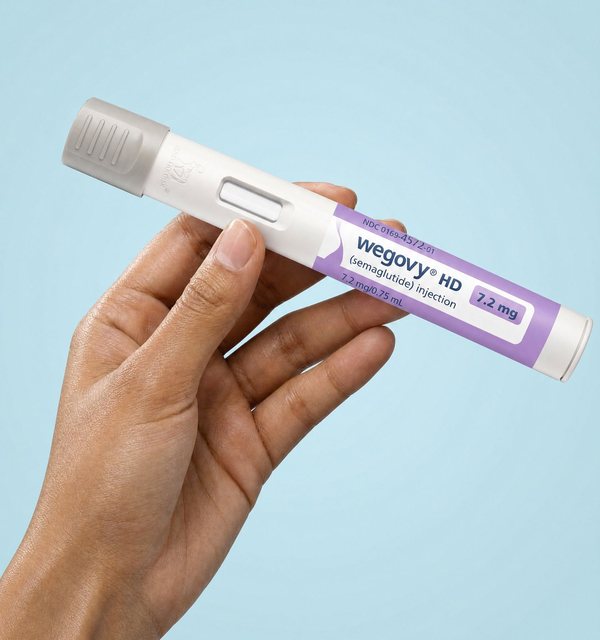
If weight is the main focus, your clinician might discuss a different product designed for obesity management. To review indication-specific labeling and maintenance dosing, see the official weight-management product reference (Wegovy labeling). For clinical context on obesity pharmacotherapy trends, this primer reviews population-level impacts (GLP-1 Weight Loss Drugs). You can also browse broader disease education by topic for additional background (Type 2 Diabetes; Weight Management).
Adjusting, Switching, or Stopping Therapy
Medicine plans change as health needs evolve. If glycemic targets are met and side effects are minimal, a stable regimen may continue. If response is suboptimal or adverse effects accumulate, clinicians may modify dose, switch agents, or pause therapy. In weight-focused care, discussions about maximum dose of ozempic for weight loss typically refer to the 2 mg weekly cap used for diabetes; always align plans to indication and labeling.
When switching to another incretin, reassess goals and overlap risks. For cardiovascular and metabolic considerations with dual-incretins, this overview summarizes key data beyond weight loss (Mounjaro Heart Benefits). If stopping, plan for behavior supports and check-ins to reduce rebound. These strategies are outlined in our article on preventing regain after dose changes (Prevent Weight Regain).
Troubleshooting Plateaus and Common Issues
Not everyone responds on the same timeline. If you experience 4 weeks on semaglutide no weight loss, consider adherence checks, dose timing, and dietary fiber. Review hydration and protein intake. Some people need a longer titration interval for tolerability, which can also affect early results. Structured logs help clinicians decide whether to escalate, hold, or adjust supportive measures.
Travel, routine disruptions, and sleep changes can also impact outcomes. If you’re traveling, this guide covers packing, temperature control, and dosing windows (Travel With Ozempic). For storage questions about a related incretin product, see this reference on safe temperature thresholds (Zepbound Storage Guide). If fatigue complicates progress on alternative agents, this explainer lists practical strategies (Zepbound and Fatigue).
Practical Tips and Related Options
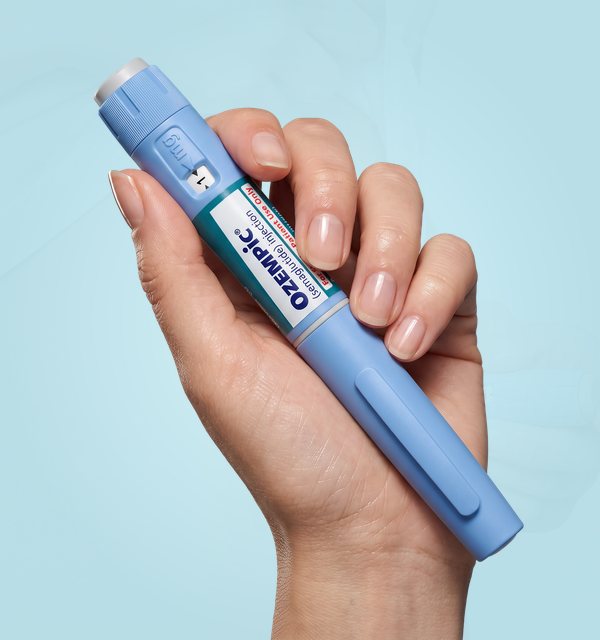
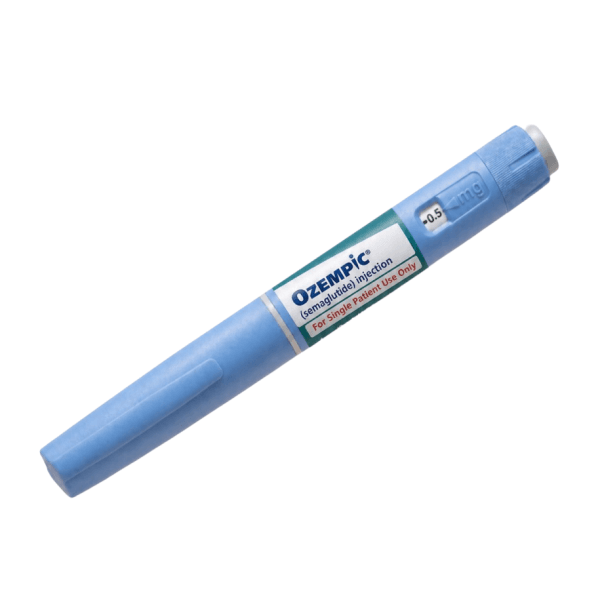
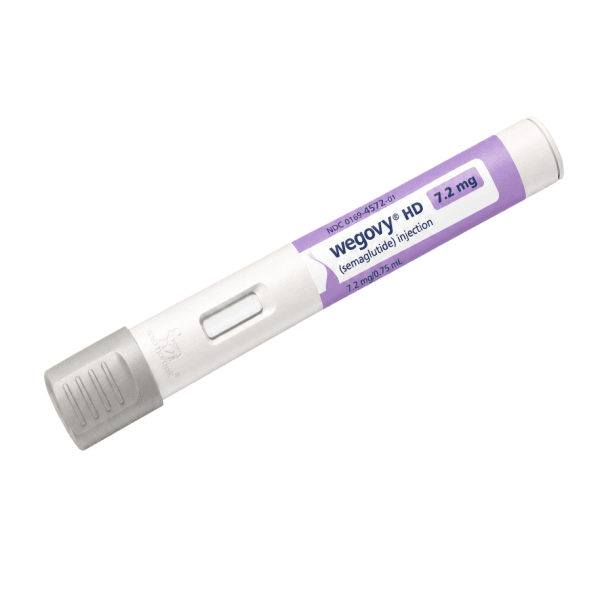
Stay consistent with weekly dosing, meal planning, and movement. Use a written plan for titration dates and check-ins. If you need background on device formats, this product page shows pen-based delivery components for semaglutide injections (Ozempic Pens). When comparing oral or next-generation incretins, this summary reviews emerging once-daily candidates and trial endpoints (Orforglipron Clinical Trials).
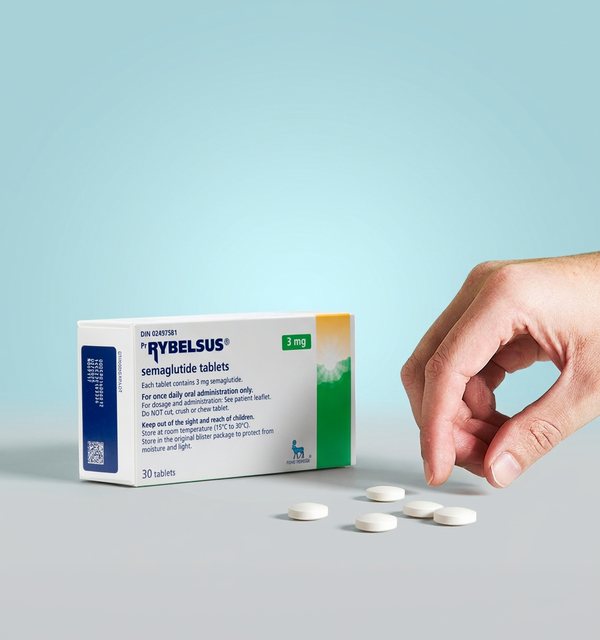
If weight control is the primary goal, your clinician may consider a semaglutide product at a weight-management dose under its indicated brand. For a concise overview of head-to-head efficacy between oral and investigational options, see this comparison piece (Orforglipron vs. Rybelsus). For broader product context organized by condition, browse our medication groupings (Diabetes Medications; Weight Management Products).
Recap
There is no single timeline for semaglutide use. Duration depends on indication, response, and tolerability. Most plans include titration, a stable maintenance period, and periodic reassessment. Clinicians may continue therapy when benefits persist and risks remain acceptable.
Track results, monitor safety labs, and address setbacks early. If needs change, adjust dose, pause, or consider alternatives. Evidence-based guidance, label instructions, and consistent follow-up help you sustain results responsibly.
Note: For indication-specific details and safety information, review the official labels: Ozempic for diabetes and Wegovy for chronic weight management (Ozempic prescribing information; Wegovy labeling).
Medical disclaimer: This content is for informational purposes only and is not a substitute for professional medical advice.