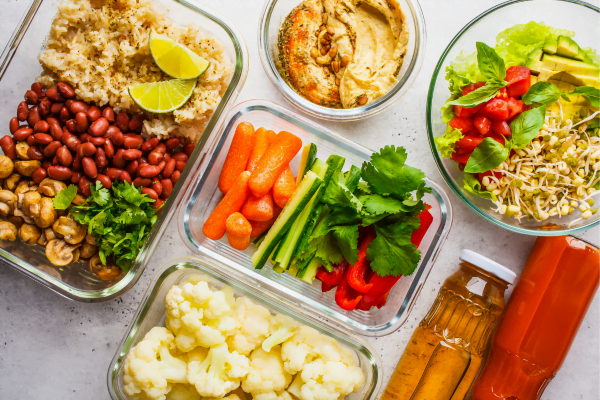
A vegan diet for diabetes can be a healthy option when it is planned around fiber-rich foods, adequate protein, key nutrients, and your usual glucose targets. It is not automatically low-carb, and it is not a cure. The main benefit comes from the overall eating pattern: more whole plant foods, fewer highly processed foods, and meals that match your medication plan and activity level.
This matters because plant-based meals can either steady glucose or raise it quickly. Beans, vegetables, oats, tofu, nuts, and whole grains behave differently from juice, white rice, sweets, and oversized portions of dried fruit. The details matter.
Key Takeaways
- A vegan diet for diabetes can fit type 1 or type 2 diabetes care, but it needs planning.
- Carbohydrate quality and portion size still affect post-meal glucose readings.
- Vitamin B12, iron, calcium, vitamin D, iodine, omega-3 fats, and protein need attention.
- Medication-related hypoglycemia is possible if food intake changes suddenly.
- A registered dietitian can help adjust meals without changing medicines on your own.
How a Vegan Diet for Diabetes Can Support Glucose Goals
A well-planned vegan pattern can support diabetes management by emphasizing foods that are high in fiber and lower in saturated fat. It excludes meat, poultry, fish, eggs, dairy, and other animal-derived ingredients. In practice, it can include vegetables, legumes, soy foods, whole grains, fruit, nuts, seeds, and plant oils.
The strongest version is not just animal-free. It is built around minimally processed foods. Lentils, chickpeas, edamame, tofu, tempeh, vegetables, berries, oats, barley, nuts, and seeds tend to provide fiber, protein, and slower digestion. These features can help reduce sharp glucose rises after meals for some people.
That does not mean every vegan food supports steady glucose. White bread, sweetened cereal, fries, vegan cookies, sugary drinks, and large portions of rice or noodles can raise glucose quickly. A person can follow a vegan diet and still have high A1C if meals are mostly refined starches or if medication, stress, sleep, illness, and activity are not addressed.
If you are exploring plant-forward eating, the related article on Plant-Based Nutrition covers the broader nutrition pattern in diabetes care.
Why it matters: Vegan eating is a framework, not a glucose-control guarantee.
Why Blood Sugar Can Still Run High
High glucose on a vegan diet usually comes from the total meal pattern, not from being vegan itself. The most common drivers are large carbohydrate portions, refined grains, sweetened drinks, low protein intake, frequent snacking, and underestimating sauces or packaged foods.
Carbohydrates are not all the same. Whole beans and intact grains usually digest more slowly than fruit juice or white flour. Fiber, protein, fat, cooking method, and portion size all influence the glucose response. Your own readings also matter because people respond differently to the same meal.
The carb-serving calculator can help estimate how many carbohydrate servings are in a meal from the total carbohydrate listed on labels. It does not set your personal target or replace professional guidance.
Carb Serving Calculator
Convert total carbohydrate grams into carb choices for meal planning and diabetes education.
These calculations are for education only and do not replace clinical advice, diagnosis, or treatment. Always confirm medical decisions with a qualified healthcare professional.
When reading labels, focus on total carbohydrate first. Then check fiber, added sugars, serving size, and how many servings you actually eat. A cereal that looks moderate per serving may become a high-carb breakfast if the bowl is two or three servings.
Some people ask whether vegans have high A1C. Vegan eating does not inherently cause a high A1C. A1C reflects average glucose over several weeks, so it depends on meals, medications, activity, sleep, illness, and insulin resistance. If your A1C rises after changing your diet, review meal composition and glucose records with your care team rather than assuming plant-based eating is the only cause.
For more background on how lifestyle factors affect glucose handling, see Improving Insulin Sensitivity.
Building Vegan Meals Without Guesswork
A vegan diet for diabetes works best when each meal has a structure. A useful starting point is to combine non-starchy vegetables, a plant protein, a measured high-fiber carbohydrate, and a small amount of unsaturated fat. This is not a strict prescription. It is a way to reduce guesswork.
| Meal Part | Vegan Examples | Why It Helps |
|---|---|---|
| Non-starchy vegetables | Leafy greens, broccoli, peppers, mushrooms, zucchini | Add volume and fiber with fewer carbohydrates. |
| Plant protein | Tofu, tempeh, edamame, lentils, beans, soy yogurt | Supports fullness and helps balance carbohydrate-heavy meals. |
| High-fiber carbohydrate | Oats, barley, quinoa, beans, berries, whole-grain roti | Provides energy with slower digestion than refined starches. |
| Unsaturated fat | Avocado, nuts, seeds, olive oil, tahini | Improves satiety, but portions still matter. |
Breakfast ideas that are less likely to spike quickly
Breakfast is often where glucose rises because many common options are cereal, toast, juice, or sweet coffee drinks. A vegan diabetic breakfast can still be simple. Consider oats with chia seeds and berries, tofu scramble with vegetables, unsweetened soy yogurt with nuts, or whole-grain toast paired with nut butter and berries.
If breakfast is your hardest meal, the article on Breakfast Ideas For Diabetics offers more meal-building options.
Lunch and dinner patterns
For lunch and dinner, build meals around legumes or soy foods first. A bowl with lentils, salad greens, roasted vegetables, and a measured grain portion may be steadier than a large rice bowl with only a small amount of protein. Vegan Indian-style meals can work well when dal, chana, tofu, vegetables, and whole grains are balanced carefully. Portions of rice, naan, dosa, and sweet chutneys still count.
Fruit can also fit. Whole fruit is usually a better choice than juice because it contains fiber and takes longer to eat. If you are unsure which fruits fit your pattern, review Fruits For Diabetics for practical selection tips.
Snacks and packaged vegan foods
Vegan snacks can be helpful when they prevent long gaps between meals. They can also add unexpected carbohydrates. Better-balanced options may include roasted chickpeas, nuts with a small fruit portion, vegetables with hummus, edamame, or unsweetened soy yogurt. Check labels on protein bars, granola, plant milks, and dairy-free desserts, since added sugars vary widely.
Quick tip: Keep a few repeat meals so you can compare glucose patterns more easily.
Nutrient and Medication Cautions to Plan Around
The main risks of a vegan diet for diabetes are nutrient gaps, unbalanced carbohydrate intake, and medication mismatch. These risks are manageable, but they should not be ignored.
Vitamin B12 needs special attention because reliable natural food sources are animal-based. People eating fully vegan diets usually need fortified foods or a supplement, guided by a clinician or dietitian. Iron, zinc, calcium, vitamin D, iodine, omega-3 fats, and protein also deserve planning. This is especially important for older adults, pregnant people, people with kidney disease, and anyone with reduced appetite.
Medication safety matters because food changes can affect glucose patterns. If you use insulin or medicines that can cause hypoglycemia, such as sulfonylureas, a sudden drop in calories or carbohydrates may increase low-glucose risk. Symptoms can include shakiness, sweating, confusion, weakness, hunger, or a fast heartbeat. Follow your prescribed low-glucose plan and seek urgent care for severe symptoms, loss of consciousness, seizures, or inability to keep carbohydrates down.
Do not stop or reduce diabetes medication because your meals improve. Some people with type 2 diabetes may lower glucose after weight loss and sustained lifestyle changes, but remission must be confirmed and monitored by a clinician. Type 1 diabetes always requires insulin.
Medication and nutrition often need to be reviewed together. The internal overview on Diabetes Care Standards explains why individualized targets and ongoing monitoring matter.
Who Should Get Individual Meal Advice
Individual advice is most important when glucose targets, medications, or medical conditions make meal changes higher risk. A registered dietitian can help translate plant-based preferences into meals that match your carbohydrate needs, kidney function, weight goals, cultural foods, and medication schedule.
Ask for professional guidance before making major changes if you:
- Use insulin or hypoglycemia-prone medication.
- Have repeated high or low readings.
- Are pregnant or planning pregnancy.
- Have chronic kidney disease.
- Have gastroparesis, or delayed stomach emptying.
- Have a history of disordered eating.
- Are losing weight without trying.
Children, adolescents, frail adults, and competitive athletes also need more careful planning. Their protein, calorie, and micronutrient needs may be harder to meet with a restrictive pattern.
Some viral rules, including 10-10-10 or 30-30-30 style routines, are not universal diabetes standards. They may refer to habits such as meal timing, exercise, or protein goals, depending on the source. Treat them as social media shorthand, not medical rules. Your glucose data and care plan should guide decisions.
How It Compares With Other Eating Patterns
A vegan diet for diabetes is one option among several evidence-informed eating patterns. Mediterranean-style, vegetarian, lower-carbohydrate, higher-fiber, and culturally adapted meal plans can all be appropriate when they improve nutrition quality and are sustainable.
Low-fat vegan diets have been studied in type 2 diabetes, but very low-fat eating is not the only way to build plant-based meals. Some people feel better with more nuts, seeds, avocado, and olive oil. Others need a lower-carbohydrate pattern to reduce post-meal spikes. The right approach depends on glucose response, preferences, medication, kidney status, cholesterol goals, and long-term adherence.
For a contrast with a much lower-carbohydrate approach, see the article on the Ketogenic Diet. It highlights why carbohydrate level, food quality, and safety monitoring should be considered together.
If you want broader browsing by condition, the Diabetes Articles hub collects related education, while Type 2 Diabetes Articles narrows the topic further.
Authoritative Sources
- The American Diabetes Association offers practical vegan meal-planning basics.
- A peer-reviewed review summarizes evidence on plant-based eating in type 2 diabetes.
- Diabetes Canada outlines clinical nutrition principles in diabetes nutrition therapy guidance.
A plant-based pattern can be practical, satisfying, and glucose-aware when it is built around whole foods and consistent monitoring. Start with a few balanced meals, track your response, and involve your care team when medication or medical risks make changes more complex.
This content is for informational purposes only and is not a substitute for professional medical advice.