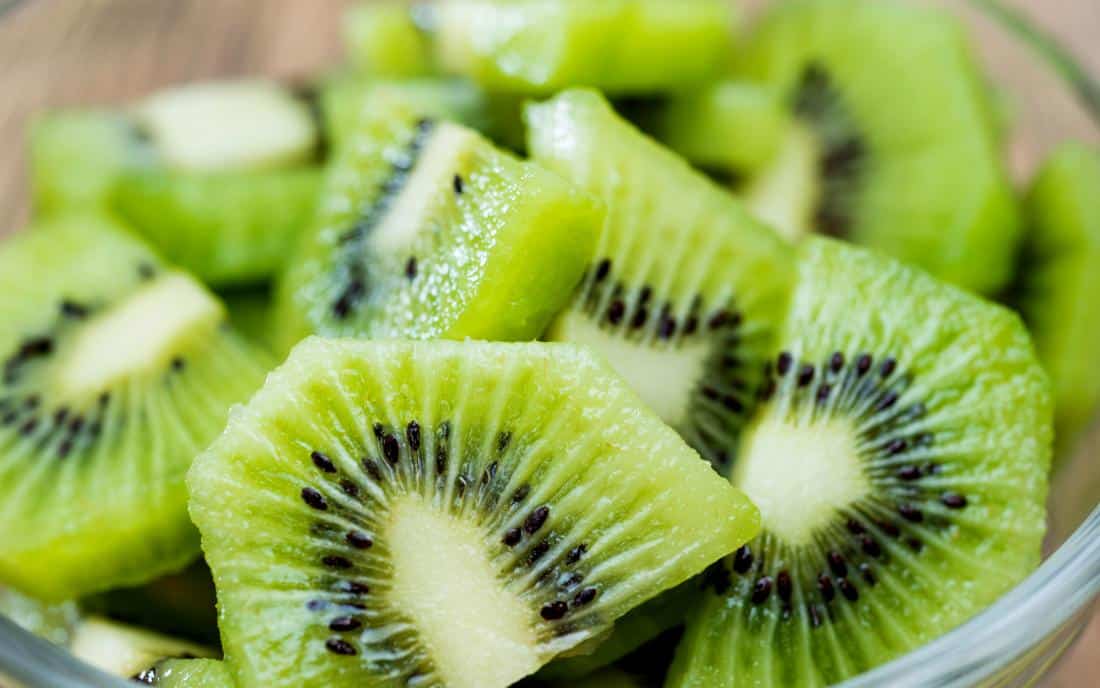
Kiwi can fit into many diabetes meal plans when the portion is measured and counted with the rest of the meal. Kiwi and Diabetes: Glycemic Impact is mainly about serving size, fiber, ripeness, and what you eat with it. One medium kiwi usually has a modest carbohydrate load compared with many larger fruit servings, but your own glucose response still matters.
This matters because fruit advice can become too simple. Sugar grams are only one part of the picture. Glycemic index, glycemic load, fiber, meal timing, activity, and diabetes medicines can all change the result after eating.
Key Takeaways
- Measured portions help: one medium kiwi is a practical starting serving.
- Glycemic impact is modest: kiwi is generally low-to-moderate in GI.
- Pairings matter: yogurt, nuts, or meals may reduce sharp rises.
- Fresh beats dried: dried fruit concentrates sugar and calories.
- Personal data wins: glucose meters and CGMs show your response.
Can People With Diabetes Eat Kiwi?
Most people with diabetes can eat kiwi as part of a balanced carbohydrate plan. The usual question is not whether kiwi is banned, but how much fits your meal, medicine schedule, and glucose targets. Kiwi provides carbohydrate, so it can raise blood sugar. It also contains fiber, water, vitamin C, potassium, and plant compounds that make it different from juice, candy, or dried sweet snacks.
A useful serving is one medium kiwi. Some plans may allow more, such as one cup of sliced fruit, but that depends on your total carbohydrate budget. If you count carbohydrates, include kiwi with the meal or snack rather than treating it as “free.” If you use insulin or medicines that can cause hypoglycemia (low blood sugar), ask your clinician or registered dietitian how fruit should fit your timing and treatment plan.
Kiwi and diabetes discussions should also consider the rest of the plate. A kiwi eaten alone in the afternoon may affect you differently than the same kiwi after a meal with eggs, lentils, fish, tofu, yogurt, or nuts. Protein, fat, and higher-fiber foods can slow stomach emptying and reduce the speed of glucose absorption.
Why it matters: The same fruit can produce different readings in different meal contexts.
Kiwi Glycemic Index and Glycemic Load
The kiwi glycemic index is generally considered low-to-moderate, but glycemic load often gives a more practical view. Glycemic index, or GI, ranks carbohydrate foods by how quickly they raise blood glucose compared with a reference food. Glycemic load, or GL, combines GI with the amount of available carbohydrate in a serving.
That distinction matters for kiwi. A food can have a moderate GI but still have a modest GL when the serving contains limited carbohydrate. Fresh kiwi also has water and fiber, which help explain why a standard serving may have a smaller glucose effect than a larger serving of fruit juice or dried fruit.
Published GI values can vary by variety, ripeness, growing conditions, and test method. Green kiwi and golden kiwi may not produce identical values, and very ripe fruit may taste sweeter. Still, portion size usually matters more than small differences between varieties for everyday blood sugar planning.
You can use glycemic load when comparing fruit servings or building meals. The calculator below helps estimate GL from a GI value, available carbohydrate, and number of servings. It is a general math aid, not a clinical target or treatment tool.
Glycaemic Load Calculator
Calculate glycaemic load from glycaemic index and available carbohydrate in a serving.
These calculations are for education only and do not replace clinical advice, diagnosis, or treatment. Always confirm medical decisions with a qualified healthcare professional.
How to use GI without overusing it
GI can help compare carbohydrate foods, but it should not be the only rule. It does not account for your full meal, your medication timing, recent exercise, sleep, stress, or insulin sensitivity. It also does not tell you whether a food is nutrient-dense.
For a practical approach, compare similar portions of whole fruit. Then check your glucose pattern one to two hours after eating, if your care team has asked you to monitor. Look at the size of the rise and how quickly your reading returns toward your usual range.
Kiwi Sugar Content, Carbs, and Serving Size
Kiwi contains natural sugars and starch-derived carbohydrate, so it can raise blood sugar. A medium kiwi is usually a smaller carbohydrate serving than many large bananas, large mango portions, fruit juices, or sweetened smoothies. Exact nutrition values vary by size and variety, so food labels or nutrient databases are useful when you track closely.
For many people, a sensible kiwi serving size for diabetics starts with one medium fruit. If you prefer sliced kiwi, measure the portion once so you know what one cup looks like in your bowl. This prevents accidental double portions, especially when kiwi is mixed into yogurt, cereal, smoothies, or fruit salad.
Here are practical ways to fit kiwi into meals:
- With plain Greek yogurt: adds protein and slows eating pace.
- With nuts or seeds: adds fat, crunch, and satiety.
- After a balanced meal: may blunt a sharper snack response.
- In chia pudding: adds fiber and texture without juice.
- With cottage cheese: pairs carbohydrate with protein.
Avoid judging kiwi by sugar content alone. Whole fruit has structure, water, and fiber. Juice removes much of that structure and makes carbohydrate easier to consume quickly. Sweetened dried kiwi can be even more concentrated and may include added sugars.
For broader fruit selection principles, see What Fruits Are Good For Diabetics. That resource focuses on choosing whole fruit by portion, fiber, and glucose response rather than by one nutrient.
Green Kiwi, Golden Kiwi, and Ripeness
Green and golden kiwi can both fit a diabetes-conscious eating pattern. Green kiwi often tastes more tart and may have slightly more fiber. Golden kiwi tends to taste sweeter and softer. These sensory differences can affect how much you eat, which may matter more than the variety itself.
Ripeness also changes eating experience. A firmer kiwi may taste less sweet. A very ripe kiwi may be easier to eat quickly and may feel sweeter on the tongue. That does not mean ripe kiwi is unsafe, but it makes portion awareness more important.
If you compare green kiwi glycemic index and golden kiwi glycemic index values, remember that tables are estimates. Your body may respond differently. A simple experiment can help: test a similar portion of green kiwi and golden kiwi in the same meal context on different days. Keep the rest of the meal as similar as possible.
Quick tip: Eat kiwi with a spoon from the skin to slow the snack down.
How Kiwi Compares With Other Diabetes-Friendly Fruits
Kiwi compares well with many whole fruits when portions are controlled. It is not a “miracle fruit” for type 2 diabetes, and no single fruit can replace a balanced eating plan, physical activity, sleep, and medication decisions made with your care team. The goal is to choose fruit portions that give nutrients without causing repeated glucose spikes.
Low glycemic fruits for diabetics often include berries, apples, pears, citrus fruits, peaches, plums, and kiwi in measured servings. Higher-impact choices are often less about the fruit name and more about the form and portion. Juice, sweetened smoothies, canned fruit in syrup, and large dried fruit portions can raise blood sugar faster than whole fruit.
Bananas, grapes, pineapple, mango, and watermelon are not automatically off-limits. They often need closer portion control. For a focused comparison, read Watermelon And Diabetes. For another common whole-fruit option, see Apples And Diabetes.
If you are building a regular fruit rotation, kiwi can be one option among several. Rotating fruit helps you vary fiber, taste, and micronutrients. It also helps you notice which fruits produce steadier readings for you.
Simple comparison factors
- Portion size: compare equal carbohydrate amounts when possible.
- Fruit form: choose whole fruit more often than juice.
- Fiber content: higher fiber may slow absorption.
- Meal context: protein and fat can change the glucose curve.
- Personal readings: your meter or CGM may differ from averages.
For more examples of diabetes friendly fruits, you can review Best Fruits For Diabetics. If you want the opposite angle, Fruits For Diabetics To Avoid explains why form, serving size, and added sugar often drive concern.
Dried Kiwi, Juice, and Smoothies
Dried kiwi is more likely to raise blood sugar quickly than fresh kiwi, especially when portions are loose. Drying removes water and shrinks the volume, so it is easier to eat more carbohydrate in fewer bites. Some dried kiwi products also contain added sugar.
Fruit juice has a similar problem. It delivers carbohydrate quickly and is easy to overconsume. Smoothies vary. A smoothie made with whole kiwi, plain yogurt, chia seeds, and no juice may be very different from a large blended drink with fruit juice, sweeteners, and multiple fruit servings.
When choosing packaged fruit products, check the label for total carbohydrate, added sugars, serving size, and ingredients. “Natural” does not mean low impact. If the serving size is tiny, measure it before assuming it matches a fresh kiwi portion.
When to Be More Cautious
Some situations call for extra guidance before changing fruit portions. Speak with a clinician or registered dietitian if you have frequent low blood sugar, repeated high readings after meals, pregnancy, kidney disease, gastroparesis (delayed stomach emptying), an eating disorder history, or a major change in diabetes medication. These factors can change carbohydrate targets and meal timing.
People using mealtime insulin may need more precise carbohydrate counting. People taking sulfonylureas or other medicines that can cause hypoglycemia may need consistent meal patterns. Do not change medication doses because of a fruit choice unless your prescriber has given you a plan.
If you are reviewing diabetes care topics more broadly, the Diabetes Articles collection offers related educational reading. For condition-based navigation, the Diabetes page lists diabetes-related options and resources in one place.
Building a Practical Kiwi Plan
A practical plan starts with a measured serving. Choose one medium kiwi, pair it with a protein or fat source, and track how it affects you in a normal meal pattern. If you use a continuous glucose monitor, compare the peak rise and return-to-baseline time. If you use finger-stick testing, follow the schedule your care team recommends.
Try not to test kiwi only under unusual conditions. Poor sleep, illness, stress, alcohol, intense exercise, and missed meals can all affect readings. A fair comparison uses similar meals, similar timing, and similar activity levels.
Here is a simple weekly approach:
- Pick one serving: use one medium kiwi at first.
- Choose one pairing: try yogurt, nuts, or cottage cheese.
- Keep timing steady: compare breakfast with breakfast, not dinner.
- Record context: note exercise, sleep, and medication timing.
- Adjust with support: ask your care team about repeated highs or lows.
Kiwi and diabetes planning should stay flexible. If kiwi gives you a large rise when eaten alone, you may tolerate it better after a meal. If golden kiwi encourages larger portions because it tastes sweeter, green kiwi may help with moderation. If any fruit repeatedly disrupts your glucose range, your care team can help you adjust portions or timing.
Authoritative Sources
For nutrient values by portion and fruit type, use USDA FoodData Central nutrient data. It can help compare carbohydrate, fiber, and serving weights.
For glycemic index and glycemic load concepts, see the University of Sydney GI database. Values may vary by food variety and testing method.
For general diabetes nutrition principles, review CDC healthy eating guidance for diabetes. It emphasizes balanced meals, portions, and sustainable patterns.
Recap
Kiwi can be a reasonable fruit choice for many people managing diabetes. Its glycemic impact is usually modest in measured fresh servings, especially when paired with protein, fat, or a balanced meal. It still contains carbohydrate, so portion size and personal glucose response matter.
Use kiwi as one option in a wider fruit plan. Favor whole fruit over juice or sweetened dried fruit. Compare foods by serving size, fiber, glycemic load, and your own readings rather than by sugar grams alone.
This content is for informational purposes only and is not a substitute for professional medical advice.