Overview
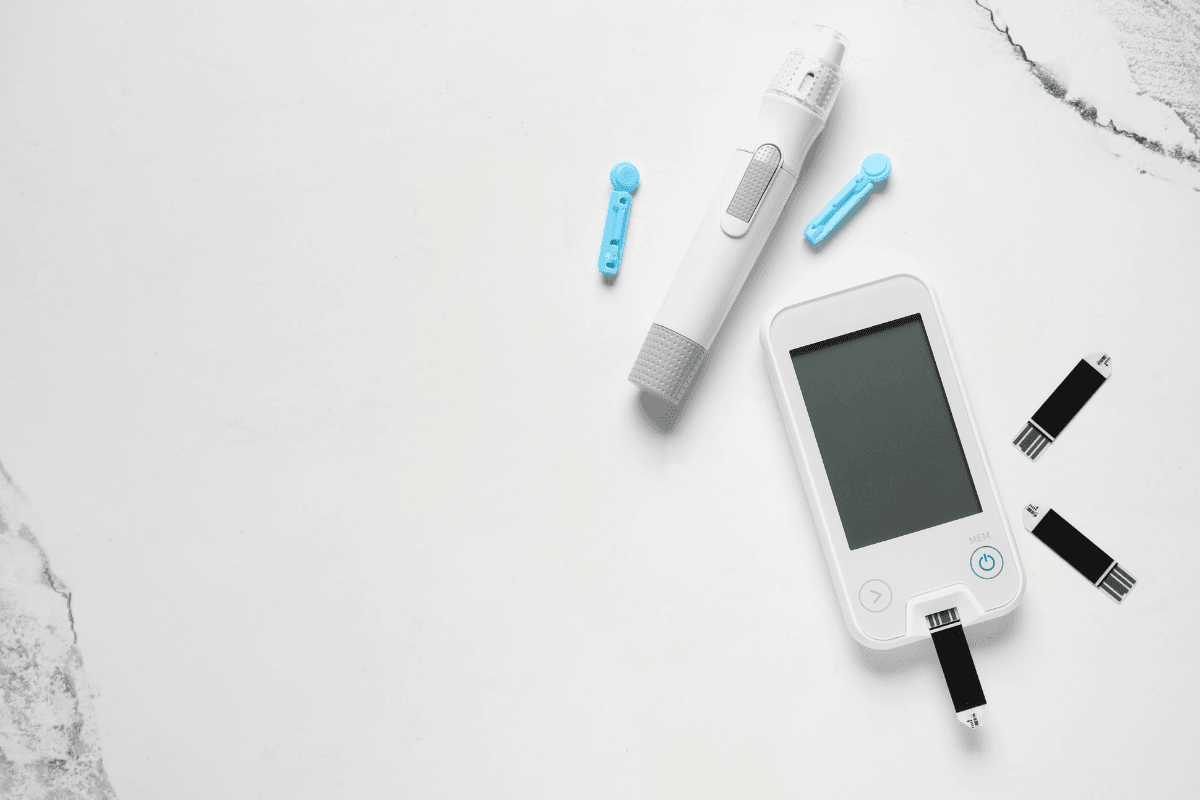
Fingerstick blood glucose checks rely on small, sharp tools and consistent technique. In most home setups, a spring-loaded lancing device uses lancets to puncture skin and produce a drop of capillary blood. The goal is simple: get an adequate sample with minimal discomfort and low risk of contamination. When the setup feels “off,” people often blame the meter. But the lancet needle, device settings, and fit usually matter just as much.
This guide explains what these needles do, how they differ, and how compatibility works. You’ll also learn what to look for when you see names like Accu-Chek Softclix, Accu-Chek FastClix, OneTouch Delica Plus, Microlet, and FreeStyle. We’ll keep it practical and neutral. Use the official instructions for your device and meter, and ask your clinician for personalized guidance.
CanadianInsulin functions as a prescription referral service, not a dispensing pharmacy.
Key Takeaways
- Fit and compatibility drive comfort and reliability.
- Gauge and depth settings affect pain and sample size.
- Single-use design reduces dullness and contamination risk.
- Sharps disposal needs a puncture-resistant container and local rules.
Core Concepts: Lancets, Needles, And Lancing Devices
“Fingerstick” testing is a form of capillary sampling. A tiny puncture opens superficial skin vessels so you can collect a drop for a test strip. The puncture should be controlled and repeatable. That repeatability depends on the device’s spring force, your depth setting, and the needle geometry. It also depends on using the correct consumable for your device style.
Many people mix terms. A lancing device is the reusable handheld tool. A lancet needle is the small, disposable needle that actually punctures the skin. Some systems use a single needle that you load manually. Other systems use a cartridge or “drum” that advances automatically. You’ll see both types in brand families, so the model name matters.
Fingerstick (Capillary) Testing Basics
Capillary blood is taken from small vessels close to the skin surface. Fingertips are common because they usually give a quick sample. The sides of the fingertip can be less sensitive than the pad for many people. Hand warmth and hydration can also influence how easily blood forms a drop. Technique issues can look like device problems, even when the consumable is fine.
Contamination is another basic concept. Residue on the skin can affect results if it mixes with the sample. That is why many instructions emphasize clean, dry hands and avoiding shared equipment. In households where more than one person tests, it helps to keep devices clearly separated and labeled.
Gauge, Tip Shape, And Depth Settings
Gauge is a measure of needle diameter. In general terms, higher gauge numbers mean a thinner needle. A thinner needle may feel less sharp to some people, but it can also yield a smaller drop. Depth settings control how far the needle travels into the skin. The “right” depth is the lowest setting that still produces enough blood for your test strip.
Not all tips are identical. Some are tri-bevel or polished to reduce drag. Manufacturing differences can change how the puncture feels. If checks are consistently painful, it can help to review your device instructions, confirm you are using the right consumable, and make sure you are not using a dulled needle. Fresh lancets tend to penetrate more cleanly than reused ones.
Quick tip: If you change device models, re-check depth settings from the beginning.
Compatibility: Why Fit Matters More Than Brand Names
Compatibility is partly mechanical and partly safety-related. The needle has to seat securely so it does not wobble or misfire. Many “universal” round needles fit many holders, but not all. Some systems require proprietary shapes or cartridges. For example, Softclix-style holders differ from drum-based systems such as FastClix, which uses an integrated lancet drum rather than a single loose needle.
If you are unsure what you have, start with the device name printed on the lancing device body. Then match that model to the manufacturer’s list of compatible needles. For a plain-language walkthrough, see What Is A Lancing Device. If you use an Accu-Chek Softclix device, the compatible style is often listed alongside items like Accu-Chek Softclix. If you use a drum system, it is typically paired with products like Accu-Chek FastClix 102 Pack.
Single-Use Design, Safety Features, And Infection Control
These needles are designed for single use. Reuse can dull the tip and can increase the chance of skin irritation. Sharing any fingerstick needle between people raises infection transmission concerns. Many safety guidelines treat used needles as sharps, meaning they can puncture skin and spread blood exposure. Even inside the home, it helps to handle them with the same caution you would use for any sharp medical item.
Some people use safety lancet devices that retract or lock after activation. These can reduce accidental sticks during handling and disposal. They may also make sense in settings where multiple caregivers assist a person, such as home nursing support. The tradeoff is less flexibility in depth settings and device feel, depending on the model.
Why it matters: Safe handling reduces accidental sticks when you dispose of sharps.
Comfort, Skin Care, And Common Problems
Discomfort often comes from a combination of factors. Repeated punctures in the same spot can increase tenderness. Cold hands can make sampling harder, leading to multiple attempts. Pressing hard with the device can increase pain and bruising. Some people also experience calluses, especially with frequent testing.
If you notice frequent “no sample” errors, first check the basics: correct strip, correct meter coding (if applicable), and adequate blood volume. Then look at device factors: depth, needle seating, and whether the tip is likely dulled. If bleeding seems excessive, if you have poor circulation, or if you have reduced sensation (neuropathy), bring it up with your clinician. Those factors can change what sites and techniques are safest for you.
Practical Guidance
Start by mapping your current setup. Write down your meter model, your test strip brand, and your lancing device model. Keep the packaging if you can, since it often lists compatible needles. If you are building a home kit, decide where it will live and who will use it. A consistent setup reduces missed steps and reduces mix-ups between family members.
For a broader view of meter types and how they fit into home monitoring, you can review Glucose Monitors And Meters. If your meter is part of the OneTouch Verio family, an example device listing is OneTouch Verio Flex Meter. Even if you use a different brand, the selection logic is similar: confirm the meter-strip match first, then build the fingerstick supplies around your device.
Keep new lancets in a clean, dry area with the device. Avoid storing them loose in bags where caps can fall off. If you carry supplies, a hard-sided case can reduce contamination and bent needles. If you notice frequent skin irritation, consider whether alcohol swabs are drying your skin. Many people do well with simple handwashing and thorough drying, but you should follow your clinician’s instructions.
Prescriptions may be verified with your prescriber when needed before fulfillment.
Use a simple selection checklist when you are comparing options:
- Device model: match brand and type.
- Needle gauge: balance comfort and sample size.
- Depth control: ensure settings suit your skin.
- Loading method: single needle versus drum.
- Safety needs: consider retracting designs if helpful.
If you’re switching brands, build in a short learning curve. A new lancing device can feel different even at the same depth number. Review the manufacturer’s instructions for loading and disposal. If you get inconsistent results, consider whether your test strip technique has changed. For a step-by-step refresher on the overall workflow, see How To Check Sugar Level At Home.
Plan for sharps disposal early. A puncture-resistant container with a secure lid is the usual starting point. Many communities allow drop-off programs or household hazardous waste collection. Rules vary by state and municipality. If you travel, pack a portable sharps container rather than discarding needles in hotel trash.
Compare & Related Topics
Standard single-needle systems and drum systems solve the same problem, but they feel different in daily use. Drum systems reduce handling because you advance to a fresh needle without manually loading each time. They can be convenient for people with limited dexterity, or for anyone who dislikes handling sharps. The main limitation is that you must use the correct drum format for that device family, rather than a universal needle.
Some people compare “universal” needles, brand-specific options, and safety designs. The best comparison is often practical: what fits your device, what you can load reliably, and what you can dispose of safely. If you use multiple devices at different locations, labeling matters. It is easy to accidentally buy the wrong refill when names sound similar.
In drum systems, lancets are packaged differently than loose needles. That changes handling and can reduce touch points. It does not change the need for safe disposal and single-person use.
If access is part of your planning, some people use cash-pay options, including without insurance, to keep supplies consistent. CanadianInsulin may facilitate US delivery from Canada by coordinating prescription documentation when required.
To explore related non-prescription care items that people often keep with testing supplies, you can browse General Care. For broader wellness topics that overlap with home monitoring habits, see General Health Articles. For examples of device-family refills people commonly match to specific holders, see listings like OneTouch UltraSoft 100 Count or Microlet and then confirm fit against your device manual.
Orders are dispensed by licensed Canadian pharmacies after required review.
Authoritative Sources
For safety details and disposal rules, use public health guidance in addition to your device manual. Disposal guidance is especially important if children or pets are in the home. If you have questions about a device’s specific consumables, the manufacturer’s instructions for use (IFU) are the primary source for compatibility and loading steps.
These organizations provide clear, practical safety information:
- Neutral guidance on sharps disposal is available from CDC sharps disposal resources.
- Background on blood glucose monitoring is summarized by the American Diabetes Association.
Recap: choose compatible supplies, start with conservative settings, and treat used sharps carefully. When the basics are solid, lancets become a quiet, reliable part of your routine rather than a daily frustration.
This content is for informational purposes only and is not a substitute for professional medical advice.
________________________________________________________________________________________
Medically Reviewed by: Ma Lalaine Cheng.,MD.,MPH