
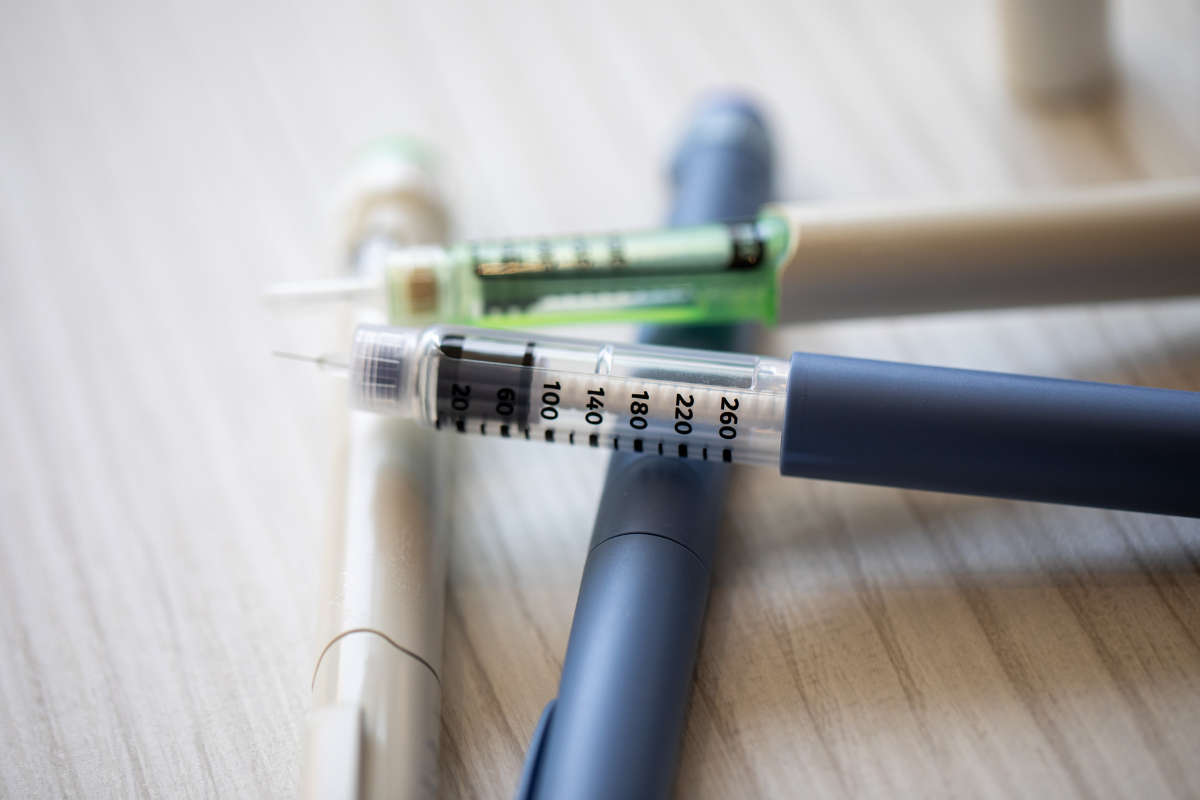
Victoza vs Ozempic is mainly a comparison of two GLP-1 receptor agonists with different dosing schedules, patient-use details, and tolerability patterns. Both are used in type 2 diabetes care, but Victoza is typically taken once daily, while Ozempic is taken once weekly. That difference can affect routines, missed doses, side effects, and long-term adherence.
Neither option is automatically better for every person. The right fit depends on glucose goals, cardiovascular risk, weight-related goals, other medicines, safety history, coverage, and how well you tolerate dose changes. Use this comparison to prepare specific questions for your clinician, not to change treatment on your own.
Key Takeaways
- Same drug class: Both activate GLP-1 receptors.
- Different schedules: Victoza is daily; Ozempic is weekly.
- Similar side effects: Nausea and stomach symptoms are common.
- Switching needs planning: Timing and titration matter.
- Access varies: Coverage and cash-pay costs can differ widely.
How Victoza and Ozempic Compare Early in Decision-Making
The most practical difference is injection frequency. Victoza contains liraglutide and is a daily GLP-1 receptor agonist. Ozempic contains semaglutide and is a weekly GLP-1 receptor agonist. Both help lower glucose in a glucose-dependent way, meaning their insulin-related effects are stronger when blood sugar is elevated.
Why this matters: dosing rhythm often shapes real-world use. A daily medicine may fit people who prefer a regular routine. A weekly medicine may suit those who want fewer injections. However, weekly dosing also means side effects can linger longer after a dose increase because the drug remains in the body for more time.
Victoza vs Ozempic also comes up when people compare weight change. Both may reduce appetite and support weight loss in some adults with type 2 diabetes. Semaglutide has often shown greater average weight effects in clinical research, but individual results vary. Weight response should not be the only decision factor, especially if nausea, access, or other medicines complicate treatment.
For a broader molecule-level comparison, see Liraglutide vs Semaglutide. It explains how these active ingredients differ beyond their brand names.
Mechanism, Dosing Rhythm, and Daily Use
Both medicines mimic GLP-1, an incretin hormone that helps coordinate insulin release, glucagon reduction, appetite signals, and slower gastric emptying. Gastric emptying means how quickly food leaves the stomach. Slower emptying can reduce post-meal glucose spikes, but it can also cause nausea, fullness, reflux, or bloating.
Victoza’s shorter-acting profile fits daily use. Ozempic’s longer half-life supports once-weekly use. Those pharmacology differences influence how dose adjustments feel. With daily treatment, side effects may be easier to connect with a recent injection. With weekly treatment, symptoms may build or persist across several days after a change.
What to Ask About Dosing
- Starting plan: Ask how titration will reduce nausea risk.
- Missed doses: Confirm label-based instructions before travel.
- Injection training: Review needle use and pen handling.
- Storage needs: Check refrigeration and room-temperature limits.
- Follow-up timing: Ask when symptoms or labs will be reviewed.
Pen devices also differ. If you want to understand product formats, review Victoza Pens and Ozempic Pens. Use product pages for device context, not as a substitute for label instructions or clinician training.
Glucose, Weight, and Heart-Health Considerations
Both agents can lower A1C in adults with type 2 diabetes. A1C reflects average blood glucose over roughly the past two to three months. Your clinician may also review home glucose logs, continuous glucose monitor data, kidney function, and other risk factors before judging whether treatment is working.
Weight effects are common discussion points in ozempic vs victoza for weight loss. Both may reduce appetite, but response varies by dose, diet, activity, other medicines, and the reason therapy was chosen. Some people mainly need glucose stability. Others may also need support for cardiometabolic risk, such as blood pressure, cholesterol, and weight-related health concerns.
Cardiovascular context matters. GLP-1 receptor agonists have been studied in adults with type 2 diabetes and cardiovascular risk. The evidence differs by medicine, trial design, and patient population, so your clinician may prioritize one option when heart disease, kidney disease, or multiple risk factors are present.
Quick tip: Bring recent A1C results, weight trends, and glucose logs to your visit.
If you track A1C and estimated average glucose, this calculator can help convert between the two units. It is a general math tool and does not judge whether a treatment is appropriate.
HbA1c & eAG Calculator
Convert between HbA1c percentage and estimated average glucose using the ADAG relationship.
These calculations are for education only and do not replace clinical advice, diagnosis, or treatment. Always confirm medical decisions with a qualified healthcare professional.
For broader type 2 diabetes education, the Type 2 Diabetes Articles category can help you explore related medication and lifestyle topics.
Side Effects, Warnings, and When to Seek Care
Victoza side effects and Ozempic side effects overlap because both medicines work through GLP-1 receptors. Common issues include nausea, vomiting, diarrhea, constipation, reduced appetite, burping, reflux, and abdominal discomfort. These symptoms often appear during initiation or titration, when the dose is being adjusted.
Serious symptoms need prompt medical review. Severe or persistent abdominal pain, repeated vomiting, dehydration, symptoms of gallbladder disease, or signs of pancreatitis should not be ignored. Pancreatitis means inflammation of the pancreas. Seek urgent care if pain is severe, radiates to the back, or comes with persistent vomiting.
Both medicines carry important warnings and may not be appropriate for some people. This includes people with a personal or family history of medullary thyroid carcinoma or multiple endocrine neoplasia syndrome type 2, often shortened to MEN2. Pregnancy planning, breastfeeding, kidney disease, stomach-emptying disorders, and use with insulin or sulfonylureas also deserve careful review.
When comparing ozempic vs victoza side effects, do not rely only on online reviews. Forums can reveal practical experiences, but they cannot predict your risk. Your own medication list, dose history, hydration status, and gastrointestinal history matter more.
Why it matters: Slow titration can improve tolerance, but it does not remove every risk.
Switching From Liraglutide to Semaglutide
Switching from Victoza to Ozempic should be planned with a prescriber. The goal is to avoid duplicate GLP-1 exposure, reduce gaps in glucose control, and restart titration safely. You should not take Victoza and Ozempic together unless a clinician gives specific instructions, and combination use is generally not how this class is used.
There is no universal liraglutide to semaglutide dose conversion that fits everyone. Clinicians usually consider the current dose, recent side effects, A1C, hypoglycemia risk, kidney function, and other glucose-lowering medicines. A person who had nausea on liraglutide may need a more cautious semaglutide start than someone who tolerated treatment well.
Information to Bring Before a Switch
- Last injection date: Include the exact day and time.
- Current dose: List the dose and recent changes.
- Side effects: Note nausea, vomiting, reflux, or constipation.
- Glucose pattern: Bring lows, highs, and A1C results.
- Other medicines: Include insulin, sulfonylureas, and supplements.
Switching from liraglutide to semaglutide may also require new pen training. Devices can feel different, even when the injection site is similar. Ask your clinician or pharmacist to review priming, needle disposal, missed-dose rules, and storage before your first dose.
Cost, Coverage, and Access Questions
Victoza vs Ozempic cost can vary by plan, pharmacy network, country, deductible stage, and whether a person uses insurance. It can also vary when product availability changes. Avoid assuming that one medicine is always less expensive, because local coverage rules may reverse the expected cost difference.
People often search for Victoza price, liraglutide generic cost, or monthly cost estimates. Those searches can be useful for budgeting, but they rarely show the full picture. You may also need to account for needles, follow-up appointments, lab monitoring, and whether a plan requires prior authorization or step therapy.
CanadianInsulin.com is a prescription referral platform, and prescription details may be confirmed with the prescriber when required. Dispensing and fulfilment are handled by licensed third-party pharmacies where permitted. Some patients also compare cash-pay options without insurance, depending on eligibility and jurisdiction.
Before changing therapy for cost reasons, ask whether the issue is temporary coverage, a formulary change, a deductible stage, or a true long-term affordability barrier. A medicine that works well but cannot be accessed consistently may not be sustainable. The same is true for a lower-cost option that causes persistent side effects.
Where Trulicity, Mounjaro, and Wegovy Fit
Related medicines can enter the conversation when glucose goals, weight goals, tolerability, or coverage do not align with the first option. Trulicity contains dulaglutide, another weekly GLP-1 receptor agonist used in type 2 diabetes care. Mounjaro contains tirzepatide, which activates GIP and GLP-1 receptors. Wegovy contains semaglutide but is used under a different indication and dosing framework than Ozempic.
These medicines are not interchangeable without clinical review. Indications, titration schedules, contraindications, and insurance rules differ. A comparison such as mounjaro vs ozempic or trulicity vs ozempic can help frame the discussion, but it should not replace a personal medication review.
For related comparisons, see Trulicity vs Ozempic and Trulicity vs Victoza. If you are comparing older GLP-1 options, Byetta vs Victoza may also provide helpful class context.
Authoritative Sources
For clinical standards on type 2 diabetes pharmacotherapy, review the ADA Standards of Care. These guidelines explain where GLP-1 receptor agonists may fit among other glucose-lowering medicines.
For label-backed safety information, consult the DailyMed Victoza label and the DailyMed Ozempic label. Official labels list warnings, contraindications, adverse reactions, and administration details.
Recap for Your Next Appointment
The central Victoza vs Ozempic decision is not only daily versus weekly dosing. It also includes side effects, weight-related expectations, heart-risk context, switching logistics, and whether access is reliable over time. Write down your current dose, symptoms, missed doses, glucose trends, and cost concerns before discussing any change.
If you need a neutral browsing starting point for medication categories, the Diabetes Products collection can help you recognize related product names. Keep clinical decisions with your prescriber, especially when switching medicines or combining diabetes treatments.
This content is for informational purposes only and is not a substitute for professional medical advice.


