
Key Takeaways
- GLP-1 and GIP drugs remain first-line injection options in 2025.
- Safety profiles are similar across the class, with GI effects most common.
- Practical choice depends on comorbidities, access, and tolerability.
- At-home use needs proper technique, rotation, and safe storage.
If you are asking what is the best injection for weight loss, the answer depends on clinical goals, personal risks, and access. Newer incretin therapies target appetite and satiety pathways with meaningful effects. Still, every option carries trade-offs that your prescriber will weigh. The sections below organize what matters for most people in 2025.
What Is the Best Injection for Weight Loss in 2025
The field centers on incretin-based agents that mimic gut hormones guiding hunger, fullness, and glucose control. Two anchors lead in 2025: injectable semaglutide (a GLP-1 receptor agonist) and tirzepatide (a dual GIP/GLP-1 receptor agonist). Choice typically reflects medical history, prior drug response, insurance access, and how well you tolerate gastrointestinal effects. Head-to-head data suggest dual-agonist approaches may offer larger average weight change, but individual responses vary.
Regulatory labels and guidance inform safe use. For evidence on indications, warnings, and contraindications, see the Wegovy prescribing information (FDA) and the Zepbound label (FDA) for semaglutide and tirzepatide, respectively. Broader clinical context appears in the American Diabetes Association Standards of Care, which discuss medical obesity therapy alongside lifestyle support. These documents help frame benefits and risks without promising outcomes.
For a population view of impact and limitations, our overview on GLP-1 Weight Loss offers context on real-world adoption and barriers.
How GLP-1 and GIP Injections Work
These medicines act on incretin receptors: GLP-1 receptor agonists and dual GIP/GLP-1 receptor agonists. In clinical terms, they slow gastric emptying (stomach emptying), reduce appetite through central signaling, and improve glycemic control (blood-sugar management). In everyday terms, they help you feel full sooner, reduce hunger between meals, and smooth glucose swings that can drive cravings. Each mechanism contributes differently for each person, which is why prescribers tailor choices.
If you hear the phrase weight loss medication injection, it simply refers to this class of self-injected therapies taken weekly or daily depending on the product. They are designed to support structured nutrition, activity, sleep, and behavioral strategies—never to replace them. Prescribers may also weigh cardiovascular risk reduction, liver health, and sleep apnea when deciding if an injection aligns with your broader health plan.
Comparing Options in 2025: Semaglutide, Tirzepatide, and More
Semaglutide remains widely used under obesity-specific and diabetes brands. For an obesity-label option and device details, see Wegovy, which is semaglutide approved for chronic weight management. Some people use diabetes brands in coordination with clinicians; device format and titration can influence comfort and adherence. For background on pens and strengths in diabetes care, review Ozempic Semaglutide Pens within a clinician-guided plan.
Tirzepatide is a dual agonist often discussed for weight outcomes. Many searches mention weight loss injections mounjaro when comparing GLP-1 to dual-agonist approaches. If you are weighing platform differences, our Orforglipron vs Tirzepatide explainer outlines delivery, tolerability, and study endpoints. Oral semaglutide is an alternative for those preferring tablets; see Rybelsus Tablets for formulation considerations you can discuss with your prescriber.
Earlier-generation GLP-1 options remain relevant for some patients. Saxenda offers a daily-injection profile some users prefer for flexible titration. Pipeline and research-stage agents may expand choices further; we cover these in research roundups as data mature. When comparing candidates, also consider device handling, storage needs, and how each fits your routine.
Safety and Side Effects: What to Expect
Across the class, the most common effects involve the gastrointestinal tract. Nausea, fullness, reflux, constipation, and diarrhea are typical during dose escalation. These signs often reflect slowed stomach emptying and appetite signaling. Tolerance may improve with slower titration and meal adjustments, but outliers exist. Discuss persistent or severe symptoms with your clinician to reassess pace and suitability. It is important to understand the potential side effects of weight loss shots before starting therapy.
Label warnings include risk of pancreatitis, gallbladder disease, potential for dehydration with vomiting or diarrhea, and specific tumor warnings drawn from rodent data. For labeled risks and contraindications, consult the Wegovy prescribing information and the Zepbound label. Those using semaglutide for diabetes may also review guidance on duration and plateaus in our How Long Can You Take Ozempic article to frame long-term planning.
Sleep, fatigue, and rebound appetite are practical concerns. For example, if you taper or pause therapy, appetite can increase quickly. We outline mitigation strategies in Ozempic Rebound, including nutrition, resistance training, and behavioral tools. Hydration and fiber can also help reduce GI discomfort. For storage specifics that protect potency after dispensing, see Zepbound Storage for temperature and handling tips.
Who May Benefit—and Who Should Avoid
These therapies may fit adults with obesity or overweight plus weight-related complications. Clinicians also weigh cardiometabolic risk, past medication trials, and personal preferences. People with active or historical pancreatitis, certain endocrine tumors, or severe GI disease may need alternatives. Family history of medullary thyroid carcinoma is a key screening point. Your clinician will review these factors and determine a safe path.
Some ask what is the best injection for weight loss and diabetes when A1C and weight goals overlap. In such cases, options with proven glucose benefits and cardiovascular data may be prioritized. Sleep apnea, fatty liver, osteoarthritis, and depression also factor into selection. The goal is a tool that fits your biology and is practical to maintain alongside nutrition and activity patterns.
Using at Home: Sites, Technique, and Storage
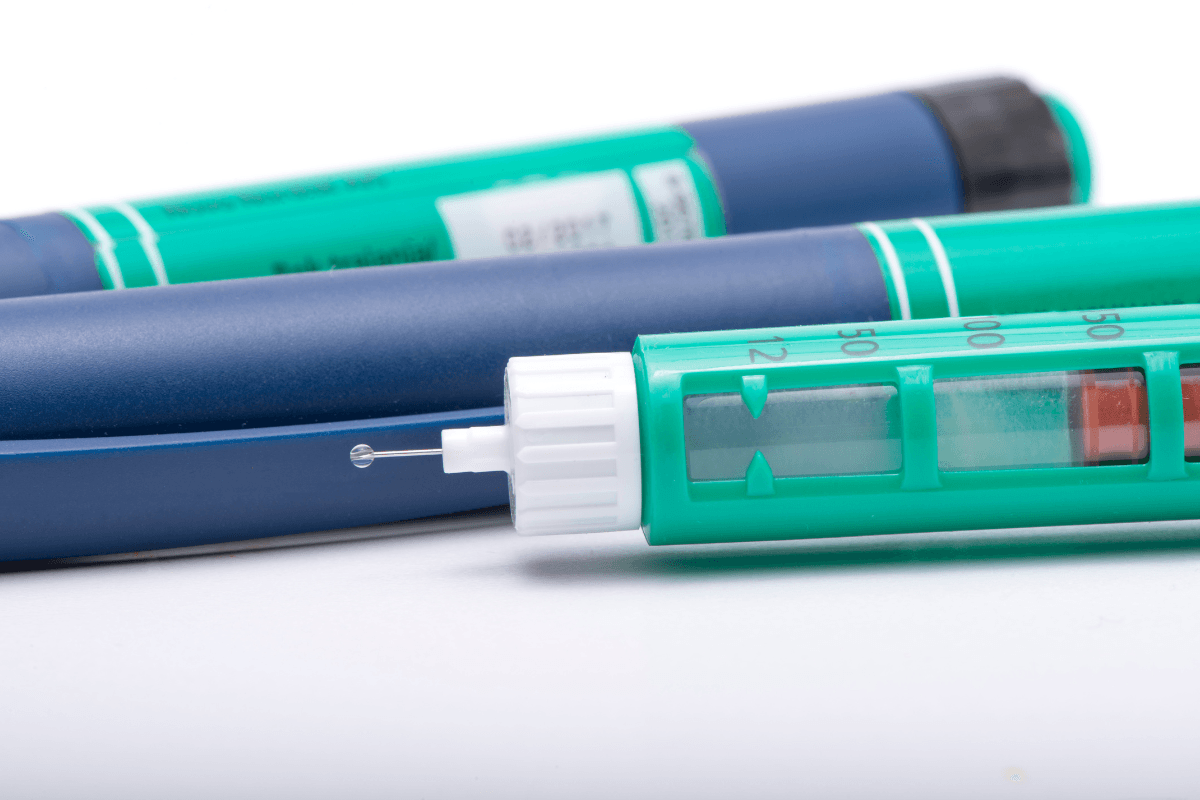
Most products are subcutaneous (under-the-skin) injections into the abdomen, thigh, or upper arm. Rotate sites to reduce irritation and lumps. Go slowly, keep the skin relaxed, and follow the device’s steps exactly. If you are weighing what is the best injection for weight loss at home, also consider training, confidence with pens, and how reliably you can store and dispose of supplies. A short practice session with a nurse can make a major difference.
Keep pens refrigerated until first use if the label requires it, and then follow in-use room-temperature windows. Protect from heat and sunlight, and do not use if the solution looks cloudy or discolored unless the label states otherwise. For people traveling, plan a cool pack and a sharps container. Troubleshooting storage questions is easier with a reference; our Zepbound Storage guide shows safe ranges and timing.
Pills vs. Injections: Weighing Alternatives
Some prefer tablets over injections for convenience or comfort. Choices include bupropion/naltrexone combinations and lipase inhibitors under guidance. When people search for weight loss pills that actually work, they are usually comparing efficacy, side effects, and cost versus weekly injections. Tablets can help the right patient, especially when paired with structured nutrition and activity plans that suit individual needs and schedules.
Discuss benefits and limitations as a full package with your clinician. For comparison points on prescription tablets, review Contrave as an appetite-focused option you can discuss during a visit. Oral semaglutide is another pathway; see Rybelsus Tablets if swallowing a tablet aligns better with your routine. We also cover stimulant-free strategies in our category articles for broader context and planning.
Cost, Access, and Practical Steps
Coverage, supply, and logistics influence selection as much as pharmacology. If you and your clinician favor incretin therapy, step through insurance criteria and prior authorization early. Identify backup plans in case of shortages or access delays. Some clinics require weight-history documentation and nutrition activity plans before approval. A pharmacy team can clarify device choice, needles, and sharps disposal.
If budget is a primary concern, discussing the best affordable weight loss medication with your prescriber can surface pragmatic options and timelines. For individuals prioritizing an obesity indication and once-weekly dosing, review Wegovy device details before a clinic visit. For those comparing pen ergonomics and stepwise titration, see Ozempic Semaglutide Pens to understand differences you can raise during counseling. If you want to track broader innovation trends, our Orforglipron vs Tirzepatide explainer highlights oral versus injectable trade-offs.
Recap
In 2025, incretin-based injections remain central tools for chronic weight management. The right choice depends on health status, safety factors, and access, not a single headline result. Align expectations with durable lifestyle changes, and build a plan for maintenance. Your care team can help you personalize the path and adjust as needs change.
Tip: Keep a simple symptom and appetite log during dose changes. It helps clinicians fine-tune your plan with fewer visits.
For deeper background on sleep, fatigue, and day-to-day adjustments, see Mounjaro Heart Benefits for cardiometabolic context and GLP-1 Weight Loss for public-health perspectives.
This content is for informational purposes only and is not a substitute for professional medical advice.


