
Diabetes Treatment combines medication when needed, food and drink choices, physical activity, glucose monitoring, and safety planning to keep blood glucose in a safer range. The right plan depends on the type of diabetes, A1C goals, age, pregnancy status, kidney and heart health, hypoglycemia risk, other medicines, and what a person can realistically follow day to day. This matters because no single pill, injection, or diet pattern fits everyone.
Key Takeaways
- Core approach: Treatment usually includes nutrition, activity, monitoring, and medication decisions.
- Diabetes type matters: Type 1 usually requires insulin; type 2 plans vary widely.
- Medication fit: The best option depends on risks, labs, goals, and daily routines.
- Food patterns count: Carbohydrate quality, portions, and drinks affect glucose trends.
- Safety signals: Severe lows, vomiting, confusion, dehydration, or very high readings need urgent advice.
How Diabetes Treatment Is Chosen
Clinicians choose a plan by first identifying the diabetes type and the person’s main safety risks. Type 1 diabetes, type 2 diabetes, gestational diabetes, and less common forms can look similar at first. They do not always need the same treatment. If you need a broader condition refresher, Diabetes Symptoms and Treatment explains common signs, causes, and prevention concepts.
Type 1 diabetes is an autoimmune condition in which the pancreas makes little or no insulin. Insulin is usually required because the body cannot make enough of its own. Care focuses on matching insulin, food intake, activity, illness, and glucose monitoring. This is why type 1 treatment is usually built around insulin routines, supplies, hypoglycemia prevention, and sick-day instructions.
Type 2 diabetes usually involves insulin resistance and a gradual decline in insulin production. Treatment may begin with nutrition changes, physical activity, weight management when appropriate, and medication. Some people need insulin later. Others need it at diagnosis if glucose is very high or symptoms are severe. A person’s care team may also consider blood pressure, cholesterol, kidney function, and heart history when choosing medicines.
Gestational diabetes develops during pregnancy and needs close obstetric follow-up. Food planning, glucose checks, and sometimes medication may be used. Pregnancy changes medication choices because some drugs are not used during pregnancy or need specialist review.
Several practical factors shape Diabetes Treatment. Kidney function can limit or favor certain medicines. Heart disease, heart failure, liver disease, digestive disorders, pregnancy plans, recurrent low glucose, and medication access can also matter. A person who has frequent hypoglycemia needs a different plan than someone whose main issue is a slowly rising A1C without lows.
Why it matters: The safest plan is usually the one that fits both biology and daily life.
Medication Choices: Classes Instead of Rankings
Diabetes medication is best understood by class, not by a universal top-10 list. Searches for the best medicine for diabetes type 2 are common, but rankings can mislead. The best option depends on diagnosis, A1C, fasting and after-meal glucose patterns, kidney function, heart risks, side effects, pregnancy plans, and other prescriptions.
Diabetes Treatment often changes over time. A medicine that works well early in type 2 diabetes may need adjustment later. Some people use one medication. Others use combinations because different classes work in different ways. A clinician may also reduce, stop, or switch a medicine if side effects, kidney changes, hypoglycemia, or weight changes become concerns.
For a deeper class-by-class overview, Common Diabetes Medications explains how major medication groups work in plain language. The sections below give a practical framework for comparing options with a clinician.
Common medication classes
| Medication class | How it may fit | Key safety questions |
|---|---|---|
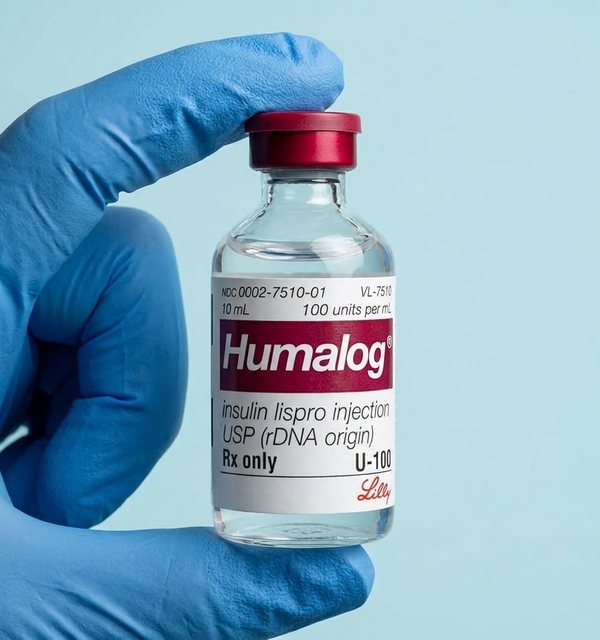
| Insulin | Required for most people with type 1 diabetes and sometimes used in type 2 diabetes. | Ask about low glucose risk, injection technique, storage, sick-day plans, and rescue glucagon. |
| Metformin and biguanides | Often considered for type 2 diabetes when appropriate. | Ask about stomach effects, kidney function, vitamin B12 monitoring, and when to pause during illness. |
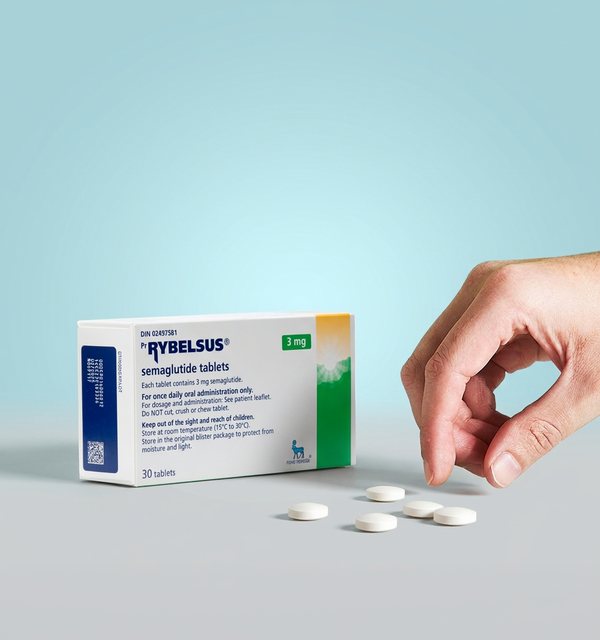
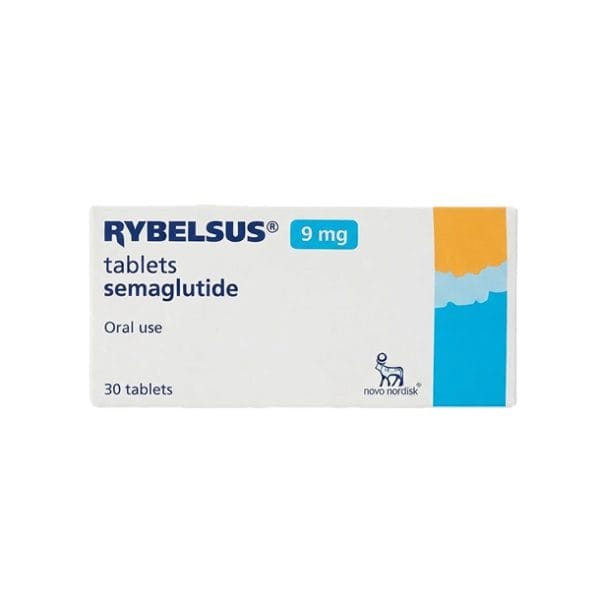
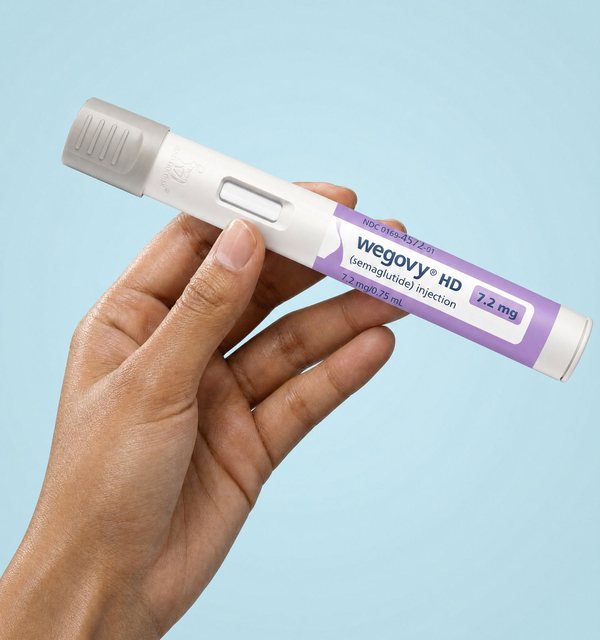
| GLP-1 receptor agonists and related incretin medicines | Used for selected people with type 2 diabetes; some can affect appetite and weight. | Ask about nausea, gallbladder symptoms, pancreatitis history, and pregnancy planning. |
| SGLT2 inhibitors | Used in type 2 diabetes and sometimes chosen when kidney or heart factors matter. | Ask about dehydration, genital infections, ketoacidosis warning signs, and illness instructions. |
| Sulfonylureas and meglitinides | Help the pancreas release more insulin. | Ask about hypoglycemia, meal timing, driving safety, and weight changes. |
| DPP-4 inhibitors, TZDs, and other oral agents | May be used when other options are not suitable or as add-on therapy. | Ask about class-specific side effects, swelling, interactions, and monitoring needs. |
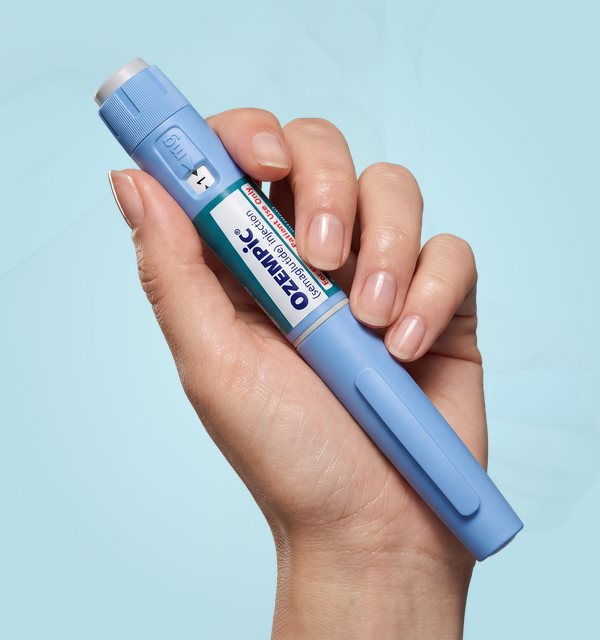
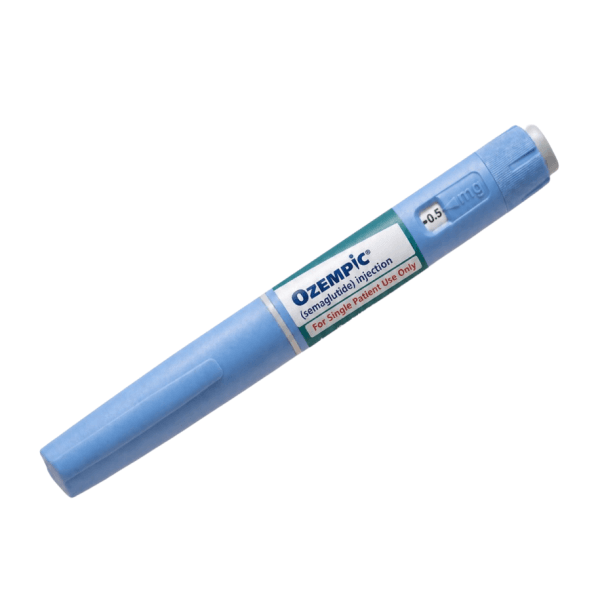
Metformin is one of the most familiar type 2 medicines, but it is not right for everyone. Product-level pages, such as Metformin, can help readers identify a specific medication name while still leaving clinical decisions to the prescriber. Some people also compare examples from newer classes, such as Jardiance or Ozempic Pens, when discussing options with their care team.
Why A1C lowering is not the only goal
A1C gives a broad picture of average glucose over roughly two to three months. Many medication classes can lower A1C, but the right choice is not only about the lab number. A medicine that lowers glucose but causes repeated lows may be unsafe. Another option may be less suitable if kidney function, pregnancy, stomach symptoms, or affordability creates a barrier.
Glucose patterns also matter. A person with high fasting glucose may need a different adjustment than someone with after-meal spikes. Home glucose logs, continuous glucose monitor reports, and food records can give more useful detail than A1C alone. This is why clinicians often ask for trends, not only the latest lab result.
Food, Drinks, and A1C Patterns
A diabetes-friendly eating pattern is one a person can follow safely and consistently. For many adults, that means high-fiber carbohydrates, lean proteins, unsaturated fats, vegetables, and portion awareness. It does not mean every person needs the same carbohydrate target. The goal is steadier glucose, adequate nutrition, and a routine that fits everyday life.
Common approaches include Mediterranean-style eating, DASH-style patterns, lower-carbohydrate plans, and culturally tailored meal plans. Very low-carbohydrate or ketogenic diets may change medication needs. They can raise safety questions for people using insulin or medicines that cause hypoglycemia. Clinician or dietitian review is especially important during pregnancy, kidney disease, gastroparesis, eating disorder recovery, frequent lows, or major medication changes.
Fruit can fit many diabetes meal plans, but portions and timing matter. Whole fruit usually affects glucose differently than fruit juice because it contains fiber and takes longer to eat. If you are comparing fruit choices, Fruits for Diabetics gives practical label and portion considerations.
Drinks deserve special attention because liquid carbohydrates can raise glucose quickly. Three drink categories often cause problems are sugar-sweetened beverages, large fruit juices or juice drinks, and sweetened coffee or energy drinks. Alcohol can also complicate glucose control, especially when combined with insulin or skipped meals.
People often ask how to lower A1C naturally. Food quality, consistent carbohydrate intake, regular physical activity, sleep, stress management, and weight management when appropriate may help. These steps do not replace needed medicine, especially in type 1 diabetes. Supplements marketed for glucose control can interact with medicines and may not be well studied.
Quick tip: Bring three typical days of meals and readings to nutrition visits.
Monitoring Glucose, A1C, and Daily Trends
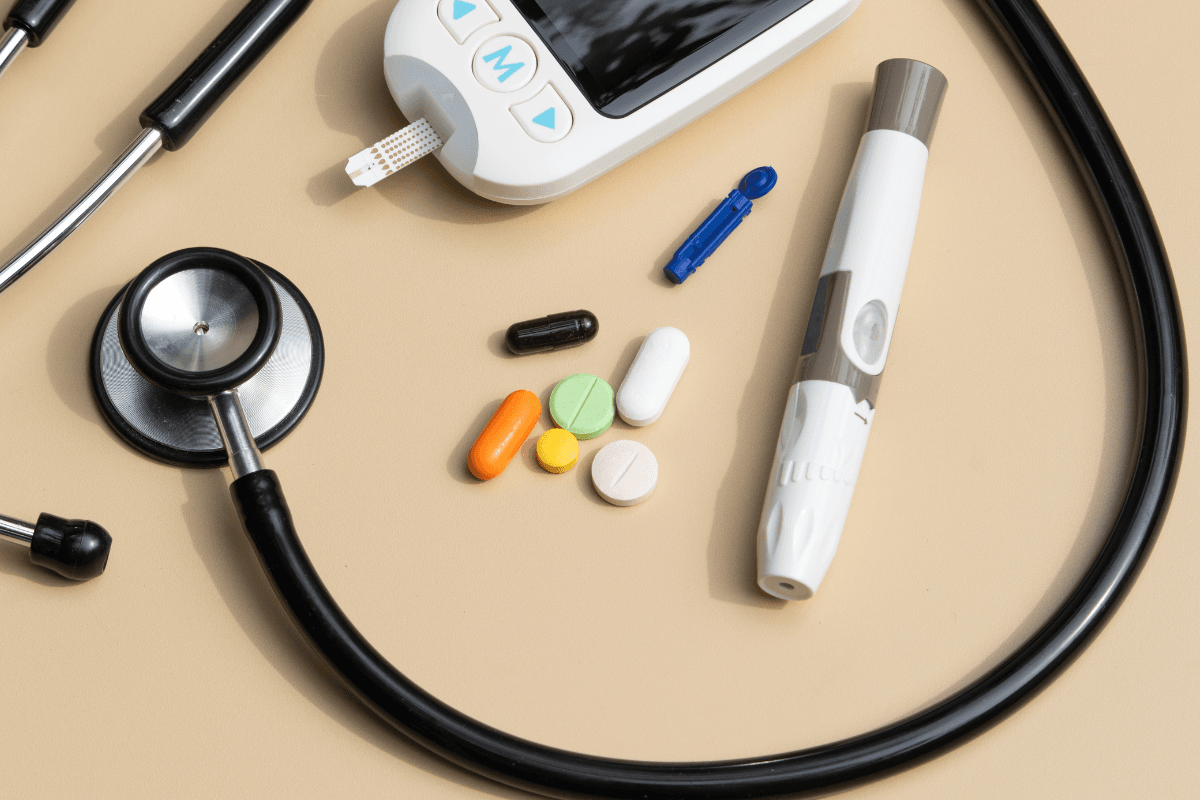
Monitoring shows whether Diabetes Treatment is working in real life. A1C, fingerstick readings, and continuous glucose monitoring each answer different questions. A1C shows a broader pattern. Home readings show daily timing. A continuous glucose monitor can show overnight trends and after-meal changes if it is appropriate and available.
Unit differences can confuse readers who compare international resources. Some places report glucose in mg/dL, while others use mmol/L. This converter can help compare units for general understanding. It does not interpret whether a result is safe for you.
Blood Glucose Unit Converter
Convert glucose readings between mg/dL and mmol/L without changing the clinical value.
These calculations are for education only and do not replace clinical advice, diagnosis, or treatment. Always confirm medical decisions with a qualified healthcare professional.
Testing supplies are part of the treatment plan for many people. For example, OneTouch Verio Test Strips is a product-level page that may help readers recognize one type of home monitoring supply. Your care team should explain when to test and which patterns to report.
Patterns matter more than one isolated number. Repeated highs after breakfast may point to meal composition, morning hormones, medication timing, or dose needs. Recurrent overnight lows need prompt review because they can increase risk during sleep. If you use a continuous glucose monitor, ask which patterns matter most rather than focusing on single spikes.
A1C also has limits. Some conditions can affect how well it reflects average glucose. Examples include certain anemias, kidney disease, pregnancy, recent blood loss, or conditions affecting red blood cells. In those situations, clinicians may rely more on glucose logs, time in range, or other lab markers.
Low and High Glucose Safety Planning
Safety planning is a core part of diabetes care, not an optional add-on. Low blood glucose, also called hypoglycemia, can happen with insulin and some oral medicines. Symptoms may include shakiness, sweating, hunger, confusion, headache, fast heartbeat, or weakness. Severe lows can cause seizure or loss of consciousness.
People at risk for hypoglycemia should ask about a written low-glucose plan. This usually includes when to use fast carbohydrates, when to recheck, when to avoid driving, and whether rescue glucagon is appropriate. Family members, roommates, or coworkers may also need basic instructions if severe lows are possible.
High glucose can also become dangerous. Warning signs can include extreme thirst, frequent urination, nausea, vomiting, abdominal pain, deep breathing, confusion, fruity-smelling breath, or dehydration. People with type 1 diabetes, and some people with type 2 diabetes, may need ketone guidance during illness. Seek urgent care for severe symptoms, persistent vomiting, confusion, or signs of dehydration.
Illness can disrupt glucose even when food intake falls. Fever, infection, dehydration, steroids, vomiting, and missed medicines can all change readings. Ask your care team what to do during poor intake, which medicines may need temporary review, and when to call for help.
Injections, Tablets, and Weight-Related Questions
Tablets and injections both have roles in Diabetes Treatment. Tablets for type 2 diabetes include several classes with different actions and side effect profiles. Injections include insulin and selected non-insulin medicines. The choice is not about which route is “stronger.” It is about matching the treatment to the diagnosis, glucose pattern, risks, and patient preference.
Insulin may be used in either type 1 or type 2 diabetes. Some people use long-acting insulin, mealtime insulin, or both. A product-level page such as Lantus SoloStar Pens can help readers identify a familiar insulin format, but dosing and adjustments must come from a clinician. If you are trying to understand dose concepts, Insulin Dosage Concepts explains why insulin needs vary.
Weight-related questions are common. Some glucose-lowering medicines may be associated with weight loss, some are weight-neutral, and some may contribute to weight gain. This is not a reason to start, stop, or switch a medicine without medical advice. Weight change can also reflect appetite, illness, fluid shifts, thyroid disease, kidney problems, or other factors.
For type 2 diabetes, weight loss can improve insulin resistance for some people. Still, weight is only one part of care. Sleep apnea, stress, food access, medication effects, pain, mobility limits, and hormonal conditions can all affect glucose. A respectful plan should address these barriers instead of relying on willpower alone.
Questions to Bring to Your Care Team
Diabetes Treatment conversations work best when they are specific. Bring recent glucose readings, A1C history, medication names, missed-dose patterns, meal concerns, low-glucose episodes, and side effects. If you use a continuous glucose monitor, bring the report or app summary if available.
- Treatment goal: What A1C or glucose range is appropriate for me?
- Medication fit: Which options match my kidney, heart, and hypoglycemia risks?
- Low-glucose plan: When should I use fast carbohydrates or glucagon?
- Illness plan: What changes during vomiting, fever, or poor intake?
- Food pattern: What carbohydrate target is safe for my medicines?
- Monitoring plan: When should I test, and what trends should I report?
- Access details: Which prescriptions, supplies, and refills need planning?
If you compare medication access routes, separate clinical decisions from fulfilment logistics. CanadianInsulin.com functions as a prescription referral platform. Where required, prescription details may need prescriber confirmation, and dispensing is handled by licensed third-party pharmacies where permitted.
Cash-pay options and cross-border fulfilment rules can vary by eligibility and jurisdiction. These logistics should not replace clinical review. Ask your prescriber or pharmacist how to avoid gaps in insulin, glucagon, testing supplies, or other essential medicines.
A durable plan is reviewed, not set once and forgotten. Revisit it after hospital visits, pregnancy changes, steroid use, kidney function changes, major weight change, new heart disease, repeated lows, or rising A1C. The Diabetes Article Hub offers a browsable list of related condition and medication topics. You can also browse the Diabetes Condition Collection for condition-related navigation.
Authoritative Sources
- American Diabetes Association treatment and care resources – patient-focused information on diabetes care, treatment choices, and daily management.
- NIDDK insulin and medicines overview – plain-language information on insulin, medicines, and other diabetes treatments.
- CDC diabetes treatment information – public health guidance on diabetes treatment, monitoring, and management basics.
Use this page as a framework for discussion, not as a personal treatment plan. Diabetes care changes with labs, symptoms, medicine response, and life circumstances.
This content is for informational purposes only and is not a substitute for professional medical advice.