
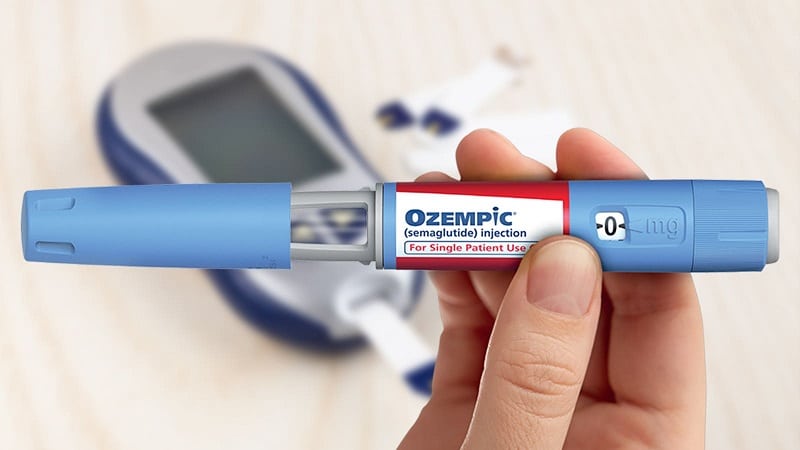
Semaglutide is a GLP-1 receptor agonist used in several prescription medicines for type 2 diabetes and, under specific labeling, chronic weight management. It can improve blood sugar control and may reduce appetite, but it also requires careful dosing, side-effect monitoring, and clear instructions for injections or tablets. The most useful next step is understanding which form fits your treatment goal and what safety issues to discuss with your clinician.
Key Takeaways
- Same active ingredient: Ozempic and Rybelsus contain semaglutide but use different delivery methods.
- Different routines: injections are weekly, while tablets require daily fasting administration.
- Gradual titration: prescribers usually start low to improve stomach-related tolerability.
- Safety matters: nausea is common, while pancreatitis, gallbladder problems, and thyroid tumor warnings need attention.
- Access varies: coverage, eligibility, and pharmacy supply can differ by plan and location.
What Semaglutide Is and Why It Matters
Semaglutide mimics GLP-1, a gut hormone involved in insulin release, glucagon control, stomach emptying, and appetite signaling. In plain language, it helps the body respond to rising glucose after meals and can help some people feel full sooner. This is why it appears in both diabetes and weight-management discussions.
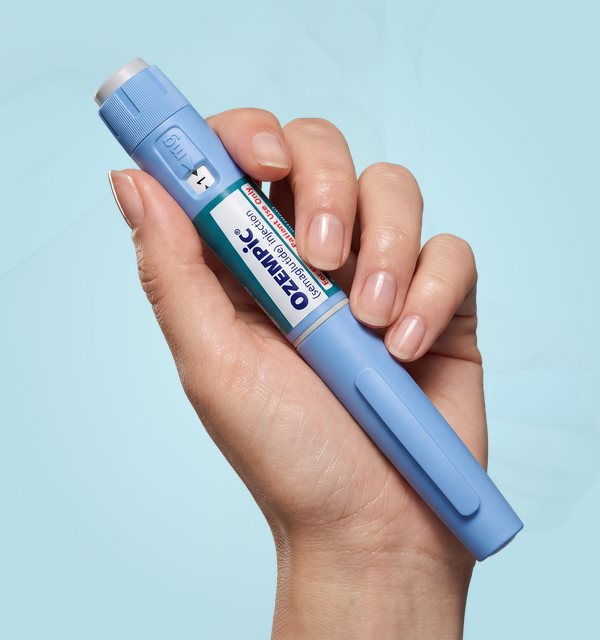
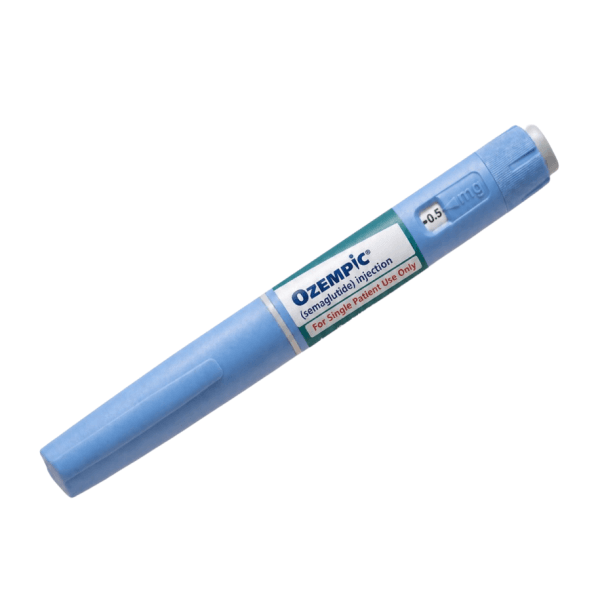
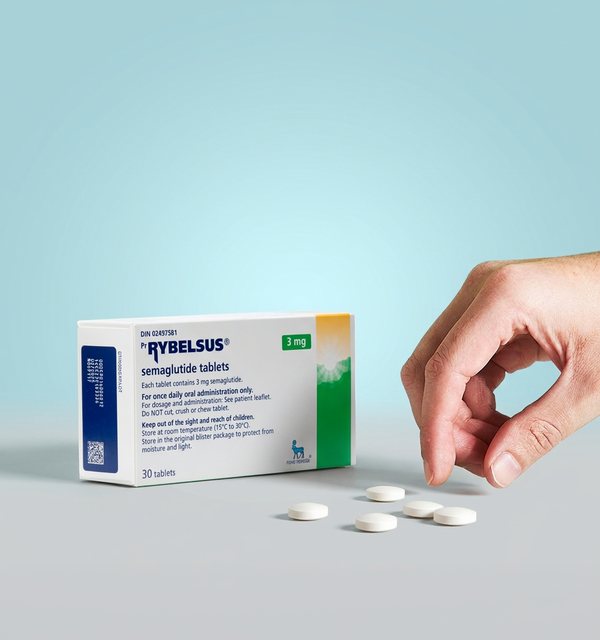
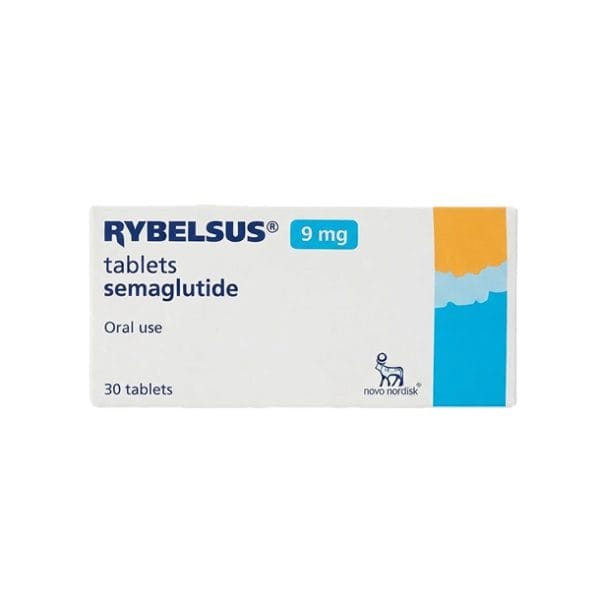
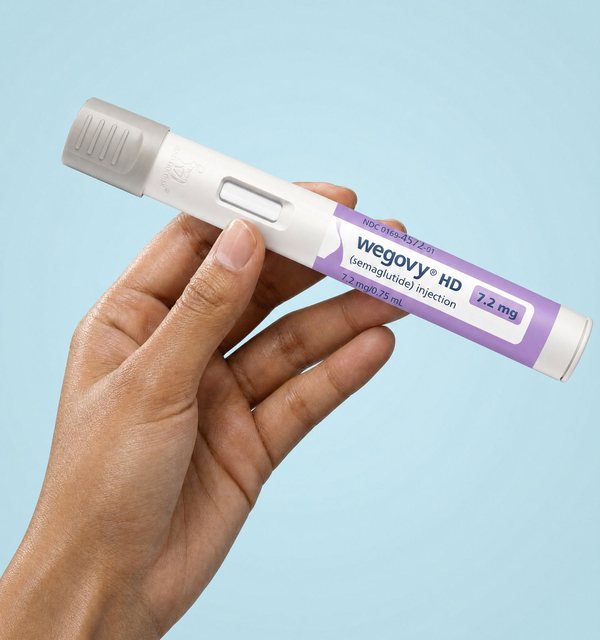
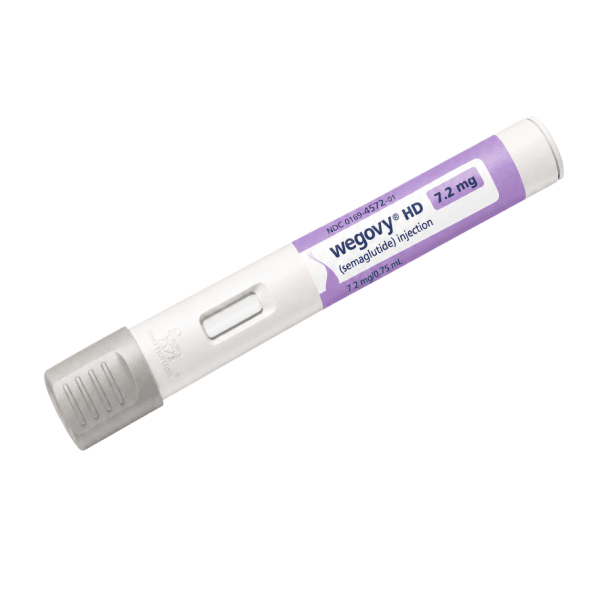
Ozempic is a once-weekly semaglutide injection used in type 2 diabetes care. Rybelsus is a semaglutide tablet used for type 2 diabetes and taken by mouth each day. Wegovy is a higher-dose semaglutide product labeled for chronic weight management in eligible people. These products are not interchangeable without prescriber direction, even though they share the same active ingredient.
Semaglutide is not insulin. It depends partly on glucose levels, which is one reason low blood sugar is less common when it is used alone. The risk can rise when combined with insulin or sulfonylureas, so medication review matters before starting or increasing therapy.
If you are comparing diabetes-related formats, the product pages for Ozempic Semaglutide Pens and Rybelsus Semaglutide Pills can help you review form factors before a clinical visit. Treat those pages as navigation and product context, not as personal dosing advice.
How the Injection and Tablet Forms Differ
The main difference is how the medicine enters your body. A weekly injection is placed under the skin, while tablets must pass through the stomach and be absorbed under strict timing conditions. That difference affects routine, missed-dose planning, and how carefully you need to separate the dose from food, drinks, and other medicines.
Weekly injection basics
A semaglutide injection is usually given in subcutaneous tissue, meaning the fatty layer under the skin. Common semaglutide injection sites include the abdomen, thigh, or upper arm. Rotating sites can reduce irritation, tenderness, and repeated stress on the same area.
Good technique supports consistent dosing. Wash your hands, use a new needle when required, and check the pen instructions before each dose. Avoid injecting into scarred, bruised, hard, or irritated skin. If a caregiver gives the dose, the upper arm may be easier than self-injection.
Daily tablet basics
Semaglutide tablets need a more exact morning routine. They are generally taken on an empty stomach with a small amount of plain water, followed by a waiting period before food, beverages, or other oral medicines. This timing helps absorption because the tablet form is sensitive to stomach contents.
For a more focused comparison of oral and injectable formats, see Rybelsus vs. Ozempic. If your main question is tablet titration, Rybelsus Dosing Guide explains the step-up concept in more detail.
Quick tip: Keep one written routine for dose day, meals, and other morning medicines.
Where It Fits: Type 2 Diabetes and Weight Management
Semaglutide is commonly discussed for type 2 diabetes because it can lower A1C when used with diet, physical activity, and other prescribed care. Some products also carry cardiovascular risk-reduction language for selected adults with type 2 diabetes and established cardiovascular disease. Your clinician can explain whether that applies to your health history.
Semaglutide for weight loss is a separate use case that depends on product labeling, eligibility criteria, and medical supervision. Weight change is not the same for everyone. It can also be affected by diet quality, physical activity, sleep, other medicines, and whether treatment is continued or stopped.
People often ask how fast weight loss happens. There is no reliable universal timeline. Aiming for a specific number of pounds by a specific date can be misleading because dose escalation, side effects, adherence, and baseline health all matter. A safer discussion is whether the treatment plan is tolerable, sustainable, and appropriate for your risks.
The calculator below can help track general weight-change progress toward a goal. It does not decide whether semaglutide is appropriate, predict results, or replace clinical guidance.
Weight-Loss Progress Calculator
Track percentage body-weight change and progress toward a target weight.
These calculations are for education only and do not replace clinical advice, diagnosis, or treatment. Always confirm medical decisions with a qualified healthcare professional.
For label-focused weight-management context, see Semaglutide Dosage Chart. For a broader treatment expectations discussion, Semaglutide Weight Loss Medication covers safety and planning questions in more depth.
Dosing Conversations: What Patients Should Understand
Dosing is usually increased gradually to balance benefit and tolerability. This process is called titration, which means adjusting the dose in planned steps. The exact schedule depends on the product, indication, response, side effects, and prescriber judgment.
Do not change a dose because of social media advice, a weight-loss target, or a friend’s experience. Dose changes can affect nausea, vomiting, dehydration risk, glucose control, and other medicines. If side effects become difficult, your prescriber may consider holding at a current dose longer, reviewing meals, or reassessing whether the medicine remains suitable.
Missed-dose instructions also vary by product. Weekly injections and daily tablets have different rules, and the label should be followed closely. If you are unsure what to do, contact your prescriber or pharmacist before doubling doses or compressing the schedule.
For people using the injectable diabetes product, Ozempic Dosage Guide provides additional context on label-based dose discussions. Use it to prepare questions, not to self-adjust therapy.
Side Effects, Warnings, and When to Seek Care
Semaglutide side effects most often involve the digestive system. Nausea, vomiting, diarrhea, constipation, stomach discomfort, burping, and reduced appetite can occur, especially during dose increases. Many people find symptoms improve after the body adjusts, but symptoms can persist or become severe in some cases.
How long do semaglutide side effects last? The answer varies. Mild nausea may settle after dose stabilization, while ongoing vomiting, dehydration, or severe abdominal pain needs prompt medical review. Keeping a short symptom diary can help connect symptoms with dose timing, meal size, alcohol intake, or high-fat foods.
Serious but less common risks need clear escalation. Seek urgent care for severe or persistent abdominal pain, especially if it spreads to the back or occurs with vomiting. That pattern can suggest pancreatitis, which is inflammation of the pancreas. New right-upper abdominal pain, fever, yellowing skin, or pale stools may suggest gallbladder problems and should be assessed.
There is also a boxed warning about thyroid C-cell tumors based on animal studies. People with a personal or family history of medullary thyroid carcinoma or multiple endocrine neoplasia syndrome type 2 should not use semaglutide products. Tell your clinician about neck lumps, trouble swallowing, hoarseness, or persistent throat symptoms.
Other cautions include possible worsening of diabetic retinopathy in some people with type 2 diabetes, especially when glucose improves quickly. Kidney problems can also occur or worsen if vomiting or diarrhea leads to dehydration. Pregnancy planning, breastfeeding, gastroparesis (delayed stomach emptying), pancreatitis history, and complex medication regimens all deserve clinician review.
Why it matters: Most stomach symptoms are manageable, but severe or persistent symptoms can signal harm.
Cost, Coverage, and Access Factors
Semaglutide cost depends on the specific product, insurance design, deductible status, prior authorization rules, and local availability. Some plans cover diabetes indications differently from weight-management indications. Coverage for one brand does not guarantee coverage for another.
Be cautious with advertised cash amounts or claims that everyone can obtain the medicine for a very low monthly cost. Those figures often depend on eligibility, insurance type, manufacturer program rules, or jurisdiction. Ask the prescriber’s office or pharmacy which documentation is needed if a plan requires prior authorization.
Some patients also ask about compounded versions. Regulators have raised concerns about unapproved GLP-1 products, including dosing errors, quality concerns, and products marketed with misleading labels. If a product is not an approved brand, ask who compounded it, what form of semaglutide was used, and how quality is verified.
CanadianInsulin.com operates as a prescription referral platform, and prescription details may be confirmed with the prescriber when required. Dispensing and fulfilment are handled by licensed third-party pharmacies where permitted, and some patients explore cash-pay options depending on eligibility and jurisdiction.
If you want condition-based browsing rather than a product-specific page, the Type 2 Diabetes collection lists related options. For broader educational reading, the Weight Management article category may help frame lifestyle and medication questions.
How It Compares With Related Options
Semaglutide is one medicine within a larger incretin-based treatment area. Other GLP-1 receptor agonists and dual GIP/GLP-1 receptor agonists may be considered in some care plans. They differ in dosing schedules, labeled uses, side-effect profiles, contraindications, and coverage requirements.
A comparison should start with the clinical goal. For type 2 diabetes, the focus may include A1C, cardiovascular history, kidney status, hypoglycemia risk, and current medicines. For weight management, eligibility, nutrition support, tolerability, and long-term maintenance become central. No medication replaces an individualized plan.
Pronunciation confusion is common. Semaglutide is often pronounced sem-ah-GLOO-tide. Ozempic is commonly pronounced oh-ZEM-pick, and tirzepatide is often pronounced tir-ZEP-ah-tide. Correct pronunciation is less important than avoiding mix-ups between products, doses, and instructions.
Before switching between any incretin-based medicines, ask whether a washout, dose reset, or new titration plan is needed. These decisions depend on the previous drug, current dose, side effects, glucose readings, and the new product’s label.
Practical Questions to Bring to Your Clinician
A short question list can make the visit more productive. Bring your current medication list, recent glucose or A1C data if available, weight history if weight management is part of the discussion, and any past stomach or gallbladder problems.
- Goal of treatment: Ask whether the priority is A1C, weight, cardiovascular risk, or several goals.
- Product choice: Ask why a weekly injection or daily tablet fits your routine.
- Side-effect plan: Ask what symptoms can be watched and what symptoms need urgent care.
- Other medicines: Ask whether insulin or sulfonylurea doses need closer monitoring.
- Missed doses: Ask for product-specific instructions in writing.
- Monitoring plan: Ask about follow-up labs, eye checks, and glucose review.
Also ask how treatment success will be judged. Weight alone is not the only marker. Tolerability, glucose stability, nutrition quality, blood pressure, lipids, and quality of life may all matter depending on your situation.
Authoritative Sources
For official safety concerns about unapproved GLP-1 products, review the FDA statement on unapproved GLP-1 drugs. It explains why compounded or fraudulent products require caution.
For patient-facing drug safety language, the MedlinePlus semaglutide injection monograph summarizes warnings, side effects, and administration considerations. It is a useful plain-language reference.
For Canadian product and label searches, use the Health Canada Drug Product Database. Search by brand or active ingredient for current regulatory information.
Recap
Semaglutide can be part of type 2 diabetes care and, in selected products, chronic weight management. The key differences are product labeling, route of administration, titration schedule, and safety monitoring. Injection and tablet forms require different routines, so convenience should be weighed against instructions you can follow consistently.
Discuss your medical history, current medicines, pregnancy plans, eye health, stomach symptoms, and access concerns before starting or changing therapy. A clear plan helps you recognize expected side effects, respond to warning signs, and avoid unsafe dose changes.
This content is for informational purposes only and is not a substitute for professional medical advice.