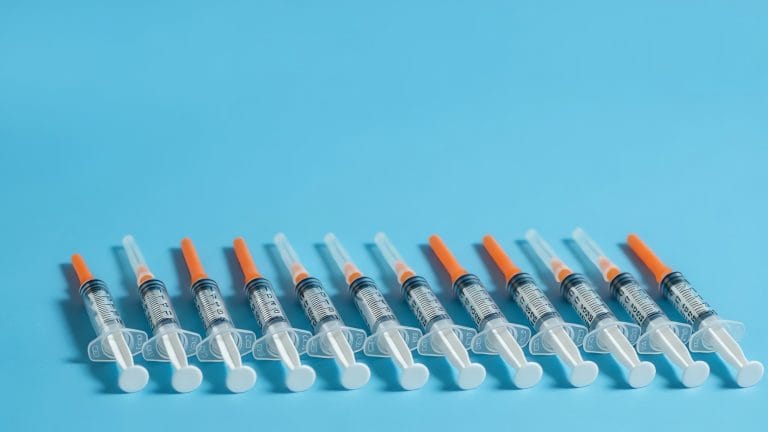


Trulicity for weight loss may help some adults lose a modest amount of weight, mainly by reducing appetite and slowing stomach emptying. It is important to note that Trulicity is approved for type 2 diabetes care, not as a dedicated weight-loss medicine. Any use focused on weight should be discussed with a clinician, especially if you do not have diabetes or you take medicines that can lower blood sugar.
Why this matters: weight changes with dulaglutide vary widely. Some people notice early appetite changes, while others see little movement on the scale. The safest approach is to set realistic goals, track response, and watch for side effects.
Key Takeaways
- Primary role: Trulicity treats type 2 diabetes and may support weight loss.
- Expected change: Weight loss is usually gradual and not guaranteed.
- Safety first: Nausea, vomiting, abdominal pain, and dehydration need attention.
- Dose decisions: Changes should be clinician-directed, not self-adjusted.
- Habits matter: Smaller meals, protein, hydration, and movement support tolerance.
How Dulaglutide Affects Appetite and Weight
Dulaglutide is a GLP-1 receptor agonist, which means it mimics a gut hormone involved in glucose control and fullness. After meals, GLP-1 signals help the body release insulin when glucose is elevated. They also slow gastric emptying, which is the movement of food from the stomach into the intestine.
That slower emptying can help some people feel full sooner. It may also reduce between-meal hunger. When daily intake falls over time, weight may decrease. This is the main reason people ask about Trulicity for weight loss, even though its approved use is diabetes management.
The effect is not the same for everyone. Weight response can depend on baseline weight, eating pattern, dose tolerance, diabetes medicines, activity level, sleep, and other health conditions. For a deeper look at lifestyle routines around this medicine, see Trulicity Weight Loss Tips.
Why fullness can also cause symptoms
The same stomach-slowing effect that supports fullness can also trigger nausea, bloating, reflux, constipation, or diarrhea. Symptoms often become more noticeable after large meals, fried foods, or rapid dose changes. Some people improve after their body adjusts, while others need medical review if symptoms persist.
Quick tip: eat slowly, stop at comfortable fullness, and avoid testing tolerance with heavy meals during dose changes.
What Results Are Realistic?
Average weight loss with Trulicity is usually modest compared with medicines approved specifically for chronic weight management. Clinical studies in people with type 2 diabetes have shown weight reduction in some groups, especially at higher studied doses, but weight change was often a secondary outcome rather than the main trial goal.
In practical terms, it is better to think in trends, not promises. A small percentage change in body weight can still support blood pressure, glucose, and metabolic goals for some people. However, scale changes may be slower than appetite changes. Fluid shifts, constipation, menstrual cycles, and changes in activity can also blur short-term progress.
People often search for Trulicity weight loss stories or reviews. Those accounts can be relatable, but they are not reliable predictors. Online experiences tend to overrepresent unusually strong results, poor tolerance, or frustration. Your own response is better judged through consistent tracking and clinical follow-up.
If you want to track weight change without turning it into a daily stressor, use weekly averages and body measurements. The tool below can help estimate percentage weight change and progress toward a personal goal. It does not predict medical outcomes or replace clinician guidance.
Weight-Loss Progress Calculator
Track percentage body-weight change and progress toward a target weight.
These calculations are for education only and do not replace clinical advice, diagnosis, or treatment. Always confirm medical decisions with a qualified healthcare professional.
How much weight can you lose in a month?
There is no dependable monthly number for everyone. Some people lose little or no weight at first. Others may lose several pounds, especially if appetite drops and meals become smaller. A clinician can help interpret whether weight change is appropriate, too rapid, or affected by dehydration or low intake.
If weight drops quickly with vomiting, poor fluid intake, dizziness, or weakness, seek medical advice. Weight loss from illness or dehydration is not the same as healthy fat loss.
Who Might Discuss It, and Who Needs Extra Caution?
Trulicity is most commonly discussed for adults with type 2 diabetes who also want support with weight-related cardiometabolic goals. In that setting, glucose control remains central. Weight change may be a helpful additional effect, but it should not replace A1C, fasting glucose, blood pressure, kidney function, or cardiovascular risk monitoring.
Using Trulicity for weight loss in non diabetics is a different conversation. A clinician must weigh off-label use, medical history, other options, and whether a medication approved for weight management would be more appropriate. Do not start, stop, or switch GLP-1 therapy without professional review.
Extra caution is important if you have a personal or family history of medullary thyroid carcinoma or multiple endocrine neoplasia syndrome type 2. People with prior pancreatitis, severe gastrointestinal disease, gallbladder problems, kidney concerns, pregnancy, or plans for pregnancy should also review risks carefully. This is not a complete list of cautions.
If your goal is to understand diabetes-focused use first, the Type 2 Diabetes Articles collection may help you compare related education topics. You can also browse the Type 2 Diabetes condition page for product-category navigation.
Dosing, Titration, and Plateau Questions
Dulaglutide is given once weekly. Dose selection and dose increases should come from a prescriber, based on glucose goals, tolerability, other medicines, and health history. It is not safe to increase a dose only because weight loss feels slow.
People often ask when to increase Trulicity dose. The answer depends on why the medicine was prescribed, whether side effects are controlled, and whether glucose targets are being met. If appetite control fades but nausea, vomiting, or constipation remain active, a higher dose may worsen tolerance. If symptoms are mild and clinical goals are not met, a prescriber may discuss adjustment.
Plateaus are common with any weight-focused plan. Before assuming the medicine has stopped working, review injection timing, missed doses, late-night eating, protein intake, alcohol, sleep, stress, and activity. Small changes in routine can explain stalled progress.
For more detail on dose pacing and response tracking, see Optimizing Trulicity Dosage. For a broader weight-focused discussion, see Trulicity and Weight Loss.
Questions to bring to your appointment
- Current goal: glucose control, weight, or both.
- Symptom pattern: timing, severity, and triggers.
- Missed doses: frequency and reason.
- Other medicines: insulin, sulfonylureas, or metformin.
- Meal tolerance: portions, fat intake, and hydration.
- Monitoring plan: weight, A1C, kidney function, and side effects.
Side Effects and Warning Signs
Common side effects include nausea, decreased appetite, stomach discomfort, diarrhea, constipation, and vomiting. Injection-site reactions can occur. Many gastrointestinal effects are mild to moderate, but persistent symptoms deserve attention because they can affect hydration, kidney function, nutrition, and medication adherence.
Seek urgent care for severe or persistent abdominal pain, especially if it spreads to the back or comes with vomiting. This can be a warning sign of pancreatitis. Also seek help for symptoms of a serious allergic reaction, such as swelling of the face or throat, trouble breathing, or widespread rash.
Low blood sugar is not usually the main concern with GLP-1 medicines alone, but the risk can rise when combined with insulin or medicines that increase insulin release. Symptoms may include sweating, shakiness, confusion, hunger, fast heartbeat, or weakness. People using diabetes medicines should have a clear plan for glucose monitoring and hypoglycemia treatment.
Some people ask how long Trulicity side effects last. Duration varies. Symptoms may appear after starting therapy or after dose escalation. They may fade as the body adjusts, but ongoing vomiting, inability to drink fluids, severe constipation, or worsening pain should not be ignored.
Foods and Daily Habits That Improve Tolerance
Food choices can strongly affect comfort while using dulaglutide. There is no universal banned-food list, but high-fat, greasy, very large, or highly sweet meals often worsen nausea and fullness. Alcohol may also aggravate stomach symptoms, especially when taken on an empty stomach.
A practical meal pattern usually works better than strict rules. Aim for smaller portions, lean protein, vegetables, fruit, whole grains, and steady fluids. If nausea is active, bland lower-fat meals may be easier for a short period. If constipation develops, discuss fiber and hydration changes with a clinician, especially if you have kidney disease, gastroparesis, or fluid restrictions.
Protein matters during weight loss because it helps preserve lean tissue. Resistance training can also help protect muscle mass. Start with a level that fits your health status, then build gradually. People with heart disease, neuropathy, vision changes, or severe obesity may need an exercise plan tailored by a professional.
For practical food ideas and triggers, see Weight Management Articles. If you are comparing medication-related nutrition approaches, the Weight Management category can also help you browse related treatment options.
How It Compares With Other GLP-1 Options
Trulicity is one GLP-1 option, but it is not the only incretin-based therapy. Some medicines in this broader space are approved for diabetes, some for chronic weight management, and some for both depending on the product and jurisdiction. The right comparison depends on diagnosis, treatment goals, tolerability, access, and contraindications.
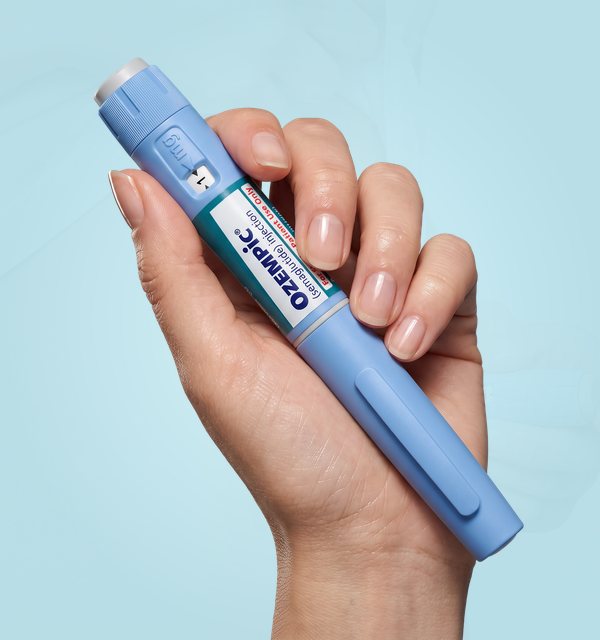
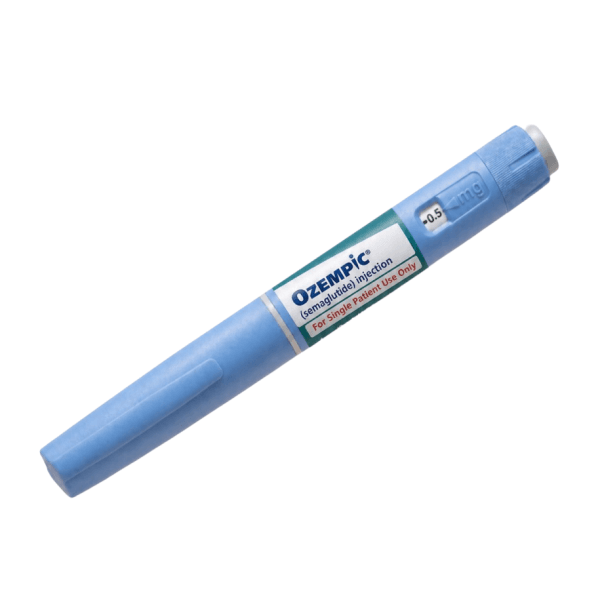
Many readers compare Trulicity vs Ozempic weight loss. Both are GLP-1 receptor agonists, but they are different medicines with different dose schedules, study programs, and approved uses. It is not enough to compare anecdotes or before-and-after posts. A clinician should consider glucose response, side effects, medical history, and whether weight management is the primary goal.
Switching from Trulicity to Ozempic, or switching the other way, should be planned. Timing matters because overlapping or gaps in therapy can affect glucose and side effects. Do not combine GLP-1 medicines unless a prescriber has specifically directed a plan.
For a side-by-side discussion, see Trulicity vs Ozempic. If you are weighing daily versus weekly GLP-1 approaches, see Trulicity vs Saxenda.
Cost, Coverage, and Access Context
Trulicity cost can vary by country, pharmacy, insurance status, plan rules, deductible stage, and whether prior authorization applies. Search terms such as monthly cost or price with insurance can produce very different answers because benefit design changes the final amount. Avoid relying on old forum posts or screenshots.
If coverage is uncertain, ask the prescriber which diagnosis is being treated and which alternatives are clinically reasonable. Insurance plans may distinguish between diabetes treatment and weight-management treatment. Some people also explore cash-pay options, including without insurance, but eligibility and fulfilment rules vary by jurisdiction.
CanadianInsulin.com functions as a prescription referral platform. Where required, prescription details may be confirmed with the prescriber, while dispensing and fulfilment are handled by licensed third-party pharmacies where permitted. For product-format context, you can review Trulicity Pens without treating that page as dosing advice.
Authoritative Sources
For official prescribing information, review the manufacturer-hosted Trulicity prescribing information, including boxed warnings, contraindications, and adverse reactions.
The U.S. Food and Drug Administration explains how GLP-1 medicines are reviewed and monitored through its drug safety communications and medication safety updates.
For diabetes standards and clinical context, the American Diabetes Association publishes Standards of Care in Diabetes, which clinicians use when individualizing diabetes therapy.
Recap
Trulicity for weight loss is best understood as a possible weight-related effect of a diabetes medicine, not as a guaranteed weight-loss treatment. It may reduce appetite and support gradual change for some people, especially when paired with sustainable meals, hydration, movement, and monitoring.
The safest plan is to define the goal, track response, and discuss side effects early. Ask your clinician whether the current medicine, dose, and monitoring plan fit your diagnosis and risk profile. If weight management is the main goal, compare approved options and safety factors before making changes.
This content is for informational purposes only and is not a substitute for professional medical advice.