

Synjardy weight loss can happen in some adults with type 2 diabetes, but Synjardy is not approved as a weight-loss treatment. The medicine combines empagliflozin, which helps the body pass extra glucose in urine, with metformin, which affects liver glucose production and insulin sensitivity. Weight may also shift because of fluid changes, appetite changes, digestive side effects, diet, activity, and glucose control.
This matters because a lower number on the scale is not always the same as healthy fat loss. Gradual weight change may fit a diabetes care plan. Rapid loss, dizziness, nausea, extreme thirst, genital symptoms, or urinary symptoms may signal dehydration, infection, or another problem that needs medical review.
Key Takeaways
- Weight changes vary. Some people lose weight, while others notice little change.
- Synjardy treats type 2 diabetes. It is not a stand-alone weight-loss medicine.
- Fluid loss can affect weight. More urination may change the scale early.
- XR and regular tablets differ. Extended release changes how metformin is released.
- Serious symptoms need care. Watch for dehydration, ketoacidosis, infection, or low glucose signs.
Why Weight Can Change on Synjardy
Weight may change because Synjardy combines two medicines with different actions. Empagliflozin is a sodium-glucose cotransporter 2 inhibitor, often called an SGLT2 inhibitor. This class lowers blood glucose by helping the kidneys remove extra glucose through urine. For more class background, see Synjardy Treatment Role.
When glucose leaves the body in urine, some calories leave with it. That can contribute to modest weight reduction in some people. It can also increase urination, which may reduce body water. Early scale changes may partly reflect fluid loss, not fat loss.
Metformin works differently. It reduces glucose production by the liver and improves how the body responds to insulin. Some people notice less appetite, nausea, or diarrhea when taking metformin-containing medicines. Those effects can change food intake and weight, especially when they are persistent.
Why it matters: Fast weight changes can reflect dehydration rather than meaningful fat loss.
Synjardy weight loss is best viewed as a possible secondary effect. The main treatment goal is blood glucose management in adults with type 2 diabetes. If weight management is also a goal, discuss it as part of a broader plan that includes nutrition, movement, kidney function, heart history, and other medicines.
What Results Are Realistic?
There is no safe standard amount of weight loss to expect from Synjardy. Some adults may lose a modest amount, some may stay about the same, and some may see weight move for reasons unrelated to the medicine. Starting glucose levels, hydration, eating patterns, activity, other prescriptions, and illness can all affect the result.
Questions such as how long it takes to lose 20 lb on metformin or Synjardy need individualized review. A fixed weight target may not be safe for everyone. This is especially important if you have kidney disease, heart disease, pregnancy, gastroparesis, an eating disorder history, or medicines that can cause low blood sugar.
Measure the pattern, not one weigh-in. Body weight can shift day to day because of salt intake, hydration, bowel patterns, menstrual cycles, carbohydrate intake, and infection. A1C trends also require follow-up over a longer clinical review period. Weight should be interpreted beside glucose readings, symptoms, and lab results.
If you are tracking intentional weight management, this calculator can summarize percentage weight change and progress toward a general goal. It does not confirm whether a medicine is working or provide personalized medical advice.
Weight-Loss Progress Calculator
Track percentage body-weight change and progress toward a target weight.
These calculations are for education only and do not replace clinical advice, diagnosis, or treatment. Always confirm medical decisions with a qualified healthcare professional.
Track these details before deciding whether a change is meaningful:
- Weight trend. Use consistent timing and similar clothing.
- Glucose pattern. Compare readings as directed by your care team.
- Fluid symptoms. Note thirst, dry mouth, dizziness, or faintness.
- Digestive changes. Record nausea, diarrhea, appetite loss, or poor intake.
- Medication changes. Include insulin, sulfonylureas, diuretics, or steroids.
People often compare related ingredients when they notice weight changes. Empagliflozin is also the active ingredient in Jardiance, and this related discussion of Jardiance Weight Loss explains similar limits around expectations and safety.
Regular Tablets, XR, and 12.5 mg/1000 mg Strengths
Formulation affects how a medicine is taken, but it does not make weight loss predictable. Regular Synjardy and Synjardy XR both contain empagliflozin and metformin. XR means extended release. That design changes how the metformin portion is released after swallowing.
If your label lists Synjardy 12.5 mg/1000 mg, treat the numbers as a fixed combination strength. They identify the amount of each ingredient in the prescribed tablet. They do not identify a special weight-loss dose, and they should not be used to decide how many tablets to take.
Questions such as whether Synjardy XR can be taken twice daily should be answered from your prescription label, pharmacist, or prescriber. Extended-release tablets are designed to release medicine gradually. Do not crush, split, or chew them unless the official labeling and your pharmacist confirm that it is appropriate.
Many metformin-containing regimens are taken with meals to reduce stomach upset. The exact schedule depends on the formulation and prescription. If you miss doses, develop vomiting or diarrhea, or cannot keep fluids down, ask a healthcare professional what to do instead of doubling up on your own.
People also ask how long Synjardy stays in the system. That question is not a safe way to decide when to stop, restart, or combine medicines. Kidney function, planned procedures, acute illness, and other prescriptions can change medication decisions. A clinician may give specific instructions during surgery planning, imaging procedures, dehydration, or serious infection.
Side Effects That Can Look Like Weight Loss
Several side effects can lower the scale without representing healthy weight change. More urination, reduced appetite, nausea, diarrhea, and dehydration can all reduce body weight. These changes matter because they may also affect kidney function, glucose control, and daily safety.
Commonly discussed effects include stomach upset from the metformin component and urinary or genital symptoms from the SGLT2 inhibitor component. Men may notice genital yeast infection symptoms, irritation around the penis or foreskin, redness, itching, swelling, or discomfort with urination. Women can also develop genital yeast infections. Anyone can develop urinary symptoms that need assessment.
Serious but less common risks need prompt attention. These include diabetic ketoacidosis, a dangerous acid buildup that can occur even when glucose is not extremely high; lactic acidosis, a rare but serious metformin-associated emergency; severe dehydration; kidney problems; serious allergic reactions; and rare severe genital or perineal infections. If Synjardy is combined with insulin or medicines that increase insulin release, low blood sugar may also become more likely.
For a broader medication-focused overview, see Synjardy Uses and Side Effects.
Symptoms to report promptly
- Ketoacidosis signs. Nausea, vomiting, belly pain, rapid breathing, or fruity breath.
- Dehydration signs. Dizziness, fainting, extreme thirst, or very low urine output.
- Genital infection signs. Pain, swelling, redness, fever, or worsening tenderness.
- Low glucose signs. Shaking, sweating, confusion, fast heartbeat, or weakness.
- Allergy signs. Swelling, hives, wheezing, or trouble breathing.
Seek urgent medical care for severe symptoms, breathing trouble, confusion, fainting, chest pain, or pain and swelling in the genital area or the area between the genitals and anus. Do not wait to see whether weight stabilizes if symptoms suggest a serious reaction.
How Synjardy Compares With Other Diabetes Options
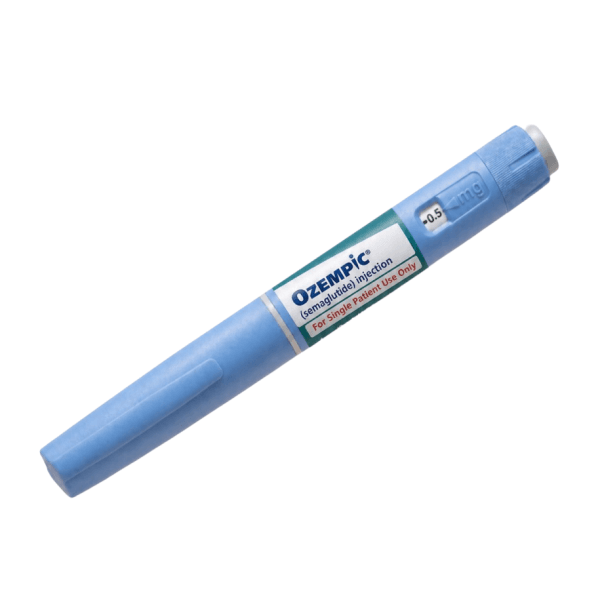
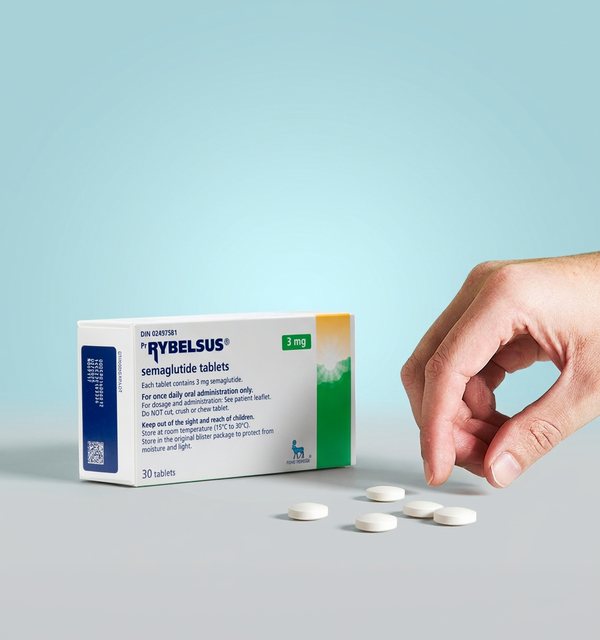
Synjardy is not the same as Ozempic. Synjardy is an oral fixed-dose combination of an SGLT2 inhibitor and metformin. Ozempic contains semaglutide, a glucagon-like peptide-1 receptor agonist, often called a GLP-1 receptor agonist. These medicines affect glucose and weight through different pathways.
That difference matters because weight expectations, side effects, and prescribing reasons are not interchangeable. GLP-1 medicines often affect appetite and stomach emptying. SGLT2 inhibitors mainly affect glucose removal through urine. Metformin mainly affects liver glucose output and insulin sensitivity.
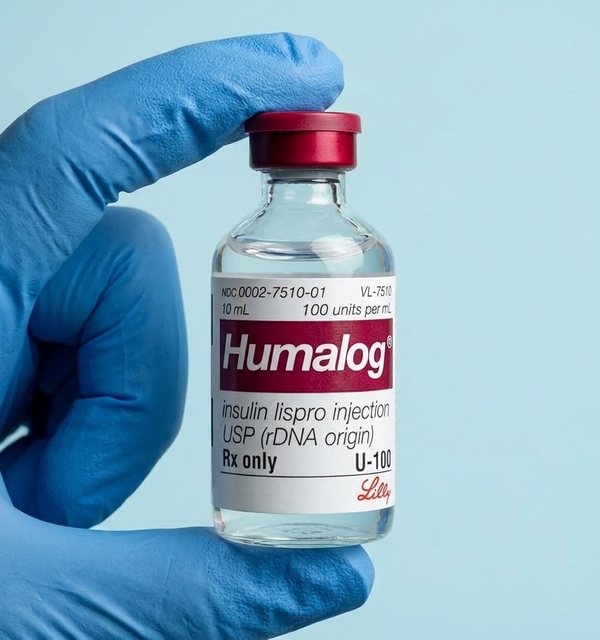
Synjardy alternatives may include separate metformin and SGLT2 inhibitor prescriptions, other oral diabetes medicines, GLP-1 receptor agonists, insulin, or non-drug changes. The right comparison depends on A1C goals, kidney function, cardiovascular history, hypoglycemia risk, side effect history, pregnancy plans, and medication access.
If you want to understand the metformin component more closely, this plain-language discussion of Metformin Weight Loss covers expectations and limits. People comparing SGLT2 options may also review item-level information for Jardiance Product Details, although treatment choices should be made with a prescriber.
The phrase “best diabetes medication for weight loss” can be misleading. Different medicines have different approved uses, safety issues, and monitoring needs. A medication that fits one person’s weight goals may not fit another person’s kidney function, heart history, gastrointestinal tolerance, or hypoglycemia risk.
How to Read Reviews Without Overusing Anecdotes
Reviews can highlight real patient concerns, but they cannot predict your result. Synjardy weight loss reviews often mix medication effects with food changes, activity, nausea, water loss, other prescriptions, and starting glucose levels. That makes them hard to compare.
A person who reports quick scale changes may have lost fluid from increased urination. Another person may notice less appetite because of stomach upset. Someone else may gain weight if eating patterns change, activity drops, or another medication is added. None of those stories proves what will happen for you.
Quick tip: Use reviews to form questions, not to set medical expectations.
More useful questions include whether symptoms are common, what warning signs require care, how to manage meal timing, and when lab monitoring is expected. Bring those questions to your diabetes appointment instead of changing doses based on online experiences.
Questions to Bring to Your Diabetes Appointment
The best next step is to clarify the treatment goal. Ask whether the main goal is lower A1C, fewer glucose spikes, kidney or heart-related risk management, weight support, or simplification of several medicines. The answer can change which options make sense.
Helpful questions include:
- Goal setting. What glucose and weight measures should I track?
- Formulation fit. Should I use regular tablets or XR?
- Kidney review. When should kidney function be checked?
- Low glucose risk. Do my other medicines increase hypoglycemia risk?
- Side effect plan. Which symptoms should prompt urgent care?
- Nutrition support. Should I see a registered dietitian?
For broader educational reading, the Type 2 Diabetes Articles collection groups related topics by condition. If you need item-level information instead of this educational overview, the Synjardy Product Details page is the closer navigation path.
CanadianInsulin.com is a prescription referral platform, not a prescriber. Where required, prescription details may be confirmed with the prescriber, and dispensing is handled by licensed third-party pharmacies where permitted. Some patients also review cash-pay options depending on eligibility and jurisdiction.
Authoritative Sources
- DailyMed official Synjardy labeling for ingredients, approved uses, boxed warnings, and safety information.
- FDA Drugs@FDA database for regulator-maintained drug approval and labeling records.
- American Diabetes Association Standards of Care for current diabetes management principles.
The practical message is balance. Synjardy weight loss may occur, but the medication should be judged by glucose control, tolerability, safety, and the overall care plan. Report concerning symptoms, keep follow-up appointments, and avoid changing how you take the medication without professional guidance.
This content is for informational purposes only and is not a substitute for professional medical advice.