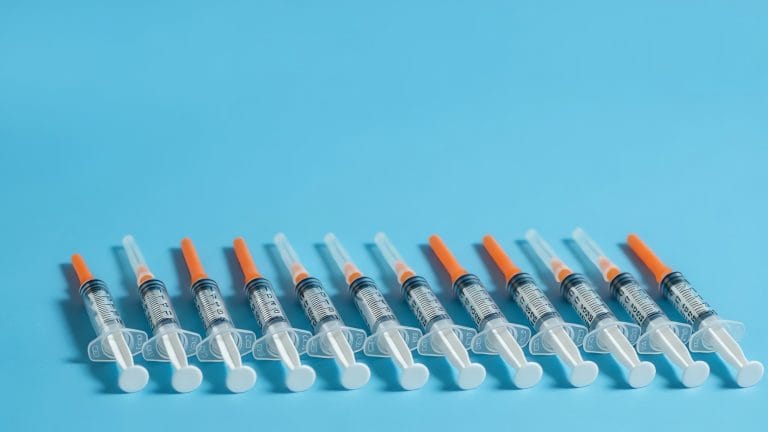

This guide explains how two different diabetes medicines can work together for better glucose control. It focuses on real-world safety, practical use, and how to monitor your response over time.
Key Takeaways
- Dual mechanism lowers glucose without overlapping actions.
- Safety hinges on kidney status, hydration, and foot care.
- Most side effects are manageable with early attention.
- Fixed-dose combinations may reduce pill burden.
Many adults consider invokana and metformin to improve A1C while limiting hypoglycemia risk. This overview outlines how the pair can complement each other, what to monitor, and when to consider alternative options.
How Invokana and Metformin Work Together
Metformin is a biguanide (glucose production suppressor) that lowers hepatic glucose output and improves insulin sensitivity. Canagliflozin is an SGLT2 inhibitor (renal glucose excreter) that increases urinary glucose loss by blocking glucose reabsorption in the kidney. Because they target different pathways, their effects are complementary and may provide additive A1C reductions.
These agents can be used when lifestyle changes and single-drug therapy are not enough. For foundational pharmacology and labeled use, see the FDA prescribing information for canagliflozin plus metformin, which summarizes indications and key warnings (FDA prescribing information, opens in a new tab) combination tablet label. For a broader perspective on SGLT2 inhibitors, you can also review our overview of Invokana Drug Class for mechanism and class effects.
Benefits and Risks in Type 2 Diabetes
The combination may help reduce fasting and post-meal glucose with a low intrinsic risk of hypoglycemia. Hypoglycemia risk can increase when either drug is paired with insulin or a sulfonylurea, so clinicians often reassess doses of those agents. Kidney function influences both benefit and safety. Lower eGFR can reduce SGLT2 efficacy and alter metformin tolerability, so periodic labs matter.
Volume depletion, dizziness, and electrolyte shifts can occur as urinary glucose and sodium increase. Adequate hydration and sick-day planning reduce those risks. SGLT2 inhibitors have rare ketoacidosis events, sometimes with only moderate glucose levels. For official safety details on canagliflozin, review the FDA source (FDA drug label, opens in a new tab) single-agent label. For background on related dosing strategies, our primer on Farxiga Dosing offers class-based considerations you can discuss with a clinician.
Safety and Side Effects
Common invokana side effects include genital yeast infections, increased urination, thirst, and possible dizziness from volume loss. Rare but serious issues include ketoacidosis and necrotizing infections of the perineum, which require urgent care. Foot care and routine checks are important given earlier amputation signals reported with this class. For mitigation strategies, see our practical guide on Minimize Invokana Side Effects when planning hydration and hygiene routines.
Metformin commonly causes gastrointestinal upset, metallic taste, or diarrhea early in therapy. Vitamin B12 levels can fall gradually with long-term use, so periodic checks may help, especially if neuropathy symptoms appear. Lactic acidosis is rare but serious, and risk increases with significant kidney or liver disease. For a deep dive into long-term considerations, you can read Metformin Long-Term Side Effects to understand what to watch over time.
Women’s Health: Yeast, Skin, and Genitourinary Concerns
Vulvovaginal candidiasis occurs more often with SGLT2 inhibitors because urinary glucose promotes fungal growth. Simple hygiene steps and early antifungal treatment may help. Recurrent episodes warrant a clinical review to rule out other causes or adjust the regimen. Some individuals report rashes or itching, which can reflect drug sensitivity or an unrelated dermatitis and should be assessed promptly.
Although people sometimes worry about metformin and yeast infections, metformin itself is not a typical driver of genital yeast overgrowth. Instead, monitor for white discharge, irritation, or discomfort that signals a possible fungal infection. If symptoms do not settle with standard care, evaluation for diabetes control and alternate agents can be considered. For background on SGLT2 alternatives, compare class options in Invokana vs Jardiance to discuss with your clinician.
Dosing, Timing, and Duration
People often ask how long does invokana stay in your system after the last dose. Its pharmacokinetics reflect once-daily use, with effects that may persist into the next day due to renal transporter inhibition. Consistent timing helps maintain steady benefits and aids habit formation. Morning dosing with food is common for metformin to reduce stomach upset, though regimens vary.
When ill, dehydrated, or before contrast imaging, clinicians may pause one or both medicines to reduce risk. Your healthcare team will individualize plans based on kidney function and comorbidities. For a focused discussion on elimination, see our explainer on Invokana Half-Life, which outlines the time course and practical implications. If you are comparing across the class, our Jardiance Drug Class overview provides additional context.
Formulations, Brand Names, and Generics
Understanding labels helps when reviewing your prescription. The canagliflozin brand name is Invokana for the single agent, and fixed-dose combinations with metformin are sold as Invokamet, including extended-release versions. Dapagliflozin, another SGLT2 inhibitor, is marketed as Farxiga, and its combination with metformin appears under different brands. These distinctions matter when comparing dose forms and refill options.
To explore combination tablets that may reduce pill burden, review Invokamet for available strengths and tablet design. If your plan includes dapagliflozin, the Farxiga Dapagliflozin and Dapagliflozin pages outline product details. For metformin formulations, see Glumetza and Janumet XR to compare extended-release technologies. For another SGLT2/metformin pairing, our article on Xigduo Uses shows how labels differ across products.
Combination Products and Comparisons
Choosing between invokamet vs invokana depends on goals like pill burden, dose flexibility, and side-effect patterns. A fixed-dose combination simplifies the routine but can limit independent titration. Separate tablets offer finer dose control, which may help when adjusting for kidney function or tolerability. Your clinician can match the strategy to your targets and lab results.
When comparing other metformin combinations, consider empagliflozin/metformin or dapagliflozin/metformin tablets. Extended-release blends may improve gastrointestinal comfort. For head-to-head context, our comparison Invokana vs Metformin discusses monotherapy roles, while Jardiance Drug Class explains a parallel option within SGLT2s. If you use canagliflozin alone, the product page for Invokana 100 mg/300 mg can help you recognize labeled strengths when reviewing your chart.
Monitoring and Response
Practical checkpoints matter early and over time. Typical signs metformin is working include lower fasting glucose, improved post-meal readings, and gradual A1C decline over several months. You may also notice fewer polyuria or polydipsia symptoms as control improves. Keep a simple log to spot trends rather than chasing day-to-day noise.
Urine glucose is expected with SGLT2 inhibitors, so do not confuse glucosuria with poor control by itself. Instead, focus on blood glucose, A1C, and symptoms. Periodic kidney labs, B12 checks on long-term metformin, and foot inspections can round out routine care. For a broader content hub, explore our Type 2 Diabetes category for structured guides and updates.
Cost and Access
Coverage, formularies, and pharmacy choice can influence invokana price and whether a fixed-dose combination is cost-effective. Patient assistance programs and benefit tiers may shift over time, so periodic reviews help avoid surprises. Generics for metformin are widely available, while SGLT2 generics are limited. Consider whether a two-tablet regimen meaningfully lowers overall costs.
For budget planning, see our article on Lower Your Invokana Price for strategies to discuss with your care team. You can also review Invokana Generic Guide for current availability and timing. If you need a broader product overview, browse Diabetes Products to understand how different formulations might fit your plan.
Recap
Metformin lowers glucose production, while canagliflozin increases glucose loss in urine. Together they can enhance control without overlapping mechanisms. Safety depends on kidney status, hydration, and attention to genitourinary symptoms. Monitoring A1C, fasting readings, and B12 helps track benefit and tolerability.
Fixed-dose tablets reduce pill burden, but separate pills offer dose flexibility. Compare options by cost, convenience, and side-effect profile, and revisit choices as health status changes. For additional safety details, consult the official labels or talk with your clinician. A thoughtful plan and consistent follow-up often make the difference.
Note: Medication choices are individualized. Use this information to frame questions for your healthcare provider.
This content is for informational purposes only and is not a substitute for professional medical advice.