
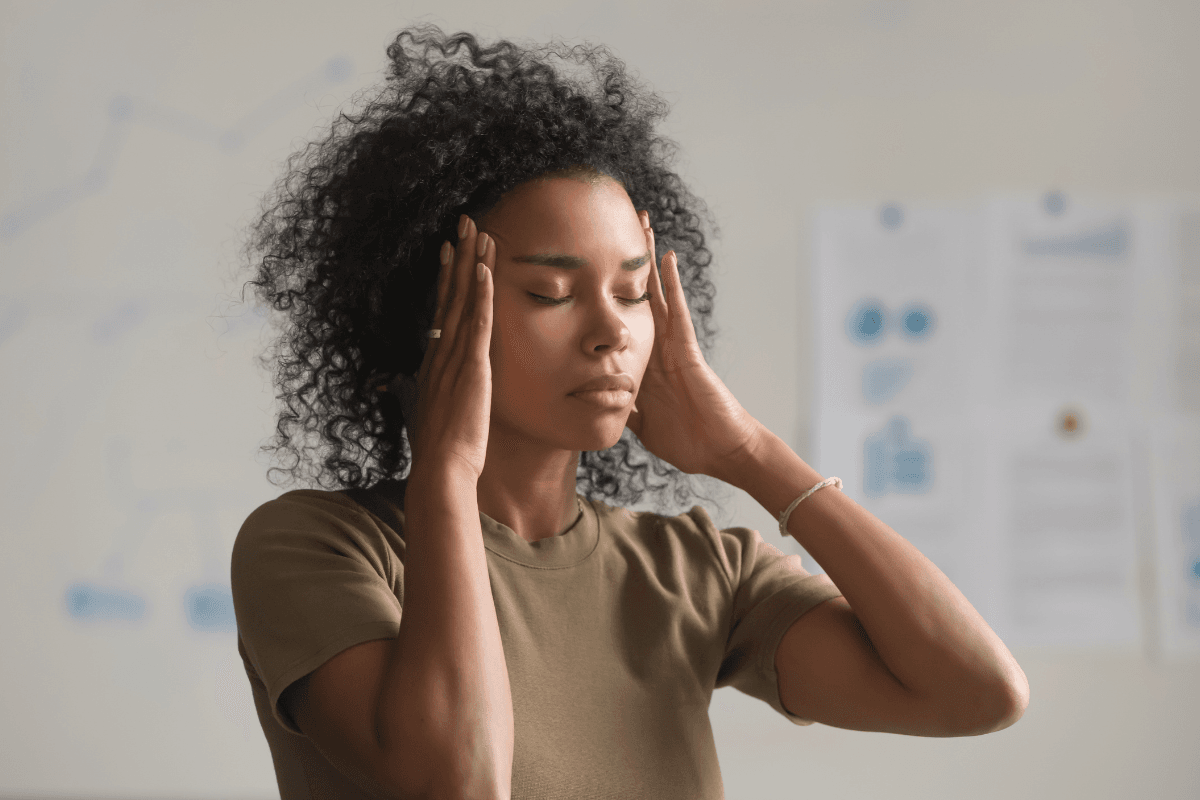
Hypoglycemia and headaches can occur when the brain has too little readily available glucose. The headache may feel dull, throbbing, pressure-like, or migraine-like, and it often appears with warning signs such as sweating, shakiness, hunger, anxiety, blurred vision, or confusion. This matters because a headache alone cannot confirm low blood sugar, but it can be an early clue worth checking.
Headaches related to glucose changes can overlap with many other causes. If you live with diabetes, a glucose reading usually gives better direction than symptoms alone. If you do not have diabetes but suspect repeated glucose dips, the pattern deserves medical review rather than self-diagnosis. For broader context on glucose-related head pain, see Diabetes Headache.
Key Takeaways
- Low glucose can trigger head pain, especially alongside classic hypoglycemia symptoms.
- Location is not reliable; symptoms and timing matter more.
- Common triggers include missed meals, activity, alcohol, and some diabetes medicines.
- Measured glucose helps separate low blood sugar from other headache causes.
- Severe confusion, seizure, fainting, or trouble swallowing needs urgent care.
Hypoglycemia and Headaches: What They Can Feel Like
A low blood sugar headache often feels like a dull ache, pressure, or throbbing pain. Some people notice it around the temples or forehead. Others feel pain across the whole head, behind the eyes, or with neck tension. The location can vary, so it should not be used as the main way to identify hypoglycemia.
The stronger clue is the symptom cluster around the headache. Low glucose may also cause sweating, shaking, fast heartbeat, hunger, irritability, dizziness, nausea, weakness, blurred vision, or difficulty concentrating. As glucose falls further, some people develop confusion, clumsiness, slurred speech, unusual behavior, fainting, or seizures.
Some people describe a low blood sugar migraine, especially if they already have migraine disorder. A migraine is often one-sided or pulsing and may include nausea, light sensitivity, sound sensitivity, or visual aura. Low glucose can act as a trigger in susceptible people, but not every migraine during a busy day is caused by hypoglycemia.
The key pattern is timing. Head pain that starts after a delayed meal, more activity than usual, alcohol intake, overnight fasting, or a diabetes medicine change is more suggestive. Headache that appears with fever, head injury, neurological symptoms, or a sudden thunderclap onset needs a different level of attention.
Why Glucose Dips Can Set Off Head Pain
Blood sugar drops can stress the nervous system before a person feels severely unwell. Glucose is a major fuel source for the brain. When levels fall, the body releases counter-regulatory hormones, including adrenaline, to help raise glucose. That response can create sweating, shaking, anxiety, and palpitations.
Head pain may come from several overlapping processes. The brain may be more sensitive during low-fuel states. Stress-hormone changes may affect blood vessels and pain pathways. Hunger, dehydration, poor sleep, caffeine changes, and muscle tension can also pile onto the same episode.
Common triggers include:
- Delayed meals: long gaps between eating.
- Extra activity: exercise without enough fuel.
- Alcohol intake: especially without food.
- Medication effects: insulin or some glucose-lowering medicines.
- Reduced intake: nausea, illness, or vomiting.
- Reactive patterns: symptoms after high-carbohydrate meals.
People who use insulin or medicines that increase insulin release have a higher risk of true hypoglycemia than many people using non-insulin therapies. Still, symptoms that feel like low glucose can happen for other reasons, including anxiety, dehydration, caffeine withdrawal, or rapid glucose changes that do not reach a low range.
For a deeper look at fasting-related episodes, see Fasting Hypoglycemia. If you want more background on why glucose swings can affect thinking and symptoms, read Blood Sugar and Brain Function.
Checking Glucose When a Headache Starts
Checking glucose helps determine whether hypoglycemia and headaches are truly happening together. Symptoms are useful, but they are not specific. A meter or continuous glucose monitor can show whether your glucose is low, falling quickly, in range, or high.
In diabetes care, 70 mg/dL or 3.9 mmol/L is commonly used as a low-glucose threshold. Your care plan may use a different target range based on age, pregnancy, kidney disease, hypoglycemia awareness, medication type, or other health factors. If your symptoms and continuous glucose monitor reading do not match, many care plans advise confirming with a fingerstick reading.
Units can also cause confusion. The United States commonly uses mg/dL, while many other countries use mmol/L. This converter can help you compare glucose values between units. It does not diagnose hypoglycemia or replace your care plan.
Blood Glucose Unit Converter
Convert glucose readings between mg/dL and mmol/L without changing the clinical value.
These calculations are for education only and do not replace clinical advice, diagnosis, or treatment. Always confirm medical decisions with a qualified healthcare professional.
Why it matters: A glucose reading can change the next safe step.
If you are unsure how often to check during symptoms, the discussion in Monitor Blood Sugar may help you prepare questions for your clinician. For people using meters, pumps, or sensors, Diabetes Tech explains common tools in plain terms.
Relief: What To Do Safely In The Moment
Relief for hypoglycemia and headaches starts with confirming and treating the low glucose when possible. If you have a prescribed diabetes or hypoglycemia plan, follow that plan. It may include fast-acting carbohydrate, rechecking glucose, pausing driving or exercise, and asking another person for help if symptoms worsen.
Do not rely only on pain medicine if the headache comes with signs of low glucose. A headache tablet may reduce pain, but it will not correct a glucose problem. Hydration, rest, and a follow-up snack or meal may also matter, depending on your plan and the reason glucose dropped.
How long does hypoglycemia last? Mild symptoms often improve after glucose rises, but the exact duration depends on the cause, the medicine involved, recent activity, digestion, and whether another illness is present. A headache may linger after the glucose number improves. Persistent or worsening pain should not be dismissed as just low sugar.
If the person is confused, very drowsy, having a seizure, unable to swallow safely, or unconscious, treat it as an emergency. Do not give food or drink by mouth to someone who cannot swallow safely. Some people at risk for severe lows have glucagon prescribed for emergencies; caregivers should know when and how to use the product they were given.
Meals, Reactive Hypoglycemia, and Food Triggers
Preventing hypoglycemia and headaches often means looking at meal timing, food mix, and medication context together. Food choices affect people differently, so the goal is pattern recognition rather than a universal list of banned foods.
Reactive hypoglycemia refers to low glucose symptoms that occur after eating, often a few hours later. Some people report symptoms after large refined-carbohydrate meals or sugary drinks. Others have symptoms that feel similar but do not show a low glucose reading. A clinician can help sort out which pattern is present.
For many people, steadier meals include a mix of fiber-rich carbohydrate, protein, and fat. Examples may include oats with nuts, eggs with whole-grain toast, yogurt with berries, or beans with vegetables. These are examples, not a prescription. Carbohydrate targets should be individualized, especially for people using insulin or medicines that can cause hypoglycemia.
Foods and habits to review include:
- Sugary drinks alone: rapid carbohydrate without staying power.
- Large sweet portions: especially on an empty stomach.
- Alcohol without food: higher risk for delayed lows.
- Skipped meals: longer gaps between fuel.
- Unplanned exercise: activity without a fuel plan.
People with pregnancy, kidney disease, gastroparesis, eating disorders, recurrent lows, or medication-related hypoglycemia should get individualized nutrition advice. A registered dietitian or diabetes care team can help balance glucose goals with safety, preferences, and medical needs.
When a Headache Needs Urgent Care
Some symptoms should not be managed at home as a routine low. Seek urgent help for severe confusion, seizure, loss of consciousness, repeated vomiting, or inability to keep food or fluid down. Also get urgent care if a person cannot swallow safely or does not improve after following their prescribed plan.
Headache red flags matter, even when glucose is low. A sudden worst headache, new weakness, facial droop, trouble speaking, stiff neck, fever, head injury, vision loss, chest pain, or shortness of breath can point to other serious conditions. These symptoms need prompt medical evaluation.
Recurrent lows also deserve review. Repeated hypoglycemia can reduce warning symptoms over time, a problem often called impaired awareness of hypoglycemia. If you are having frequent lows, overnight lows, or headaches that repeatedly match low readings, speak with your clinician before changing medication, meals, or activity plans.
Tracking Patterns Before Your Appointment
A simple symptom record can help your clinician connect the dots. Bring dates, times, glucose readings, meals, activity, alcohol use, medicines, sleep, stress, and what helped. The goal is not to prove one cause. It is to show a pattern that can be reviewed safely.
Useful details include:
- Timing: before meals, overnight, or after eating.
- Glucose value: meter or sensor reading.
- Symptoms: headache plus body warning signs.
- Food context: last meal and snack pattern.
- Activity: exercise, walking, or physical labor.
- Response: what improved or worsened symptoms.
Quick tip: Record the headache before taking action, if it is safe.
Stress and sleep can also change headache patterns and glucose habits. If stress is part of the pattern, Stress and Diabetes offers more context. For more diabetes education topics, the Diabetes Articles hub groups related reading in one place.
Authoritative Sources
- For recognized symptom and treatment context, see the American Diabetes Association low glucose guidance.
- For patient education on causes and prevention, review the NIDDK hypoglycemia information.
- For general medical background on hypoglycemia, consult the MedlinePlus hypoglycemia overview.
Hypoglycemia-related head pain is most useful as a signal, not a diagnosis. Check glucose when appropriate, look for associated symptoms, and share repeated patterns with a qualified clinician. Safer relief depends on knowing whether the headache is truly linked to low glucose or another cause.
This content is for informational purposes only and is not a substitute for professional medical advice.