

Key Takeaways
- No approved multi-dose or single-dose vials currently exist.
- Official product is a prefilled pen with set doses.
- Follow label storage ranges to protect drug stability.
- Compounded tirzepatide vials require extra safety scrutiny.
Patients sometimes ask about a vial of Mounjaro. This guide explains current availability, how the authorized product is supplied, and what to know about storage, administration, and compounded alternatives. It also contrasts a theoretical vial workflow with the existing pen to support safe, informed practice.
Does a Vial of Mounjaro Exist?
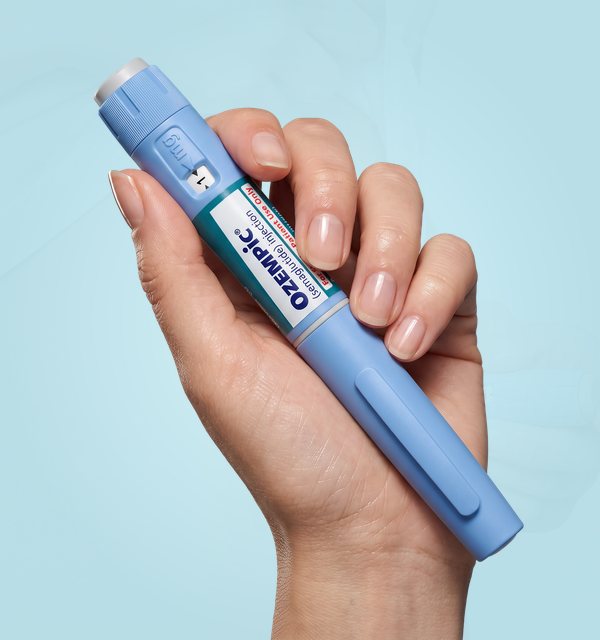
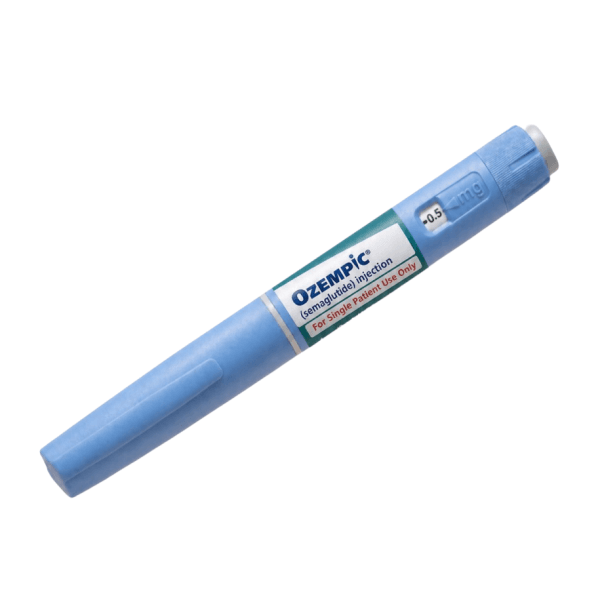
As of the latest labeling, the approved presentation of tirzepatide (Mounjaro) is a single‑patient, prefilled pen. There is no authorized multi‑dose or single‑dose vial from the manufacturer. This matters for dosing workflow, supplies, and training. It also frames how clinicians counsel patients who ask about drawing doses by syringe.
In practice, the pen presentation reduces calculation errors and contamination risks. Pens arrive in fixed, color‑coded strengths. That simplifies escalation plans and injection teaching. If you encounter a vial in community channels, it is not the approved product. You should verify the source and discuss safety concerns before any use.
Availability and Regulatory Status
Public confusion often centers on Mounjaro vial availability. The U.S. prescribing information and regulator materials describe only prefilled pens, not vials. When evaluating any non‑pen product, confirm it aligns with current labeling and applicable jurisdictional rules. This protects patients from misbranded or substandard items.
For authoritative details on approved presentations and storage language, see the FDA prescribing information for tirzepatide (FDA prescribing information). Lilly’s U.S. prescribing information provides the same core requirements and helps verify updates over time (U.S. prescribing information). Reviewing primary sources reduces misinformation about formats and handling.
If you need a refresher on dose steps and escalation strategies before assessing formats, see Mounjaro Doses for a focused overview that helps contextualize device choice.
Mounjaro Vial vs Pen: Workflow and Practical Differences
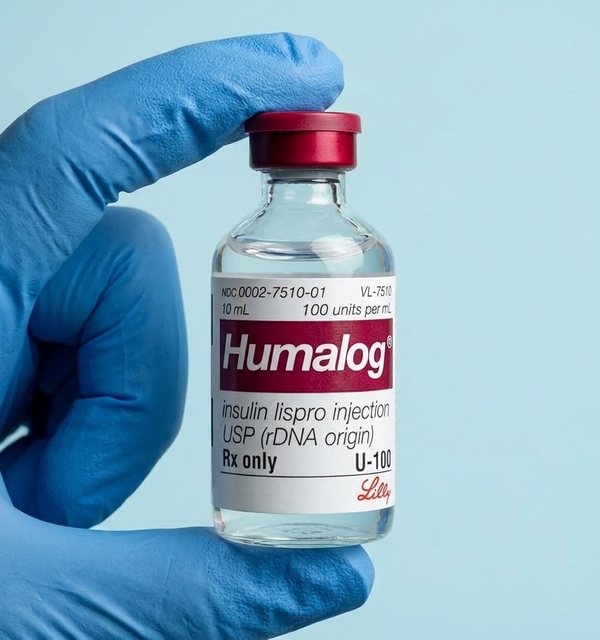
Because the approved product is a pen, any Mounjaro vial vs pen comparison is theoretical or based on compounded products. A vial workflow requires vial access, sterile syringes, and careful measurement of the prescribed dose. A pen workflow uses a single device per weekly dose and a fixed strength. That reduces dose calculations and potential mix‑ups.
Pens also reduce touchpoints that can introduce contamination. With a vial, each puncture increases risk without strict technique. Pens are designed for patient self‑administration and consistent factory calibration. For device specifics and dose strengths, see the Mounjaro KwikPen Pre-Filled page, which outlines strengths and pen handling so you can compare workflows.
If you are weighing device pros and cons across incretin therapies, the comparison article Trulicity vs Mounjaro offers relevant context on weekly injection routines and device usability.
Mounjaro Storage and Handling Essentials
Labeling requires controlled temperature ranges to preserve potency. The most important parameter is the Mounjaro storage temperature specified in current labeling. Store pens refrigerated between 2°C and 8°C (36°F to 46°F). Per the label, limited room‑temperature time is permitted; always follow the maximum time and temperature window specified in the current document.
Avoid freezing or exposing pens to heat, sunlight, or repeated temperature cycling. Keep pens in the original carton to protect from light. For official thresholds and definitions, confirm the ranges in the FDA’s tirzepatide label (FDA prescribing information). If you’re organizing broader treatment resources, browse the Type 2 Diabetes category for background on medication handling across this class.
Tip: Use a dedicated refrigerator shelf and a small data‑logging thermometer. This helps maintain a consistent environment and documents compliance in shared households.
Dosing and Administration Basics
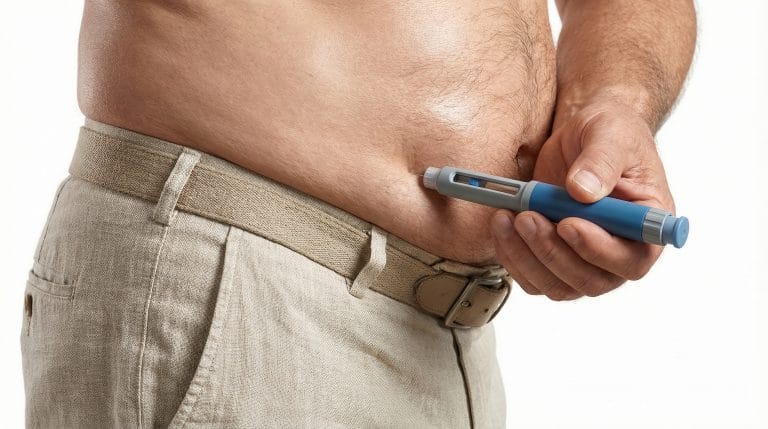
Weekly, subcutaneous (under‑the‑skin) administration is the standard route. Pens are engineered for consistent depth and volume delivery. In any training session, demonstrate a slow, steady push and a full hold time per device instructions. Reinforce rotation across permitted sites to reduce local irritation and lipoatrophy risk.
Hands‑on teaching matters for the Mounjaro injection technique. Start with low‑distraction settings, then confirm teach‑back with a demo pen. For stepwise dose changes and timing adjustments, see Understanding Mounjaro Dosage for escalation principles, and consult Mounjaro Injection Sites for visual placement guidance that supports safer technique.
Formulation Details and Inactive Ingredients
Tirzepatide is a dual GIP/GLP‑1 receptor agonist designed to enhance glucose‑dependent insulin secretion and reduce appetite signals. The solution includes buffers and tonicity agents to maintain stability and injection comfort. While inactive components may change slightly by strength, the formulation objectives remain consistent: pH control, isotonicity, and protein stabilization.
Patients with known hypersensitivity to excipients should review updated composition tables in the latest prescribing document. If an allergy history raises concern, clinicians can screen ingredient lists during prescribing or device selection. This approach fits broader risk minimization when starting any incretin therapy and can prevent early discontinuation due to tolerability issues.
Stability, Shelf Life, and Shipping Considerations
Once removed from refrigeration, the clock on stability begins. Always adhere to the labeled room‑temperature allowance and track the time out of refrigerator. This guidance underpins the Mounjaro shelf life after opening or exposure to ambient conditions. Exceeding time or temperature limits can reduce potency and increase variability in glycemic response.
If a pen experiences a temperature excursion during travel, document the duration and conditions. When uncertain, consult the current label or a pharmacist before using the device. For primary storage and stability statements, refer again to the FDA’s official label (FDA prescribing information) or Lilly’s comprehensive document (U.S. prescribing information) to confirm limits before proceeding.
Compounded Tirzepatide: Safety and Regulations
Shortages have led some patients to encounter compounded tirzepatide from certain pharmacies. These products may be supplied in non‑standard formats, including vials. While compounding is a legal practice under specific conditions, quality, sterility, and potency can vary. That raises distinct risks separate from approved, manufacturer‑made pens.
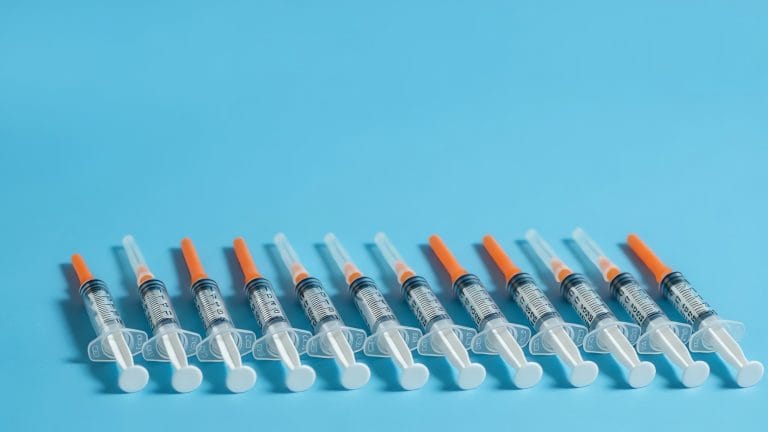
Discuss compounded tirzepatide safety with patients who are considering non‑labeled formats. Reinforce the need for licensed sources, pharmacist counseling, and appropriate supplies. Where vial formats are used, sterile technique and suitable syringes are essential; see BD UltraFine II Syringes for an overview of common insulin‑syringe specifications referenced in injection training. If comparing broader options in this class, Wegovy vs Mounjaro explains pharmacologic differences that influence device and dosing workflows.
Regulatory Notes for Compounded Formats
Compounding regulations differ by region and may change during shortages. Clinicians should verify state or provincial rules, including requirements for patient‑specific prescriptions and sterility standards (e.g., USP chapters for sterile compounding). Patients should understand that adverse event monitoring and lot consistency differ from approved products. When in doubt, prioritize traceable supply chains, transparent labeling, and pharmacist consultation before initiating therapy.
Who Might Seek a Hospital Vial?
Hospitals and infusion centers sometimes prefer multi‑dose vials for workflow and inventory control. However, without an authorized vial, facilities typically stock the pens. This avoids relabeling, beyond‑use dating, or repackaging steps that could complicate compliance. It also simplifies bedside administration training for rotating staff and patients.
Where care teams weigh alternative incretin therapies for institutional use, cross‑product comparisons can help. For example, reviewing device features and schedules in Trulicity vs Mounjaro may support formulary discussions and nursing education. Such comparisons complement, but do not replace, local medication‑use evaluations.
Recap
Today, the market lacks an authorized vial presentation for tirzepatide. The approved product is a prefilled pen with clear storage and use instructions. If a vial appears in the community, treat it as a compounded or non‑standard product and evaluate its provenance, handling, and regulatory footing. Care teams should emphasize safe technique, reliable storage, and current‑label guidance.
For broader context on therapy selection, consider cross‑drug comparisons and dosing resources hosted here. Device features, stability rules, and injection training drive reliable outcomes across incretin therapies and support consistent weekly use.
Note: Always verify label updates and local regulations before making handling or administration decisions.
This content is for informational purposes only and is not a substitute for professional medical advice.