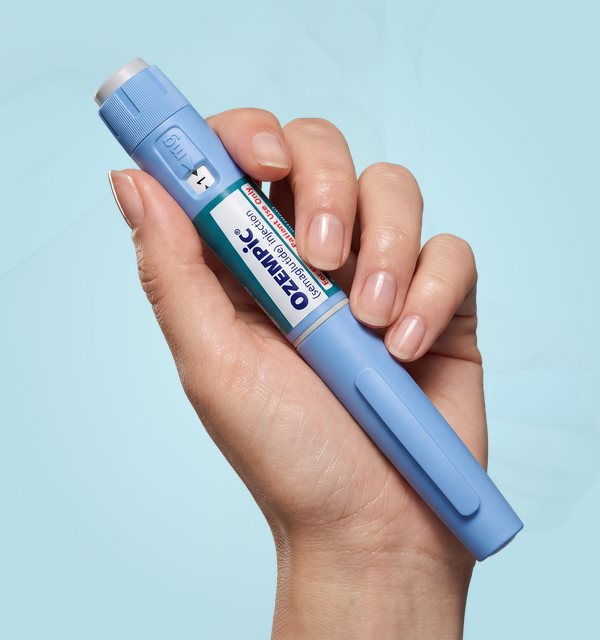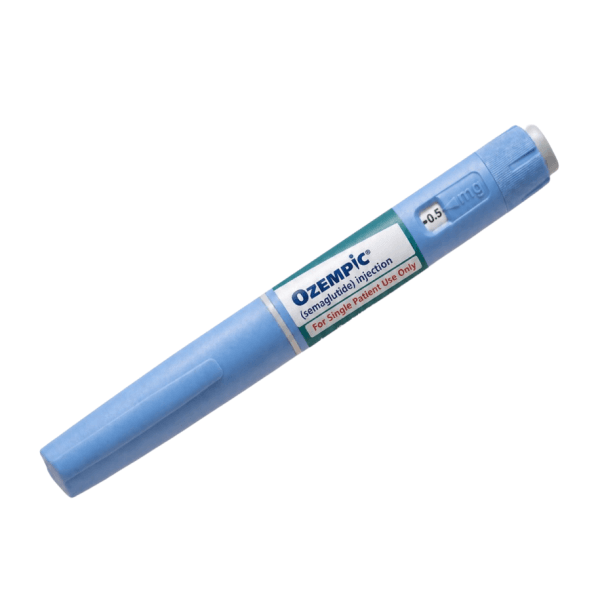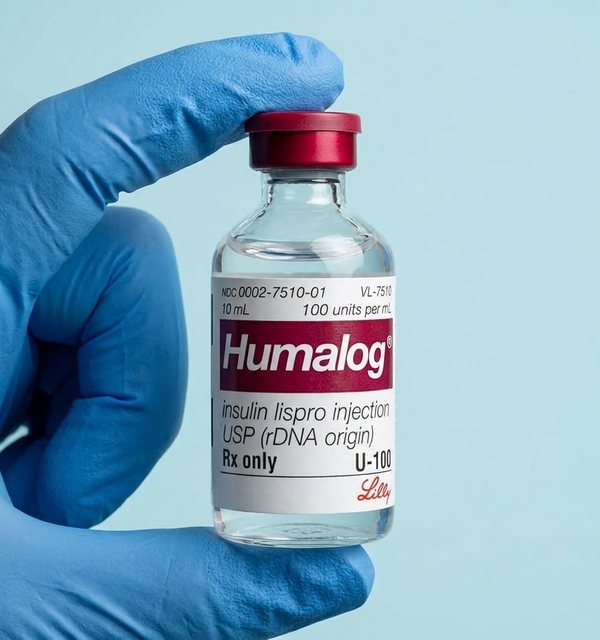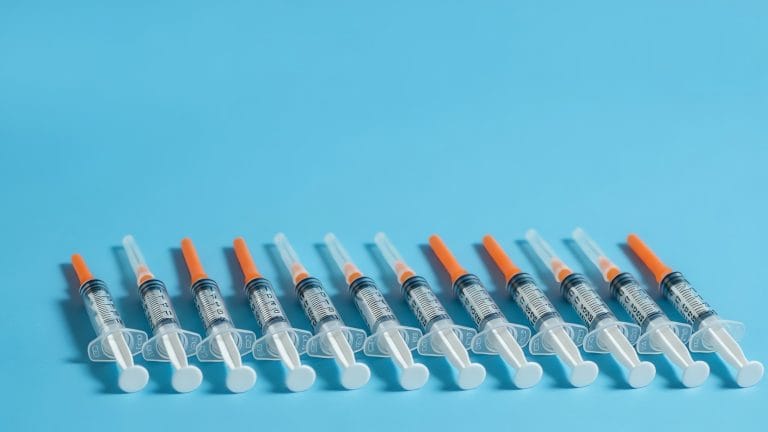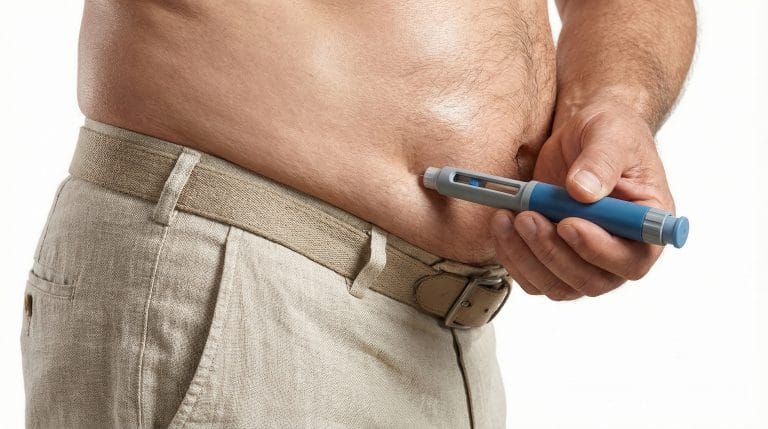



Direct answer: NovoRapid vs Humalog is usually a comparison between two rapid-acting mealtime insulins with very similar roles. NovoRapid contains insulin aspart, while Humalog contains insulin lispro. Both are used to help manage blood glucose rises after meals, often with a basal insulin plan or an insulin pump. The practical differences usually involve timing, device preference, coverage, pump compatibility, and individual glucose patterns.
This matters because small timing differences can affect post-meal readings and low blood sugar risk. The best choice is not simply the faster or more familiar brand. It is the insulin that fits your prescribed regimen, meals, monitoring routine, and access situation.
Key Takeaways
- Same insulin class: Both are rapid-acting analogs used around meals.
- Different active molecules: NovoRapid is insulin aspart; Humalog is insulin lispro.
- Timing is close: Both usually start working quickly after injection.
- Devices can differ: Pens, cartridges, and vials may fit routines differently.
- Switching needs oversight: Changes should involve the prescribing care team.
NovoRapid and Humalog Differences in Everyday Use
NovoRapid and Humalog differences are most noticeable in how each product fits daily routines. Both are bolus insulins, meaning they cover meals or corrections rather than all-day background insulin needs. They are commonly used by people with type 1 diabetes and by some people with type 2 diabetes who need mealtime insulin.
Insulin aspart and insulin lispro are designed to absorb faster than regular human insulin. This allows many people to dose closer to mealtime, although exact instructions vary. Your prescriber may consider your usual meal timing, carbohydrate counting skills, continuous glucose monitor data, work schedule, activity, and history of hypoglycemia (low blood sugar).
Humalog vs NovoRapid is not usually a question of one being universally stronger. In routine care, the comparison is more often about match. One person may prefer a prefilled pen. Another may need a cartridge for a reusable pen. Someone using a pump may need a product listed in the pump instructions and supported by their clinician.
For a wider look at how mealtime options are grouped, see Prandial Insulin Types. That resource explains where rapid-acting analogs fit among other meal-related insulin categories.
How Rapid-Acting Insulin Works
Rapid-acting insulin works by replacing or supplementing the insulin response that normally follows eating. After injection under the skin, it moves into the bloodstream and helps glucose enter cells. This helps reduce postprandial hyperglycemia, which means high blood glucose after meals.
Most rapid-acting analogs begin working within minutes, reach their strongest effect later, and then taper off. The exact curve can change with dose size, injection site, temperature, activity, and blood flow. A larger dose may last longer than a small dose. Exercise soon after dosing may also increase low glucose risk.
For insulin aspart timing details, Insulin Aspart Onset Peak explains onset, peak, duration, and common monitoring considerations. For lispro-specific timing, Humalog Onset Peak Duration covers similar time-action concepts.
Why it matters: Timing affects both meal coverage and delayed low blood sugar risk.
Rapid-acting insulin is different from short-acting insulin, often called regular insulin. Regular insulin usually has a slower onset and longer duration. That difference can affect when it is taken before meals and how long it may continue lowering glucose afterward.
Timing, Meal Dosing, and Glucose Tracking
Mealtime insulin timing should follow the plan given by your diabetes care team. Many people take rapid-acting insulin shortly before meals, but some need a different approach. A person with slow digestion, uncertain appetite, or frequent lows may receive different instructions than someone with predictable meals.
Carbohydrate counting is one common method for matching insulin to food. It uses an insulin-to-carbohydrate ratio set by a clinician. Correction doses may also be used when pre-meal glucose is above target. These tools are helpful, but they can become unsafe if ratios or correction factors are changed without guidance.
People often compare NovoRapid vs Humalog when post-meal readings seem higher than expected. In that situation, the cause is not always the insulin brand. Common contributors include missed carbohydrates, high-fat meals, delayed digestion, injection into lipohypertrophy (thickened fatty tissue), expired insulin, illness, or activity changes.
Blood glucose values may appear in mmol/L or mg/dL depending on your meter, clinic, or country. This converter can help you compare units when reviewing logs or educational material. It does not interpret readings or replace clinical advice.
Blood Glucose Unit Converter
Convert glucose readings between mg/dL and mmol/L without changing the clinical value.
These calculations are for education only and do not replace clinical advice, diagnosis, or treatment. Always confirm medical decisions with a qualified healthcare professional.
If you are using a continuous glucose monitor, time-in-range patterns may be more useful than one isolated reading. Bring trend reports, meal notes, and insulin timing details to appointments. These records help your team understand whether the issue is timing, dose matching, meal composition, or another factor.
Devices, Pumps, and Format Selection
Device choice can be a practical reason for choosing one rapid-acting insulin over another. NovoRapid and Humalog may be available in different forms depending on the market. Common formats include vials, cartridges, and prefilled pens. Each format has tradeoffs.
Vials are often used with syringes or insulin pumps, depending on product instructions and local availability. Cartridges are used with compatible reusable pens. Prefilled pens can be convenient for travel or work routines, but they may not suit every dose increment or grip need.
If you want device-specific context, NovoRapid Insulin Formats reviews common aspart formats and general safety points. Product pages such as NovoRapid Cartridge and Humalog Cartridge can also help readers identify listed forms, while clinical use should still follow the prescription.
Insulin pump users have extra considerations. Pump manuals and prescribers may specify which rapid-acting insulins are appropriate. If you use a pump, do not assume any rapid-acting analog can be swapped into the reservoir. Pump settings, infusion site changes, and backup injection plans all matter.
A person with vision changes, hand stiffness, or very small dose needs should discuss device ergonomics. Dose readability, injection force, needle compatibility, and storage routines can affect day-to-day safety. These practical details are not minor if they improve consistent use.
Side Effects, Risks, and When to Seek Help
The main safety concern with both products is hypoglycemia. Symptoms may include shaking, sweating, hunger, confusion, fast heartbeat, headache, or weakness. Severe hypoglycemia can cause seizure, loss of consciousness, or inability to self-treat. Seek urgent help for severe symptoms or if glucagon is needed.
Other possible issues include injection-site reactions, itching, rash, and lipodystrophy. Lipodystrophy is a change in fat tissue under the skin that can interfere with absorption. Rotating injection sites helps reduce this risk. Avoid repeatedly injecting into lumps, dents, or sore areas unless your clinician has assessed them.
Allergic reactions are uncommon but can be serious. Get urgent medical help for widespread rash, swelling of the face or throat, wheezing, or trouble breathing. Also contact your care team if you have repeated lows, unexplained highs, pump alarms with high glucose, ketone concerns, or illness that changes eating and hydration.
Some medicines can affect glucose or mask warning symptoms. Beta-blockers, steroids, certain diuretics, and other therapies may change monitoring needs. Alcohol can also increase delayed low glucose risk, especially when food intake is low. Review medication changes with your pharmacist or clinician.
A common search question asks why peanut butter may help with low blood sugar. Peanut butter contains fat and protein, which can slow digestion. It is not usually the fastest option for treating an urgent low. Many diabetes education plans recommend fast-acting carbohydrate first, then a longer-acting snack if needed. Follow your personal hypoglycemia plan.
Switching From One Rapid-Acting Insulin to Another
Switching from NovoRapid to Humalog, or the reverse, should be planned with a prescriber. Even when two insulins are in the same class, timing and monitoring may need adjustment. Your care team may ask for more frequent checks during the change.
Some clinicians start with a unit-to-unit approach for rapid analog switches, but that is not a rule for every person. Dose history, kidney function, pregnancy, hypoglycemia history, pump use, and meal patterns can change the plan. Do not change dose ratios, correction factors, or pump settings on your own.
Before switching, confirm these points with your care team:
- Meal timing: When to inject relative to eating.
- Correction approach: When corrections are allowed.
- Pump details: Reservoir and infusion set instructions.
- Low plan: How to treat and report hypoglycemia.
- Follow-up data: Which readings to share.
For a broader comparison of bolus insulin options, Bolus Insulin Brands explains how mealtime products are commonly discussed in diabetes care. The Type 1 Diabetes Articles collection may also help readers who want more background on insulin routines and monitoring topics.
Quick tip: Keep a short log during any product change, including meals, activity, readings, and symptoms.
Cost, Access, and Care Team Questions
Coverage and access can influence NovoRapid vs Humalog decisions. Formularies may prefer one brand, one device, or one package type. Pharmacies and prescribers may also need to confirm the exact insulin name, concentration, device, and directions to avoid substitution errors.
CanadianInsulin.com is a prescription referral platform, and prescription details may be confirmed with the prescriber where required. Dispensing and fulfilment are handled by licensed third-party pharmacies where permitted. Some patients also explore cash-pay options or cross-border fulfilment depending on eligibility and jurisdiction.
If affordability or coverage is driving a change, ask your clinician or pharmacist whether the proposed product has similar timing instructions for your situation. Also ask whether you need extra glucose monitoring during the transition. Access decisions should not override safety planning.
Readers comparing product formats can browse the Diabetes Products category. Use it as a navigation tool, not as a substitute for a prescription review.
Authoritative Sources
For general rapid-acting insulin education, see the NHS rapid-acting insulin overview. It explains how this insulin class is commonly used around meals.
For insulin aspart label details, review the NovoLog prescribing information. NovoLog is the U.S. brand name for insulin aspart and provides official pharmacology and safety information.
For insulin lispro label details, review the Humalog prescribing information. The label outlines indications, warnings, and administration considerations.
Bottom Line
NovoRapid vs Humalog is best understood as a practical comparison, not a contest. Both are rapid-acting mealtime insulins. Both can support flexible eating when used as prescribed. The right fit depends on timing, device format, pump requirements, side effects, cost, and the glucose patterns your care team reviews.
If you are considering a switch, prepare recent glucose logs, meal notes, low glucose episodes, and current device details. This gives your clinician better information for safe, individualized decisions.
This content is for informational purposes only and is not a substitute for professional medical advice.