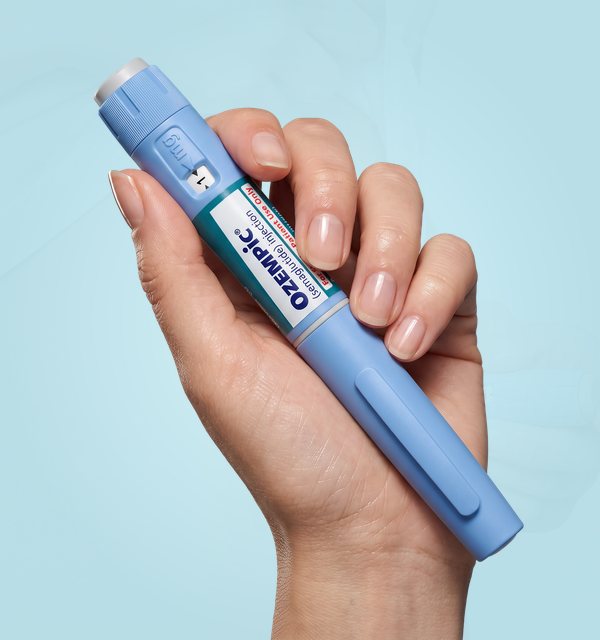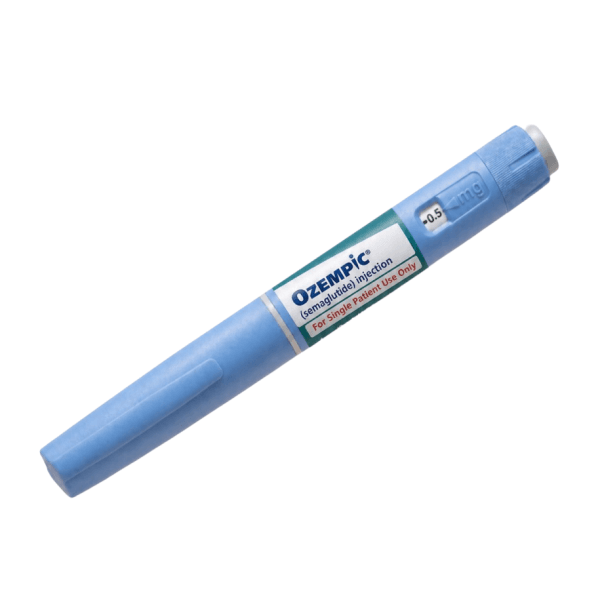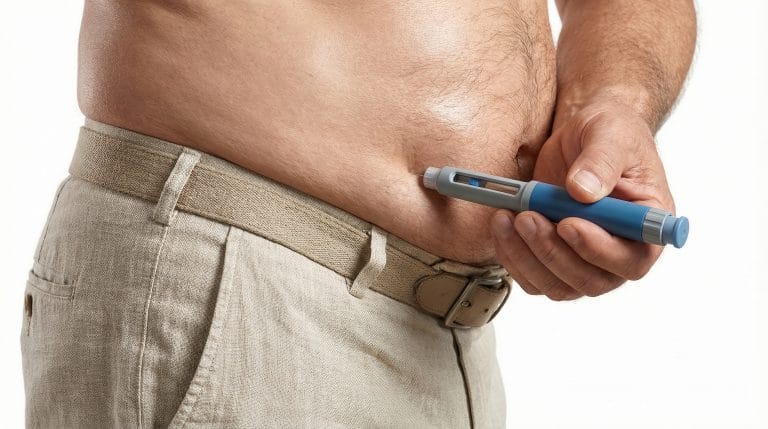


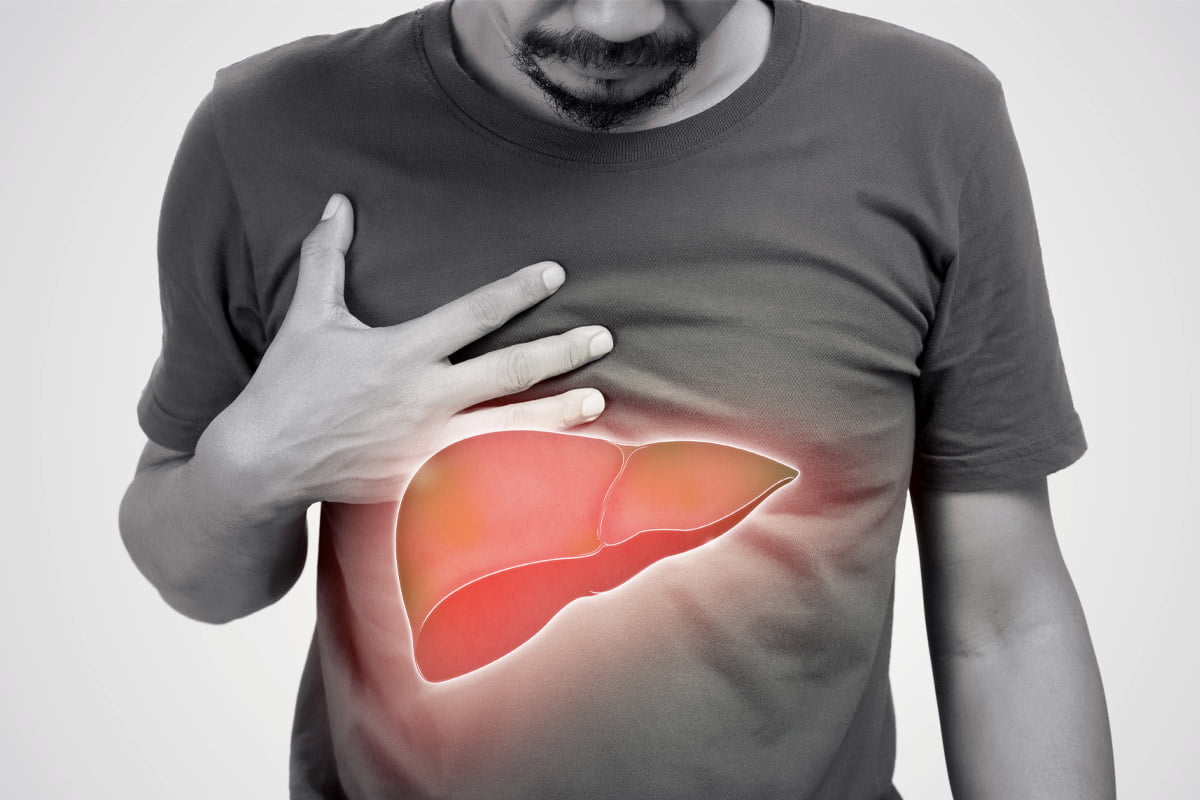
Ozempic and fatty liver disease can overlap safely for some people, especially when semaglutide is prescribed for type 2 diabetes or weight-related metabolic risk. It is not a self-directed liver treatment, and it is not a cure for scarring or cirrhosis. The key issue is your liver stage, recent labs, symptoms, alcohol intake, other medicines, and the reason the drug is being considered.
Key Takeaways
- Semaglutide may improve metabolic factors linked with fatty liver disease.
- Fatty liver alone does not always rule out Ozempic use.
- Advanced liver disease needs specialist review before treatment decisions.
- Rising liver enzymes need context, not guesswork.
- Severe abdominal pain, jaundice, or persistent vomiting needs prompt care.
How Semaglutide May Fit Into Fatty Liver Care
Semaglutide may help some people with fatty liver by improving blood sugar control, appetite regulation, and body-weight trends. These factors matter because metabolic dysfunction-associated steatotic liver disease, or MASLD, often travels with insulin resistance, type 2 diabetes, high triglycerides, and higher body weight. Many people still know MASLD by its older name, nonalcoholic fatty liver disease, or NAFLD.
The more inflamed form is called metabolic dysfunction-associated steatohepatitis, or MASH. In MASH, fat buildup is linked with liver inflammation and possible fibrosis, which means scarring. This distinction matters because simple fat buildup, MASH, and cirrhosis do not carry the same risks.
Ozempic contains semaglutide, a GLP-1 receptor agonist. GLP-1 medicines mimic a gut hormone involved in insulin release, appetite signals, and slower stomach emptying. If you want a broader medication background, Semaglutide, Ozempic, Rybelsus Uses explains how semaglutide products are commonly discussed.
Research has reported improvements in liver fat, liver enzyme patterns, and MASH-related measures in some groups using semaglutide. Still, study results depend on the dose regimen, baseline liver stage, diabetes status, weight change, and follow-up length. That means the findings do not prove that every person with fatty liver should use it.
Why it matters: Metabolic improvement can support liver care, but it does not replace liver staging.
Can You Take Ozempic With Fatty Liver or Liver Disease?
Many people with fatty liver can take semaglutide when a clinician prescribes it for an approved use. The answer changes when liver disease is advanced, symptoms are present, or lab results suggest reduced liver function. Fatty liver is common, but cirrhosis, portal hypertension, low platelets, fluid buildup, or jaundice need more careful review.
Your clinician may look at blood tests, imaging, fibrosis scores, alcohol use, and current medicines before deciding whether Ozempic and fatty liver disease can be managed together. They may also consider whether nausea, reduced appetite, or vomiting could worsen nutrition, dehydration risk, or frailty in someone with more serious liver disease.
When liver disease changes the discussion
- Known cirrhosis: specialist input is important.
- Jaundice history: liver function needs review.
- Low platelets: scarring may be possible.
- Fluid buildup: decompensation risk may be present.
- Gallbladder disease: abdominal symptoms need context.
- Heavy alcohol use: overlapping injury can occur.
Ozempic and liver cirrhosis deserve particular caution. Some product information addresses hepatic impairment in general terms, but labels do not answer every cirrhosis question. A hepatologist or gastroenterologist can help assess nutrition status, bleeding risk, fluid retention, and symptom patterns.
People sometimes ask whether semaglutide and liver disease are automatically incompatible. They are not. The safer framing is more specific: what type of liver disease is present, how advanced is it, and what monitoring plan is realistic?
Liver Enzymes, Abdominal Pain, and Warning Signs
Liver enzymes are clues, not a complete picture of liver health. ALT and AST can rise when liver cells are irritated. Other markers, including bilirubin, alkaline phosphatase, albumin, platelets, and INR, can show different parts of liver and bile-duct function.
Ozempic and liver enzymes can move in different directions. Some people may see enzyme improvement as weight, blood sugar, and triglyceride patterns improve. Others may see little change. If enzymes rise after starting a medicine, the cause may be fatty liver progression, alcohol, gallstones, viral hepatitis, supplements, another medication, strenuous exercise, or a separate illness.
Can Ozempic cause elevated liver enzymes? It is not usually described as a common direct liver toxin, but any new or worsening abnormal lab result should be reviewed. A medicine can be involved directly, indirectly, or not at all. For example, gallbladder disease or pancreatitis can cause abdominal symptoms and abnormal blood tests.
“Liver pain” can also be misleading. The liver itself does not usually create a clear, pinpoint pain signal. Right upper abdominal pain may come from the gallbladder, stomach, pancreas, muscle, or liver capsule. Severe or persistent pain should not be self-diagnosed.
- Jaundice: yellow skin or eyes.
- Dark urine: especially with pale stools.
- Severe pain: upper abdomen or back.
- Persistent vomiting: dehydration can follow.
- Confusion: urgent assessment may be needed.
- Rapid swelling: abdomen or legs.
Longer-term questions should include both liver and non-liver safety. For broader adverse-effect context, see Long-Term Side Effects of Ozempic. A separate safety overview, Ozempic Safety Risks, may help you prepare medication-risk questions for your prescriber.
Where Weight, Glucose, and Liver Monitoring Connect
Fatty liver care usually targets the drivers that can be changed safely. These may include blood glucose, body weight, triglycerides, blood pressure, sleep apnea, nutrition quality, and alcohol intake. Medication may support some goals, but it works best inside a broader care plan.
Weight loss can reduce liver fat for some people, but the right goal varies. People using insulin, sulfonylureas, or other glucose-lowering medicines may need closer glucose monitoring during appetite changes. People with kidney disease, pregnancy, gastroparesis, eating disorders, repeated low blood sugar, or cirrhosis should seek individualized guidance before making major diet changes.
Tracking weight change as a percentage can make appointments more concrete. It does not diagnose MASH, measure fibrosis, or predict whether semaglutide is suitable.
Weight-Loss Progress Calculator
Track percentage body-weight change and progress toward a target weight.
These calculations are for education only and do not replace clinical advice, diagnosis, or treatment. Always confirm medical decisions with a qualified healthcare professional.
This calculator helps estimate weight change, percentage body-weight change, and progress toward a goal weight. It is a tracking aid, not a liver test.
For many people, nutrition changes do not need to be extreme. Care plans often emphasize regular meals, adequate protein, higher-fibre carbohydrates, unsaturated fats, and fewer sugar-sweetened drinks. A registered dietitian can help match these choices to glucose patterns, medication side effects, cultural preferences, and liver goals.
If type 2 diabetes is part of your liver-risk picture, the Type 2 Diabetes Articles collection can help you browse related education. For medication access questions, keep process details separate from clinical eligibility. CanadianInsulin.com is a prescription referral platform, and prescription details may be confirmed with the prescriber where required.
How Ozempic Compares With Other GLP-1 Options
No GLP-1 medicine is universally best for fatty liver. The better question is which medication, if any, fits the approved purpose, liver stage, side-effect risk, and monitoring plan. Ozempic, Wegovy, and Rybelsus are all linked to semaglutide, but they are not interchangeable in everyday prescribing.
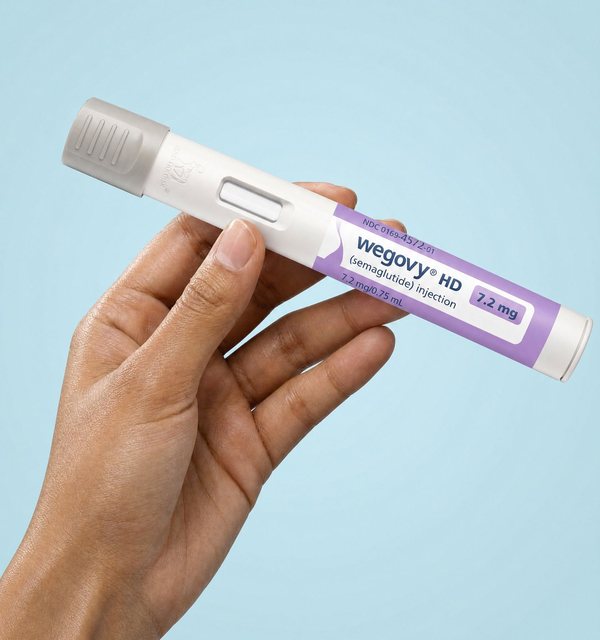
Wegovy and fatty liver disease often come up because weight management is closely tied to MASLD risk. Rybelsus may come up because it is oral semaglutide. Tirzepatide and other incretin-based medicines may also be discussed for diabetes or weight-related care, but each option has its own evidence base and safety profile.
When comparing semaglutide and fatty liver considerations, focus on decision factors rather than brand popularity.
- Approved purpose: diabetes or weight management.
- Liver stage: steatosis differs from cirrhosis.
- Glucose medicines: hypoglycemia risk may shift.
- Side effects: vomiting can create risk.
- Gallbladder history: symptoms need context.
- Monitoring plan: labs should be planned.
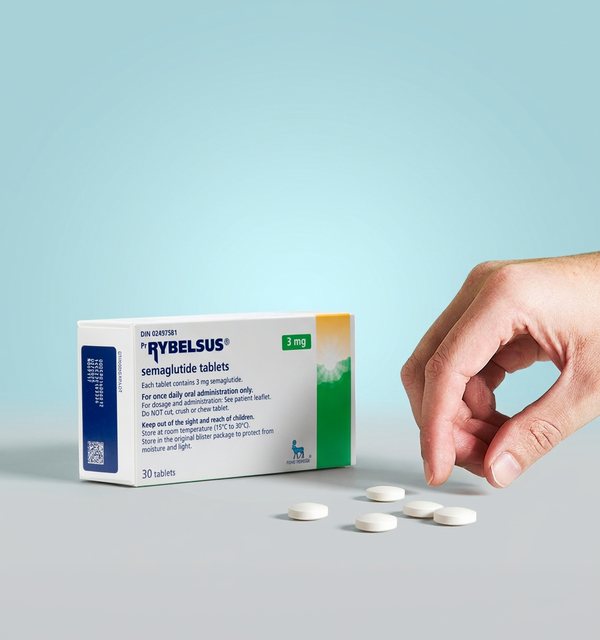
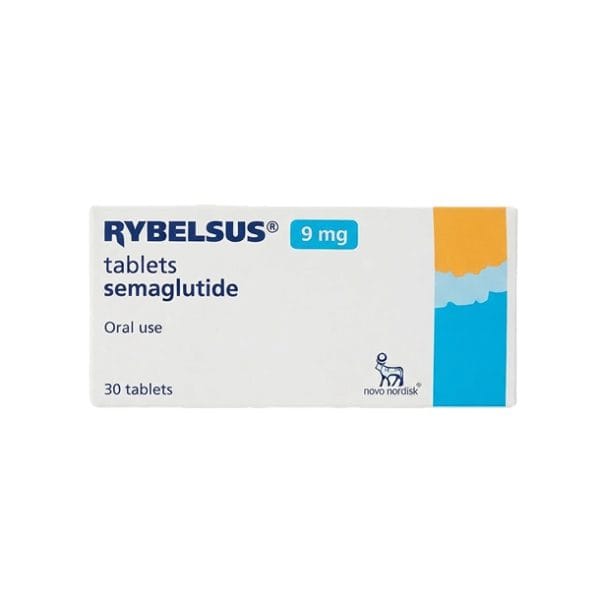
Product-specific background can be useful, but it should not replace medical assessment. The Ozempic Semaglutide Pens page provides product navigation, while Rybelsus Semaglutide Pills and Wegovy cover related semaglutide options. Use these as product references, not as liver-treatment instructions.
Questions to Bring to Your Clinician
The practical question is not whether Ozempic and fatty liver disease can ever overlap. A better question is what problem is being treated, what liver stage is present, and how safety will be monitored. That keeps diabetes control, weight goals, lab follow-up, and side-effect planning in the same conversation.
Consider preparing these points before your visit:
- Diagnosis details: MASLD, MASH, fibrosis, or cirrhosis.
- Recent labs: ALT, AST, bilirubin, platelets, and A1C.
- Imaging results: ultrasound, FibroScan, CT, or MRI.
- Current medicines: prescriptions, supplements, and pain relievers.
- Alcohol pattern: amount and frequency matter.
- Symptom plan: warning signs should be clear.
- Follow-up timing: labs may need repeating.
- Treatment goal: glucose, weight, or liver-risk assessment.
Do not adjust a semaglutide dose to target liver fat unless the prescriber gives that plan. Fatty liver treatment often needs several moving parts, including metabolic care, nutrition support, cardiovascular risk reduction, and liver-specific monitoring.
Alcohol deserves a separate mention because it can affect liver tests and medication tolerability. If alcohol is part of your routine, Ozempic and Alcohol Use may help you prepare a more specific discussion with your clinician.
Quick tip: Bring a current medication and supplement list to liver-related appointments.
Authoritative Sources
- The NIDDK explains disease basics in its MASLD and MASH overview.
- The AASLD provides clinical context in its NAFLD practice guidance summary.
- The FDA provides label access through the Ozempic prescribing information.
If liver disease and semaglutide are both part of your care, ask for a plan that covers diagnosis, fibrosis risk, medication purpose, side effects, and follow-up testing. Semaglutide may support important metabolic goals for some people, but liver care still needs individualized assessment.
This content is for informational purposes only and is not a substitute for professional medical advice.