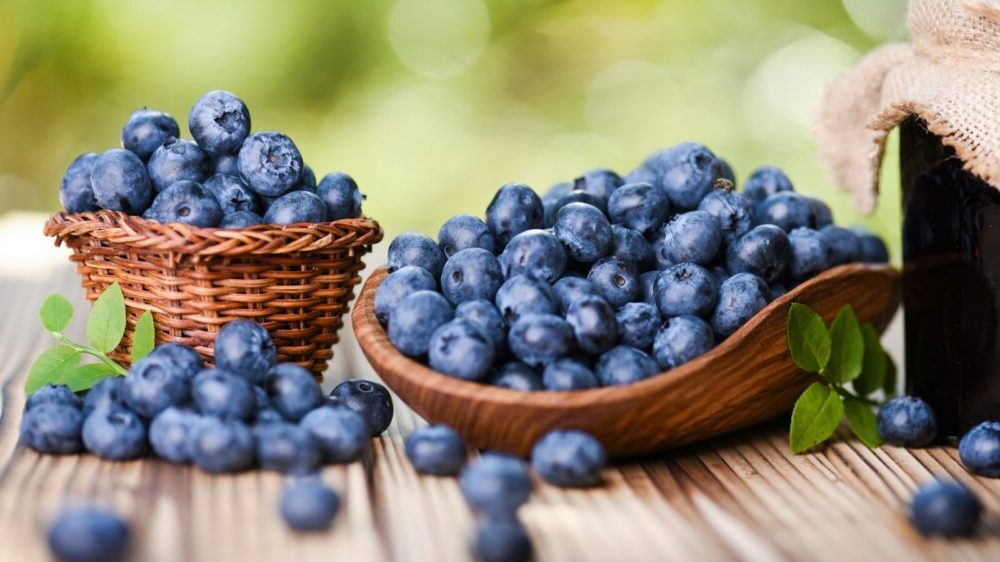
Yes, blueberries can fit into many diabetes meal plans. If you are asking, are blueberries good for diabetics, the useful answer is usually yes when they are eaten as whole fruit and the serving is measured. Blueberries still contain natural sugar and carbohydrate, so portion size, timing, and the rest of the meal matter. The goal is not to avoid fruit. The goal is to choose fruit in ways that match your glucose targets, medications, appetite, and personal response.
Key Takeaways
- Whole blueberries can fit into many diabetes eating patterns.
- Portion size matters because blueberries still contain carbohydrates.
- Unsweetened frozen blueberries are usually similar to fresh berries.
- Dried blueberries, juice, and sweetened products need closer label checks.
- Your glucose response matters more than any single best-fruit list.
Are Blueberries Good for Diabetics? The Practical Answer
Blueberries are generally a reasonable fruit choice for people with diabetes because they offer fiber, water, and plant compounds along with carbohydrate. They are not a treatment for diabetes, and they should not replace medications, glucose monitoring, or an eating plan from your care team. They are simply one fruit option that can work well when the serving fits the overall meal.
The search phrase ‘are blueberries good for diabetics’ usually points to two concerns: sugar and blood glucose. Blueberries do contain natural sugars, but whole blueberries also contain fiber. Fiber can slow digestion compared with juice or sweetened drinks, which may support a steadier glucose response for some people. Your response can still vary based on the amount eaten, what you eat with them, activity, sleep, stress, and medications.
It helps to think of blueberries as a carbohydrate-containing food, not a free food. A measured serving with a meal is often easier to predict than repeated handfuls from a large container. If you use a glucose meter or continuous glucose monitor, your own readings can show how a typical serving affects you.
Why it matters: The same fruit can affect two people differently.
Portion Size Matters More Than the Fruit Itself
The most useful question is not whether blueberries are allowed. It is how much fits your meal plan. Many diabetes meal plans use carbohydrate counting, plate balance, or both. Blueberries can fit into either approach, but the amount should be intentional.
Some people do well with a small bowl of berries alongside protein-rich foods, such as plain yogurt, cottage cheese, nuts, or eggs. Others notice a larger glucose rise when berries are eaten alone, blended, or eaten in a bigger portion. Neither response means the fruit is good or bad. It means the context matters.
If you count carbohydrates, label reading is important. Fresh berries do not have a packaged label, but frozen and dried products often do. Check serving size first, then total carbohydrate, fiber, and added sugars. For more background on how sugar and carbohydrates fit diabetes care, see Diabetes Sugar.
This calculator can help estimate carb servings from total carbohydrate. It does not set a personal carbohydrate target or replace clinician guidance.
Carb Serving Calculator
Convert total carbohydrate grams into carb choices for meal planning and diabetes education.
These calculations are for education only and do not replace clinical advice, diagnosis, or treatment. Always confirm medical decisions with a qualified healthcare professional.
- Measure first: use a cup or food scale when learning portions.
- Check the label: frozen and dried products vary widely.
- Pair wisely: protein or fat may make snacks more filling.
- Track patterns: review readings rather than one isolated result.
- Adjust with help: ask your clinician before changing medicines.
People who take insulin or medicines that can cause hypoglycemia should be especially careful with major eating changes. A registered dietitian or diabetes educator can help match fruit portions to medication timing, activity, and glucose goals.
Fresh, Frozen, Dried, or Juice: Forms Change the Glucose Picture
The answer to ‘are blueberries good for diabetics’ changes when blueberries are juiced, sweetened, dried, or blended into large drinks. Whole berries are usually the most practical choice because they keep the fruit structure and fiber intact. Processing can make it easier to consume more carbohydrate quickly.
Frozen blueberries can be a useful option when they are unsweetened. They are easy to portion, last longer than fresh berries, and can be added to oatmeal, yogurt, or smoothies in measured amounts. The key label phrase is unsweetened or no added sugar. Syrups, sweetened sauces, and dessert-style fruit mixes can change the carbohydrate load.
| Blueberry Form | What to Check | Practical Context |
|---|---|---|
| Fresh whole blueberries | Serving size and meal balance | Often the simplest option for measured snacks or meals |
| Unsweetened frozen blueberries | Added sugars and portion size | Usually similar to fresh berries when no sugar is added |
| Dried blueberries | Added sugar and smaller serving size | More concentrated, so portions can add up quickly |
| Blueberry juice | Total carbohydrate and lack of fiber | Often less filling and may raise glucose faster |
| Sweetened blueberry foods | Syrups, desserts, and refined grains | Better treated as sweets, not plain fruit |
Dried blueberries deserve extra attention. Drying removes water, so the same volume contains more concentrated carbohydrate than fresh fruit. Many dried blueberry products also contain added sugar or juice concentrates. Unsweetened dried fruit may still fit, but the serving is usually much smaller than a bowl of fresh berries.
Blueberry juice is different from whole fruit. Juice is easier to drink quickly and lacks the same intact fiber structure. If you use juice to treat low blood sugar, follow the plan your clinician gave you. If you are choosing fruit for routine meals, whole berries are usually more filling.
Can You Eat Blueberries at Night or Every Day?
Blueberries are not automatically off-limits at night. A bedtime snack depends on your glucose pattern, medications, hunger, and overall meal plan. Some people see stable readings after a small serving with protein. Others see overnight glucose rise if the snack is large or eaten after an already high-carbohydrate meal.
Nighttime eating can be more complicated for people using insulin or sulfonylureas, because those medicines can increase the risk of low blood sugar. Do not change medication timing or dose because of fruit without medical guidance. If your clinician has recommended a bedtime snack, ask how fruit should fit that plan.
Daily blueberries can also fit for some people. The main issue is variety. A healthy diabetes eating pattern usually includes different fruits, vegetables, proteins, fats, and high-fiber carbohydrates. Eating the same fruit every day is not harmful for everyone, but variety helps cover a wider range of nutrients and makes meals easier to sustain.
For meal ideas that place fruit in a broader plate, see Type 2 Diabetes Breakfast Ideas. For snack planning beyond fruit alone, Healthy Snacking offers more general context.
Blueberries, Strawberries, and Other Fruits
Strawberries and blueberries can both fit into diabetes meal planning. The better choice depends on serving size, taste, meal context, and glucose response. Strawberries often provide fewer carbohydrates per cup than blueberries, while blueberries are still a moderate, nutrient-dense fruit choice when measured.
Berries can be useful because their flavor is strong, their portions are easy to measure, and they work in meals without needing added sugar. Blackberries and raspberries often provide a notable amount of fiber, while strawberries are light and versatile. Blueberries are slightly denser in carbohydrate than some berries, but that does not make them a poor choice.
If you are comparing berry options, read more about Strawberries and Diabetes and Blackberries and Diabetes. For a wider fruit comparison, Best Fruits for Diabetics explains how fiber, portions, and labels shape choices.
It is also worth comparing fruit with the foods it replaces. A measured serving of whole berries may be more predictable than a pastry, sweetened cereal, or dessert. But a very large fruit smoothie can still contain more carbohydrate than expected, especially when it includes juice, sweetened yogurt, honey, or multiple fruits.
Fruit Choices That Need More Care
Searches for ‘are blueberries good for diabetics’ often sit beside lists of the worst fruits for diabetes. Those lists can be misleading. Most whole fruits can fit for many people when portions are appropriate. The bigger concerns are usually form, portion size, and added sugars.
Instead of thinking in terms of forbidden fruit, look for choices that require more attention. Fruit juice, canned fruit in syrup, sweetened dried fruit, oversized smoothies, and fruit desserts can deliver carbohydrates quickly. They may also be less filling than whole fruit. That can make glucose patterns harder to predict.
Large portions of high-carbohydrate fruit can also matter. Bananas, grapes, mangoes, pineapple, and similar fruits are not automatically banned. They may simply need more careful measuring than lower-carbohydrate options. The same is true for blueberries if the portion grows from a measured serving into a large bowl.
Whole fruit is usually easier to fit when it is paired with a balanced meal. For example, berries with plain Greek yogurt may affect glucose differently than berries blended with juice. Apple slices with nut butter may be more filling than fruit eaten alone. These examples are not prescriptions. They show why the food pairing can matter.
If you want a broader decision framework, What Fruits Are Good for Diabetics covers label reading, portions, and fruit formats in more detail.
When Blueberries Need a More Personal Plan
Some people need more individualized fruit guidance. This includes people who are pregnant, have kidney disease, have gastroparesis, experience repeated high or low glucose readings, or use medicines that can cause hypoglycemia. It also includes anyone recovering from disordered eating or trying to follow a very restrictive diet.
Kidney disease can change nutrition priorities, including potassium, phosphorus, fluid, and overall meal planning. Gastroparesis can make food timing and digestion less predictable. Pregnancy can change glucose targets and monitoring needs. In these situations, a registered dietitian or diabetes care team can help make fruit choices safer and more practical.
Bring details to the visit. Useful notes include the amount of blueberries eaten, whether they were fresh or frozen, what else was in the meal, and glucose readings before and after eating if your care team asks for that data. Patterns are more useful than one unusually high or low number.
Seek medical help promptly if you have symptoms of severe hypoglycemia, confusion, fainting, vomiting, dehydration, or very high glucose readings that do not improve according to your sick-day plan. Fruit choices are only one part of diabetes care, and urgent symptoms need professional guidance.
Making Blueberries Work in Real Meals
A practical blueberry choice starts with the meal, not the berry. Ask what the fruit is replacing, how much carbohydrate is already present, and whether the meal has enough protein, fat, and fiber to feel satisfying. This approach is more useful than judging one fruit in isolation.
For breakfast, blueberries may fit into plain yogurt, oatmeal, or a balanced plate with eggs and whole-grain toast. For a snack, they may pair with nuts, cheese, or unsweetened yogurt. For dessert, a measured serving of berries may be a lower-added-sugar option than many baked sweets, though total carbohydrates still count.
Smoothies require special care. Blending can make it easy to combine several servings of fruit without noticing. Juice, sweetened milk, flavored yogurt, and syrups can raise the carbohydrate load further. If you enjoy smoothies, measure ingredients before blending and review the full carbohydrate total, not just the fruit portion.
Quick tip: Build the snack first, then add berries in a measured amount.
For more diabetes nutrition topics, the Diabetes Category collects related educational reading. That can help you compare fruit choices with other common food questions.
Authoritative Sources
- For fruit categories in diabetes meal planning, see American Diabetes Association fruit guidance.
- For public health guidance on diabetes meal planning, see CDC healthy eating guidance.
- For research context on blueberries and insulin resistance, see this peer-reviewed review.
Blueberries can be a useful fruit choice for many people with diabetes, especially as whole, unsweetened fruit in a measured serving. Your personal glucose patterns, medications, and nutrition goals should guide the final decision.
This content is for informational purposes only and is not a substitute for professional medical advice.