

Community articles
Plain-language guides on medications, conditions and everyday care, to read before you talk with your prescriber or pharmacist.
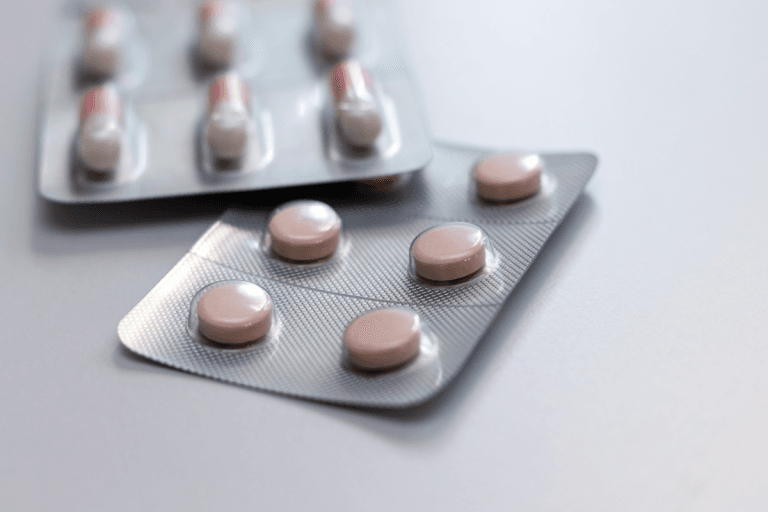
Oral Hypoglycemic Medications: Guide to Antidiabetic Drugs
Oral hypoglycemic medications help people with type 2 diabetes lower blood glucose. This guide explains the main classes, how they work, and…
Read more →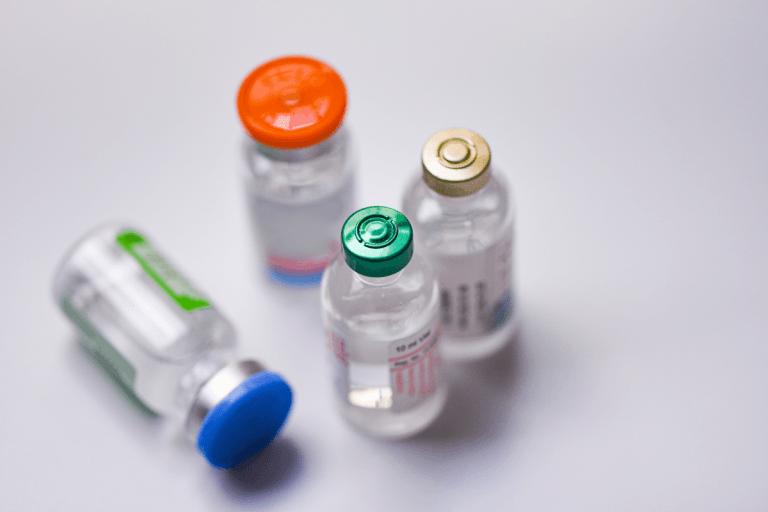
Types of Insulin Medications for Different Types and Timing
Understanding the types of insulin medications helps you match insulin action to your daily routine and clinical goals. This guide explains how…
Read more →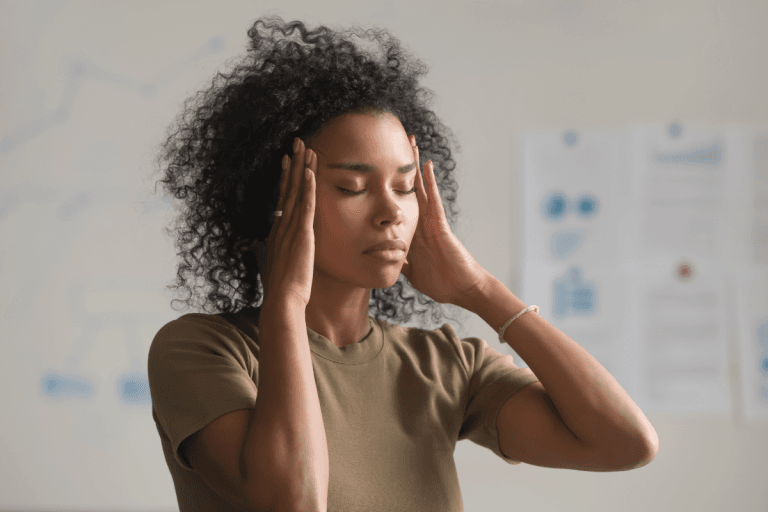
Hypoglycemia and Headaches: Signs, Triggers, and Relief
Hypoglycemia and headaches can occur when the brain has too little readily available glucose. The headache may feel dull, throbbing, pressure-like, or…
Read more →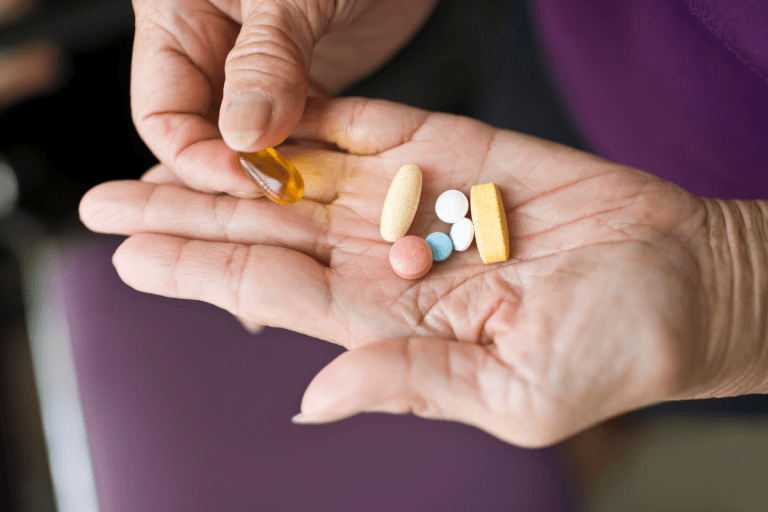
Sulfonylureas Drugs: Uses, Risks, and Daily Safety
Sulfonylureas drugs are oral medicines for type 2 diabetes that help the pancreas release more insulin. They can lower blood glucose effectively,…
Read more →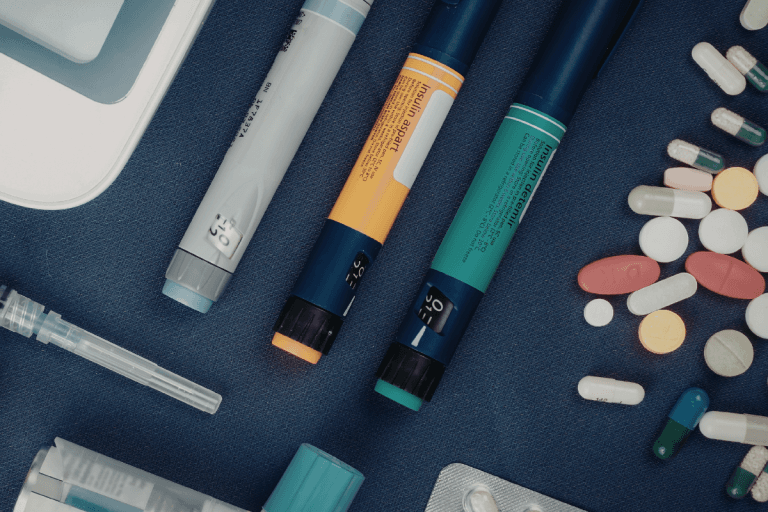
Medications for Type 1 and 2 Diabetes: A Practical List
Choosing medications for type 1 and 2 diabetes involves matching drug classes to clinical goals, safety needs, and patient preferences. This updated…
Read more →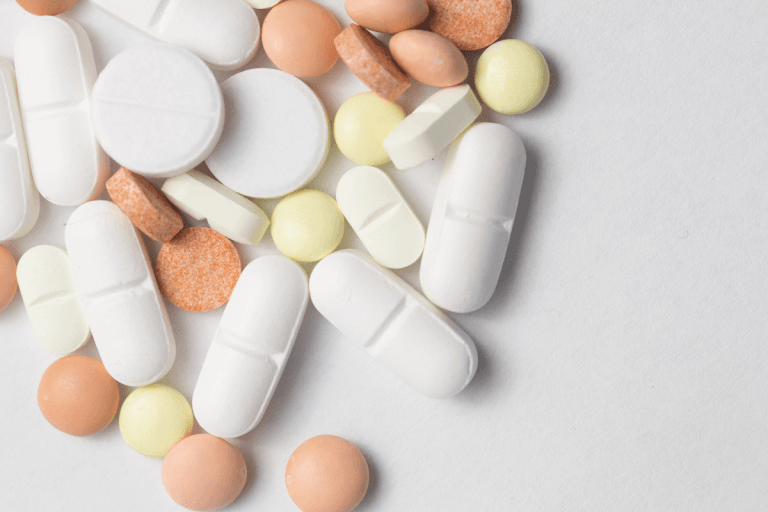
Meglitinides Drugs: Mechanism, Examples, Dosing, and Safety Guide
Short-acting insulin secretagogues called meglitinides drugs help control after-meal blood glucose in type 2 diabetes. They act quickly, are taken with meals,…
Read more →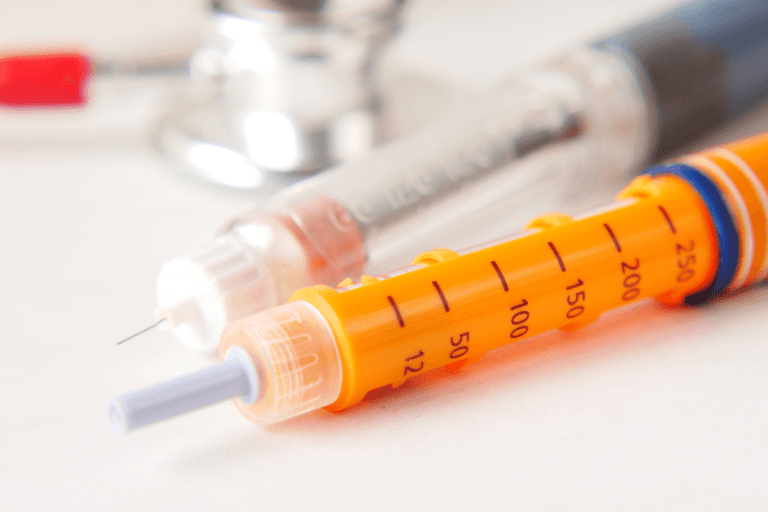
Incretin Mimetics Drugs: GLP-1 Receptor Agonists Guide
Key TakeawaysClass overview: GLP-1 receptor agonists improve glucose control.Evidence suggests benefits on weight and cardiometabolic risk.Common adverse effects are gastrointestinal and usually…
Read more →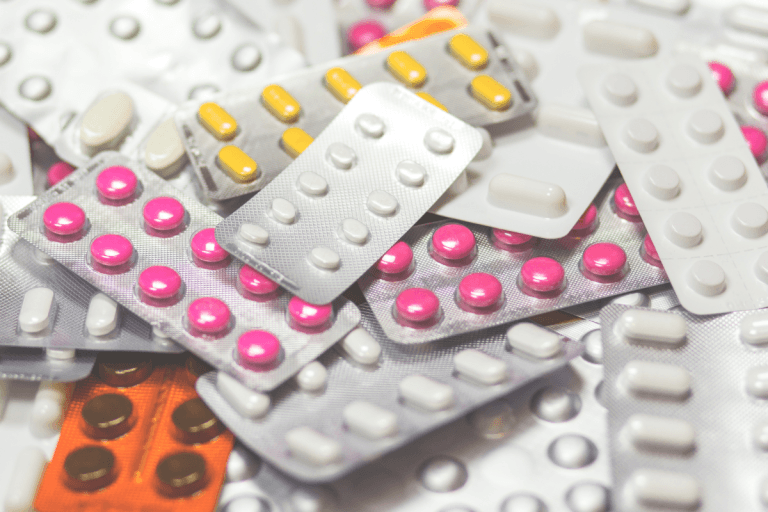
Thiazolidinediones Drugs: What To Expect When Taking TZDs
Thinking about starting thiazolidinediones drugs for type 2 diabetes? This class, also called TZDs or glitazones, helps the body use insulin more…
Read more →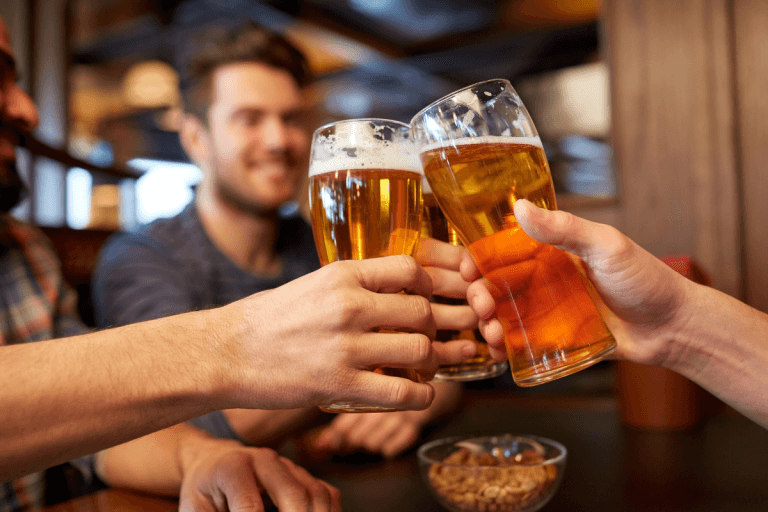
Alcohol Consumption and Diabetes: Blood Sugar and Safety Risks
Alcohol consumption and diabetes can fit together for some adults, but it is not automatically safe. Alcohol can lower glucose after drinking,…
Read more →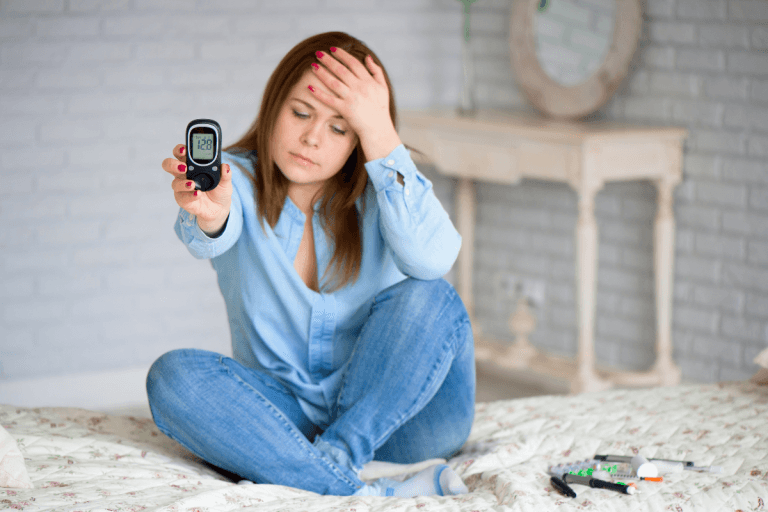
Signs of Diabetes in Women Over 40: A Practical Guide
After age 40, the body’s hormones, metabolism, and muscle mass shift. These changes can alter how high blood sugar first shows up.…
Read more →
Diabetes and Depression: Distress, Mood, and Support
Diabetes and depression are closely linked. The connection is not just emotional, and it is not a sign of weak coping. Living…
Read more →
Reactive Hypoglycemia Symptoms, Causes, and Meal Basics
Reactive hypoglycemia is a drop in blood glucose that happens after eating, usually within a few hours. The main reactive hypoglycemia symptoms…
Read more →Browse by medical condition
Products and reading lists grouped by condition, from A to Z.
All medical conditions →Looking for a medication?
Prices in USD, shown before you pay. Prescription required.
Shop all medications →Disclaimer: The content on Canadian Insulin is provided for informational purposes only and is not intended to replace professional medical advice, diagnosis, or treatment. Always seek the advice of your physician or another qualified healthcare provider with any questions you may have about a medical condition, medication, or treatment plan. If you think you may be experiencing a medical emergency, call 911 or go to the nearest emergency room immediately.