

Cardiovascular Articles and Resources
Plain-language guides on medications, conditions and everyday care, to read before you talk with your prescriber or pharmacist.

Cardiovascular Disease and Diabetes: Signs, Risks, and Care
Cardiovascular Disease and Diabetes are closely linked because high glucose, insulin resistance, blood pressure, cholesterol changes, and inflammation can damage blood vessels…
Read more →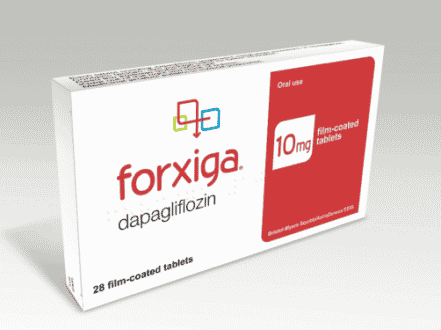
Farxiga Uses and Benefits: How Forxiga Fits Into Care
Dapagliflozin, sold as Farxiga and Forxiga in different markets, is a medicine used in type 2 diabetes and, in some patients, chronic…
Read more →
Metabolic Syndrome: Signs, Criteria, and Treatment Steps
Metabolic syndrome is a cluster of risk factors that raises the chance of type 2 diabetes, heart disease, and stroke. It is…
Read more →
Statin and Diabetes: Risks, Benefits, and Monitoring
For many adults with diabetes, statins are recommended because they lower LDL cholesterol and reduce the risk of heart attack and stroke.…
Read more →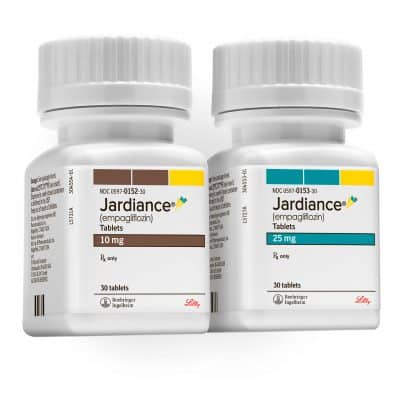
Jardiance Uses: Clinical Guide to Indications, Dosing, Safety
Understanding jardiance uses helps patients and caregivers align goals with evidence. Jardiance (empagliflozin), an SGLT2 inhibitor, supports glucose control and cardiometabolic risk…
Read more →This archive brings together cardiovascular articles for patients, caregivers, and readers who want clearer heart and blood vessel information. Use it to scan medication explainers, condition pages, and diabetes-related risk topics before choosing a more focused resource. The collection is meant for reading and navigation, not for self-diagnosis or changing treatment.
Cardiovascular means related to the heart and blood vessels. In this archive, that broad term may include cardiovascular diseases, blood pressure, cholesterol, heart-risk links with diabetes, and how certain medication classes appear in patient education. The goal is to help you pick the right next page quickly.
How to Use These Cardiovascular Articles
Start with the question you need answered. If you want a broad condition pathway, open Cardiovascular Disease before moving into medication or risk-factor reading. If your main concern is a risk factor, pages such as High Blood Pressure and High Cholesterol can keep your reading more specific.
Not every heart-risk topic is a medication topic. Some articles explain body systems and terms. Others discuss drug classes, diabetes complications, weight-related risk, or kidney overlap. Use the article title, category label, and condition links to decide whether you need background reading, a comparison article, or a condition-aligned browse page.
| Browsing need | Useful direction |
|---|---|
| Plain-language definitions | Use overview-style articles that explain the cardiovascular system, common terms, and risk factors. |
| Medication context | Compare article paths such as SGLT2 Inhibitors for Heart and Kidney Care or Metformin Cardioprotective Effects. |
| Risk-factor reading | Use condition pages when blood pressure, cholesterol, diabetes, or kidney disease is the main theme. |
Topics Included in This Archive
The archive may include articles on cardiovascular meaning, cardiovascular system function, common risk factors, medication classes, and how diabetes can affect heart and blood vessel health. Some resources focus on symptoms and complications. Others explain research terms or compare how drug classes are discussed in patient care.
Medication-related posts often provide background on a therapy, class, or study topic. For incretin-based treatments, compare Mounjaro Heart Benefits with Trulicity Heart Benefits. These resources can help you understand article language before discussing treatment questions with a clinician.
How to Compare Articles Without Overreading Them
Read category pages by purpose, not by headline alone. An article about cardiovascular health may explain prevention, risk factors, exercise, or medication research. A comparison article may help you understand differences between drugs or classes, but it should not guide your dose, diagnosis, or treatment plan.
- Check whether the article is about a condition, a medication class, or a single product.
- Look for plain-language definitions before reading research-heavy sections.
- Separate general cardiovascular treatment discussion from personal medical decisions.
- Write down unfamiliar terms, such as atherosclerosis or arrhythmia, for your next visit.
Quick tip: Keep a short list of symptoms, conditions, and medications you want to ask about.
Reading About Symptoms, Risk, and Urgent Concerns
Cardiovascular disease symptoms can overlap with lung, digestive, anxiety, medication, or blood sugar problems. Articles may explain terms such as palpitations, edema (swelling), angina (chest discomfort from reduced blood flow), or atherosclerosis (plaque buildup in arteries). They cannot tell whether your symptoms are dangerous.
If symptoms are sudden, severe, or different from usual, use urgent medical services rather than a category page. For non-urgent reading, condition pages can help separate risk-factor topics from medication-specific articles. This is especially useful when you are comparing high blood pressure, cholesterol, diabetes, or kidney-related concerns.
Medication and Access Context
Some articles connect cardiovascular treatment discussions with diabetes, kidney, or weight-management therapies. Use these resources as background for clinician conversations, not as a reason to start, stop, or combine medications. Prescription details, when required, may be confirmed with the prescriber before a licensed third-party pharmacy handles dispensing.
Product categories can help when an article mentions a class or therapeutic area. The Cardiovascular Product Category is product-led, while this archive is article-led. For metabolic care overlap, the Diabetes Articles archive keeps educational reading separate from product browsing.
Related Paths for Deeper Reading
Use related condition pages when you want a condition-aligned list rather than a full article archive. Use medication articles when you need plain-language background on warnings, side effects, study terms, or drug-class names. Use product categories only when you are ready to compare product listings instead of general education.
These cardiovascular articles can support better preparation for appointments and clearer discussions about risk, symptoms, and treatment options. A useful way to browse is to define the term, identify the topic type, then open the article or condition page that matches your question.
This content is for informational purposes only and is not a substitute for professional medical advice.
This content is for informational purposes only and is not a substitute for professional medical advice.
Frequently asked questions
About reading the Cardiovascular archive.
Where should I start if I am new to cardiovascular topics?
Start with broad articles that explain the heart, blood vessels, common risk factors, and basic terms. Then move into condition pages if your question involves blood pressure, cholesterol, heart disease, diabetes, or kidney overlap. If a medication name appears in your reading, use medication explainers for background only and save treatment-specific questions for a licensed clinician.
Are these cardiovascular articles a substitute for medical advice?
No. The articles can help you understand terms, organize questions, and compare related topics, but they cannot diagnose symptoms or recommend treatment. Cardiovascular symptoms can have many causes and may need prompt evaluation. Use the archive for education, then review personal risks, medications, tests, and symptoms with a qualified healthcare professional.
How are condition pages different from medication articles?
Condition pages group information around a health issue, such as high blood pressure, high cholesterol, or cardiovascular disease. Medication articles focus on a drug, class, comparison, safety topic, or research update. If you are trying to understand a diagnosis or risk factor, start with a condition page. If you are clarifying a medication term, choose the article path.
What should I do if I am reading because of heart symptoms?
Use caution if symptoms are new, severe, sudden, or unusual for you. Chest discomfort, trouble breathing, fainting, sudden weakness, or severe palpitations need urgent medical assessment. Articles can help explain possible terms after care is arranged, but they should not delay emergency help or replace advice from a clinician who knows your health history.
Browse by medical condition
Products and reading lists grouped by condition, from A to Z.
All medical conditions →Looking for a medication?
Prices in USD, shown before you pay. Prescription required.
Shop all medications →The contents of CanadianInsulin.com are for informational purposes only and should not be considered medical advice. We do not guarantee the accuracy of the content on CanadianInsulin.com, nor do we assume any responsibility for any actions taken using the information found on our website. Always consult with your family physician or a qualified health care provider about any health or medical concerns.