

Type 2 Diabetes Articles and Resources
Plain-language guides on medications, conditions and everyday care, to read before you talk with your prescriber or pharmacist.

Type 2 Diabetes Prevention: Habits That Lower Risk
Type 2 diabetes prevention is possible for many adults by lowering insulin resistance before blood sugar stays high. The strongest steps are…
Read more →
Statin and Diabetes: Risks, Benefits, and Monitoring
For many adults with diabetes, statins are recommended because they lower LDL cholesterol and reduce the risk of heart attack and stroke.…
Read more →
What Is Prediabetes? Symptoms, Causes, and Treatment
What is prediabetes? It means your blood glucose is higher than normal but not high enough for a type 2 diabetes diagnosis.…
Read more →
Actos Uses and How It Works in Type 2 Diabetes Care
Actos (pioglitazone) is an oral prescription medicine for adults with type 2 diabetes. It helps lower blood sugar by improving insulin sensitivity,…
Read more →
What Is Bolus Insulin? Meals, Corrections, and Timing
Bolus insulin is a focused insulin dose used to cover a meal, correct a high glucose reading, or both. If you are…
Read more →
Janumet Side Effects: Risks, Monitoring, and Safe Use Guide
Key TakeawaysThis guide explains janumet side effects in straightforward terms, including common reactions, rare risks, and when to seek care. It also…
Read more →
Januvia and Metformin: Dosing, Timing, and Safety Guide
Many adults use januvia and metformin together to manage type 2 diabetes. This dual therapy pairs sitagliptin and metformin to target glucose…
Read more →
Actos Dosage Guide: Pioglitazone Dosing, Timing, and Safety
Pioglitazone is a thiazolidinedione (insulin-sensitizer) used for type 2 diabetes. This guide explains actos dosage in practical terms, including adult ranges, timing,…
Read more →
Glyburide Dosage for Adults: Timing, Ranges, and Safety
Glyburide dosage in adults is not one fixed number. It depends on the tablet type, meal timing, age, kidney and liver function,…
Read more →
Avandamet: Uses, Side Effects, and Dosage Guidance
Understanding avandamet helps you compare options for type 2 diabetes. This overview explains what the medicine contains, how it works, and where…
Read more →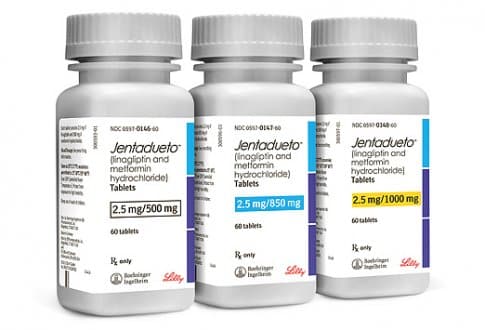
Jentadueto Uses: Dosing Guide, XR Options, and Safety
This guide explains jentadueto uses, dosing approaches, and safety basics in clear terms. It helps you discuss options with your healthcare professional…
Read more →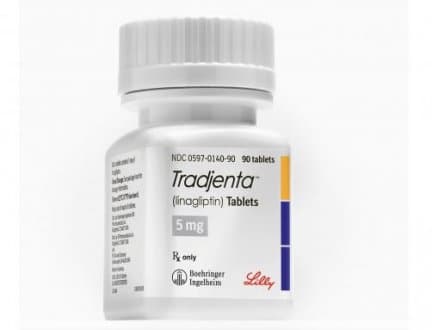
Tradjenta Side Effects: Clinical Guide to Risks and Monitoring
Understanding tradjenta side effects helps you anticipate what’s normal and what needs attention. Linagliptin (a DPP-4 inhibitor) is often well tolerated, but…
Read more →This type 2 diabetes article archive brings together practical reading for patients, caregivers, and people comparing diabetes-related topics. Use it to sort educational posts about symptoms, blood sugar, medication classes, weight-related care, and related heart or kidney considerations. It is a reading page first, with links to product and condition collections when product-level browsing fits better.
How to use these type 2 diabetes articles
The archive is organized around common questions, not around one single treatment path. Some posts explain early signs and daily monitoring. Others compare medication classes, describe side effect themes, or clarify terms used in diabetes care. Start with the question you need answered, then move to narrower pieces only if they match your situation.
For background comparisons, Type 1 Versus Type 2 Diabetes can help separate two conditions that often get discussed together. If your main question is numbers, Blood Sugar Normal Range Chart explains common glucose ranges and testing terms in plain language.
Start with symptoms, causes, and blood sugar basics
Type 2 diabetes mellitus is a chronic condition linked to insulin resistance (when cells respond less well to insulin) and sometimes reduced insulin production. Articles in this section may discuss hyperglycemia (high blood sugar), increased thirst, frequent urination, fatigue, slow-healing skin changes, or blurred vision. They can help you prepare questions but should not replace evaluation by a clinician.
Searches about symptoms, possible causes, or long-term complications often overlap. That is why symptom pieces work best alongside monitoring and risk-factor articles. Blood Sugar Monitoring Frequency is useful when you need to understand testing discussions before a visit, not when you need urgent care guidance.
Quick tip: Match the article topic to your current question before comparing treatments.
Compare treatment topics without treating articles as prescriptions
Medication articles can make treatment conversations less confusing. They may describe how metformin, GLP-1 receptor agonists, SGLT2 inhibitors (sodium-glucose cotransporter 2 inhibitors), DPP-4 inhibitors, or combination medicines are commonly discussed. These posts should support informed questions, not dose changes or decisions about starting, stopping, or switching therapy.
If you are researching treatment for type 2 diabetes, use comparison posts as conversation prep rather than instructions. For broad medication context, open Common Diabetes Medications. For heart and kidney care themes often linked with certain medicines, compare SGLT2 Inhibitors Guide.
CanadianInsulin.com functions as a prescription referral platform, not a prescriber. Where required, prescription details may be confirmed with the prescriber, and licensed third-party pharmacies handle dispensing where permitted.
Use related collections when you need product-level browsing
An article archive answers reading questions. Product and condition collections help when you need to compare listing types, medication classes, or condition-aligned pages. The Type 2 Diabetes Condition Collection organizes condition-related product browsing, while the Diabetes Product Category groups diabetes medication listings at a broader level.
When a post mentions incretin-based medicines, GLP-1 Agonists is a more direct product-category path. When weight and glucose topics overlap, the Weight Management Articles archive can help separate weight-focused explainers from diabetes-first content.
Match article themes to the question you have
Broad searches such as type 2 diabetes diet, self-care, prevention, and remission can point to very different reading needs. A food list article may help with vocabulary, while a medication comparison may help with class names. Neither should be used as a personal treatment plan.
| Question type | Best archive path |
|---|---|
| New symptom or lab question | Start with symptoms, blood glucose terms, and monitoring articles. |
| Medication class question | Use class explainers before brand or product-specific posts. |
| Weight or food question | Compare diabetes-first resources with weight management articles. |
| Heart or kidney concern | Look for pieces that discuss related cardiovascular or kidney care themes. |
Why it matters: The right article type can prevent mixing general education with personal care decisions.
Questions to bring into clinical conversations
Some readers arrive with urgent or complex questions, such as whether high blood sugar is causing symptoms or whether diabetes can go into remission. Articles can define terms and show common discussion points, but a clinician should interpret symptoms, lab results, risks, and medication options. Seek urgent care for severe symptoms or sudden changes.
Before opening several comparison posts, note what you already know: current medications, recent A1C or glucose readings if available, other diagnoses, and the reason you are researching. This keeps the archive useful without turning browsing into self-diagnosis.
Keep your next step specific
Use this archive as a map for reading, not as a substitute for care. Start with broad explainers, then narrow to medication classes, monitoring topics, or related conditions. If a product listing seems more relevant than an article, move to the linked product or condition collection and review details with your healthcare professional.
This content is for informational purposes only and is not a substitute for professional medical advice.
This content is for informational purposes only and is not a substitute for professional medical advice.
Frequently asked questions
About reading the Type 2 Diabetes archive.
How should I choose a starting article in this category?
Begin with the question you need answered. If you are new to the topic, start with symptoms, blood sugar terms, or condition comparisons. If you already understand the basics, medication class explainers or monitoring articles may be more useful. Product or condition collections fit better when you want listing-level browsing rather than educational reading.
Are medication comparison articles the same as medical advice?
No. Medication comparison articles explain terms, class differences, common discussion points, and safety questions. They do not decide which medicine is right for a person. A prescriber should interpret your diagnosis, lab results, current medications, other conditions, and risk factors before any treatment decision or dose change.
What is the difference between this article archive and the condition collection?
This article archive focuses on educational posts, comparisons, and explainers. The condition collection is better for browsing condition-aligned product listings and related medication categories. Many readers use both: articles to understand vocabulary and questions, then condition or product pages to compare listing details in a more structured way.
Can these resources tell me whether type 2 diabetes can be cured?
They can explain terms such as remission, prevention, risk factors, and long-term management. They should not be used to decide whether diabetes has resolved or whether treatment can stop. Those questions need clinical review, including lab results and medical history. A healthcare professional can explain what remission means for an individual situation.
Browse by medical condition
Products and reading lists grouped by condition, from A to Z.
All medical conditions →Looking for a medication?
Prices in USD, shown before you pay. Prescription required.
Shop all medications →The contents of CanadianInsulin.com are for informational purposes only and should not be considered medical advice. We do not guarantee the accuracy of the content on CanadianInsulin.com, nor do we assume any responsibility for any actions taken using the information found on our website. Always consult with your family physician or a qualified health care provider about any health or medical concerns.